
Moroccan Spice Blend
Moroccan Spice Blend: A Family Guide & Recipe
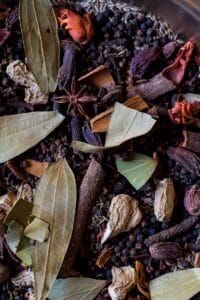
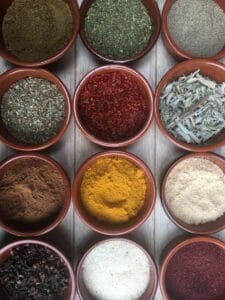
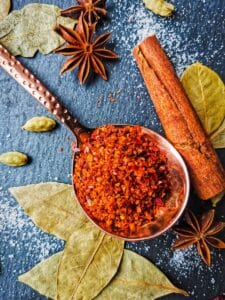
Walk into any spice shop in Fes or Marrakech and you will see them right away. Glass jars and burlap sacks piled high, each one a different shade of ocher, red, gold, or green. The air smells of warm cinnamon, dusty cumin, and a sweetness you cannot quite place. That sweetness is usually the Moroccan spice blend known as ras el hanout, and it is the soul of almost every memorable dish you will eat in this country.
Once you understand what goes into a traditional ras el hanout, your cooking changes. Tagines stop tasting flat. Couscous comes alive. Even roasted carrots from the supermarket start to feel like dinner in a Marrakech riad.
In this guide, you will learn what a Moroccan spice blend actually contains, how families here mix their own, the history behind it, how to use it in your kitchen, what makes ras el hanout different from other regional mixes, and how to bring a real jar home with you after a trip to Morocco.
Quick Takeaways
- Moroccan spice blend basics: The most famous example is ras el hanout, which translates from Arabic as “head of the shop” and refers to the best mix a spice merchant has to offer.
- Core ingredients: Most recipes start with cumin, coriander, cinnamon, ginger, paprika, turmeric, black pepper, allspice, nutmeg, and cloves, with rose petals and dried lavender added in fancier versions.
- No single recipe: Every Moroccan family, region, and souk vendor has their own ratios, and some traditional mixes use up to forty different spices.
- Use it everywhere: A good blend works in tagines, couscous, lamb meatballs, roasted vegetables, lentil soup, and weeknight chicken.
- Buy whole, grind fresh: For the deepest flavor, buy whole spices and grind them at home, since pre-ground mixes start losing potency within three months.
- Family friendly: The aromatic ras el hanout is warm without being spicy, so it is safe for kids and toddlers to enjoy alongside the grown-ups.
- Where to find it: Try Moroccan grocers, North African markets, or bring a sealed bag home from a souk in Fes, Marrakech, or Essaouira.
What’s in a Moroccan spice blend?
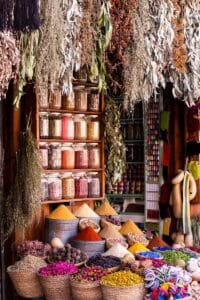
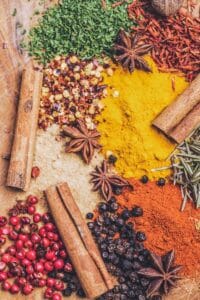
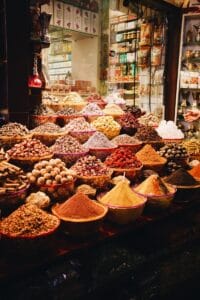
A traditional Moroccan spice blend, known locally as ras el hanout, usually contains between ten and thirty different spices, with the core mix built from cumin, coriander, cinnamon, ginger, paprika, turmeric, black pepper, allspice, nutmeg, and cloves. Some versions also include dried rose petals, lavender, cardamom, mace, and fenugreek for extra fragrance.
The exact contents vary because ras el hanout is not a fixed recipe. Each spice merchant, family, and region has their own version, and the name itself translates from Arabic as “head of the shop”, which means the very best ingredients on the shelf. In the souks of Fes and Marrakech, you can still find vendors who mix custom batches on the spot, grinding spices fresh in front of you and weighing them out by the gram.
What unites every version is balance. Warm sweet notes from cinnamon and allspice sit next to earthy cumin and coriander, with turmeric and paprika doing the heavy lifting on color, and ginger and pepper giving the final lift. Nothing in a classic Moroccan spice blend is meant to dominate, which is why it works so well in slow-cooked stews where the flavors need time to settle into each other.
However, the version you buy at a Western supermarket will rarely have more than ten spices, and some commercial mixes skip the floral ingredients entirely. If you want the real thing, look for a small-batch product from a Moroccan or North African grocer, or make your own at home with the recipe below.
Practical takeaways:
- Look for ten or more spices listed on the label of any quality Moroccan spice blend
- Cumin and coriander should always appear near the top of the ingredient list
- Avoid mixes heavy on salt since real ras el hanout traditionally contains very little or none
- Smell before you buy: a fresh jar should hit you with warm, sweet, peppery notes the moment you open it
- Store in a sealed glass jar away from heat and sunlight to keep the flavor strong for at least six months
If you are planning a trip to the country, our team at Morocco Family Vacation includes stops at trusted spice merchants where kids can smell, taste, and help mix their own jar to take home.
The Story Behind Ras el Hanout
Ras el hanout has roots going back centuries, long before tourists started filling spice shop photos for social media. The blend grew out of the trans-Saharan trade routes that connected Morocco to sub-Saharan Africa, the Middle East, and Asia. Caravans coming through Marrakech and Sijilmasa brought saffron from Iran, cardamom from India, cloves from Indonesia, and ginger from China. Moroccan cooks took what came in through the ports and started mixing.
Each spice merchant kept his own ratios secret, the way a perfumer guards a formula. Families in old cities like Fes built reputations on the quality of their personal mix, passed from grandmother to mother to daughter. Some historic recipes from Fes still call for ingredients that are now banned or hard to find, like cantharides beetles or Spanish fly, which were once thought to carry medicinal or aphrodisiac qualities. Modern Moroccan spice blend recipes drop those entirely and stick to safer, edible spices.
The cultural meaning runs deeper than flavor. In rural Berber communities of the Atlas Mountains, ras el hanout is often given as a wedding gift, with the bride’s family preparing a custom jar that the new couple will use during their first year of marriage. In other regions, it gets mixed into mrouzia, a sweet lamb stew served during Eid al-Adha and other religious holidays.
If you want to understand why Moroccan food tastes the way it does, this is the place to start. The blend is the country’s history in a jar: trade, family, faith, and a stubborn refusal to keep cooking simple.
How the Name Took Hold
The phrase “ras el hanout” appears in Moroccan, Algerian, and Tunisian markets, but it carries the strongest meaning in Morocco. When a customer walked into a hanout (the local word for a small shop) and asked for “the best you have”, that is what they got: a one-off blend made for that customer on that day. The phrase eventually became a category of its own, the way “champagne” did for sparkling wine.
Ready to Start Your Morocco Journey?
Let us help you design a smooth, affordable, and memorable journey crafted by local travel experts who know Morocco best.
Core Ingredients Every Moroccan Spice Blend Needs
If you strip a classic ras el hanout down to its essentials, you get about ten spices doing most of the work. These are the ones you will see in nearly every recipe, whether it comes from a small village kitchen in the Rif Mountains or a modern food blogger in Casablanca.
Cumin is the backbone. It carries a warm, earthy depth that goes into almost every Moroccan dish, not just the spice mix. Buy whole cumin seeds when you can and toast them briefly in a dry pan before grinding.
Coriander brings citrus and brightness. Whole seeds keep their flavor for years; ground coriander loses its punch within a few months.
Cinnamon is the secret ingredient that confuses first-time visitors. Why does this tagine smell sweet? That is the cinnamon doing its job, balancing the savory spices.
Ginger, in dried ground form rather than fresh, gives the blend a soft heat that wakes everything up without burning your mouth.
Paprika does double duty: a little smoky depth, a little color, a little fruity sweetness. Most Moroccan cooks use a sweet paprika rather than a hot one.
Turmeric is mainly there for the deep yellow color, but it adds an earthy bitterness that grounds the sweeter notes. Without it, the blend looks pale and tastes thin.
Black pepper, allspice, nutmeg, and cloves are the warming, almost dessert-like spices that push the blend into ras el hanout territory. Used carefully, they bring complexity. Used heavily, they take over the whole dish.
Extras for a More Authentic Blend
Once you have the core, the fun starts. A more complete mix often includes:
- Cardamom pods, lightly toasted and ground
- Mace (the lacy outer covering of nutmeg)
- Fenugreek, used in smaller amounts because it can turn bitter
- Dried rose petals, ground fine, for fragrance
- Dried lavender, used sparingly
- Galangal, a relative of ginger with a sharper edge
- Long pepper and grains of paradise, both old caravan spices
You do not need all of these to make a good mix. Adding even two or three of the extras to the core ten will lift your homemade version from supermarket level to something closer to what you would buy in a Marrakech souk.
Homemade Moroccan Spice Blend Recipe
Here is a simple version you can make in five minutes with spices most home cooks already have. It will not match a sixty-spice Fes original, but it will outperform anything pre-ground from a chain store.
Ingredients (makes about half a cup):
- 2 tablespoons ground cumin
- 2 tablespoons ground coriander
- 1 tablespoon sweet paprika
- 1 tablespoon ground ginger
- 1 tablespoon ground cinnamon
- 1 teaspoon ground turmeric
- 1 teaspoon ground black pepper
- 1 teaspoon ground allspice
- 1/2 teaspoon ground nutmeg
- 1/2 teaspoon ground cloves
- 1/2 teaspoon ground cardamom (optional)
- 1 teaspoon dried rose petals, ground (optional)
Method:
- Tip every spice into a clean, dry bowl.
- Whisk together until the color is even, with no streaks of yellow or red.
- Funnel into a small glass jar with a tight lid.
- Label and date the jar. Store in a cool, dark cupboard.
- Use within six months for best flavor.
Tips From a Moroccan Home Cook
If you want this homemade Moroccan spice blend to taste closer to the real thing, toast the whole spices (cumin, coriander, cardamom, cloves) in a dry pan for one or two minutes before grinding. The heat releases the oils and changes the smell almost instantly. You will know it is right when the kitchen suddenly smells like a Moroccan grandmother’s house.
Add a pinch of salt only if you plan to use the mix as a dry rub straight on meat. For tagines and stews, leave the salt out so you can control the seasoning during cooking.
Ras el Hanout vs Other Moroccan Spice Mixes
Ras el hanout gets the most attention, but it is not the only Moroccan spice blend worth knowing. The country has several regional and dish-specific mixes that come up again and again in home cooking.
Chermoula is a fresh herb and spice paste, not a dry mix. It usually contains cumin, paprika, garlic, coriander leaves, parsley, lemon, and olive oil. Moroccan families use chermoula mostly for fish, especially in the coastal cities of Essaouira and Safi.
Harissa is a chili paste rooted more in Tunisian cooking but also common in Morocco. It runs hot, smoky, and tangy from caraway and dried red chilies. You will see it served on the side rather than mixed into the dish.
La kama is a Tangier specialty. It is simpler than ras el hanout, using black pepper, ginger, turmeric, cumin, and nutmeg. La kama goes into the slow soups and broths that families eat through the winter in the north.
Smen is not exactly a spice mix, but it sits next to one in most kitchens. It is a fermented salted butter, aged sometimes for years, with a flavor close to a strong cheese. A small spoon of smen plus a teaspoon of ras el hanout in a tagine creates a depth you cannot fake with any quick shortcut.
So when someone asks about ras el hanout vs other Moroccan mixes in general, the honest answer is that ras el hanout is the headline, but the full picture includes chermoula, harissa, la kama, and a few others depending on which region you are eating in.
Cooking with Your Moroccan Spice Blend
This is where the fun starts. Once you have a jar of homemade ras el hanout on the shelf, your weeknight cooking has a different ceiling.
Tagines: Rub a heaping tablespoon onto chicken thighs or lamb shoulder before browning. Add onions, preserved lemon, olives, and a splash of water. Cover and let it cook low and slow for an hour or two.
Couscous: Stir a teaspoon into the broth you pour over your couscous, along with the vegetables and meat. The grains soak it up.
Roasted vegetables: Toss carrots, sweet potatoes, or cauliflower in olive oil and a generous spoon of the blend. Roast at 200°C until the edges char.
Lentil soup: A teaspoon turns a basic red lentil soup into something close to harira, the famous Moroccan soup served during Ramadan.
Lamb meatballs (kefta): Mix the spice into ground lamb with chopped parsley, onion, and an egg. Roll into balls and grill or simmer in tomato sauce.
Chicken on the grill: Mix with olive oil and a squeeze of lemon to make a quick marinade. Even thirty minutes makes a big difference.
A Note on Quantities
Most Moroccan cooks use more spice than you would expect. A standard tagine for four people often takes two full tablespoons of ras el hanout, not the cautious teaspoon you see in Western recipes. The blend is mild enough that you can be generous without scaring off the kids.
If you are new to it, start with half what the recipe asks for and taste as you go. Once you trust the blend, you will find your own rhythm.
Where to Buy an Authentic Moroccan Spice Blend
The best place to buy a real Moroccan spice blend is, of course, Morocco. If you are traveling, plan a slow afternoon in a souk: Fes for the most history, Marrakech for the most variety, Essaouira for the freshest coastal-flavored versions. Skip the brightly lit tourist stalls near the main squares and walk a few streets deeper. The serious shops are quieter, with sacks of whole spices and small brass scales.
When you find one, ask the shopkeeper to mix you a fresh batch. Tell him how you cook (more meat, more vegetables, kid-friendly, spicy, mild) and he will adjust the ratios. Expect to pay more for a custom mix than for a pre-packaged tin, but you are getting something you cannot buy online.
If you are not heading to Morocco anytime soon, a few options work well at home:
- North African or Middle Eastern grocers in your city, which usually carry small-batch ras el hanout
- Specialty spice shops that source directly from importers
- Online retailers such as The Spice House, Penzeys, or Burlap & Barrel
- Moroccan diaspora bakeries and delis, which often sell their own house mixes
Avoid the supermarket “Moroccan seasoning” packets that lean heavily on cumin and not much else. They will not give you the depth a real Moroccan spice blend provides.
For families planning a trip, Morocco Family Vacation arranges private spice market visits in Fes and Marrakech where parents and kids learn about the spices together, then bring home sealed jars they mixed themselves. It is one of the most popular stops on our custom tours.
Cooking with the Spice Blend as a Family
One of the best things about ras el hanout is how kid-friendly it is. It carries no real heat, just warmth and fragrance, so even toddlers can eat dishes seasoned with it. That makes it a great way to introduce children to Moroccan food at home, well before any actual trip.
Easy Recipes Kids Can Help Make
- Spice-rubbed roast chicken: Let kids pat the blend onto the bird with their hands. They love the smell.
- Couscous bowls: Set out cooked couscous, chickpeas, roasted carrots, raisins, and almonds in small bowls. Each child builds their own.
- Sweet potato wedges: Toss with olive oil, a spoon of ras el hanout, and a little honey. Bake until crisp.
- Harira-style lentil soup: A teaspoon of the blend, lentils, tomatoes, and pasta. Done in thirty minutes.
These recipes turn dinner into a small lesson in geography and culture. When my own kids ask why the rice smells like cinnamon, I get to tell them about the trade routes that brought it across the Sahara. They remember it better than anything I have tried to teach them from a book.
If you are planning a family trip and want your kids to recognize the smells of the souk when they arrive, start cooking with a Moroccan spice blend at home a few weeks before you fly. By the time they walk into a spice shop in Marrakech, they will already feel at home.
Need Help with Transportation in Morocco?
Book a reliable private driver for your Morocco family adventure today – personalized routes designed just for you, and get 30% off as a first-time visitor!
Storing Your Spice Blend the Right Way
Spices are not immortal. The day you grind them, they start losing flavor, so storage matters more than most people think.
Keep your jar in a cool, dark cupboard away from the stove. Heat is the enemy. Direct sunlight is worse. The pretty wire-rack spice display next to your oven looks great on Instagram but kills the flavor in weeks.
Use a glass jar with a tight lid. Plastic absorbs oils and odors over time. Metal tins work, as long as the lid seals well.
A homemade blend keeps most of its strength for about six months. After that, it is still safe to use, but the smell starts to fade and you need to use more of it to get the same effect. If you cannot remember when you mixed it, smell it. If the warm sweet hit you got at the start is gone, it is time to make a new batch.
Label every jar with the date. Older Moroccan cooks I have met all do this, even when they have been mixing their own blends for fifty years.
Final Thoughts: Make the Moroccan Spice Blend Part of Your Kitchen
A jar of Moroccan spice blend on your shelf is more than a shortcut to better dinners. It is a small piece of a country with one of the oldest cooking traditions on the planet, distilled into a form you can spoon onto a chicken thigh on a Tuesday night. Once you start using it, you will find yourself reaching for it more often than you expected, and your family will start asking for “that smell again” when you cook.
The real thing is not complicated. Ten or so spices, mixed with care, stored properly, and used generously. That is the whole secret. Whether you build your own from supermarket jars or bring a sealed bag back from a Marrakech souk, the experience changes how you cook.
If you want to take it further, come see where it all started. Morocco Family Vacation designs Private Family Tours in Morocco for Kids, Teens & Toddlers. Plan your perfect family trip with us through custom private tours built for families traveling with toddlers, kids, and teens. You get family-friendly experiences, trusted local guides, and handpicked comfortable stays from the medinas all the way to the Sahara. Bring home a jar your kids mixed themselves, and a few hundred stories to go with it.
─── Your questions, our answers.
Frequently Asked Questions
Our dedicated team is here to answer your Morocco Travel questions and ensure a smooth, memorable journey through Morocco.
What is the famous Moroccan spice mixture?
The most famous one is ras el hanout, the classic blend whose name translates from Arabic as “head of the shop”. It usually contains between ten and thirty spices, with cumin, coriander, cinnamon, ginger, and paprika forming the base. Every region and family makes it slightly differently.
What can I use instead of Moroccan spice mix?
If you do not have ras el hanout on hand, you can build a quick stand-in by mixing equal parts cumin, coriander, cinnamon, ginger, and paprika, with a pinch of nutmeg, allspice, and cloves. It will not have the full complexity of a traditional Moroccan spice blend, but it gets you about eighty percent of the way there for most recipes.
What are the top 5 Moroccan spices?
The top five Moroccan spices are cumin, coriander, cinnamon, ginger, and paprika. These five form the foundation of nearly every Moroccan spice blend, including ras el hanout. Saffron, turmeric, and black pepper follow close behind in importance, especially in festival cooking and special-occasion tagines.
What is Moroccan 7 spice?
Moroccan 7 spice is a simplified version of ras el hanout that uses seven core spices: cumin, coriander, cinnamon, ginger, paprika, turmeric, and allspice. Home cooks who want a quick everyday option often use this shorter list instead of building the full thirty-spice version.
Is Moroccan spice blend the same as ras el hanout?
Ras el hanout is the most famous Moroccan spice blend, but the two terms are not always interchangeable. Morocco also uses chermoula (a wet herb paste), harissa (a chili paste), and la kama (a northern Moroccan mix), among others. When people say “Moroccan spice blend” without specifying, they usually mean ras el hanout.

Kate Carter
Family Travel Blogger
Kate Carter is a mom and travel blogger who fell in love with Morocco’s culture and warmth. Through Morocco Family Vacation, she shares tips and stories to help travelers enjoy authentic, stress-free experiences. Join us along the way.
Table of Contents
Our Services
-
Private Family Tours
-
Custom Itineraries
-
Sahara Desert Tours
-
Chefchaouen & Northern Morocco Tours
-
Luxury Desert Camping
-
Multi-Day Tours (2–16 Days)
-
Atlas Mountains Trips
-
Cooking Classes & Market Visits
-
Photography & Heritage Tours
-
Airport Transfers & Private Transport
-
Custom Birdwatching Tour in Morocco
-
24/7 Tour Support & booking Flexibility

At Morocco Family Vacation, we create custom Morocco tour packages designed around your interests and travel style. As a dedicated and independent travel agency, we specialize in private Morocco tours offering memorable desert adventures, cultural experiences, and family friendly itineraries while delivering attentive, personalized service from start to finish.
Popular Tours

Latest Posts





#Morocco in February
#Morocco weather in February
#February temperatures in Morocco
#Weather in Morocco in February
#Morocco travel guide February