
Chouara Tannery in Fez Morocco
Chouara Tannery: the Living Heritage of Fez’s Oldest Craft Center
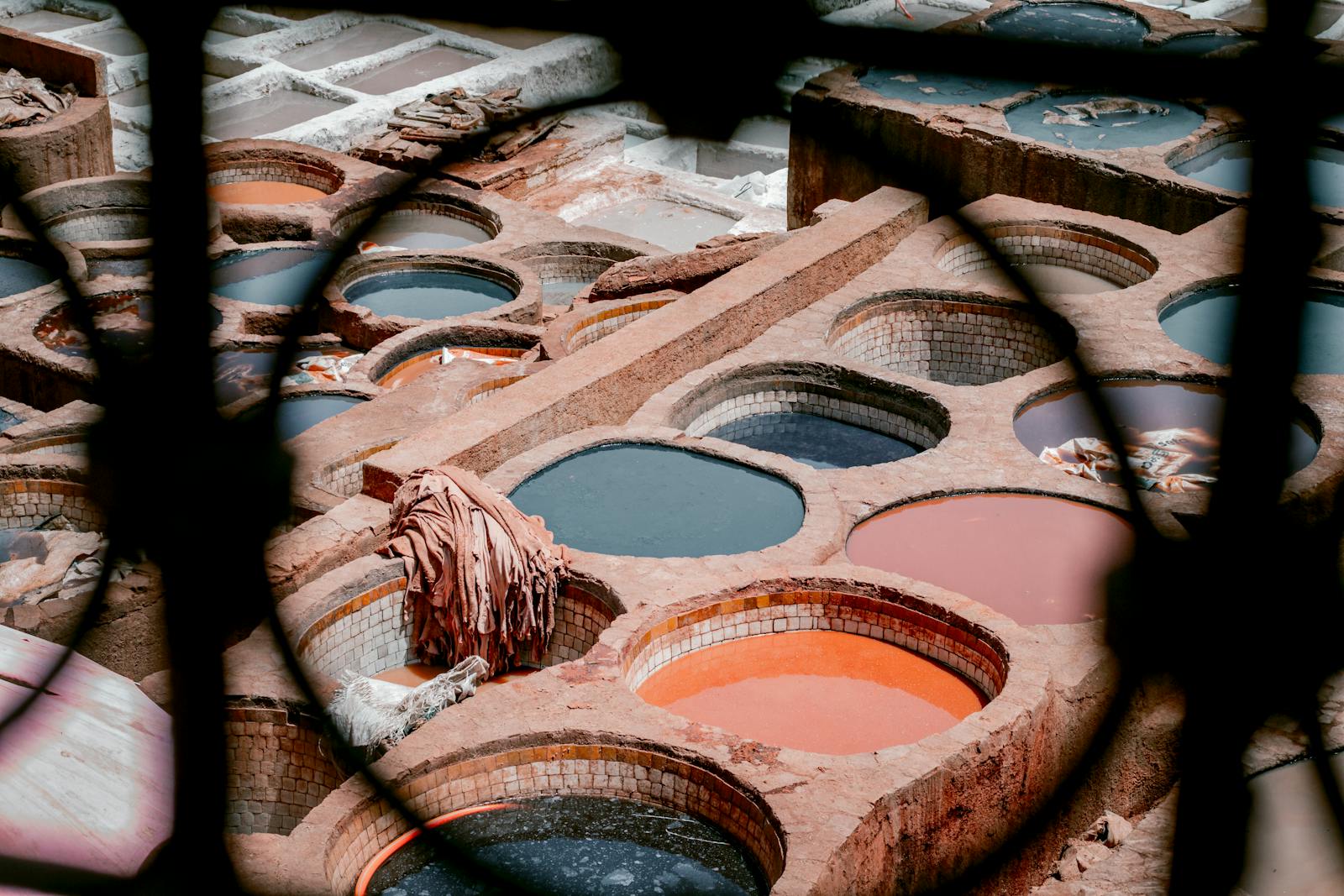
The morning sun casts golden light across the rooftops of Fez’s ancient medina, and somewhere below, in a labyrinth of narrow alleyways, an extraordinary spectacle awaits. Here, artisans continue a craft that has remained virtually unchanged for over a millennium, transforming raw animal hides into supple leather using methods their ancestors perfected centuries ago. This is the Chouara Tannery, Morocco’s most iconic leather-working site and one of the oldest continuously operating tanneries in the world.
For travelers seeking authentic cultural experiences beyond the ordinary tourist trail, the Chouara Tannery in Fez Morocco offers something truly remarkable: a living museum where medieval techniques meet modern commerce, and where the pungent aroma of tradition mingles with the vibrant colors of natural dyes. This isn’t just a photo opportunity though the kaleidoscope of circular stone vats makes for unforgettable images it’s a portal into Morocco’s artisanal soul.
What Is Chouara Tannery in Fez Morocco?
The Chouara Tannery, located in the old quarter Fes el Bali of Fez, is the largest and most famous of the city’s historic tanneries.
Although the precise date of its founding is uncertain, local tradition and historical scholarship suggest that tanning activities in Fez date back to the city’s earliest centuries.
Over time, Chouara became emblematic of Morocco’s leather‑making heritage a craft that helped build the city’s economy and reputation.
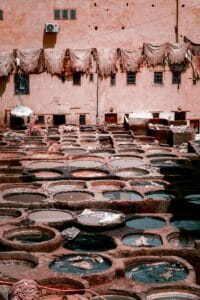
Walking through the narrow lanes toward Chouara Tannery, you will eventually emerge into a large courtyard dotted with stone vats of various colors some creamy white, others glowing terracotta, indigo, saffron yellow, poppy red, or deep brown. These vats, embedded in the ground, are where raw animal hides (goat, sheep, bovine, even camel) are transformed through a centuries-old process of softening, dyeing, and drying all done by hand, without modern machinery.
For travelers, Chouara Tannery is not merely an industrial relic. It is a vivid, living canvas that reveals the soul of Moroccan craftsmanship a place where every sip of culture, every waft of scent, and every glance at colorful vats tells a story of tradition, resilience, and artisanal pride.
How old is Chouara Tannery?
The Chouara Tannery dates to the 11th century, making it over 900 years old. Some historians suggest leather-working at this location might extend even further back, potentially to the 9th century, though the 11th century represents the most commonly cited founding period. Regardless of the exact date, it ranks among the oldest continuously operating tanneries worldwide.
Understanding the Legacy of Chouara Tannery
A Millennium of Craftsmanship
Dating back to the 11th century, the Chouara Tannery stands as a testament to human ingenuity and cultural preservation. While empires have risen and fallen, and technology has transformed nearly every aspect of modern life, the tanners of Fez continue their work much as their medieval predecessors did. The tannery’s location in the Fes el Bali quarter the oldest walled part of the city and a UNESCO World Heritage Site places it at the heart of Morocco’s cultural identity.
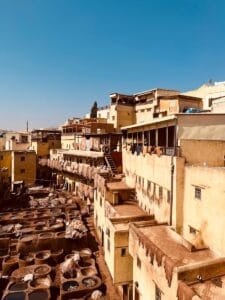
Walking through the narrow streets toward the tannery, you’ll notice the architecture itself tells a story. The buildings surrounding the Chouara Tanneries have been constructed to serve dual purposes: supporting the leather-working process below while providing elevated viewpoints for visitors above. This ingenious design has evolved over centuries, allowing the craft to sustain itself economically while sharing its heritage with the world.
The Art and Science of Traditional Leather Making
What makes the Chouara Tannery in Fez Morocco extraordinary isn’t just its age, but its unwavering commitment to traditional methods. In an era when industrial processes dominate manufacturing, watching artisans work at Chouara feels like witnessing a carefully choreographed dance between man and material.
The transformation begins when raw animal hides primarily from cows, sheep, goats, and camels arrive at the tannery. These hides undergo a multi-stage process that can take several weeks to complete. First, workers submerge the hides in a mixture of quicklime, water, and pigeon droppings. Yes, you read that correctly. The ammonia from pigeon excrement acts as a natural enzyme, breaking down stubborn proteins and loosening hair and remaining flesh from the hide.
After this initial cleaning phase, which can last up to three days, the hides move to the dyeing vats those iconic circular pools that have made the Chouara Tannery photos famous worldwide. Each vat contains natural dyes derived from plants, minerals, and other organic sources. Saffron produces warm yellow tones, poppy and henna create vibrant reds and oranges, indigo yields deep blues, and mint generates lush greens. The tanners wade waist-deep into these dyes, manually working the leather to ensure even color penetration.
The physical demands of this work cannot be overstated. Tanners spend hours standing in dye vats, using their hands and feet to manipulate heavy, waterlogged hides. The work is passed down through families, with sons learning the trade from fathers, maintaining techniques refined over countless generations.
Planning Your Visit to Chouara Tannery
When to Experience the Tannery at Its Best
Timing significantly impacts your experience at the Chouara Tannery Fes. While the tannery operates year-round, certain seasons offer distinct advantages for visitors.
Spring (March to May) emerges as the ideal period for most travelers. Temperatures hover comfortably between 15°C and 25°C (59°F to 77°F), making the medina’s narrow streets pleasant to navigate. The tannery’s intense odors an unavoidable aspect of traditional leather processing remain noticeable but manageable during these months. Spring also brings blooming flowers throughout Fez, creating a beautiful contrast to the earthy tones of the old medina.
Autumn (September to November) presents another excellent window. After the scorching summer heat subsides, Fez experiences a second comfortable season. The crowds thin slightly compared to spring, potentially offering a more intimate viewing experience. The golden autumn light creates particularly stunning conditions for photography, illuminating the Chouara Tannery Morocco dye vats with warm, rich tones.
Summer (June to August) poses challenges that adventurous travelers should consider carefully. Temperatures regularly exceed 35°C (95°F), and the combination of heat with the tannery’s distinctive smell can be overwhelming. However, if summer represents your only opportunity to visit, schedule your tannery tour for early morning, ideally before 10 AM. The workers begin their day at sunrise, and you’ll witness peak activity while avoiding the afternoon heat.
Winter (December to February) brings cooler temperatures and occasional rain. While these conditions make the smell more bearable, wet weather can complicate navigation through the medina’s slippery cobblestone streets. The tannery remains operational, though work may occasionally pause during heavy rain.
Book a guided tour of Fez’s medina that includes extended time at the tannery, leather workshop visits, and shopping assistance from local experts who ensure you find authentic, quality pieces. Contact us to plan your personalized Moroccan adventure, where ancient traditions meet modern travel comfort.
Navigating Your Tannery Experience
Accessing the Chouara Tannery in Fez Morocco requires either excellent navigation skills or, more realistically, assistance from someone who knows the medina’s intricate network of passages. The tannery doesn’t have a street address in the conventional sense—it exists within the organic urban fabric of the old city, where landmarks and relationships matter more than numbered buildings.
The Balcony Viewpoint Experience
The most popular way to observe the Chouara Tanneries Fes involves climbing to elevated leather shops surrounding the tannery courtyard. Multiple shops offer balcony access, typically in exchange for browsing their merchandise afterward. While some shops request a small fee (usually 10-20 dirhams), most simply hope you’ll appreciate their leather goods enough to make a purchase though buying is never mandatory.
From these balconies, the full scope of the tannery unfolds below. The stone vats, arranged in honeycomb patterns, create an almost abstract composition of circles and colors. Workers move between vats, their movements purposeful despite the apparent chaos. This bird’s-eye perspective allows you to appreciate the scale and organization of an operation that has remained fundamentally unchanged for centuries.
Most shopkeepers will offer you a sprig of fresh mint when you arrive. Accept it gratefully. Holding the mint near your nose helps mask the strong ammonia smell, making your viewing experience considerably more comfortable. Don’t feel embarrassed even locals use this trick.
Guided Exploration
Hiring a local guide transforms a simple viewing into a comprehensive cultural education. Knowledgeable guides can explain the nuances of each tanning stage, identify which dyes create which colors, and share stories about the families who have worked at the Chouara Tannery for generations. They’ll also navigate the medina’s confusing passages efficiently, preventing the frustration of getting lost in the souks.
Guides typically charge between 250-300 dirhams for a few hours, though prices vary based on group size and tour extent. Many travelers find this investment worthwhile, as guides provide context that photographs simply cannot capture. They can also facilitate respectful interactions with tanners if you wish to ask questions or learn more about their daily work.
Independent Exploration Considerations
If you prefer exploring independently, download an offline map of Fez’s medina before your visit, as GPS signals often fail among the narrow, covered passages. Ask directions frequently Moroccans generally love helping visitors, and “Chouara” is well-known enough that most residents can point you in the right direction.
Be prepared for unofficial “guides” who may approach you in the medina, offering to show you to the tannery. Some are genuinely helpful, while others expect substantial payment afterward. Establish clear terms before accepting assistance to avoid uncomfortable situations.
Is photography allowed inside Chouara Tannery?
Photography is permitted and even encouraged from the viewing balconies. The colorful dye vats create one of Morocco’s most photographed scenes. However, be respectful when photographing individual workers always ask permission first and consider offering a small tip if you take numerous photos of specific people.
The Sensory Reality of Visiting
Let’s address the elephant or rather, the smell in the room. Every honest account of visiting the Chouara Tannery must acknowledge its most challenging aspect: the odor. The combination of animal hides, natural ammonia, and dye chemicals creates a powerful, distinctive smell that hits you well before you see the tannery itself.
This isn’t a flaw or something to apologize for it’s an authentic element of the traditional process. Modern leather manufacturing happens in sealed facilities with industrial ventilation. At Chouara, you’re experiencing leather-making as it existed in medieval times, without modern sanitization or odor control.
Most visitors adjust to the smell within minutes, especially with mint assistance. The sensory impact actually enhances the experience’s authenticity, making you appreciate the tanners’ dedication and the premium that genuine, naturally-processed Moroccan leather commands in global markets.
Beyond smell, prepare for intense visual stimulation. The Chouara Tannery photos that populate travel blogs barely capture the vibrancy witnessed in person. The dye vats create a living painting, with colors that shift throughout the day as sunlight angles change. Workers’ movements add dynamic elements, and the whole scene pulses with productive energy.
Book Your Family Adventure Now — Limited Spots Available!
Book Your Family Adventure Now — Limited Spots Available!
The Remarkable Products of Chouara
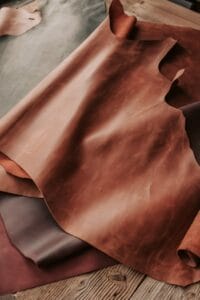
After witnessing the labor-intensive creation process, you’ll better appreciate the leather goods available in the surrounding shops. The leather produced at Chouara Tannery Morocco becomes raw material for countless artisans throughout Fez, who transform it into products ranging from practical to luxurious.
Traditional Moroccan Leather Goods
Babouches (traditional Moroccan slippers) represent perhaps the most iconic leather product. These pointed, backless slippers come in countless colors and decorative styles, from simple everyday designs to elaborately embroidered versions suitable for special occasions. Authentic babouches crafted from Chouara leather mold to your feet over time, becoming increasingly comfortable with wear.
Handbags and travel bags showcase sophisticated craftsmanship. Artisans combine Chouara Tanneries leather with traditional metalwork, creating bags that blend functionality with artistic expression. Look for pieces featuring hand-tooled designs or intricate geometric patterns inspired by Islamic art.
Poufs those round, stuffed leather seats ubiquitous in Moroccan homes make striking home décor statements. Traditional poufs use natural leather colors, though modern variations include dyed versions in virtually any hue. Quality poufs require significant leather and skilled hand-stitching, making them investment pieces that last decades.
Making Informed Purchases
Shopping for leather around the Chouara Tannery in Fez Morocco requires some savvy. Not all products sold near the tannery actually use leather processed there some shops stock mass-produced items from other sources. Here’s how to identify quality:
Smell the leather. Genuine leather processed with natural dyes maintains a distinctive, earthy smell. Synthetic alternatives or chemically treated leather smell plasticky or harsh.
Examine the craftsmanship. Quality pieces feature even stitching, properly aligned seams, and attention to finishing details. Check zippers, clasps, and interior linings.
Ask about the leather’s origin. Reputable merchants proudly explain their leather’s source and processing. Evasive answers may indicate questionable quality.
Negotiate respectfully. Bargaining is expected and often enjoyable, but approach it as cultural exchange rather than combat. Starting at roughly 50-60% of the initial asking price provides a reasonable beginning point.
Remember that authentic, naturally dyed leather goods represent significant value. While prices may seem high compared to mass-market alternatives, you’re purchasing handcrafted items made using millennium-old techniques. These pieces support traditional craftsmanship and carry genuine cultural significance.
Capturing Your Experience
Photography at the Chouara Tannery presents both opportunities and responsibilities. The visual spectacle naturally invites documentation, but ethical considerations deserve attention.
From the balconies, photograph freely. The overall scene with its geometric patterns of circular vats and striking color contrasts makes for compelling images. Early morning or late afternoon light creates particularly dramatic effects, casting long shadows that emphasize the vats’ depth.
Photographing individual workers requires more sensitivity. These men aren’t performers or museum exhibits they’re skilled professionals engaged in demanding labor. If you wish to photograph people, make eye contact, gesture toward your camera, and wait for acknowledgment. Many workers are accustomed to tourist interest and don’t mind being photographed, but always request permission first.
Consider tipping workers if you photograph them extensively. A small amount (20-30 dirhams) shows appreciation for their cooperation and acknowledges that they’ve contributed to your experience beyond their primary work.
Need Help with Transportation in Morocco?
Book a reliable private driver for your Morocco family adventure today – personalized routes designed just for you, and get 30% off as a first-time visitor!
Beyond the Tannery: Exploring Fez’s Leather Quarter
The Chouara Tannery Fes anchors a broader leather-working district worth exploring. Smaller workshops and ateliers fill the surrounding streets, where artisans cut patterns, stitch seams, and add decorative elements to leather products. Walking these passages provides insight into how raw leather transforms into finished goods.
Several smaller tanneries operate in Fez, including the Sidi Moussa Tannery in the Ain Azliten neighborhood. While less famous than Chouara, these alternative sites offer similar processes with fewer crowds. If you’re particularly interested in leather-making techniques, visiting multiple tanneries enriches your understanding of variations in craft and tradition.
The leather quarter also intersects with other traditional crafts. Metalworkers create the brass buckles and decorative elements adorning leather goods. Woodworkers produce the frames for leather-covered furniture. This interconnected network of artisans demonstrates how traditional Moroccan craftsmanship exists as an ecosystem rather than isolated skills.
Practical Visitor Information
Location: The Chouara Tannery sits in Fez’s Fes el Bali quarter, accessible through multiple medina gates. Bab Bou Jeloud provides the most tourist-friendly entry point.
Operating Hours: The tannery operates six days weekly (closed Fridays) from sunrise until early afternoon, typically 8 AM to 3 PM. Activity peaks during morning hours.
Admission: No direct entry fee exists, though balcony access through shops may cost 10-20 dirhams, or merchants may expect you to browse their goods.
What to Bring:
- Comfortable, closed-toe walking shoes (medina streets are uneven)
- Light, breathable clothing (layers work well for varying temperatures)
- Camera with good battery life
- Small bills for tips or purchases
- Hand sanitizer
- Open mind regarding smells
What to Leave Behind:
- Large bags or backpacks (narrow medina passages make them cumbersome)
- Expensive jewelry or electronics that might attract unwanted attention
- Expectations of modern amenities or sanitized tourism experiences
Responsible Tourism at Chouara
Visiting the Chouara Tanneries means engaging with a living workplace, not a heritage theme park. Your presence should support rather than disrupt the tanners’ livelihoods and the craft’s continuation.
Purchase thoughtfully from shops near the tannery. These businesses help sustain the traditional economy that keeps skills like leather tanning alive. While you shouldn’t feel pressured to buy, genuinely appreciating and occasionally purchasing quality goods supports artisan communities.
Respect workers’ space and time. The tanners tolerate tourist observation generously, but they’re working, not performing. Avoid treating them as props or making their labor seem exotic or primitive. What they do requires sophisticated knowledge and considerable physical skill.
Consider the environmental reality. Traditional tanning uses natural materials and avoids industrial chemicals, which sounds environmentally positive. However, the process still produces waste that enters Fez’s water systems. This represents an ongoing challenge for the city and tannery operations. Awareness of these complexities makes you a more informed, conscientious visitor.
The Enduring Significance of Chouara
In our globalized economy, where efficiency and automation dominate manufacturing, places like the Chouara Tannery Morocco represent increasingly rare cultural treasures. They preserve knowledge systems developed over centuries, maintained through apprenticeship rather than formal education, and practiced in communities rather than corporations.
The tannery’s survival into the 21st century isn’t guaranteed. Young Moroccans increasingly pursue careers beyond traditional crafts, drawn by opportunities in cities or modern industries. The work is physically demanding, the pay modest compared to other sectors, and the methods stubbornly resistant to mechanization. Yet the craft persists, sustained by a combination of tourist interest, pride in heritage, and continued demand for quality, traditionally-produced leather.
When you visit, you’re not just observing an interesting process or collecting memorable photographs. You’re participating in an economic and cultural exchange that determines whether these ancient skills continue for another millennium or gradually disappear into history books and museum exhibits.
The Chouara Tannery is More Than a Tourist Attraction
The Chouara Tannery transcends typical tourism categories. It’s simultaneously a working factory, a historical monument, a cultural symbol, and a community economic engine. The vibrant dye vats that captivate Instagram feeds represent centuries of accumulated knowledge about transforming animal hides into one of humanity’s most useful materials.
Your visit connects you to a lineage of craftspeople stretching back through Medieval Islam, across continents and cultures, to humanity’s earliest attempts to make clothing and tools from animal skins. The techniques you witness soaking, cleaning, dyeing, drying echo practices that appear in archaeological sites worldwide, refined and perfected over millennia.
Beyond its historical significance, the tannery offers something contemporary travel often lacks: authenticity without artifice. This isn’t a reconstructed village or a heritage demonstration. Real people perform real work using real traditional methods, producing goods that enter real markets. The smell, the labor, the economic transactions everything about the experience is genuine.
Whether you’re a serious photographer seeking that perfect shot, a culture enthusiast exploring traditional crafts, a shopper hunting for quality leather goods, or simply a curious traveler open to unusual experiences, the Chouara Tannery in Fez Morocco rewards your visit. It demands little from you just an open mind, reasonable tolerance for strong smells, and respect for workers maintaining a millennium-old tradition.
So as you wander Fez’s ancient medina, let your nose guide you toward the leather quarter. Climb those narrow stairs to a sun-washed balcony. Accept the mint sprig with gratitude. And look down upon those circles of color reds and yellows and blues where human hands still shape one of the world’s most enduring crafts, just as they have for over a thousand years.
─── Your questions, our answers.
Frequently Asked Questions
Our dedicated team is here to answer your Morocco Travel questions and ensure a smooth, memorable journey through Morocco.
What are the safety precautions for visiting the tannery?
Wear sturdy, closed-toe shoes to navigate the medina’s uneven cobblestones safely. The mint sprig offered at viewing balconies helps with the strong odors. When climbing to elevated viewpoints, watch for slippery steps, especially if they’re wet. Stay on designated viewing areas rather than attempting to access the tannery floor itself. Hiring a guide enhances both safety and experience quality.
Can I visit the tannery floor where workers are?
Generally, no. The tannery floor remains a working industrial space with slippery surfaces, strong chemicals, and heavy equipment. Tourist access typically restricts to elevated viewing platforms for safety and practical reasons. This restriction protects both visitors and workers while keeping the work area functional.
How long should I plan for a tannery visit?
Most visitors spend 30-45 minutes at the Chouara Tannery in Fez Morocco, including time for observation, photography, and browsing nearby shops. With a guide providing detailed explanations, extend this to 60-90 minutes. Factor in additional time for navigating to and from the tannery through the medina’s passages.

Kate Carter
Family Travel Blogger
Kate Carter is a mom and travel blogger who fell in love with Morocco’s culture and warmth. Through Morocco Family Vacation, she shares tips and stories to help travelers enjoy authentic, stress-free experiences. Join us along the way.
Table of Contents
Our Services
-
Private Family Tours
-
Custom Itineraries
-
Sahara Desert Tours
-
Chefchaouen & Northern Morocco Tours
-
Luxury Desert Camping
-
Multi-Day Tours (2–16 Days)
-
Atlas Mountains Trips
-
Cooking Classes & Market Visits
-
Photography & Heritage Tours
-
Airport Transfers & Private Transport
-
Custom Birdwatching Tour in Morocco
-
24/7 Tour Support & booking Flexibility

At Morocco Family Vacation, we create custom Morocco tour packages designed around your interests and travel style. As a dedicated and independent travel agency, we specialize in private Morocco tours offering memorable desert adventures, cultural experiences, and family friendly itineraries while delivering attentive, personalized service from start to finish.
Popular Tours
Latest Posts





get in touch
#Ait Ben Haddou
#UNESCO World Heritage
#Morocco tours
#movies filmed in Morocco
#Morocco Family Vacation