
Can I Drink the Tap Water in Morocco?
Can I Drink the Tap Water in Morocco? A Real Travel Guide for Families

You land in Casablanca, drag your suitcases into the riad, and a tired five year old immediately asks for water. The sink is right there. Should you fill the cup, or run back downstairs for a sealed bottle? It feels like a small question on day one of a Morocco trip. By day three, after a few stomach scares, families realize how much that small choice actually matters.
So can I drink tap water in Morocco? The short version is that locals do it every day without issues, and the water leaving most treatment plants meets national standards. Visitors, especially families with kids, usually come out ahead by sticking to bottled or filtered water. That gap between the official answer and the practical answer is where most guides lose people.
This article walks you through the real picture. You will find out how Morocco’s water system actually works, which cities are stricter than others, what bottled water brands locals trust, what to pack, and the everyday habits that keep your family’s trip running smoothly without turning every meal into a worry.
Can I Drink the Tap Water in Morocco?
No, we do not recommend drinking tap water in Morocco for tourists. Although tap water is treated and generally safe for local residents, visitors may have different sensitivities to changes in water quality, which can sometimes lead to stomach discomfort.
In major cities such as Marrakech, Casablanca, Rabat, and Fes, tap water is monitored and commonly used by residents. However, for a more comfortable travel experience, we highly recommend drinking bottled water during your stay in Morocco.
Travelers can use tap water for activities such as brushing teeth and washing, but it is best to choose sealed bottled water for drinking. This simple precaution can help visitors enjoy their trip with more peace of mind.
Is Tap Water Safe to Drink in Morocco?
Officially, No. Tap water across Morocco’s main cities is treated to national drinking standards by ONEE, the Office National de l’Électricité et de l’Eau Potable. According to ONEE data confirmed by the World Health Organization, more than 97 percent of urban Moroccans have access to a treated supply. Treatment usually includes chlorination, sedimentation, and filtration before the water leaves the plant.
So can I drink tap water in Morocco as a casual answer to friends back home? Sure, with caveats. The CDC, the UK NHS, and the French Ministry of Foreign Affairs all advise tourists to drink bottled or purified water during their stay. The reasoning is rarely about the treatment plant itself. It is about three things that have nothing to do with the source.
First, older buildings often have aging internal plumbing. A century old riad in the Fes medina has very different pipes than a modern apartment in Casablanca’s Marina district. Second, your digestive system has not had years to adjust to Morocco’s specific microbial fingerprint. Locals build that tolerance over a lifetime. A short term visitor does not. Third, kids react faster than adults to even mild stomach changes, and dehydration in warm weather sets in quickly when a five year old is already off their food.
For a one or two week trip, the math is simple. A 1.5 liter bottle of mineral water costs 3 to 6 MAD, less than 60 US cents. Skipping that to drink straight from the tap saves a few dirhams and risks two days of your holiday. Almost no traveling family makes that trade once they have done the numbers.
How Morocco’s Water System Actually Works
To understand why quality varies between regions, it helps to know where the water comes from in the first place.
Where Your Tap Water Starts
Around 69 percent of Morocco’s freshwater begins in seven major rivers, including the Sebou, the Oum Er-Rbia, and the Tensift. Most of these rise in the Atlas Mountains and feed a network of dams that supplies the cities. The remaining 31 percent comes from groundwater pulled out of regional aquifers.
Rainfall has dropped sharply over the past two decades. Morocco has responded with a major push into seawater desalination, especially along the Atlantic coast. Agadir already runs partly on a desalination plant, and similar facilities are planned or under construction near Casablanca and Dakhla. For travelers, this is good news. Newer plants generally produce more consistent output than older ones.
Who Regulates Drinking Water in Morocco
ONEE is the national body, but day to day delivery is handled by 16 regional authorities and a few private operators. Casablanca, for example, is supplied by Lydec, a subsidiary of the French utility group Suez. All of them are required to meet standards set by Morocco’s Ministry of Public Health, with regular laboratory testing.
The weak point is rarely the treatment plant. It is the last mile, the pipes between the city network and your tap. Heavy rainfall can stress the system briefly, and a damaged pipe in one neighborhood can affect taste or mineral content for weeks. That is the variability bottled water removes from the equation.
Why Locals Drink Tap Water and Travelers Should Not
This is the part most articles skip when explaining whether you can drink tap water in Morocco. The issue is rarely contamination in the technical sense. It is adaptation.
Locals grow up drinking the same water year after year. Their gut microbiome adjusts to the local mineral profile, the chlorine levels, and the small bacterial differences between regions. Their bodies treat it as background noise. Drop the same water into a stomach that has spent its life in Manchester or Minneapolis, and the body sometimes pushes back. Even when the water passes every laboratory test, a sensitive traveler can feel off for a day or two.
Kids feel this faster than adults. A child’s gut is more reactive to new bacteria, and dehydration follows mild stomach issues quickly. That is why families with young children are advised to be stricter than solo backpackers. The cost of caution is a few extra dirhams a day. The cost of getting it wrong can be 48 hours of a family member stuck in the hotel bathroom.
Climate plays a role too. Most travelers arrive in spring or autumn, when temperatures climb and bodies are working harder to stay hydrated. A small stomach upset that you would shrug off at home can land much harder when you are walking 15,000 steps through Marrakech in 32 degree heat. The smart approach is to remove the variable entirely. Drink sealed water. Save your stomach for the food, where the rewards are real and the risks are manageable.
Can I Drink Tap Water in Morocco City by City
Water quality is not uniform across the country, so the answer to “can I drink tap water in Morocco” actually depends on which city you are in. The advisory for tourists is consistent, but the underlying conditions vary. Here is a practical breakdown of the main destinations.
Marrakech
Marrakech tap water is treated and chlorinated, with the medina running on older plumbing than the new town (Gueliz). Hotels in Hivernage and Gueliz typically have decent water pressure and modern systems. Riads inside the medina walls vary widely. Stick to bottled water for drinking, and you will be fine.
Casablanca
The largest city has the most modern infrastructure, run by Lydec under tight regulation. Many long term expats drink filtered tap water in Casablanca without issues. Short term visitors should still default to bottled, especially in older buildings near the Old Medina or Hay Mohammadi.
Fes
Fes has one of the oldest medinas in the world. Some of the plumbing inside the walled city is older than several European countries. Water leaving the plant is fine, water arriving at the tap inside a 16th century riad is anyone’s guess. Drink bottled here without exception.
Tangier and the North
Tangier has received heavy infrastructure investment over the last decade thanks to its role as Morocco’s main link to Europe. The new districts have modern pipes. The medina remains older. Same rule applies.
Agadir, Essaouira, and the Coast
Agadir benefits from the local desalination plant and modern resort infrastructure. Many hotels filter water for guests anyway. Essaouira is older and has a smaller medina with aging pipes. In both cities, sealed bottled water is the easiest call.
Rural Areas, Atlas Mountains, and the Sahara
This is where caution matters most. Rural water often comes from local wells or springs with no formal treatment at all. The Draa Valley around Zagora pulls deep groundwater that can carry elevated fluoride levels. If your itinerary includes Atlas trekking or a Sahara overnight, never drink local water raw. Pack a portable filter, or stock up on sealed bottles before leaving the last town.
Plan Your Family Adventure With Confidence
At Morocco Family Vacation, we build custom private Morocco tours designed around families. That includes child friendly riads with filtered drinking water, trusted local guides who know which restaurants are safe for sensitive stomachs, and itineraries paced for kids rather than guidebooks. From the medinas of Fes to overnight camps in the Sahara, every detail is handled so parents can relax. Plan your family adventure today and travel with people who treat your kids’ wellbeing like their own.
The Best Bottled Water in Morocco and What It Costs
Once you commit to bottled water, the next question is which brand to grab. Morocco has a small, well regulated mineral water market under standard NM 03.7.002. A 1.5 liter bottle costs 3 to 5 MAD in supermarkets like Marjane, Carrefour, BIM, and Label’Vie. The same bottle from a tourist shop in Jemaa el-Fnaa might run 10 to 15 MAD, so stock up at a real supermarket when you can.
Sidi Ali
The national best seller, sourced from a spring in the Middle Atlas. Very low mineralization, neutral taste, available in every corner shop in the country. The default safe choice for kids and anyone with a sensitive stomach. If you only remember one brand name from this article, make it Sidi Ali.
Oulmès
Morocco’s iconic naturally sparkling water, on the market since 1933. Higher mineral content and a lively fizz that pairs well with meals. Excellent for adults but not the right pick for infants or anyone with reflux issues. Order it in restaurants and you will look like a regular.
Other Reliable Brands
Ain Saiss comes from the Saiss plain near Fes and is well distributed in the north. Sidi Hrazem has higher sodium and a thermal origin, fine for healthy adults but skip it for babies. Ain Atlas and Ain Ifrane are lighter, cleaner options that work especially well for travelers recovering from a stomach issue.
A few practical notes. Always check that the bottle’s plastic cap is sealed and untampered. Refilled bottles have been reported in tourist heavy areas, though it is uncommon. Buy from supermarkets and grocery stores rather than informal street vendors when possible.
Ready to Start Your Morocco Journey?
Let us help you design a smooth, affordable, and memorable journey crafted by local travel experts who know Morocco best.
Travel Water Filters That Make Sense for Morocco
If you want to cut down on plastic waste, or you are settling in long enough that the question “can I drink tap water in Morocco safely with a filter” starts to matter, a portable filter pays for itself within a few days.
For most travelers, a LifeStraw Go bottle or a Sawyer Squeeze filter handles bacteria and protozoa from any tap. Pour or drink, and you are covered. GRAYL GeoPress goes one step further by also filtering viruses, which is overkill for Morocco but useful if your trip continues into other countries afterward.
For families who plan to settle into a riad or apartment for a week or more, a basic Brita pitcher (available in larger Marrakech and Casablanca supermarkets) is a low effort upgrade. It improves taste, removes chlorine, and means you are not buying a dozen plastic bottles a day for the kids.
For Atlas trekking specifically, water purification tablets like Aquatabs or Micropur Forte are the lightest backup option. They taste a little like a swimming pool and take 30 minutes to work, but they take up no space in a hiking pack.
The honest tradeoff: filters cost 30 to 90 dollars upfront, bottled water costs cents per liter. For a one week trip, sealed bottles win on convenience. For a two week trip with rural stops, a filter starts to look smart. For families doing repeat Morocco trips, a filter is the obvious call.
Can I Brush My Teeth With Tap Water in Morocco?
This is one of the most searched follow up questions, and the answer depends on who is brushing.
- Adults with normal stomachs: brushing teeth with tap water in any major Moroccan city is generally fine. The amount of water actually swallowed is tiny, and most travelers do this without issues. The CDC technically advises bottled water even for brushing, but in practice the risk is low for healthy adults.
- Kids and sensitive travelers: use bottled water. A 500 ml bottle on the bathroom shelf lasts two or three days for brushing and rinsing, costs less than a dollar, and removes the variable entirely. Children swallow more water during brushing than they realize, and toddlers often do not rinse and spit cleanly.
- Anyone with a compromised immune system: stick to bottled water without exception. This includes pregnant travelers, anyone on chemotherapy, people with IBD, and anyone recovering from recent illness.
The simplest family rule: keep two sealed bottles next to the bathroom sink, one for adults to refill cups and one for kids. Replace daily. Done.
Water Risks That Catch Families Off Guard
Most travel stomach problems do not come from drinking a full glass of tap water. They come from small, unnoticed exposures. Here is where families most often slip up.
Ice in Drinks
Ice is often made from tap water, even in nice restaurants. In four and five star hotels, ice is usually filtered. In small cafes, beach shacks, and street stalls, assume it is not. When ordering juice or soft drinks for the kids, ask for bidoun talj (Arabic for “no ice”) or sans glaçons in French. Most servers respond instantly without question.
Salads and Raw Fruit
Restaurant salads in good places are usually fine. The risk shows up with raw produce washed in tap water at smaller stalls, especially the pre cut fruit cups sold in tourist areas. Fruit you peel yourself, like oranges, bananas, or mandarins, is always safe. Cooked Moroccan vegetable dishes like zaalouk (cooked aubergine) and taktouka (cooked tomato and pepper) are excellent and risk free options.
Moroccan Mint Tea (Atay)
Mint tea is brewed by boiling water with green tea and fresh mint. The boiling step kills the bacteria that worry travelers, so atay in any reputable cafe or hotel is safe. The risk is not the tea itself but the glass it is served in, which may have been rinsed in tap water. In nicer venues this is irrelevant. In street stalls, ask for a fresh dry glass if you are sensitive.
Decorative Medina Fountains
Old fountains called sebil are scattered throughout Moroccan medinas. They are heritage features, not part of the modern drinking water network. Children will be drawn to them. Keep them looking, not drinking.
How to Avoid Getting Sick in Morocco
Beyond the basic question of can I drink tap water in Morocco, a few habits keep most families healthy. None of these require obsessive hygiene. They just remove the obvious traps.
- Eat where the locals eat. Busy restaurants and stalls with high turnover have fresher food and faster ingredient rotation. Empty restaurants are empty for a reason.
- Choose hot, freshly cooked food. Tagine arriving at your table at near boiling temperatures is one of the safest meals in the world. Buffet items that have been sitting out for an hour are not.
- Pack ORS sachets. Oral Rehydration Salts are sold cheaply at every Moroccan pharmacy, but it is easier to pack a small box from home so you have them the moment you need them. They are the single most useful item in a family travel medical kit for this region.
- Consider probiotics. Some travelers swear by starting a probiotic supplement two weeks before the trip and continuing through it. The evidence is mixed but the downside is minimal. For families that have had stomach trouble on past trips, it is worth a try.
- Wash hands often. This is more important than the water you drink. Use hand sanitizer before meals when soap is not available, especially after handling money, which is one of the dirtiest things you will touch all day.
- Ease into the food. Day one is not the time to introduce a six year old to spicy harira soup, fresh oysters in Essaouira, and a camel milkshake all at once. Build up gradually.
What to Do If You Accidentally Drink Tap Water
This happens to almost every family at some point, even those who carefully planned around the question of can I drink tap water in Morocco. A kid drinks from the wrong glass at breakfast, a spouse rinses the toothbrush and uses the same water to take a sip. Do not panic.
A single small exposure to treated Moroccan tap water is unlikely to cause anything serious in a healthy person. Most travelers who experience symptoms get them within 6 to 48 hours. Typical issues include loose stools, mild nausea, or stomach cramping. These usually resolve within one to five days without treatment.
If symptoms appear, the playbook is simple. Hydrate aggressively with sealed bottled water and ORS. Avoid heavy or fatty foods for 24 hours. Stick to plain bread, bananas, rice, and clear soup. Most Moroccan pharmacies stock antidiarrheal medication like loperamide if you need it for a long bus or train day, though letting the body clear the bug naturally is usually better.
See a doctor if symptoms last more than five days, if there is blood in the stool, if the affected person has a high fever, or if a young child is showing signs of dehydration, including dry mouth, no tears when crying, or unusual drowsiness. Pharmacies in Morocco are excellent and pharmacists often speak French and basic English. Many can advise on whether you need a clinic visit or whether something over the counter will handle it.
Useful Arabic and French Phrases for Water Safety
A few words go a long way when you are navigating the question of can I drink tap water in Morocco at restaurants and cafes. Moroccans appreciate any effort with Arabic or French, and these phrases are easy to remember.
- Mineral water: miah ma’daniya (Arabic) or eau minérale (French)
- No ice please: bidoun talj, afak (Arabic) or sans glaçons, s’il vous plaît (French)
- Tea with mineral water: atay b’l-ma ma’dani (popular request in cafes)
- Sealed bottle: qarura mghalqa (Arabic) or bouteille scellée (French)
- Drinking water: ma’a salih li shorb or look for eau potable signs at filling stations
Hotels and riads almost always understand a polite request for filtered or bottled water at meals. The phrase eau filtrée or simply pointing at a sealed bottle works in any restaurant in the country.
Need Help with Transportation in Morocco?
Book a reliable private driver for your Morocco family adventure today – personalized routes designed just for you, and get 30% off as a first-time visitor!
Quick Takeaways
- Can I drink tap water in Morocco? Officially no, tourist should not drink tap water in Morocco. Stick with bottled.
- Bottled water costs 3 to 6 MAD per 1.5 liter at supermarkets like Marjane and BIM.
- The most trusted national brand is Sidi Ali, with Oulmès the go to sparkling option.
- Avoid ice in drinks at small cafes and street stalls, ask for bidoun talj.
- Use bottled water for brushing teeth if you have kids or a sensitive stomach.
- Skip raw salads and pre cut fruit at informal venues, choose cooked dishes or fruit you peel yourself.
- Pack ORS sachets and consider a portable filter for rural and Atlas itineraries.
- A single accidental sip is rarely serious, hydrate and rest if symptoms appear.
Conclusion
So can I drink tap water in Morocco? The fair answer for a visiting family is no, with no real downside to playing it safe. The water is treated and meets official standards, but a short trip is not the time to test how your stomach handles a new microbial environment. The cost of bottled water is so low that the math always favors caution. A few dirhams a day buys you peace of mind across the entire trip.
The bigger picture is that water is one small piece of a Morocco trip with kids. The food, the people, the medinas, the desert nights, those are what your family will remember. Handling the water question well, by buying Sidi Ali at the supermarket, asking for bidoun talj ( without ice) at lunch, and packing a small bottle of bottled water for brushing teeth, frees you up to focus on everything else.
At Morocco Family Vacation, we build custom private Morocco tours designed around real families with real concerns like this one. From kid friendly riads with filtered drinking water to trusted local guides who know exactly where to eat with sensitive stomachs, every detail is taken care of. Plan your family adventure today and discover Morocco the way it is meant to be experienced, with no stress and no guesswork.
─── Your questions, our answers.
Frequently Asked Questions
Our dedicated team is here to answer your Morocco Travel questions and ensure a smooth, memorable journey through Morocco.
Is it safe to brush teeth with tap water in Morocco?
Adults with normal health usually brush teeth with tap water in major Moroccan cities without any issue. For children, anyone with a sensitive stomach, or pregnant travelers, using bottled water for brushing is the safer call. Keep a 500 ml sealed bottle on the bathroom shelf and use it for both brushing and rinsing. The cost is minimal, and it removes the most common small exposure that catches families off guard.
How to avoid getting sick in Morocco?
The basics work well here. Drink sealed bottled or filtered water, avoid ice at small stalls, choose busy restaurants with high turnover, eat hot freshly cooked food, peel your own fruit, and wash hands before meals. Pack ORS sachets from home and take it slow with new foods on day one. Most travelers who follow these habits enjoy the food and culture without any issues at all.
Is it okay to drink tap water in big cities like Marrakech?
Many locals do, but travelers often prefer bottled water to avoid stomach issues.
What is the best bottled water in Morocco for families?
Sidi Ali is the most widely recommended option for families. It comes from a Middle Atlas spring, has very low mineralization, a neutral taste, and is sold in every supermarket and corner shop in the country. Ain Ifrane is another strong choice for sensitive stomachs. For sparkling water at meals, Oulmès has been the national favorite since 1933.
Can I drink tap water in Morocco's hotels and riads?
we don’t recommend it but Most four and five star hotels filter their drinking water for guests, and many riads provide filtered or bottled water in rooms. The water that comes out of the hotel tap is the same as the city supply, so the same rules apply. Use it for showering and washing, and reach for sealed bottles or the filtered carafe in the room for drinking.

Kate Carter
Family Travel Blogger
Kate Carter is a mom and travel blogger who fell in love with Morocco’s culture and warmth. Through Morocco Family Vacation, she shares tips and stories to help travelers enjoy authentic, stress-free experiences. Join us along the way.
Table of Contents
Our Services
-
Private Family Tours
-
Custom Itineraries
-
Sahara Desert Tours
-
Chefchaouen & Northern Morocco Tours
-
Luxury Desert Camping
-
Multi-Day Tours (2–16 Days)
-
Atlas Mountains Trips
-
Cooking Classes & Market Visits
-
Photography & Heritage Tours
-
Airport Transfers & Private Transport
-
Custom Birdwatching Tour in Morocco
-
24/7 Tour Support & booking Flexibility
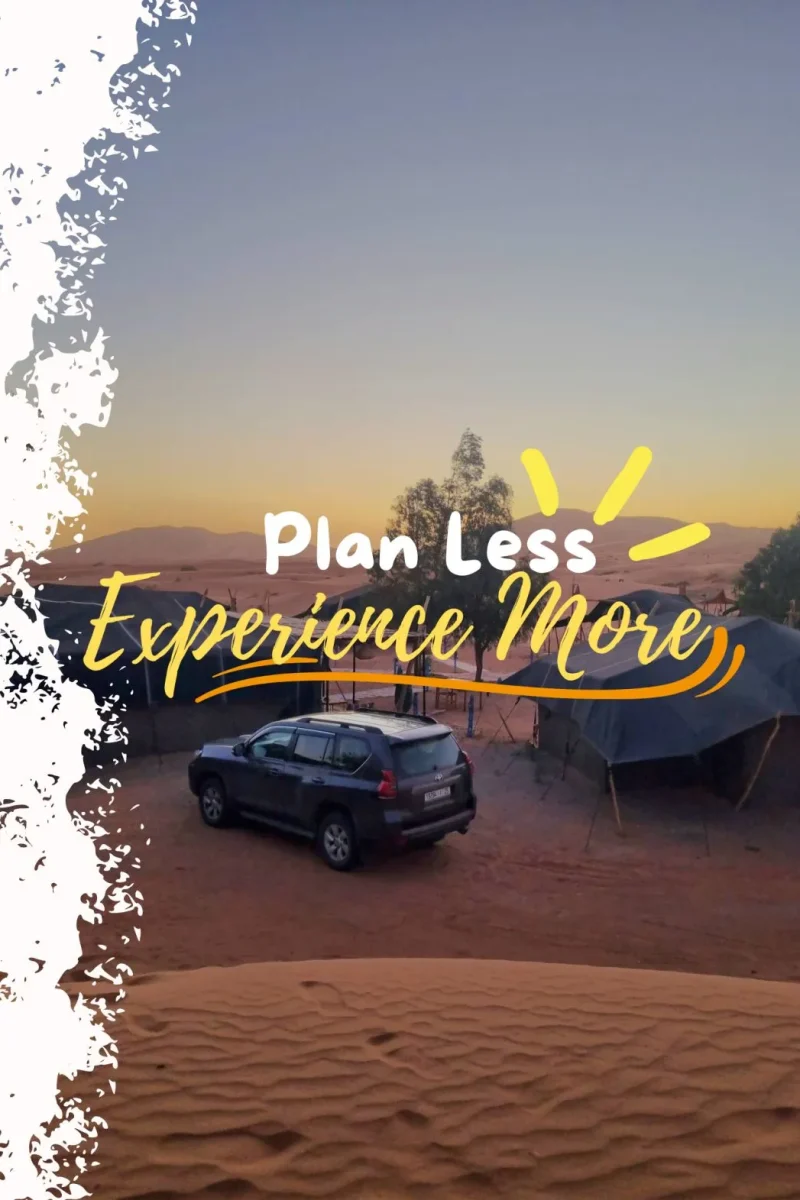
At Morocco Family Vacation, we create custom Morocco tour packages designed around your interests and travel style. As a dedicated and independent travel agency, we specialize in private Morocco tours offering memorable desert adventures, cultural experiences, and family friendly itineraries while delivering attentive, personalized service from start to finish.
Popular Tours
Latest Posts


#Morocco in February
#Morocco weather in February
#February temperatures in Morocco
#Weather in Morocco in February
#Morocco travel guide February