
Is Driving in Morocco Safe for Families?
A Complete Family Guide to Moroccan Rail Travel
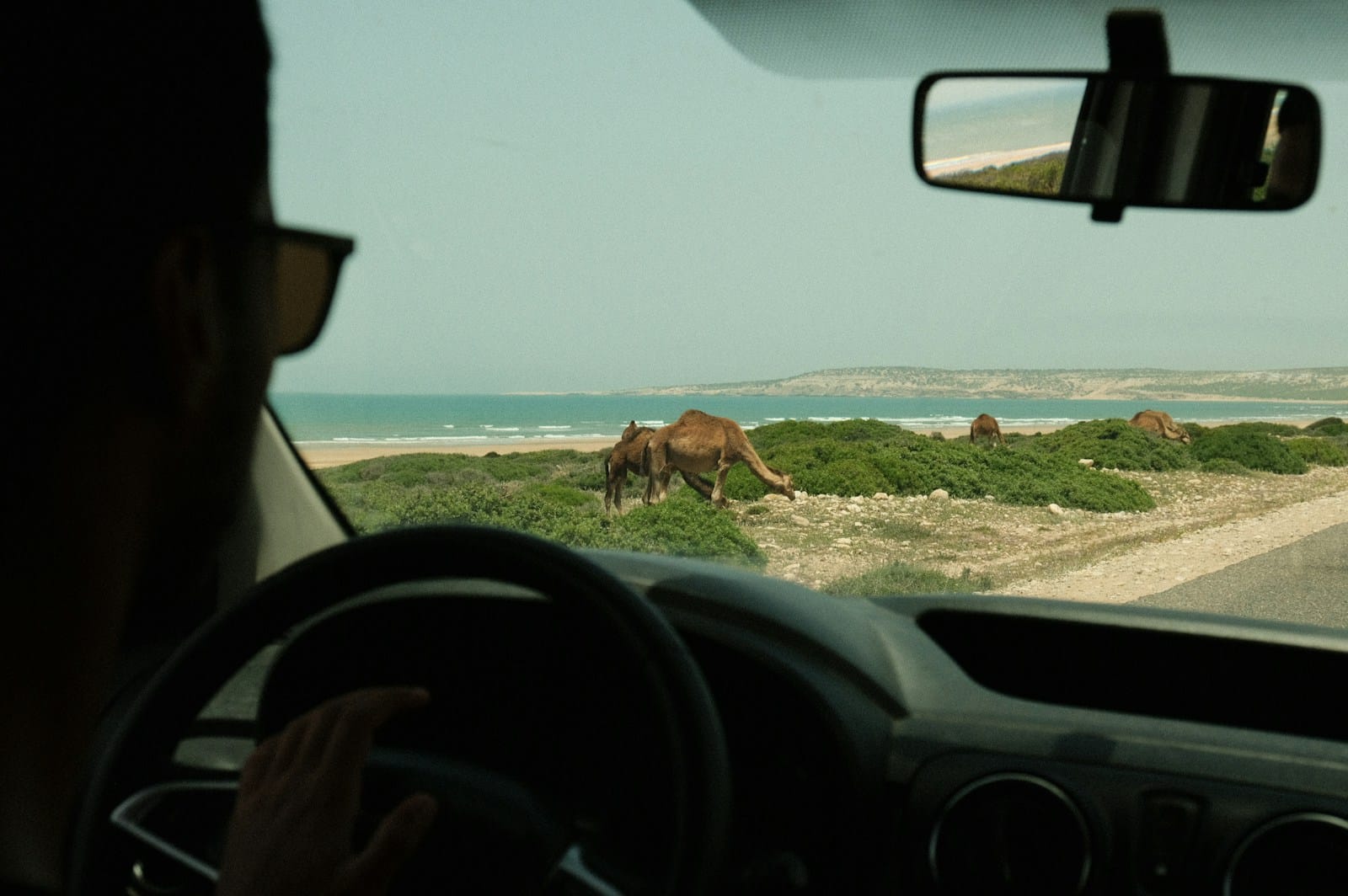
Driving in Morocco can be an incredibly rewarding way for families to explore this diverse and vibrant country at their own pace. From the sweeping coastal highways to the dramatic landscapes of the Atlas Mountains and the vast stretches of desert, self-driving allows you to customize your itinerary and experience authentic local culture up close. At the same time, parents understandably ask: Is Driving in Morocco Safe for Families? With unique traffic patterns, varying road conditions, and occasional unpredictability, understanding safety realities is essential before you take the wheel.
This comprehensive guide answers that question with practical information designed specifically for family travelers. You’ll learn about Moroccan road conditions, local driving behavior, legal requirements for drivers and passengers, specific safety considerations for families and children, and how to prepare for a self-drive adventure with confidence. We cover urban traffic realities, rural and mountainous routes, vehicle choice, roadside emergency plans, and alternatives to driving when appropriate. By the end of this article, you’ll have the insight you need to decide whether driving in Morocco fits your family’s comfort level and how to make it as safe and enjoyable as possible.
- Explore Morocco with your kids stress-free! Private transport, kid-friendly hotels, and safe meals included. Plan Your Family Tour
- Experience the Atlas Mountains and Sahara Desert with hands-on fun for kids and comfort for parents. Customize Your Adventure
- Enjoy Morocco’s coasts and cities at a calm pace. Perfect for families with young children. Book Your Relaxed Tour
Road Network & Vehicle Safety in Morocco
Morocco has invested significantly in its road infrastructure, with a network of modern autoroutes (toll highways) linking major cities such as Casablanca, Rabat, Marrakech, Fes, and Tangier. These main highways are generally well-maintained, surfaced, and signposted in both Arabic and Latin script which helps foreign drivers navigate more easily.
However, road quality varies significantly outside the main highways. Secondary and rural roads especially in mountainous areas like the Atlas or Rif Mountains can be narrow, winding, and poorly lit, with sharp bends or sometimes unpaved sections. These features require greater attention and slower speeds, especially when traveling with children.
From a safety perspective, traffic accidents are a leading transport risk in Morocco, and the road fatality rate is higher than in Western Europe or North America. Patterns of risky driving behavior (e.g., sudden lane changes, unpredictable overtaking) contribute to that elevated risk.
For families, that means road awareness and defensive driving techniques are essential not only adherence to posted speed limits but also preparation for unexpected hazards
Understanding Moroccan Driving Culture
Driving behavior in Morocco can feel different from what many foreign families are used to. In urban areas, traffic can be chaotic. Roundabouts, one of the most common traffic controls, may not operate exactly as Western drivers expect with some local drivers entering and exiting unpredictably.
In cities like Marrakech, Casablanca, Tangier, and Fes, drivers may frequently stop spontaneously, honk horns as a communication tool, and navigate without strict lane discipline. This can be stressful for any driver, but especially challenging for families unused to this style.
On rural and intercity roads, traffic tends to be less crowded but you might encounter animals (donkeys, goats, camels), pedestrians, and slow-moving vehicles without warning so maintaining a slower pace and heightened alertness is crucial.
Overall, many visitors describe Moroccan driving culture as adaptively unpredictable. With care and familiarity, it becomes manageable; without caution, it can feel overwhelming.
Is it safe for Americans to drive in Morocco?
Yes, it is generally safe for Americans to drive in Morocco, especially on main highways and well-traveled routes. Roads connecting major cities such as Marrakech, Casablanca, Rabat, and Fes are in good condition. Like many countries, driving requires extra awareness due to local driving habits, but tourists who drive cautiously and follow road rules usually have no issues.
Road Conditions Across Regions
City Streets & Urban Areas
In major cities, road density, pedestrians, local taxis, scooters, and market stalls can make driving feel intense. In fact, many travelers find city driving stressful enough that they recommend parking outside the city center and proceeding on foot or by taxi instead of navigating inner streets.
Traffic lights and rules exist, but local interpretation of signals can vary so defensive awareness is essential. Pedestrians frequently cross outside crosswalks, and motorcycles may share narrow lanes.
Highways (Autoroutes)
Highways connecting major cities are among the safest places to drive in Morocco. They are well-maintained, usually clean, and clearly speed-limited (around 120 km/h), with occasional police speed traps.
For families, highways offer the best combination of predictability, good surfaces, and less erratic local driving provided you stay alert to changing weather and occasional debris.
Rural & Mountain Roads
Away from cities, roads can quickly shift from smooth asphalt to narrow passages with limited signage or guardrails. Mountain passes are beautiful but demand careful handling and slower speeds, especially with children on board.
In rural areas, lighting is minimal after sunset, which increases risk especially near villages where pedestrians and animals may share the road.
How difficult is it to drive in Morocco?
Driving in Morocco ranges from easy to challenging depending on location. Highways and rural roads are generally easy to navigate, while city driving especially in Marrakech or Casablanca can feel hectic due to traffic, scooters, and pedestrians. For first-time visitors, city driving may take time to adjust.
Family-Focused Safety Considerations
Child Seats & Safety Restraints
Morocco mandates seatbelt use for all occupants and requires child seats for younger children. However, rental companies may not always have appropriate child safety seats available, so many travel experts recommend families bring their own from home.
Children under 40 lbs should ride in appropriate car seats or boosters, and children over that should wear seat belts in the back seat, which is statistically the safest position for young passengers.
Night Driving with Kids
Moroccan roads outside city centers are often poorly lit at night, and hazards like livestock, pedestrians or unlit vehicles can be difficult to see. Consequently, it’s generally advised to avoid night driving altogether when traveling with families.
Rest Stops & Breaks
Long drives common when visiting desert areas or mountain passes require planning. Bring ample water, snacks, and plan for rest stops to keep children comfortable and alert. Rural towns along major routes often have basic amenities, but spacing can be wide between gas stations and services.
Do I need to bring my own car seat to Morocco?
Child safety seat use isn’t strictly enforced in Morocco, and many local taxis or drivers won’t provide one. If you’re renting a car, most rental companies offer car seats for an extra fee but availability can be limited, and quality varies.
To be safest and most comfortable:
Bring your own car seat if possible (especially for infants and toddlers).
If not, reserve one with your rental car ahead of time to ensure availability.
Are car seats mandatory in Morocco for children?
Car seats are not strictly mandatory in Morocco, but they are strongly recommended for children. Moroccan traffic laws do not clearly enforce compulsory child car seat use, and enforcement is limited. However, for safety reasons especially for infants and young children using an appropriate car seat is highly advised. Many taxis and private drivers do not provide car seats, and rental cars may only offer them if requested in advance. Families traveling in Morocco are encouraged to use car seats and seat belts at all times, particularly on highways and during long-distance trips.
Is renting a car in Morocco a good idea?
Renting a car in Morocco is a good idea for travelers who want flexibility, especially families planning day trips or traveling between cities. A rental car allows you to explore places like the Atlas Mountains, coastal towns, or desert regions at your own pace. For city-only stays, taxis and private drivers may be more convenient.
Ready to Start Your Morocco Journey?
Let us help you design a smooth, affordable, and memorable journey crafted by local travel experts who know Morocco best.
Is renting a car in Morocco a good idea?
Renting a car in Morocco is a good idea for travelers who want flexibility, especially families planning day trips or traveling between cities. A rental car allows you to explore places like the Atlas Mountains, coastal towns, or desert regions at your own pace. For city-only stays, taxis and private drivers may be more convenient.
Do I need an international driving license to drive in Morocco?
An International Driving Permit (IDP) is not mandatory for most US travelers in Morocco, but it is recommended. Some rental agencies may ask for it, and it can help in case of police checks or insurance claims.
What are the speed limits and traffic laws in Morocco?
Speed limits in Morocco are clearly marked and enforced, especially with speed cameras on highways. General limits are 60 km/h in cities, 100 km/h on national roads, and 120 km/h on highways. Seat belts are mandatory for all passengers, mobile phone use while driving is prohibited, and speeding fines are common. Police may issue on-the-spot fines, so following traffic laws closely is important.
Legal Requirements & Documentation
Before you drive in Morocco, make sure you have:
A valid driver’s license and, if applicable, an International Driving Permit (recommended for non-Moroccan licenses).
Vehicle registration, proof of insurance, and passport in the vehicle at all times.
Knowledge that police checkpoints are common both on highways and near cities so keep all documentation accessible.
Morocco strictly enforces laws against using a mobile phone while driving, requiring hands-free systems only. Drink-driving limits are very low, effectively close to zero.
Common Driving Hazards in Morocco
Traffic Behavior
Traffic accidents are frequent enough that they appear in official travel advisories; local driving behavior can contribute to unpredictability, such as sudden lane changes and disregard for signals.
Pedestrians & Animals
In both city and rural settings, pedestrians cross unexpectedly and animals including livestock and stray dogs may wander onto roadways. These require constant vigilance, especially on country roads.
Weather & Seasonal Challenges
In rainy seasons, flash flooding in low-lying rural areas can wash away sections of roads or make surfaces slippery. This is another reason why daytime driving is safer for families than night travel.
Practical Road Trip Tips for Families
Drive Defensively
Expect local drivers to behave unpredictably and be prepared to slow down or yield when necessary.
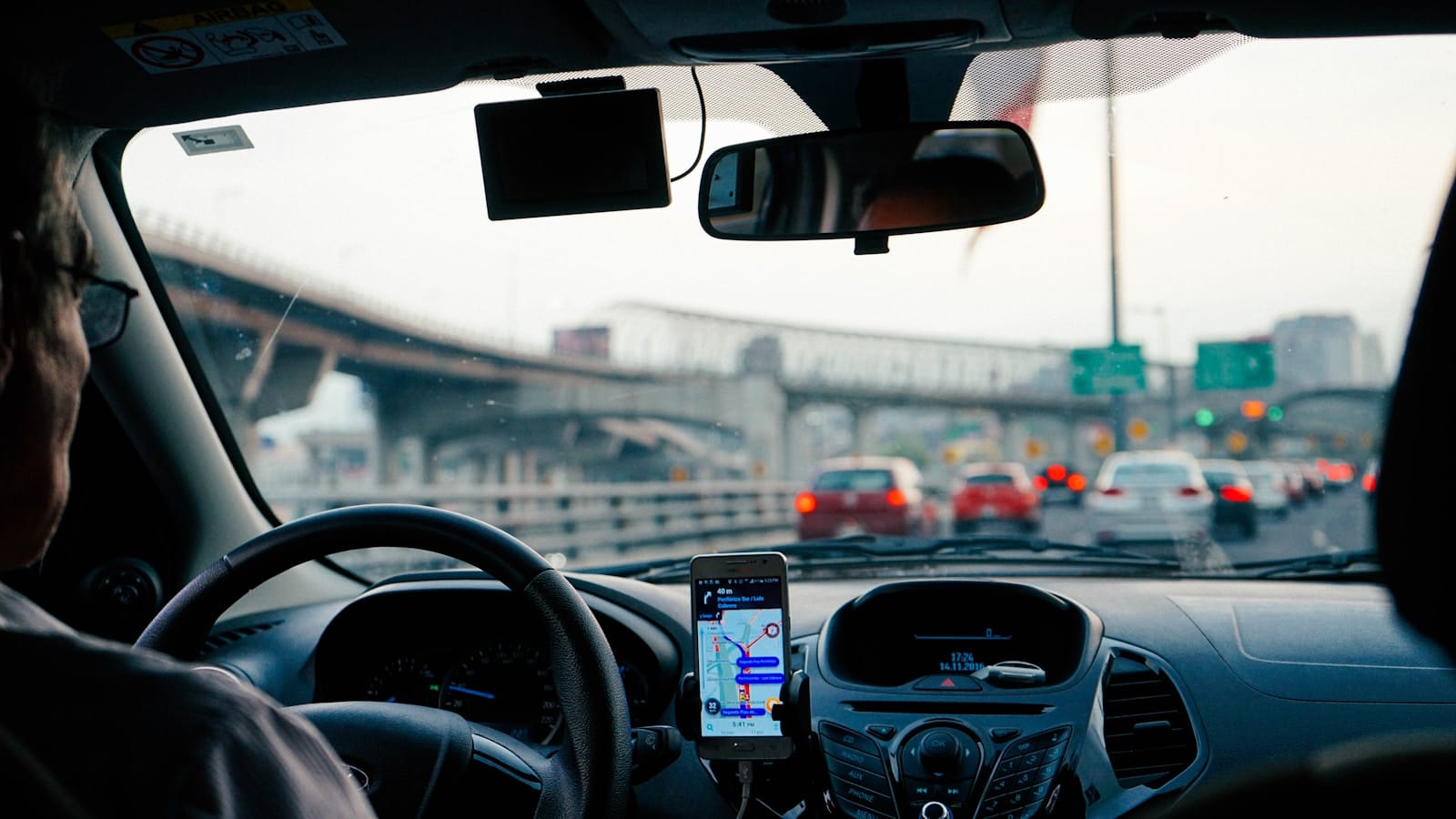
Use Reliable Navigation
GPS, offline maps, and local signage will help keep your journey on track. Planning your route ahead for fuel and rest stops is particularly important in rural or desert regions.
Seat Belts & Safety First
Always ensure seatbelts are fastened for every family member even if it’s common for local drivers to be lax about it. This significantly reduces risk in case of sudden stops or collisions.
Secure Valuables
In urban parking or rest stops, keep valuables out of sight to avoid opportunistic theft though such crime is not frequent, it is wise to be cautious.
How are police checkpoints in Morocco?
Police checkpoints are common in Morocco and are generally routine and professional. Tourists may be stopped to check driver’s licenses, passports, or vehicle documents. These checkpoints are normal, especially on highways and between cities, and usually take only a few minutes. Staying calm, polite, and cooperative makes the process smooth.
Emergency Planning & Roadside Assistance
Families should prepare an emergency kit including:
First-aid supplies
Water and snacks
Flashlight and basic tools
Phone chargers and local SIM or roaming capability
Know emergency numbers: Police (190), Ambulance (150), Fire (150).
Arranging roadside assistance through your car rental provider adds another layer of safety especially in remote regions where help can be slow to arrive.
Need Help with Transportation in Morocco?
Book a reliable private driver for your Morocco family adventure today – personalized routes designed just for you, and get 30% off as a first-time visitor!
Alternatives to Self-Driving
If self-driving feels too daunting:
Private Drivers or Tours
Hiring a local driver or arranging a family-friendly guided tour removes the stress of maneuvering unfamiliar roads.
Public Transport
Trains and buses connect major cities safely and comfortably, though schedules may limit flexibility.
These options allow you to enjoy Morocco with less pressure behind the wheel.
Key Takeaways
Driving in Morocco can be safe for families, provided you plan ahead, drive defensively, and avoid night travel.
Road conditions vary from excellent highways to narrow rural roads know what to expect in each region.
Child safety seats may be limited locally, so bringing your own is wise.
Urban driving is best avoided or undertaken with patience ,rural and highway driving is smoother.
Legal and safety preparations—from proper documentation to emergency kits greatly improve confidence and security.
Conclusion
So, Is Driving in Morocco Safe for Families? It can be, with careful preparation and awareness. Morocco’s road network supports family travel, but local driving culture, variable road conditions, and occasional hazards make defensive driving a necessity rather than an option. Families who take the time to understand documentation requirements, carry appropriate safety gear for children, plan routes thoughtfully, and choose driving times wisely (favoring daylight) will find Moroccan roads a rewarding and efficient way to explore this stunning country.
Whether you choose to drive yourself or opt for transport alternatives, keep your family’s safety at the forefront of your itinerary planning. With the right mindset and precautions, Morocco can be an exceptionally memorable family road trip destination rich in scenery, culture, and adventure.
─── Your questions, our answers.
Frequently Asked Questions
Our dedicated team is here to answer your Morocco Travel questions and ensure a smooth, memorable journey through Morocco.
Are Moroccan roads good or bad?
Moroccan roads are generally good, especially highways and main roads connecting major cities, which are modern and well maintained. Rural and mountain roads can be narrower and less predictable, with occasional livestock or slow vehicles. City driving can be busy, but overall road quality is suitable for tourists who drive cautiously.
Can tourists rent and drive a car in Morocco easily?
Yes, renting and driving a car in Morocco is easy for tourists and a popular option for those wanting independence. While city traffic may feel hectic at first, highways and long-distance routes are manageable. For families or travelers planning multiple stops, renting a car is often convenient and cost-effective.
Are child safety seats available for rent in Morocco?
They may be limited or unavailable locally, so bringing your own child seats from home is often advisable.
Is it safe to drive at night with family in Morocco?
Night driving, especially outside urban areas, is not recommended due to poor lighting and unexpected obstacles.
What documents should I keep accessible when driving in Morocco?
Keep your driver’s license, International Driving Permit, vehicle registration, insurance papers, and passport within easy reach.
Can you drive in Morocco as a tourist?
Yes, tourists are allowed to drive in Morocco. As long as you have a valid driver’s license, passport, and insurance from the rental company, you can legally drive throughout the country. Following local traffic laws and driving defensively ensures a smooth experience.
Can women drive in Morocco?
Yes, women can drive in Morocco, women are legally allowed to drive in Morocco, including female tourists. There are no restrictions based on gender, and women can use a valid foreign driver’s license (such as a US or EU license) to drive and rent cars. It is common to see women driving in cities, towns, and on highways. While traffic in large cities can be busy, driving in Morocco is generally safe for women who follow basic precautions, such as driving defensively and avoiding night driving in unfamiliar areas.

Kate Carter
Family Travel Blogger
Kate Carter is a mom and travel blogger who fell in love with Morocco’s culture and warmth. Through Morocco Family Vacation, she shares tips and stories to help travelers enjoy authentic, stress-free experiences. Join us along the way.
Table of Contents
Our Services
-
Private Family Tours
-
Custom Itineraries
-
Sahara Desert Tours
-
Chefchaouen & Northern Morocco Tours
-
Luxury Desert Camping
-
Multi-Day Tours (2–16 Days)
-
Atlas Mountains Trips
-
Cooking Classes & Market Visits
-
Photography & Heritage Tours
-
Airport Transfers & Private Transport
-
Custom Birdwatching Tour in Morocco
-
24/7 Tour Support & booking Flexibility
At Morocco Family Vacation, we create custom Morocco tour packages designed around your interests and travel style. As a dedicated and independent travel agency, we specialize in private Morocco tours offering memorable desert adventures, cultural experiences, and family friendly itineraries while delivering attentive, personalized service from start to finish.
Popular Tours
Latest Posts




#Morocco in February
#Morocco weather in February
#February temperatures in Morocco
#Weather in Morocco in February
#Morocco travel guide February