
Weather Morocco in July
Weather Morocco in July: Family Travel Guide & What to Expect
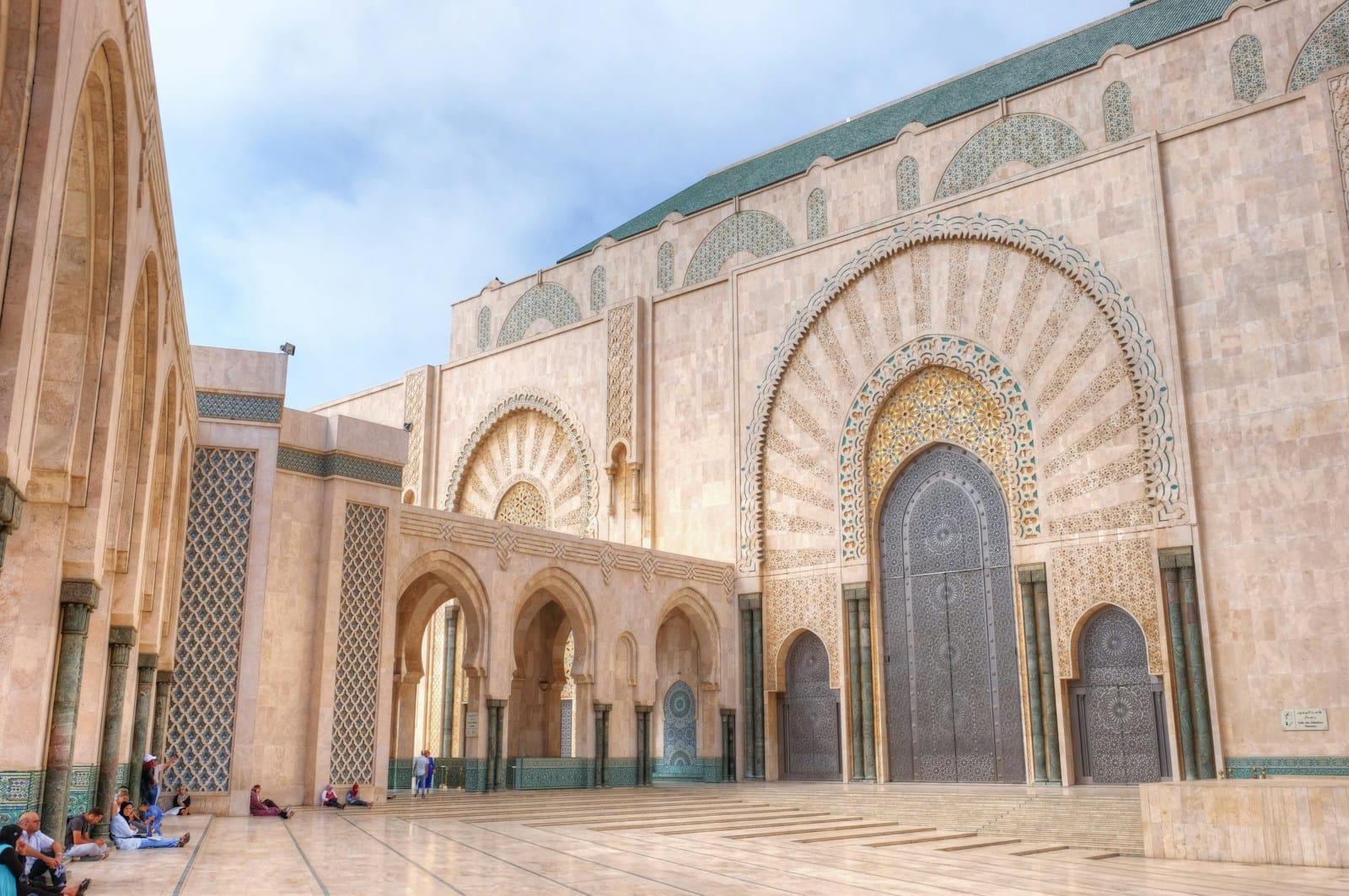
If you’re booking a summer trip and want the real picture of the weather Morocco in July brings, here’s the short version: the country splits into two completely different worlds during this month. Marrakech and the inland cities cook under afternoon temperatures that can climb past 42°C, while Casablanca, Essaouira, and Taghazout stay cool and breezy thanks to the Atlantic. The Sahara becomes furnace territory, but the Atlas Mountains turn into the country’s air-conditioned escape. So saying it’s hot or not hot misses the point. The real question is where you go and how you plan your day.
This guide breaks down what families, couples, and solo travelers actually need to know about traveling here in midsummer. You’ll get regional temperature ranges, packing advice for kids and adults, the festivals worth catching, and practical tricks for sightseeing without melting. By the end you’ll know whether to head north, south, up, or stay coastal.
- Family-Friendly Discovery Tour: 11 Days from Casablanca: Relaxed pace, short drives, flexible schedules, and activities suitable for all ages. Best for summer because the route stretches Marrakech, Fes, and the coast across a full two weeks, so kids never sit in a hot car for long stretches.
- Cultural Immersion Experience: 5 Days Marrakech to Merzouga: Evening traditions, local meals, medina walks, and authentic cultural experiences. A compact option for travelers who want the imperial cities and a taste of the south without committing to a long itinerary.
- Luxury & Comfort Escape: Fully Custom Itinerary: Premium stays, private guides, elegant dining, and full flexibility. Ideal if you want a pool-and-air-conditioned riad in Marrakech, a beachfront suite in Essaouira, and a private 4×4 between them.
Tell us your dates and family makeup, and we’ll match the itinerary to the climate, the kids, and the festivals running that week. Plan your family adventure with people who know how the weather Morocco in July behaves on the ground, not just on a forecast page.
Quick Takeaways
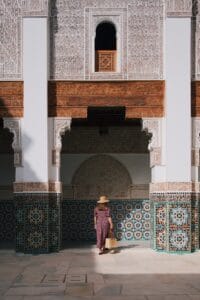
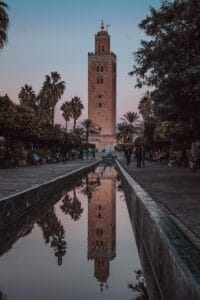
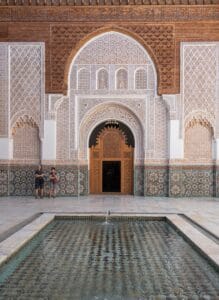
- Hot inland, cool by the coast: Marrakech and Fes hit 38 to 43°C, while Casablanca and Essaouira hover around 22 to 27°C.
- Almost zero rain: Expect dry skies and 10 to 13 hours of sunshine each day.
- Best for the coast and mountains: July rewards travelers who pick the right regions over inland desert.
- Festival season is alive: Catch Timitar in Agadir, Jazzablanca in Casablanca, and lingering Gnaoua energy in Essaouira.
- Family-friendly with a plan: Riads with pools, beach towns, and morning sightseeing make Morocco workable with kids.
- Sahara is not the move: Save Merzouga for spring or autumn unless you’re heat-hardened.
- Book early: July is peak European holiday season, so flights and seaside hotels fill up months ahead.
Morocco Weather July, Live Forecast & Climate Map
Morocco Weather July, Live Forecast
Real-time conditions for 6 major cities, July climate averages for 10 destinations, packing tips, and family-friendly tours for Morocco's peak summer travel month.
Live forecast from Open-Meteo · Refreshed when widget opens
July Temperature Ranges
What to Pack for Morocco in July
Loose linen or cotton shirts and trousers. Breathability is everything in the July heat.
Reapply often. July sun in Morocco is intense, especially in inland cities and the desert.
Essential protection for midday walks through medinas, markets, and open landscapes.
Strong glare in the desert and coast. Polarised lenses are a worthwhile upgrade.
Hydration is critical. Aim for 3+ litres per day; add electrolyte sachets for long outdoor days.
Atlantic coast is a prime July destination. Sea temps around 19°C, pools everywhere.
Family Morocco Tours for July Travelers
Custom private itineraries with trusted local guides, comfortable family-friendly stays, and pacing that fits the hot, dry July rhythm: coast-first, early starts, built-in afternoon rest, and optional festival timing for Timitar in Agadir or Jazzablanca in Casablanca. Pick your length, we shape the rest.
10 Day Morocco Tour from Casablanca
The compact family classic. Casablanca, Fes, Sahara, and Marrakech with breathing room for kids.
- Imperial cities + Sahara desert night
- Private driver, flexible pace
- Family-tested riads with pools
11-Day Family-Friendly Tour from Casablanca
One extra day for slow mornings, riad pool breaks, and a deeper Sahara stay with the kids.
- Adds an Atlas mountain day
- Two nights in the Sahara region
- Cooking class option
12-Day Morocco Family Vacation
Imperial cities, the blue town of Chefchaouen, Sahara dunes, and Atlas valleys at a humane pace.
- Includes cooler Chefchaouen
- Mid-trip rest day built in
- Private 4×4 for desert legs
14-Day Family Morocco Tour from Casablanca
The full Morocco picture without the rush. Coast, imperial cities, Atlas, Sahara, and a final unwind.
- Atlantic coast beach days included
- Two desert nights, two Atlas nights
- Fully customizable to your dates
Climate averages reflect long-term July means for each location. Live forecast: Open-Meteo. © Morocco Family Vacation.
Is July a good time to visit Morocco?
Yes, July can be an excellent time to visit Morocco if you plan your itinerary around the coast and mountains rather than inland desert. The country shines in summer when you stick to Atlantic cities like Essaouira, Taghazout, Casablanca, and Tangier, where ocean breezes keep daytime temperatures in the comfortable mid-20s.
The reason July works for so many travelers comes down to predictability. The weather Morocco in July delivers is almost guaranteed: clear skies, low humidity inland, and barely any rainfall. You can plan beach days, hikes, and rooftop dinners without checking the forecast every morning. Long daylight hours stretch sightseeing into the evening, when medinas finally cool down and come back to life.
However, if you’re traveling with toddlers, planning a Sahara overnight, or hoping to walk Marrakech’s medina at noon, July becomes harder. Inland heat can pass 42°C, which is genuinely dangerous for small kids and older travelers. Many families build itineraries that spend two or three nights in Marrakech with a riad pool, then move quickly to the coast or up to the Atlas.
A few quick practical points to take away:
- Book accommodations with pools, working air conditioning, or sea breezes.
- Plan outdoor sightseeing for before 11 AM and after 6 PM.
- Skip the Sahara unless you accept genuine heat exposure.
- Carry rehydration salts and SPF 50, especially for children.
- Choose coastal stays as your trip’s center of gravity.
At Morocco Family Vacation, we build custom July itineraries that balance imperial cities in the morning with mountain or coastal afternoons, so families actually enjoy the trip instead of enduring it.
What to expect from the weather Morocco in July
The weather Morocco in July offers might surprise first-time visitors who picture the country as one giant desert. Morocco actually contains four different climates running side by side, and July amplifies the contrast between them. Along the Atlantic coast, you get something close to coastal California: 22 to 28°C, sea fog in the early mornings, and afternoons that warm up but never overheat.
Move inland by 200 kilometers and the math changes completely. Marrakech, Fes, and Meknes sit on plains that trap heat through the afternoon, with peak temperatures often pushing past 40°C in the shade. Climb into the High Atlas and you swap that for cool alpine evenings, sometimes dropping into single digits at higher altitudes. The Sahara south of the Atlas runs hotter than anywhere else, with daytime readings of 44 to 47°C common in Merzouga.
Two things stay consistent across regions: sunshine is abundant, and rain is almost absent. Sun intensity is no joke in midsummer, with UV indexes regularly hitting 10 or 11. You’ll want full sun protection even on cooler coastal days.
The diurnal swing matters too. Even in Marrakech, nighttime temperatures fall to around 20 to 25°C, which makes rooftop dinners and late-night walks possible. Coastal towns can cool down even further, occasionally requiring a light layer after sunset. This day-to-night shift is one of the most useful patterns to plan around.
Regional breakdown of the weather Morocco in July
Morocco’s geography splits travelers into different worlds depending on where they go. Here’s how the weather Morocco in July plays out city by city, so you can match your itinerary to your tolerance for heat.
Marrakech in July
Marrakech sits in the country’s hottest commercial zone. Daytime highs commonly run between 38 and 42°C, with afternoon peaks occasionally hitting 45°C during heat waves. The good news: humidity is low, evenings drop to a comfortable 22 to 25°C, and almost every decent riad has a pool. Start sightseeing at 7 AM, retreat for a midday break, and head back out around 6 PM. The Jemaa el-Fnaa square genuinely comes alive after dark.
Casablanca in July
Casablanca is Morocco’s coastal anomaly. Average daytime temperatures stay between 23 and 26°C, cooled by the Canary Current and Atlantic winds. Its climate sits in the path of the cool Atlantic Canary Current, giving it weather patterns surprisingly similar to Los Angeles. Mornings sometimes start foggy before clearing into bright afternoons. This is one of the best Moroccan cities for July sightseeing without overheating.
Fes in July
Fes runs similar to Marrakech, with daytime temperatures of 35 to 41°C. The medina’s tight alleys can feel hotter than the open city because there’s no airflow. If you visit Fes in July, plan the leather tanneries and Bou Inania madrasa for early morning, then return to your riad’s courtyard during the afternoon.
Essaouira and the Atlantic coast
Essaouira is the coastal lifesaver. Temperatures sit between 19 and 24°C, with strong afternoon winds that earned the town its nickname as Africa’s windy city. Bring a light jacket for evenings. Families love Essaouira for its walkable medina, surf schools, and lower-temperature sightseeing.
Tangier and the north
Tangier and the Mediterranean coast run slightly warmer than Essaouira, averaging 26 to 30°C. The weather Morocco in July sends to Tangier mixes Atlantic and Mediterranean influences, giving you blue skies most days and warm sea swims.
Atlas Mountains
The High Atlas is the country’s secret cool zone. At altitudes of 1,500 to 2,500 meters, daytime temperatures sit between 18 and 28°C, with nights dropping to 8 to 15°C. Villages like Imlil and Asni become hiking bases for travelers escaping Marrakech’s heat.
Merzouga and the Sahara
Merzouga is the most extreme July destination. Daytime readings of 42 to 47°C are normal, with sand temperatures even higher. Camel rides at noon are unsafe. If you must visit, restrict activities to dawn and dusk, drink water continuously, and consider whether a spring or autumn return makes more sense.
Taghazout in July
Taghazout sees daytime temperatures around 30°C and nighttime lows near 22°C in July, with virtually no rainfall and roughly ten hours of daily sunshine. The surf scales down to gentle one to three foot waves, which is exactly why beginner family surf camps schedule their summer programs here.
What is the hottest month in Morocco?
July and August tie as Morocco’s hottest months, with most weather stations recording July as slightly hotter in inland and southern regions, while August edges ahead in northern cities like Fes. So if you’re chasing the absolute peak, you’re looking at mid-July through mid-August.
This matters for trip planning because the temperature difference between June and July can be 4 to 6°C in places like Marrakech, which feels significant on the ground. Spring visitors arriving in late May or early June often find medina walks pleasant; by July, that same walk requires a different strategy. The Sahara reaches its annual peak in this window, sometimes recording surface readings over 50°C on the dunes.
If you specifically want to avoid the hottest stretch, target October through April. If you must travel during July or August because of school holidays or work schedules, follow elevation and coast. Anywhere above 1,500 meters or within 30 kilometers of the Atlantic gives you a different climate entirely from the inland plains. Travelers researching Morocco weather in July 2026 should also know that recent years have trended marginally hotter than long-term averages, so plan slightly more conservatively than older guidebooks suggest.
Is Marrakech in July too hot?
For most travelers, yes, Marrakech in July is genuinely hot, though it’s manageable with the right plan. Daytime temperatures in Marrakech typically range from 36 to 40°C, with evenings cooling to 21 to 24°C and almost no humidity. Dry heat is more bearable than humid heat at the same number, but you still need to respect it.
Families with kids under 10, older travelers, and anyone with circulatory issues should plan carefully. The smart approach is to book a riad with a courtyard pool, schedule outdoor visits to the Bahia Palace, Saadian Tombs, and Majorelle Garden before 10 AM, and treat the 1 PM to 5 PM window as pool or museum time. Evenings in Marrakech are genuinely fun in July: rooftops fill up, Jemaa el-Fnaa lights up, and the temperature drops just enough to walk comfortably.
If you’re determined to hike the Atlas as a day trip from Marrakech, leave at sunrise. The road climbs into cooler air quickly, and by mid-morning you can be in pine forest at 25°C while the city below cooks at 41°C. This is one of the smartest single-day swaps for any midsummer visitor.
Does Morocco get cold at night in July?
Cold is the wrong word, but the temperature drop is real. Most Moroccan cities cool significantly after sunset in July, with coastal towns dipping into the high teens and inland cities falling to the low 20s. In the Atlas Mountains, especially above 2,000 meters, nighttime readings can drop to 8 to 12°C, which feels cold after a 30°C day.
Essaouira and Tangier need a light jacket or cardigan after dark, especially on the seafront. Marrakech and Fes stay warm through the evening but become walkable rather than oppressive. Sahara nights cool to 22 to 28°C, which is still warm but feels relieving compared to the day.
If you’re planning Atlas hikes or a desert overnight, pack a fleece or warm layer. Even mid-heat-wave, the desert sky clears, the surface releases heat fast, and your camp tent will feel cool by 2 AM. This nightly swing is one of the most useful patterns to plan around in the weather Morocco in July experience.
Morocco in July with kids: a family-friendly approach
Traveling Morocco in July with kids requires one mental shift: stop trying to do everything inland, and let the coast carry most of your trip. Kids handle the Marrakech medina for two or three days if you keep mornings short, lunch slow, and afternoons by the pool. Beyond that, head north to Essaouira, south to Taghazout, or up into the Atlas.
Essaouira is the easiest family stop in summer. The medina is walkable and flat, the beach is wide and shallow, and the consistent afternoon wind keeps everyone cool. Older kids can take a beginner surf lesson, while younger ones build sand castles and chase seagulls. Taghazout offers similar advantages with a more relaxed vibe and excellent family surf camps.
Important practical points for families: always carry water, never leave a stroller in direct sun, schedule a rest hour after lunch, and book riads with shaded courtyards or pools. Renting a car gives you flexibility to chase cooler weather, but hiring a driver is often a smarter call in July because the kids can sleep in air conditioning while you cover ground. Morocco Family Vacation runs custom private Morocco tours designed for families, with child-friendly experiences, trusted local guides, and comfortable stays from the medinas to the Sahara. Plan your family adventure with someone who actually structures the route around the climate.
Festivals in Morocco in July
July is one of Morocco’s biggest months for music, with three major festivals running back to back across the country. These events are surprisingly family-friendly during the early hours and offer a window into modern Moroccan culture you won’t find any other way.
Timitar Festival in Agadir
The Timitar Festival in Agadir typically runs in early July and celebrates Amazigh (Berber) culture alongside global musical genres, drawing thousands of festival-goers each year. The festival is free, takes place across open-air venues including Al Amal Square and the Open-Air Theatre, and is genuinely family-suitable in the early evening before the main acts.
Jazzablanca in Casablanca
Jazzablanca runs across multiple stages in Casablanca in early July, with venues like Anfa Park hosting ticketed concerts featuring international headliners. The festival mixes jazz, world music, and pop. If you’re already booked into Casablanca, adding a Jazzablanca evening can become a trip highlight.
Gnaoua Festival in Essaouira
The Gnaoua World Music Festival usually wraps in late June, but its echoes carry into early July with smaller events and rooftop sets across Essaouira. If your trip starts in the last week of June, this is one of the most distinctive cultural experiences in North Africa.
Marrakech Popular Arts Festival
The Marrakech Popular Arts Festival also tends to spill into early July, with performances at El Badi Palace and around the medina. Acrobats, traditional musicians, and storytellers fill the courtyards. Pricing varies and many events stay free.
Book Your Family July Adventure Now: Summer Spots Fill Up Fast
Book Your Family Adventure Now: 30% Off Limited July Spots
What to do in Morocco in July beyond the heat
Plenty of activities thrive in summer if you align them with the climate. Think of the weather Morocco in July offers as a filter rather than a problem: it tells you where to be and when.
Surfing and beach time on the Atlantic coast
Summer is the easiest surf season for beginners. Summer brings the gentlest waves of the year, around one to three feet, with the warmest water at 21 to 23°C, making it the most comfortable time to learn. Taghazout, Imsouane, and Essaouira run beginner-friendly surf camps with daily lessons and family packages.
Hiking in the Atlas Mountains
The High Atlas turns into Morocco’s hiking capital in summer. Day hikes from Imlil, multi-day treks toward Toubkal, and Berber village walks all run on cool morning temperatures. Bring sturdy shoes, a hat, and a fleece for evenings at altitude.
Cooking classes and hammams
Traditional hammams are a perfect midday escape from July heat. So are cooking classes, which usually run from a shaded courtyard. Both let you experience local culture without standing in the sun.
Evening medina walks
Once the sun drops, the medinas reopen socially. Jemaa el-Fnaa in Marrakech, Talaa Kebira in Fes, and the seafront promenade in Essaouira all come alive between 7 and 11 PM. This is when families actually want to be out.
What to pack for the weather Morocco in July
Packing for the weather Morocco in July works best when you build around two principles: lightweight, breathable fabric for daytime, and one warmer layer for evenings, mountains, or air-conditioned spaces. Cotton and linen beat synthetics in dry heat. Loose cuts beat fitted ones in direct sun.
Bring a wide-brim hat or scarf, polarized sunglasses, and SPF 50 sunscreen that you actually reapply. A reusable water bottle is essential, and most riads now have filtered water stations. Comfortable walking shoes with good grip help on slippery medina stones. For kids, pack lightweight long sleeves with UPF protection rather than short-sleeve cotton, because covering up beats reapplying sunscreen every hour. A small backpack with electrolyte sachets, hand sanitizer, and a folding fan completes the daily kit.
If you’re heading to the Atlas or planning an Atlantic coastal stop, add a fleece or warm hoodie. Beach days in Essaouira can feel cold by sunset thanks to the strong winds. Modest clothing still matters in religious sites and smaller towns, so pack at least one pair of trousers and a sleeved top per person.
Where to stay during the weather Morocco in July
Accommodation choice makes or breaks a July trip in Morocco. The single best variable to control is whether your room has air conditioning that actually works, plus access to either a pool or a sea breeze. Old riads with thick mud-brick walls stay surprisingly cool, but check that the AC unit works as backup.
In Marrakech, look for riads in the Kasbah or Hivernage neighborhoods with courtyard pools. Hivernage in particular sits next to the new town and offers larger hotels with full facilities. In Fes, a riad in the medina near Bab Boujloud puts you within walking distance of the main sites, ideal for early morning visits before heat peaks.
For coastal stays, Essaouira’s medina riads, Taghazout’s beachfront guesthouses, and Casablanca’s Corniche hotels are the smart picks. Mountain travelers should look at Kasbah du Toubkal or smaller guesthouses in Imlil. Booking three to four months ahead is realistic for July because European school holidays drive demand hard, particularly for family rooms with multiple beds.
Practical tips for navigating Morocco in midsummer
A few practical patterns separate a great trip from a tough one. First, treat hydration as a daily structure, not a backup plan. Drink water before you feel thirsty, especially when sightseeing inland. Second, build your day around the temperature curve: outdoor activities before 11 AM and after 6 PM, indoor or pool time in between.
Third, dress for both modesty and climate. Linen trousers, light long-sleeved tops, and breathable scarves let you visit mosques and conservative neighborhoods without overheating. Fourth, factor in transport. Air-conditioned trains between cities are far more comfortable than buses. The Casablanca to Marrakech high-speed train is faster, cooler, and cheaper than flying.
Finally, book intercity transfers for early morning. Driving across the country at 2 PM is exhausting; doing the same drive at 7 AM is pleasant. Small choices like these compound across a two-week trip.
Need Help with Transportation in Morocco?
Book a reliable private driver for your Morocco family adventure today – personalized routes designed just for you, and get 30% off as a first-time visitor!
Conclusion: making the weather Morocco in July work for your family
The weather Morocco in July is not one thing. It’s a set of regional climates that reward smart planning and punish anyone who treats the country as one big desert. If you stay flexible, base yourself on the coast or in the mountains, and respect the midday heat, July becomes one of the most rewarding months to visit. Beaches are warm, festivals are everywhere, and long evenings mean you can actually enjoy the medinas after sunset.
For families, the formula is straightforward: pick coastal towns like Essaouira and Taghazout for the bulk of your trip, give Marrakech two or three days with a riad pool, add an Atlas day trip, and skip the Sahara until autumn. The weather Morocco in July rewards travelers who plan with the geography rather than against it.
Ready to plan something that actually works? Morocco Family Vacation builds custom private Morocco tours designed for families, with child-friendly experiences, trusted local guides, and comfortable stays from the medinas to the Sahara. Tell us your dates and family makeup, and we’ll match an itinerary to the climate, the kids, and the festivals running that week. Plan your family adventure with people who know how the weather Morocco in July behaves on the ground, not just on a forecast page.
─── Your questions, our answers.
Frequently Asked Questions
Our dedicated team is here to answer your Morocco Travel questions and ensure a smooth, memorable journey through Morocco.
Is Morocco hotter than Spain in July?
Generally yes, especially inland. While southern Spain averages around 32 to 35°C, the weather Morocco in July sends to Marrakech and Fes regularly tops 38°C, with the Sahara crossing 45°C. The Moroccan Atlantic coast, however, stays roughly equal to or cooler than Mediterranean Spain because of the cold Canary Current.
Can I visit the Sahara in Morocco in July?
Technically yes, but most experienced travelers avoid it. Daytime desert temperatures of 42 to 47°C make camel rides and walks genuinely dangerous between 11 AM and 6 PM. If the Sahara is on your list, autumn or spring works far better. For July, swap Merzouga for the Atlas Mountains.
How hot does Marrakech get at night in July?
Marrakech nights cool to about 21 to 25°C, which feels pleasant after the daytime peak. The weather Morocco in July delivers in Marrakech allows for outdoor dining and walking after sunset, particularly around Jemaa el-Fnaa and the rooftop restaurants near the Koutoubia Mosque.
What is the best Morocco July weather destination for families?
Essaouira and Taghazout consistently rank as the easiest family destinations for the weather Morocco in July experience. Both offer cool sea breezes, family-friendly beaches, walkable old towns, and gentle activities like surfing lessons, donkey rides, and small-boat fishing trips.
Will Morocco weather in July 2026 differ from previous years?
Trends from the past five years suggest slightly hotter inland temperatures and continued mild coastal weather. Specific Morocco weather in July 2026 will follow the general pattern of hot inland and mild coast, but always check a 14-day forecast before final packing decisions.

Kate Carter
Family Travel Blogger
Kate Carter is a mom and travel blogger who fell in love with Morocco’s culture and warmth. Through Morocco Family Vacation, she shares tips and stories to help travelers enjoy authentic, stress-free experiences. Join us along the way.
Table of Contents
Our Services
-
Private Family Tours
-
Custom Itineraries
-
Sahara Desert Tours
-
Chefchaouen & Northern Morocco Tours
-
Luxury Desert Camping
-
Multi-Day Tours (2–16 Days)
-
Atlas Mountains Trips
-
Cooking Classes & Market Visits
-
Photography & Heritage Tours
-
Airport Transfers & Private Transport
-
Custom Birdwatching Tour in Morocco
-
24/7 Tour Support & booking Flexibility
At Morocco Family Vacation, we create custom Morocco tour packages designed around your interests and travel style. As a dedicated and independent travel agency, we specialize in private Morocco tours offering memorable desert adventures, cultural experiences, and family friendly itineraries while delivering attentive, personalized service from start to finish.
Popular Tours
Latest Posts
get in touch
#chefchaouen morocco
#chefchaouen
#chefchaouen blue city
#chefchaouen blue city morocco
#Morocco Family Vacation