
Weather in Morocco in August
Weather in Morocco in August: A Family Travel Guide
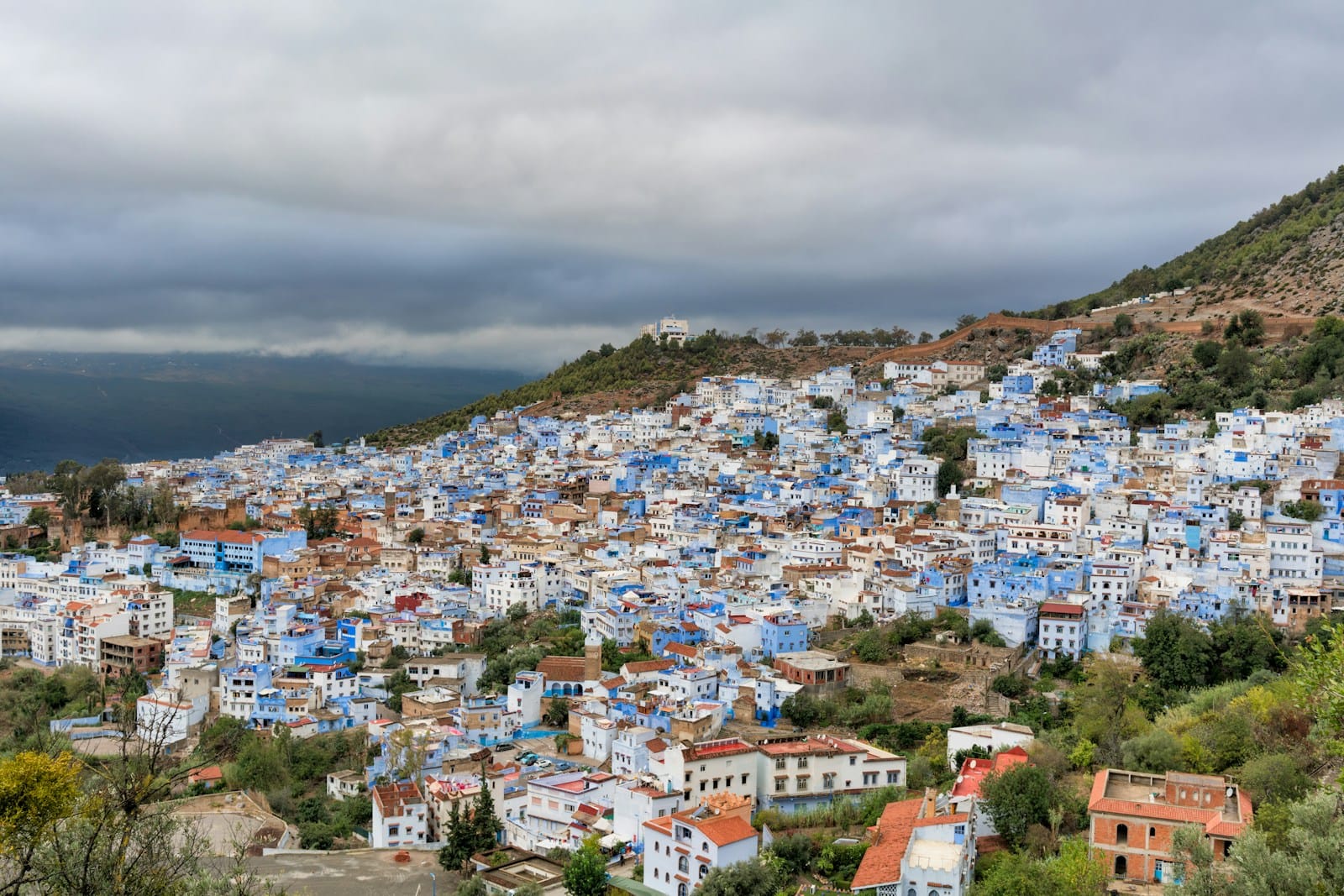
The weather in Morocco in August is a study in contrasts. While Marrakech bakes under skies that push past 38°C, you can sit on the seawall in Essaouira at sunset and pull a light jacket across your shoulders. That gap matters enormously when you are booking a family trip and trying to figure out whether your kids will actually enjoy the days you have paid for.
If you have only ever pictured Morocco as one endless sun-scorched landscape, August will surprise you. The northern coast stays mild. The Atlas Mountains cool down with altitude. The Sahara turns into a place you visit briefly at dawn rather than at noon. This guide breaks down the weather in Morocco in August city by city, gives you the practical numbers in both Celsius and Fahrenheit, flags the festivals worth planning around, and tells you what to pack so a hot afternoon in Fes does not derail your whole holiday. By the end you will know exactly where to go, where to skip, and how to time your days for comfort.
- 11-Day Family-Friendly Discovery Tour – Relaxed pace, short drives, flexible schedules, and activities suitable for all ages.
- 5-Day Cultural Immersion Experience – Evening traditions, local meals, medina walks, and authentic cultural experiences.
- Luxury & Comfort Escape – Premium stays, private guides, elegant dining experiences, and full flexibility. (Duration customizable contact us for a tailored itinerary.)
Quick Takeaways
- Coastal cities stay manageable. Agadir, Essaouira, Casablanca, and Tangier hover between 22 and 30°C during the day, making the Atlantic coast the smartest base for August.
- Inland heat is real. Marrakech, Fes, and Meknes routinely hit 36 to 40°C, with some afternoons climbing past 42°C, so plan indoor breaks from 11am to 4pm.
- Skip the Sahara at midday. Merzouga and Erg Chebbi can exceed 45°C, and most operators suggest dawn camel rides or moving desert trips to spring or autumn.
- Mountain trips are a fix. The High Atlas around Imlil and the Ourika Valley sit 10 to 15 degrees cooler than Marrakech, perfect for hiking and family picnics.
- Festivals add atmosphere. The Setti Fatma Moussem and the Moussem Moulay Abdellah Amghar both fall in August and offer a window into Berber and Sufi tradition.
- Pack light, pack smart. Loose cotton, broad hats, swim gear, and a thin layer for cool sea evenings cover almost every situation.
- Book early, book coastal. August is peak season for Moroccan families and European travellers, so seaside riads and hotels fill quickly.
Morocco Weather in August: Live Forecast, Temperatures & Travel Tips
Morocco Weather August — Live Forecast
Real-time conditions for 6 major cities, August climate averages for 10 destinations, packing tips, and family-friendly tours for Morocco's hottest and sunniest travel month.
Live forecast from Open-Meteo · Refreshed when widget opens
August Temperature Ranges
What to Pack for Morocco in August
Loose linen or cotton shirts and trousers. Breathability is everything in the August heat.
Reapply often. August sun in Morocco is intense, especially in inland cities and the desert.
Essential protection for midday walks through medinas, markets, and open landscapes.
Strong glare in the desert and coast. Polarised lenses are a worthwhile upgrade.
Hydration is critical. Aim for 3+ litres per day; add electrolyte sachets for long outdoor days.
Atlantic coast is a prime August destination. Sea temps around 20°C, pools everywhere.
Family Morocco Tours for August Travelers
Custom private itineraries with trusted local guides, comfortable family-friendly stays, and pacing that fits the hot, dry August rhythm — coast-first, early starts, and built-in afternoon rest. Pick your length, we shape the rest.
10 Day Morocco Tour from Casablanca
The compact family classic. Casablanca, Fes, Sahara, and Marrakech with breathing room for kids.
- Imperial cities + Sahara desert night
- Private driver, flexible pace
- Family-tested riads with pools
11-Day Family-Friendly Tour from Casablanca
One extra day for slow mornings, riad pool breaks, and a deeper Sahara stay with the kids.
- Adds an Atlas mountain day
- Two nights in the Sahara region
- Cooking class option
12-Day Morocco Family Vacation
Imperial cities, the blue town of Chefchaouen, Sahara dunes, and Atlas valleys at a humane pace.
- Includes cooler Chefchaouen
- Mid-trip rest day built in
- Private 4×4 for desert legs
14-Day Family Morocco Tour from Casablanca
The full Morocco picture without the rush. Coast, imperial cities, Atlas, Sahara, and a final unwind.
- Atlantic coast beach days included
- Two desert nights, two Atlas nights
- Fully customizable to your dates
Climate averages reflect long-term August means for each location. Live forecast: Open-Meteo. © Morocco Family Vacation.
Is August a Good Time to Go to Morocco?
August is a good time to visit Morocco if you stay on the coast or in the mountains, but it is not the ideal month if you want to base yourself in Marrakech, Fes, or the Sahara without serious adjustments to your schedule. The weather in Morocco in August splits the country into two travel experiences: one comfortable, one demanding. Knowing which one suits your family decides whether August feels like a great holiday or a hot slog.
The coast is genuinely pleasant. Atlantic cities such as Essaouira, Agadir, and Casablanca pull in steady ocean breezes that keep daytime temperatures in the mid-twenties Celsius range. Tangier and the northern Mediterranean coastline follow a similar pattern. You get sunny beach days without the heat exhaustion that catches people off guard in the south. Many Moroccan families themselves head to the coast in August for exactly this reason.
However, if your itinerary leans on long medina walks in Marrakech, desert nights in Merzouga, or full days exploring Fes, the heat will shape your trip. Toddlers, older travellers, and anyone with heat sensitivity may struggle. You can still see these places. You just need to wake early, rest in the afternoon, and resume sightseeing after 5pm.
A few practical guidelines worth keeping in mind:
- Base your trip on the coast and treat inland cities as short two-night stops.
- Move outdoor sightseeing to before 10am and after 5pm.
- Carry refillable water bottles for every family member, and refill often.
- Choose accommodation with a pool, especially when travelling with kids.
- Skip the Sahara unless you are willing to do dawn-only excursions.
At Morocco Family Vacation, we design August itineraries that lean on coastal stays, cooler mountain pockets, and well-timed cultural visits, so your family enjoys the country without fighting the thermometer.
Understanding the Weather in Morocco in August Region by Region
Morocco is roughly the size of California, and its weather works the way you would expect across that kind of geography. Coast, mountain, plain, and desert each get a different version of summer. The weather in Morocco in August reflects that diversity more strongly than almost any other time of year. Here is what to expect, broken into the four climate zones that matter for your itinerary.
The Atlantic Coast
The Atlantic shoreline runs from Tangier in the north down to Dakhla in the south, and it is the most forgiving zone in August. Essaouira often sits around 22 to 27°C with afternoon winds strong enough to draw kite-surfers. Agadir averages 26 to 29°C. Casablanca floats between 23 and 28°C. Humidity is higher than inland because of the ocean, but the breeze cancels out most of that discomfort. Sea temperatures hover around 20 to 22°C, which feels brisk at first but is swimmable for most visitors.
Inland Cities and Plains
This is where the weather in Morocco in August earns its hot reputation. Marrakech regularly posts highs of 36 to 40°C, with peaks above 42°C during heat waves. Fes is similar. Meknes follows closely. The lack of ocean influence means the heat is dry rather than sticky, which sounds tolerable until you stand in direct sun at 2pm. Nights cool to around 20 to 22°C, which makes rooftop dinners genuinely pleasant.
The Atlas and Mountain Zones
The Atlas range offers the best escape inside the country. In the High Atlas around Imlil, daytime temperatures often sit between 24 and 28°C, with cool mornings and crisp evenings. The Ourika Valley, a short drive from Marrakech, runs a few degrees lower than the city. The Middle Atlas, around Ifrane and Azrou, can feel almost European in summer.
The Sahara and Pre-Sahara
Merzouga, Erg Chebbi, and the southern oases see the most extreme weather in Morocco in August. Daytime temperatures climb past 45°C and the sand becomes too hot to walk on barefoot. Most reputable tour operators recommend skipping overnight desert trips this month or limiting them to brief sunrise and sunset windows.
Morocco Weather in August in Celsius and Fahrenheit
If you have not yet committed your destinations to memory, here is a clean breakdown of the numbers that matter. The weather in Morocco in August looks very different depending on whether you read Celsius or Fahrenheit, so both are listed below.
Daytime Averages by City
- Marrakech: 36 to 40°C / 97 to 104°F
- Fes: 34 to 38°C / 93 to 100°F
- Casablanca: 26 to 28°C / 79 to 82°F
- Rabat: 26 to 29°C / 79 to 84°F
- Tangier: 26 to 30°C / 79 to 86°F
- Agadir: 26 to 29°C / 79 to 84°F
- Essaouira: 22 to 27°C / 72 to 81°F
- Chefchaouen: 28 to 32°C / 82 to 90°F
- Ouarzazate: 36 to 40°C / 97 to 104°F
- Merzouga (desert): 40 to 45°C / 104 to 113°F
Nighttime Averages
Most cities drop into the 20 to 23°C range overnight, which makes early mornings and late evenings the best windows for sightseeing. Mountain regions can fall to 12 to 15°C, so bring a light layer if you are camping or staying in a Berber guesthouse.
Rainfall and Humidity
Rain is almost absent in August. Most cities see less than 5mm for the entire month, and many record no rainfall at all. Humidity rises along the Atlantic, sometimes pushing 70 to 80 percent in coastal pockets, while the interior stays dry at 20 to 40 percent. The Sahara hovers below 20 percent humidity, meaning the heat feels less oppressive than the raw numbers suggest but is still dangerous in direct sun.
Two practical points often missed in other guides on the weather in Morocco in August: first, the Chergui wind, a hot easterly that blows in from the Sahara, can suddenly push coastal temperatures up by 5 to 8 degrees for two or three days at a stretch. Second, sea fog occasionally rolls into Essaouira and Agadir in the early morning, which keeps things cool but can delay beach plans by a few hours.
Book Your Family Adventure Now — Limited Spots Available!
Book Your Family Adventure Now — Limited Spots Available!
Marrakech in August: Is Marrakesh Hot in August?
Yes, Marrakech in August is hot, and it does not pretend otherwise. The city sits inland on the Haouz plain with no major water body nearby, so the summer sun goes to work without anything to soften it. Average daytime highs run between 36 and 40°C. In a heat wave you can see 43 or 44°C on the thermometer, with surface temperatures on stone and tile higher still.
That does not mean you skip Marrakech in August. It means you reshape your day. Start at 7am with a walk through the medina before the souks fully open. Visit the Bahia Palace, the Saadian Tombs, or the Jardin Majorelle by 9am. Retreat to your riad between 11am and 5pm. A traditional riad with an interior courtyard and plunge pool is built for this exact climate. Many have been keeping people cool the same way for two hundred years.
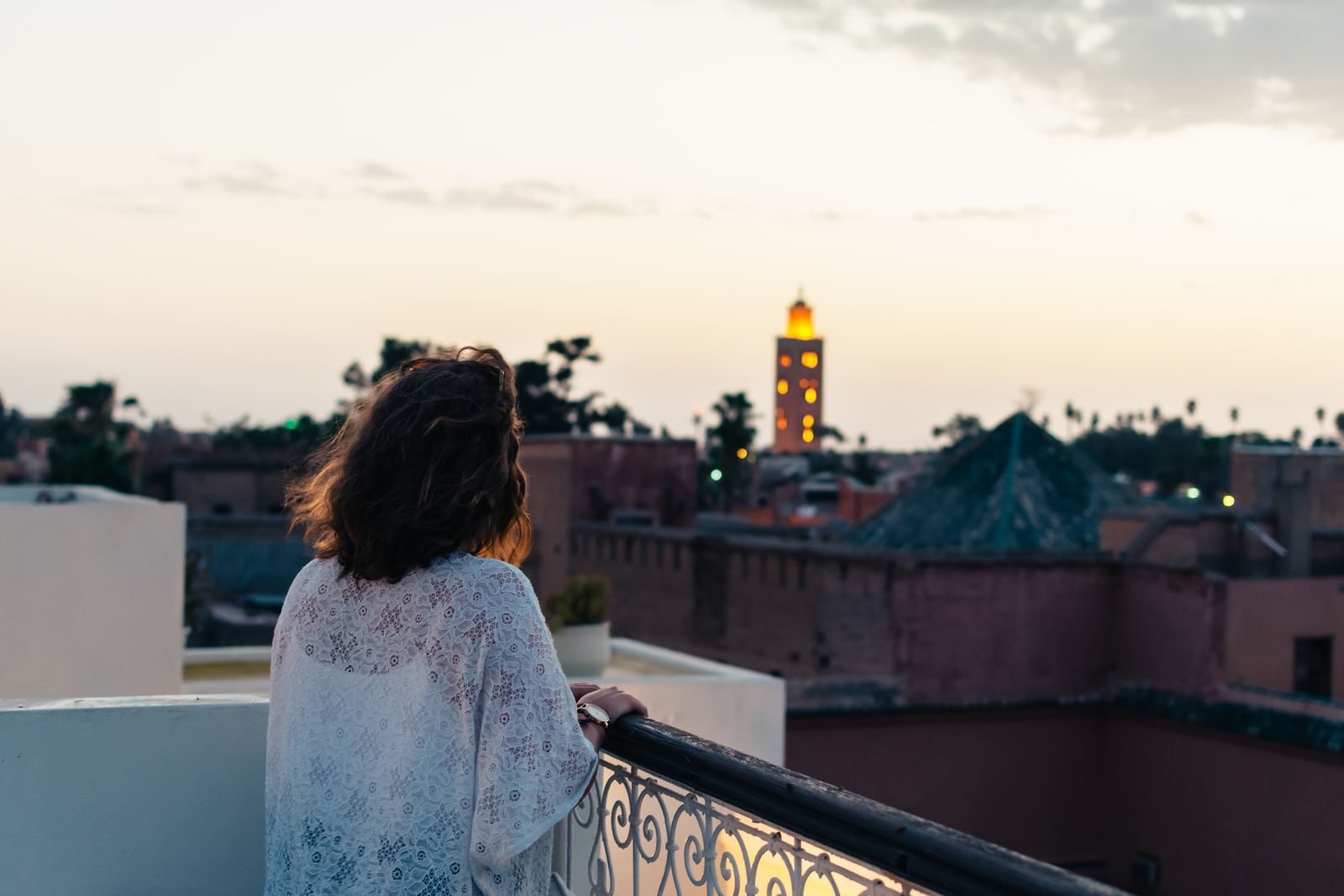
In the evening the city becomes a different place. Jemaa el Fna fills with food stalls, musicians, and storytellers once the temperature drops to the high twenties. Rooftop restaurants come into their own. Most families find this rhythm works well: early morning culture, midday rest, late afternoon and evening exploration.
Practical Tips for Marrakech Heat
- Book a riad with a pool, not just a fountain.
- Use covered transport between attractions during the day.
- Drink at least three litres of water per adult.
- Save camel-and-quad excursions in the Agafay desert for sunset.
If you want a day off from the heat without leaving Marrakech, the Atlas foothills are an hour away by car. The Ourika Valley provides shaded riverside cafes, small waterfalls, and Berber villages where the temperature drops noticeably. This single day trip can rescue an itinerary if the city starts to feel like too much.
Tangier and Northern Morocco in August
Tangier sits where the Mediterranean meets the Atlantic, and it carries a different summer mood than the rest of the country. The weather in Morocco in August along this stretch averages 26 to 30°C during the day with light winds off the Strait of Gibraltar. Evenings cool to around 20°C, which is dinner-on-the-balcony weather. The Kasbah, Cap Spartel, and the Caves of Hercules all stay enjoyable through the day. You will not need to plan around a hostile sun the way you do in Marrakech.
The wider northern region pairs Tangier with Asilah, Tetouan, and Chefchaouen. Asilah is especially worth a stop in August because its summer arts festival fills the painted medina with murals, exhibitions, and street performances. Chefchaouen, the famous blue town, sits in the Rif Mountains at around 600 metres altitude. That elevation knocks the temperature down to 24 to 28°C, perfect for walking the steep blue lanes without melting.
Atlantic Beach Towns in the North
Asilah and Larache combine sandy beaches with quiet medina afternoons. The water is cool by Mediterranean standards but warm enough to swim. Tetouan, a UNESCO-listed medina town inland from the coast, makes a strong half-day visit. From there you can reach M’diq and Cabo Negro, two beach resorts popular with Moroccan families during the August holidays.
A Note on Crowds
August is the month when Moroccans living in Europe return home, and many head straight for the north. Expect busier roads on the Tangier to Tetouan route and full hotels in popular beach towns. Booking three to four months ahead is sensible for anything in the Tangier, Asilah, or Chefchaouen corridor.
Agadir, Essaouira, and the Atlantic Coast in August
If you are travelling with kids and you want to take the temperature question off the table, the Atlantic coast south of Casablanca is the answer. Agadir runs a steady 26 to 29°C with bright sun, low humidity by coastal standards, and a long sweep of golden beach. The water is cold for casual European swimmers but bearable, usually 18 to 21°C. The promenade is flat, stroller-friendly, and lined with cafes that stay open late.
Essaouira is the wildcard everyone loves. The town averages 22 to 27°C, which feels cool compared with the inland furnace. The Alizée wind blows almost daily from late morning, making it one of the best places in Africa for kite-surfing and windsurfing. Families with older kids can take lessons. Younger children tend to gravitate toward the fishing port, where small wooden boats unload sardines and squid every afternoon.
What to Do on the Coast
- Camel and quad rides on the beach south of Essaouira.
- A goat tree photo stop on the road between Marrakech and Essaouira.
- Surf lessons in Taghazout, north of Agadir.
- Argan oil cooperative visits, often hands-on for kids.
- Sunset seafood dinners on Essaouira’s ramparts.
The weather in Morocco in August along this coast is genuinely cooler than most travellers expect. If your top concern is keeping your family comfortable, picking Agadir or Essaouira as a base for four or five nights before heading inland is the simplest fix. Many seasoned visitors do exactly this, treating Marrakech as a two-day cultural stop after recovering on the beach.
Casablanca in August and the Central Coast
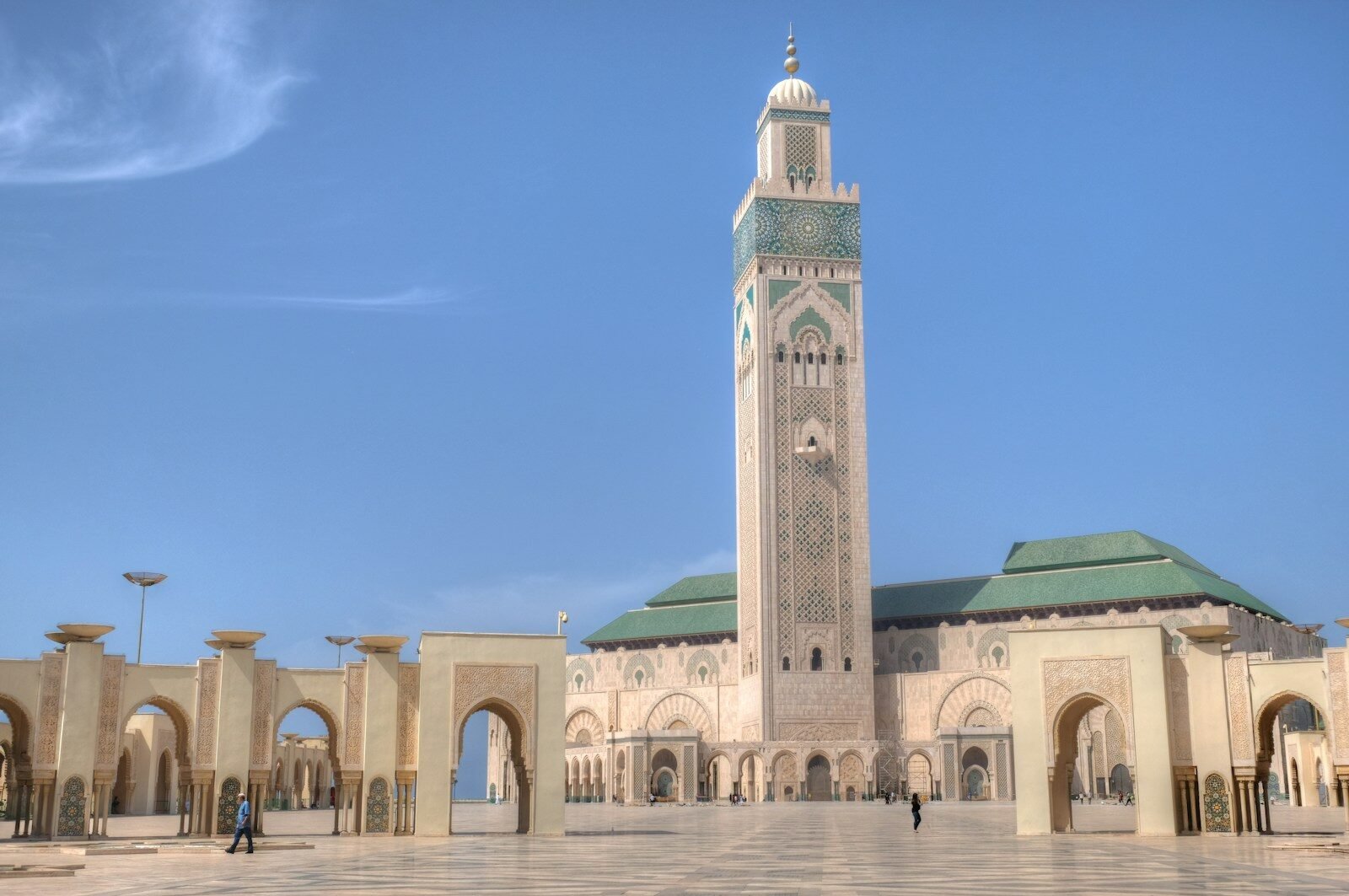
Casablanca often gets skipped in favour of Marrakech and Fes, which is a mistake during a hot summer. The weather in Morocco in August in Casablanca is consistently comfortable. Daytime highs sit between 26 and 28°C, with a near-constant ocean breeze. The Corniche is built for evening strolls. The Hassan II Mosque, one of the largest in the world, gives kids something genuinely impressive to look at, especially during the hour-long guided tours.
Rabat, only an hour up the coast, runs almost identical numbers. The Kasbah of the Udayas, the Chellah ruins, and the calm beach at Sale all suit a slower August pace. The capital is less hectic than Casablanca and tends to be the easier of the two for families with younger children.
Day Trips from Casablanca
El Jadida, an hour and a half south, has a Portuguese-era cistern that stays cool even at noon and a fortified medina that is more interesting than most guidebooks suggest. Azemmour, just north of El Jadida, is a quiet riverside town with an artistic streak. Both work as half-day breaks if you need a change of pace without losing your hotel base.
Why Casablanca Works for Families in August
The flat layout, modern infrastructure, easier driving, and reliable air conditioning in most hotels combine to make Casablanca a low-stress entry point. If your flight lands at Mohammed V airport, you can start your trip here with two nights of recovery, let the kids adjust to the time zone, and then move on with the rest of your itinerary in better shape. Morocco Family Vacation builds this kind of soft landing into many of our custom August trips because it removes a lot of jet-lag-meets-heatwave problems on day one. Plan Your Family Adventure with us and let our team handle the logistics of pairing coast, mountain, and city in the right order.
Festivals in Morocco in August Worth Planning Around
A few notable festivals in Morocco in August can shape your trip in fun ways if you time things right.
Moussem Moulay Abdellah Amghar
Held in early August near El Jadida on the Atlantic coast, this is one of the largest religious moussems in the country. Up to half a million people gather to honour the Sufi saint Moulay Abdellah Amghar. The highlight is the fantasia, a horseback display where rows of riders charge forward and fire their rifles in unison. For families, the surrounding tent city, food stalls, and music make this an evening visit worth squeezing in if you are on the central coast.
Setti Fatma Moussem
The Setti Fatma Moussem takes place in mid-August in the Ourika Valley, about an hour outside Marrakech. The four-day event honours a local saint and combines religious rituals with markets, music, and traditional food. Non-Muslim visitors cannot enter the shrine itself, but the surrounding village comes alive with stalls, dance performances, and Berber crafts. The valley setting also gives you a built-in escape from the heat of the city.
Asilah Arts Festival
Asilah’s International Cultural Festival often stretches from late July into August. Artists paint murals on the medina walls, galleries open their doors, and concerts run most evenings. Kids enjoy the open-air, walkable feel of the small town, and parents get a quieter cultural week than the bigger imperial cities provide.
National Holidays
Two national holidays fall in August. Revolution Day on the 20th marks the 1953 exile of King Mohammed V, and Youth Day on the 21st celebrates the birthday of the current king, Mohammed VI. Expect closed government offices, flag-heavy streets, and a relaxed feel in town squares.
What to Do in Morocco in August with Kids
Travelling with kids changes everything about how you handle the weather in Morocco in August. The same heat that adults can push through becomes a real obstacle for younger travellers, so your itinerary needs to be built around their tolerance, not yours.
Beach Days That Actually Work
Essaouira and Agadir lead the list. Both have shallow swimming zones, lifeguarded sections, and shaded cafes within walking distance. Camel and pony rides are easy to arrange directly on the sand. In Agadir, the long promenade lets younger kids cycle while you walk alongside.
Mountain Picnics and Hikes
The Ourika Valley near Marrakech is the gold standard for a family day trip. Cold-water streams, small waterfalls, and riverside restaurants on wooden platforms over the water keep kids busy for hours. The Imlil region, an hour further into the High Atlas, offers gentle hikes through walnut groves and Berber villages where mule rides are common.
Cool Indoor Activities
When the heat forces you indoors, you have more options than the guidebooks suggest. The Marrakech Museum of African Contemporary Art (MACAAL), the Yves Saint Laurent Museum, and the Photography Museum all offer cool, well-curated visits. In Fes, the tannery viewing terraces are short stops that fit into a shaded morning. In Casablanca, the Hassan II Mosque tours give kids one of the most impressive buildings they will ever see.
Cooking Classes and Hammams
A cooking class in a riad teaches kids to roll couscous, knead bread, and identify spices. It also fills a hot afternoon perfectly. Family-friendly hammams offer milder versions of the traditional steam bath. Both are memorable, and both happen indoors with the air conditioning on.
What is the Hottest Month in Morocco?
July and August are the two hottest months in Morocco, with August usually nudging ahead by a degree or two in most cities. The country’s interior, particularly Marrakech, Fes, Beni Mellal, and the pre-Saharan towns like Ouarzazate, posts its highest annual readings during this stretch. Average highs in Marrakech for July hover around 38°C, while August often pushes 39 to 40°C, with peak days well above that. Fes follows a similar trend.
The desert is the true heat record-holder. Merzouga, Zagora, and the lower oasis towns sometimes see 47 or 48°C in early August. These numbers are not aimed at scaring you off, but they do explain why most reputable Morocco operators move overnight desert trips to spring, autumn, or winter.
How August Compares to July
July and August feel almost identical for travel planning. Both are dry, both are sunny, both push inland cities into uncomfortable territory. The main difference is that August tends to see more European school holidays converging on the coast, which means busier beaches and pricier accommodation. If you have the flexibility, late August into early September is sometimes a sweet spot. Temperatures begin to ease but prices have not yet adjusted.
Comparing to Other Seasons
For context, Morocco’s coldest month is January, when night-time temperatures in Marrakech can dip to 5 or 6°C and the High Atlas sees heavy snow. The shoulder months of April, May, October, and November are widely considered the best for general sightseeing, when the weather in Morocco in August is replaced by gentler 22 to 28°C days across most of the country.
What to Pack for the Weather in Morocco in August
Packing for the weather in Morocco in August is mostly about lightweight fabrics, layered cover, and serious sun protection. Get this right and your family will be comfortable. Get it wrong and the trip becomes a series of small miseries.
Clothing Essentials
Cotton and linen are your friends. Loose long-sleeved shirts and long trousers protect skin from the sun better than shorts and tank tops. This sounds counter-intuitive but locals dress that way for a reason. Bring at least one set of swimwear and a quick-dry beach cover-up for each person. Pack a thin layer or light jumper for cool mountain evenings and air-conditioned restaurants.
Sun Protection
Broad-brimmed hats, sunglasses with proper UV rating, and SPF 50 sunscreen are non-negotiable. Reapply sunscreen every two hours when outside. The UV index regularly hits 10 or 11 in Marrakech and the south, which puts you in the extreme range. Reef-safe sunscreen is preferable if you plan to swim in the Atlantic.
Hydration and Health
Carry refillable water bottles for every member of the family. Tap water is not safe to drink but you can in most cities for brushing teeth but stick to bottled or filtered water for drinking. Oral rehydration salts in a small packet weigh almost nothing and can rescue a heat-stressed afternoon. Avoid heavy lunches in midday heat. Moroccan summer cuisine leans on lighter dishes like fresh salads, watermelon, and chilled soups for a reason.
Itinerary Pacing
Plan two activities per day, one in the morning before 11am and one after 5pm. Build in pool time. Move every three to four days if you are touring multiple cities, so jet lag, heat fatigue, and packing chaos do not stack on top of each other. Morocco Family Vacation builds August itineraries with this exact pace because it is the difference between a holiday you remember fondly and one you survive.
Need Help with Transportation in Morocco?
Book a reliable private driver for your Morocco family adventure today – personalized routes designed just for you, and get 30% off as a first-time visitor!
Where to Stay During the Weather in Morocco in August
Where you sleep matters more in August than at any other time of year. The right hotel or riad turns the heat into a non-issue. The wrong one means tossing and turning under a weak ceiling fan at 3am.
Riads with Pools
Marrakech and Fes both have hundreds of riads, but only a fraction have proper plunge pools and full air conditioning. Look for riads with thick traditional walls, an interior courtyard, and verified AC in all bedrooms. Prices range widely. Even mid-budget riads with these features run around 80 to 150 euros a night in August,
Beachfront Hotels
Agadir, Essaouira, and Tangier all offer beachfront options ranging from family-friendly resorts to small boutique hotels. Resorts with pools and kids’ clubs work well for families who want one base for a week. Smaller boutiques suit couples and travellers who prefer atmosphere over amenities.
Mountain Guesthouses
The High Atlas has a growing network of Berber-run guesthouses. Most are simple but comfortable, and many offer home-cooked meals on a terrace. Temperatures in the mountains stay so much cooler that AC is rarely even needed. Imlil and the Ourika Valley have the widest selection of family-friendly options.
Conclusion: Making August Work for Your Family
The weather in Morocco in August is not a single forecast. It is a country split into four climates, each one shaping a different kind of trip. Pick the coast and your family will spend a relaxed, breezy week swimming, eating fresh seafood, and walking medinas at sunset. Pick the mountains and you get cool air, simple food, and the slowest pace of life you have experienced in years. Pick Marrakech or Fes without preparation and the heat will steal hours of your day. The good news is that with thoughtful planning, you can have a great August in any region you want, including a one-night sleep on the desert edge if you must.
The trick is pacing. Start early, rest at midday, return after sunset. Stay near water when possible. Pack light. Drink more than you think you need. Treat the weather as a guide, not an obstacle. The country still feels alive in August. Festivals are happening. Food stalls open at dusk. Rooftop terraces fill with families.
If you are planning a family trip and want help building an itinerary that reflects all of this, Morocco Family Vacation can help. We design custom private Morocco tours for families, with child-friendly experiences, trusted local guides, and comfortable stays from the medinas to the Sahara. Plan Your Family Adventure with us and let the season work in your favour.
─── Your questions, our answers.
Frequently Asked Questions
Our dedicated team is here to answer your Morocco Travel questions and ensure a smooth, memorable journey through Morocco.
Is it a good time to visit Morocco in August?
It is a good time if you focus on coastal cities, the Atlas Mountains, or northern destinations such as Tangier and Chefchaouen. The weather in Morocco in August is harder in Marrakech, Fes, and the Sahara, where daily highs push past 38°C. Most families do best with a coast-and-mountain itinerary that includes a short, well-timed visit to one or two imperial cities.
What is the weather in Casablanca, Morocco in August?
Casablanca in August averages 26 to 28°C during the day and 19 to 21°C at night. A near-constant Atlantic breeze keeps the city feeling comfortable. Rain is almost non-existent. The Corniche, Hassan II Mosque, and Old Medina are all enjoyable throughout the day, making Casablanca one of the easier urban stops during the weather in Morocco in August.
Is Marrakesh hot in August?
Yes. Marrakech in August is one of the hottest places in the country, with highs of 36 to 40°C and frequent spikes above 42°C. Mornings before 10am and evenings after 6pm are the most comfortable times for sightseeing. Stay in a riad with a pool, plan indoor breaks during the day, and the city remains very much worth visiting.
What is the weather in Agadir, Morocco in August?
Agadir in August averages 26 to 29°C with sunny skies, low humidity, and consistent Atlantic breezes. Sea temperatures sit around 19 to 21°C, cool but swimmable. The long beach, family resorts, and easy promenade make Agadir one of the most family-friendly choices during the weather in Morocco in August.
Is Morocco weather in July and August similar?
Yes, July and August have nearly identical weather patterns in Morocco. Both months are dry, sunny, and very hot inland. August tends to be marginally hotter overall and busier with European holidaymakers along the coast. If you have flexibility, late August into early September often offers the best combination of warm sea, lower crowds, and slightly easing inland heat.

Kate Carter
Family Travel Blogger
Kate Carter is a mom and travel blogger who fell in love with Morocco’s culture and warmth. Through Morocco Family Vacation, she shares tips and stories to help travelers enjoy authentic, stress-free experiences. Join us along the way.
Table of Contents
Our Services
-
Private Family Tours
-
Custom Itineraries
-
Sahara Desert Tours
-
Chefchaouen & Northern Morocco Tours
-
Luxury Desert Camping
-
Multi-Day Tours (2–16 Days)
-
Atlas Mountains Trips
-
Cooking Classes & Market Visits
-
Photography & Heritage Tours
-
Airport Transfers & Private Transport
-
Custom Birdwatching Tour in Morocco
-
24/7 Tour Support & booking Flexibility
At Morocco Family Vacation, we create custom Morocco tour packages designed around your interests and travel style. As a dedicated and independent travel agency, we specialize in private Morocco tours offering memorable desert adventures, cultural experiences, and family friendly itineraries while delivering attentive, personalized service from start to finish.
Popular Tours
Latest Posts
get in touch
#chefchaouen morocco
#chefchaouen
#chefchaouen blue city
#chefchaouen blue city morocco
#Morocco Family Vacation