
Can You Drink Tea Everywhere in Morocco?
Tea in Morocco: Is It Safe to Drink Everywhere? A Travel Guide for Parents & Travelers
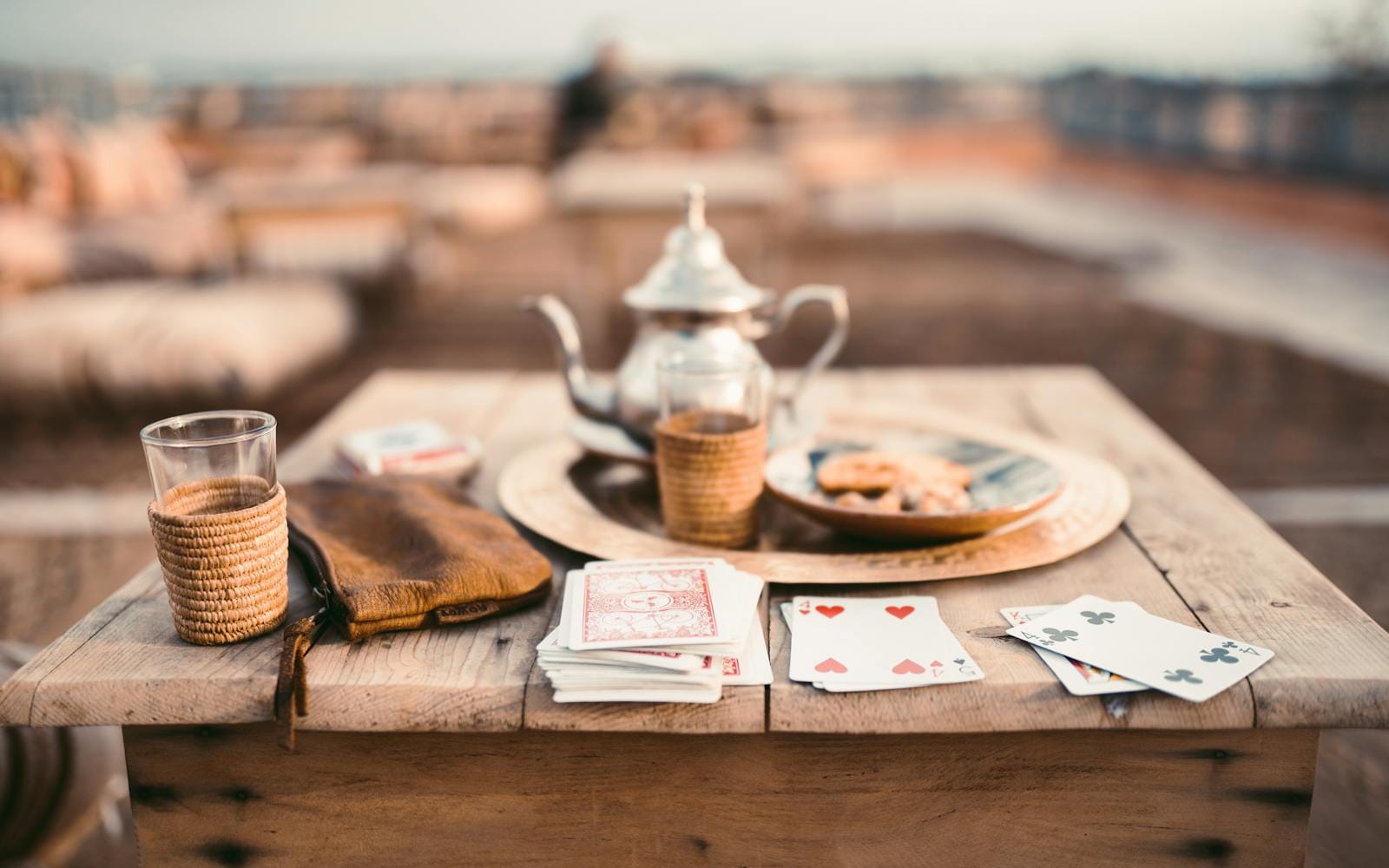
For many visitors, tea in Morocco is one of the most memorable parts of the journey. From a steaming glass of mint tea offered in a riad to a roadside stop in the Atlas Mountains, tea is everywhere and it plays a central role in Moroccan hospitality. But for travelers, especially parents traveling with children, an important question often arises: Is tea in Morocco safe to drink everywhere?
Concerns usually stem from water quality, hygiene standards, caffeine content, and sugar levels particularly for kids and teens. While Morocco is a welcoming and generally safe destination, drinking habits can differ from what travelers are used to at home. Understanding how tea is prepared, where it’s safest to drink, and when to take precautions can make a big difference in ensuring a healthy, enjoyable trip.
This guide focuses on travel safety and practical advice, not just cultural tradition. You’ll learn whether tea in Morocco is safe for tourists, how it’s made, what parents should know before letting children drink it, and how to avoid common health issues while traveling. By the end, you’ll be able to enjoy Moroccan tea with confidence without unnecessary worry.
- Explore Morocco with your kids stress-free! Private transport, kid-friendly hotels, and safe meals included. Plan Your Family Tour
- Experience the Atlas Mountains and Sahara Desert with hands-on fun for kids and comfort for parents. Customize Your Adventure
- Enjoy Morocco’s coasts and cities at a calm pace. Perfect for families with young children. Book Your Relaxed Tour
Why Tea in Morocco Is Everywhere
Tea in Morocco is more than just a drink it’s a symbol of welcome, respect, and social connection. Moroccan mint tea, usually made with green tea, fresh mint, and generous amounts of sugar, is served in homes, cafés, shops, and even government offices.
For travelers, this means you’ll be offered tea frequently, sometimes multiple times a day. Refusing tea can be perceived as impolite, although it’s always acceptable to decline politely. Understanding the cultural importance helps travelers navigate social situations while still making safe choices.
From a safety perspective, the popularity of tea in Morocco works in travelers’ favor. Because it is consumed daily by locals of all ages, its preparation follows long-established methods most importantly, boiling water, which significantly reduces health risks .
Is Tea in Morocco Safe to Drink for Travelers?
Yes, tea in Morocco is generally safe to drink for travelers, including families and first-time visitors. Traditional Moroccan mint tea is made with boiled water, which kills bacteria and makes it safer than untreated tap water. Tea is prepared fresh, served hot, and consumed daily by locals of all ages, making it one of the safest beverages to enjoy while traveling in Morocco. In hotels, riads, restaurants, and reputable cafés, tea hygiene standards are high, and there is very little risk for travelers.
However, it’s best to use common sense: drink tea from clean, reputable places, avoid tea served lukewarm, and be cautious with tea prepared in very basic roadside settings if you have a sensitive stomach. If you are concerned, you can ask whether bottled or filtered water was used, especially when traveling with kids. Overall, Moroccan mint tea is not only safe but also an important part of the country’s culture and hospitality, and most travelers enjoy it without any health issues.
That said, safety can vary depending on where you drink it:
Hotels, riads, and reputable cafés are generally very safe
Private homes often prepare tea carefully
Busy street stalls may vary in hygiene standards
For parents and cautious travelers, choosing where you drink tea matters just as much as what you drink.
How Moroccan Tea Is Prepared (And Why That Matters)
Understanding preparation helps explain why tea in Morocco is often safer than other drinks.
The Boiling Process
Traditional Moroccan tea preparation involves boiling water before adding green tea leaves. The tea is then steeped and poured from a height to aerate it, which does not affect safety but enhances flavor.
Boiling water is one of the most effective ways to eliminate waterborne pathogens. This is why many travel health guides state that hot tea is safer than tap water or drinks with ice .
Sugar and Mint Additions
Large amounts of sugar are typically added after boiling, along with fresh mint. While sugar doesn’t pose a hygiene risk, it can be a concern for children or travelers with dietary restrictions.
Tea vs Tap Water in Morocco
One of the most common travel questions is whether tea is safer than tap water. For most visitors, the answer is yes.
Tap water in Morocco is treated but may cause stomach upset for travelers not accustomed to it
Tea uses boiled water, reducing the risk of bacteria
Bottled water is still recommended for brushing teeth and staying hydrated
Many health and travel authorities advise following the “boil it, bottle it, or leave it” rule, which places tea in the “safe” category .
Is Tea in Morocco Safe for Children and Teenagers?
Caffeine Concerns
Moroccan mint tea contains green tea, which includes caffeine. While levels are lower than coffee, it can still affect children causing restlessness or difficulty sleeping.
Parent tip: Allow small amounts earlier in the day, or ask for weaker tea.
Sugar Content
Tea in Morocco is famously sweet. Excess sugar can be an issue for young children.
Good alternative: Ask for “atay bla sukkar” (tea without sugar) or request less sugar.
Hygiene for Kids
From a safety standpoint, tea made with boiled water is generally safer than juices mixed with tap water or drinks containing ice, which many travel health sources warn against .
Ready to Start Your Morocco Journey?
Let us help you design a smooth, affordable, and memorable journey crafted by local travel experts who know Morocco best.
Where Is Tea Safest to Drink in Morocco?
Tea is safest to drink in Morocco when it is prepared in clean, reputable places where hygiene standards are reliable. The safest locations include hotels, riads, licensed restaurants, cafés, and organized tour settings, where tea is made with boiled water and served hot. Tea offered in private homes is also very safe, as Moroccans traditionally boil water thoroughly when preparing mint tea and take pride in cleanliness and hospitality.
Travelers should be a bit more cautious with tea from informal street setups or roadside stalls, especially if the tea is served lukewarm or prepared in advance. For extra peace of mind, you can ask whether bottled or filtered water is used, particularly when traveling with children. Overall, as long as the tea is freshly brewed, hot, and served in reputable places, it is one of the safest drinks you can have while traveling in Morocco.
Hotels and Riads
These are the safest options for travelers and families. Staff are accustomed to international guests and hygiene standards are typically high.
Cafés and Restaurants
Busy cafés with high turnover usually prepare tea fresh and safely.
Homes and Family Visits
Tea offered in a private home is usually safe and prepared with care.
Street Vendors
While many are safe, standards vary. Parents may prefer avoiding street-served tea for younger children.
When You Should Be Cautious With Tea in Morocco
Even though tea in Morocco is generally safe, travelers should be cautious if:
The tea is lukewarm instead of hot
Cups appear unclean
The water source seems questionable
You have a sensitive stomach or immune condition
In such cases, bottled water may be the safer choice.
Tea Etiquette and Tourist Awareness
Some travelers encounter situations where tea is used as part of a sales tactic, particularly in busy tourist areas. A friendly invitation for tea may lead to pressure to buy goods or services.
This is not unsafe, but it’s important for travelers to be aware and comfortable declining politely if needed .
Common Myths About Tea in Morocco
Myth: All tea is made with tap water
Reality: Water is typically boiled firstMyth: Tourists should never drink tea
Reality: Tea is often safer than cold drinksMyth: Children should avoid tea entirely
Reality: Small amounts are usually fine with precautions
Need Help with Transportation in Morocco?
Book a reliable private driver for your Morocco family adventure today – personalized routes designed just for you, and get 30% off as a first-time visitor!
Quick Takeaways
Tea in Morocco is generally safe because it’s made with boiled water
It’s often safer than tap water or iced drinks
Parents should monitor caffeine and sugar for children
Hotels and cafés are the safest places to drink tea
Asking for less sugar is common and acceptable
Bottled water is still recommended for hydration
Tea is a key part of Moroccan hospitality
Conclusion
So, can you drink tea everywhere in Morocco, and is it safe? For most travelers and families, the answer is reassuringly positive. Thanks to boiling practices and long-standing tradition, tea in Morocco is one of the safer beverages for tourists, often safer than untreated tap water or cold drinks with ice.
That said, smart travel habits still matter especially for parents. Choosing reputable places, limiting caffeine for kids, and watching sugar intake can make tea an enjoyable part of your journey rather than a concern. Moroccan tea is meant to be shared, savored, and enjoyed slowly, and with a little awareness, it can become one of your trip’s highlights.
If you’re planning a family trip to Morocco, embracing local customs like tea drinking while staying informed adds depth to the experience and helps you connect with the culture in a safe, meaningful way.
─── Your questions, our answers.
Frequently Asked Questions
Our dedicated team is here to answer your Morocco Travel questions and ensure a smooth, memorable journey through Morocco.
Is tea in Morocco safe for tourists?
Yes, tea in Morocco is safe for tourists. Moroccan mint tea, made from green tea, fresh mint, and sugar, is traditionally brewed with boiled water, which kills most bacteria and ensures it is hygienic. Tea is served hot and freshly prepared in hotels, riads, restaurants, and cafés, making it one of the safest beverages you can enjoy while traveling. Tourists can enjoy it multiple times a day without concern, and it is a central part of Moroccan culture and hospitality. While street tea may occasionally carry higher risk if prepared in less clean conditions, tea from reputable establishments is completely safe.
Can children drink Moroccan mint tea?
Yes, children can drink Moroccan mint tea, but parents should note that it contains green tea, which has caffeine, and sugar. For younger children, it is best to offer smaller amounts or lighter tea. Moroccan families often serve tea to children as part of daily life, and in most cases, it is safe if consumed in moderation. Alternatively, herbal teas like verbena, chamomile, or other caffeine-free infusions are widely available and are excellent options for younger kids or teenagers who want to enjoy the local tea culture safely.
Is tea safer than tap water in Morocco?
Yes, tea is safer than tap water in Morocco for most travelers. Tap water in certain areas, especially rural regions or older cities, may contain bacteria that can upset the stomach of visitors. Boiling the water for tea eliminates these risks, making it a safer alternative for tourists and families. Because Moroccan mint tea is always brewed fresh with boiling water, it provides a safe and hydrating beverage option while traveling, even for those with sensitive stomachs.
Should I avoid tea from street vendors?
While most street vendors are careful, it is generally wise to be cautious with tea from informal roadside stalls, especially if it has been sitting out or is lukewarm. Freshly brewed tea from licensed cafés, hotels, or riads is a safer choice, particularly for children, teenagers, or travelers with sensitive digestion. Street tea can be safe if freshly prepared, but prioritizing well-established locations reduces any potential risk.
Can I ask for tea without sugar in Morocco?
Yes, you can ask for tea without sugar in Morocco, though it is less common. Moroccan mint tea is traditionally sweetened heavily, but many cafés, hotels, and guides are happy to adjust the sweetness on request. Tourists concerned about sugar intake, children, or those preferring a lighter flavor can simply request “sans sucre” (without sugar), and the tea will be prepared to taste while remaining perfectly safe.

Kate Carter
Family Travel Blogger
Kate Carter is a mom and travel blogger who fell in love with Morocco’s culture and warmth. Through Morocco Family Vacation, she shares tips and stories to help travelers enjoy authentic, stress-free experiences. Join us along the way.
Table of Contents
Our Services
-
Private Family Tours
-
Custom Itineraries
-
Sahara Desert Tours
-
Chefchaouen & Northern Morocco Tours
-
Luxury Desert Camping
-
Multi-Day Tours (2–16 Days)
-
Atlas Mountains Trips
-
Cooking Classes & Market Visits
-
Photography & Heritage Tours
-
Airport Transfers & Private Transport
-
Custom Birdwatching Tour in Morocco
-
24/7 Tour Support & booking Flexibility

At Morocco Family Vacation, we create custom Morocco tour packages designed around your interests and travel style. As a dedicated and independent travel agency, we specialize in private Morocco tours offering memorable desert adventures, cultural experiences, and family friendly itineraries while delivering attentive, personalized service from start to finish.
Popular Tours
Latest Posts



#Morocco in February
#Morocco weather in February
#February temperatures in Morocco
#Weather in Morocco in February
#Morocco travel guide February