
How to Say Hello in Moroccan?
how to say hello in moroccan? (Family Travel Guide)
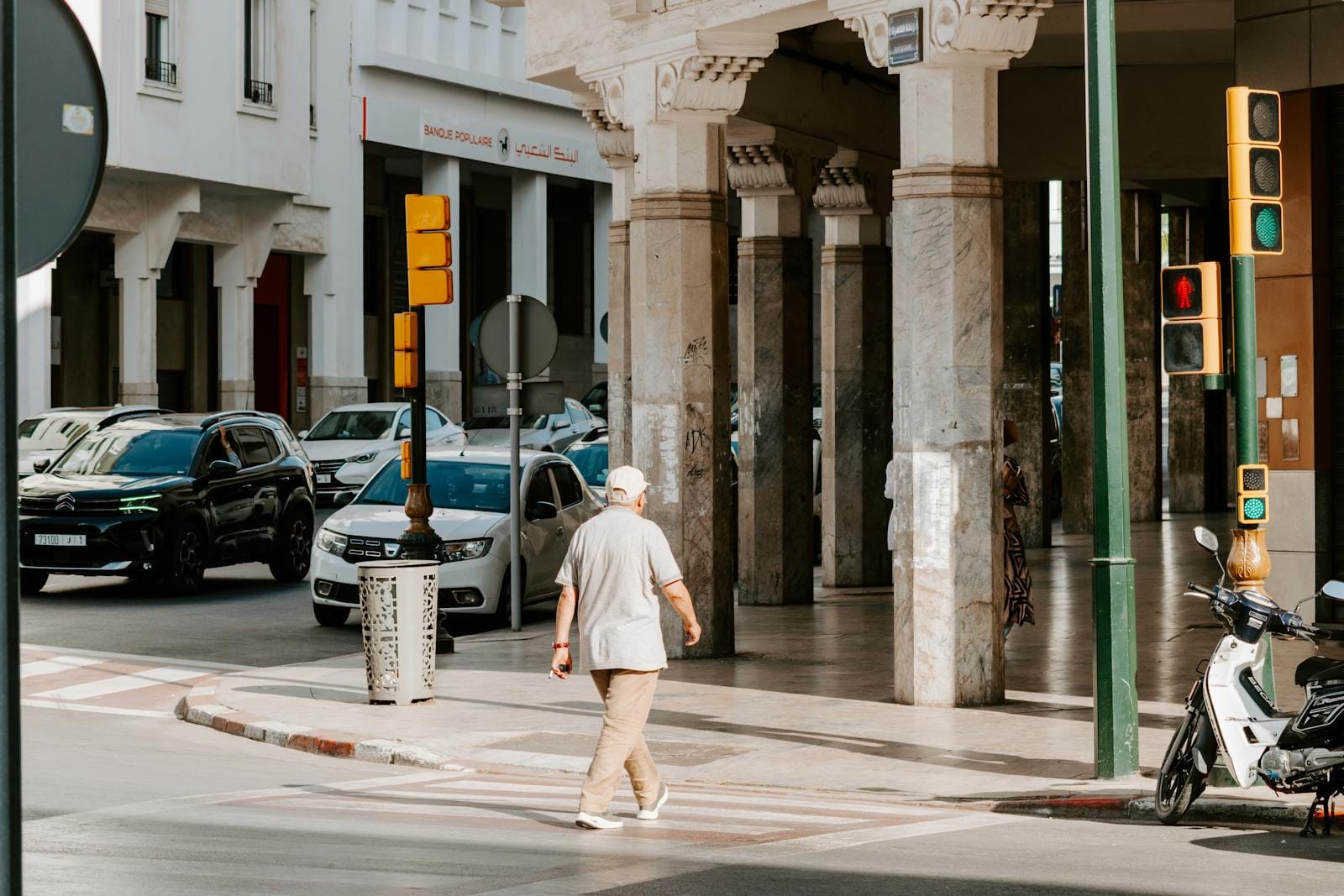
If you’re planning a family trip to Marrakech, one of the easiest ways to connect with locals is learning how to say hello in Moroccan. Even a simple greeting can turn a quick interaction into a warm, memorable moment especially when traveling with kids. Moroccan culture values hospitality and respectful communication, and parents often notice that locals respond even more positively when children try basic Darija phrases.
In Morocco, greetings go far beyond a simple “hi.” They include friendly questions, cultural etiquette, and time-of-day expressions that make conversations feel personal and welcoming. Knowing how to say hello in Moroccan will help your family navigate markets, restaurants, riads, and tours more confidently while teaching children valuable cultural awareness.
In this guide, you’ll learn practical greetings, pronunciation tips, cultural insights, and real-life examples tailored for travelers and parents visiting Marrakech. By the end, you’ll feel ready to greet shop owners, guides, and new friends naturally and maybe even spark a smile from locals along the way.
- Explore Morocco with your kids stress-free! Private transport, kid-friendly hotels, and safe meals included. Plan Your Family Tour
- Experience the Atlas Mountains and Sahara Desert with hands-on fun for kids and comfort for parents. Customize Your Adventure
- Enjoy Morocco’s coasts and cities at a calm pace. Perfect for families with young children. Book Your Relaxed Tour
How do Moroccans say thank you?
Moroccans commonly say “Shukran” (شكراً), pronounced “shoo-krahn.” It is polite, widely understood, and used in almost any situation. For a casual, friendly reply to thanks, locals often say “La Tik Saha”, meaning “don’t mention it” or “you’re welcome.”
Understanding Moroccan Greetings
Moroccan greetings are an essential part of daily communication, and learning how to say hello in Moroccan goes far beyond memorizing a single word. In Morocco, the spoken dialect is Darija, a blend of Arabic, Amazigh, French, and Spanish influences. Travelers often hear “Salam” used everywhere from local markets to family homes making it the easiest starting point for beginners.
For families visiting Marrakech, understanding greetings creates smoother interactions. When parents encourage kids to say hello in Morocco, locals usually respond warmly and may even teach them more words. This cultural exchange is part of what makes Morocco such a family-friendly destination.
Why Greetings Matter in Moroccan Culture
In Morocco, greetings reflect respect and hospitality. Conversations often begin with several friendly phrases rather than a quick “hi,” and locals may ask about your well-being before getting down to business.
For example, a typical greeting might sound like:
“Salam!”
“Labas?” (How are you?)
Parents traveling with children will notice that shop owners and guides often engage kids directly if they attempt these phrases. Teaching children to greet respectfully can make cultural interactions feel more natural and memorable.
Unique Insight: Unlike many Western countries where greetings are brief, Moroccan conversations treat greetings as a mini social ritual. Slowing down and embracing this rhythm helps families feel less like tourists and more like welcomed guests.
What does La Tik Saha mean?
“La Tik Saha” (لا تك صّحة) literally translates to “don’t mention it.” Moroccans use it informally to respond to someone saying thank you. It’s friendly, relaxed, and shows that the action or favor wasn’t a problem.
The Most Common Ways to Say Hello in Moroccan
When learning hello in Morocco, start with the most universal expressions. These phrases work in almost any situation and are easy for children to remember.
Salam – The Universal Hello
“Salam” is the simplest and most common greeting in Moroccan Arabic. It literally means “peace,” but functions as a friendly hello used throughout the day.
Parents often find this word perfect for kids because it’s short, easy to pronounce, and always appropriate whether entering a shop or greeting your riad host.
Salam Alikoum – Polite and Respectful
A more formal version of hello in Morocco is “Salam Alikoum,” often used when addressing elders, shopkeepers, or people you meet for the first time.
Response:
“Wa Alikoum Salam”
Teaching children this exchange can feel like a fun call-and-response game during family outings.
Labas? – Casual Friendly Greeting
Another popular phrase is “Labas?” which means “How are you?” and often replaces hello among friends.
Family Tip: Encourage kids to say “Salam, Labas?” together locals love hearing the effort.
Unique Insight: Many travel blogs stop at listing phrases, but understanding when to switch between Salam and Labas helps families sound more natural and less like they memorized a phrasebook.
How do I say “hi” in Moroccan?
The most common greeting in Moroccan Arabic (Darija) is “Salam” (سلام), short for “As-Salamu Alaykum”, which means “peace be upon you.” You can respond with “Wa Alaykum Salam” to return the greeting politely.
How do you greet in Moroccan?
In Morocco, the most common greeting is “Salam Alaikum” (السلام عليكم), which means “Peace be upon you.” This greeting reflects the warmth and hospitality of Moroccan culture. It’s usually accompanied by a smile and sometimes a handshake or cheek kiss between friends and family. The proper response is “Wa Alaikum Salam” (و عليكم السلام), meaning “And upon you be peace.” In casual situations, you might also hear just “Salam” as a friendly, quick hello.
Sbah Lkhir – Morning Greeting
“Sbah Lkhir” means “good morning” and is commonly used until midday.
Kids can practice this phrase during breakfast at the riad or when greeting tour guides early in the day.
Msa Lkhir – Evening Greeting
After late afternoon, locals switch to “Msa Lkhir,” meaning good evening.
Parents often notice that staff in restaurants appreciate hearing hello in Morocco with the correct time-based greeting it shows effort and respect.
Kid-friendly safety tip
Turn greetings into a travel game: each child learns one phrase per day.
Practice during taxi rides or walking tours.
Encourage kids to greet guides first it builds confidence.
Unique Insight: Families who learn time-based greetings often receive more detailed conversations with locals, which can lead to personalized travel recommendations.
Ready to Start Your Morocco Journey?
Book your trip today with our expert planners, enjoy personalized itineraries and travel needs, and claim 30% off as a first-time visitor!
What does Mashi Mushkil mean?
“Mashi Mushkil” (ماشي مشكل) means “no problem” or “it’s okay.” It is often used to reassure someone that something is not an issue or inconvenience. It’s informal, friendly, and common in everyday Moroccan conversations.
How do you say basic phrases in Morocco?
Moroccans speak Darija, a Moroccan Arabic dialect, which has many unique expressions. Here are some essential phrases:
Hello / Hi: Salam (سلام) – informal and friendly.
How are you?: Labas? (لاباس؟) – literally “No harm?”, used like “Are you okay?”
Yes / No: Ih (إيه) / La (لا)
Please: Afak (عفاك) – used in polite requests.
Goodbye: Bslama (بسلامة) – literally “Go with safety.”
Excuse me / Sorry: Smh li (سمح لي) – polite for bumping into someone or asking for help.
Knowing these few phrases will make locals feel appreciated and welcomed
How Kids Can Use Moroccan Greetings
Teaching children hello in Morocco isn’t just fun it’s educational. Kids quickly learn cultural empathy when they see how locals react positively to their efforts.
Easy Phrases for Children
Start with:
Salam
Labas?
Shukran (Thank you)
These phrases are simple enough for younger travelers and help create meaningful interactions in markets or cafés.
Making Greetings Fun During Travel
Parents can turn language learning into a mini adventure:
Give kids a “phrase challenge” each day.
Let them greet shop owners first.
Practice pronunciation together before tours.
Unique Insight: Children often break cultural barriers faster than adults. In Marrakech, kids using basic greetings frequently spark conversations that lead to unexpected cultural exchanges.
What does La Tik Saha mean? How do I say I’m good in Morocco?
“La Tik Saha” (لا تيك صحة) is a casual expression that can mean “No worries” or “It’s okay, take care.” It’s often used after someone apologizes or when politely declining something.
To say “I’m good” or “I’m fine,” say “Ana bikhir” (أنا بخير). You can also add “Alhamdulillah” (الحمد لله), meaning “Thanks to God,” which is commonly used to show contentment or gratitude in Moroccan culture.
Pronunciation Tips for English Speakers
Learning how to say hello in Moroccan becomes easier when you understand a few pronunciation basics.
Key Sounds
Darija includes sounds like:
Kh – similar to the Scottish “loch.”
Gh – a deeper French-style “r.”
Parents don’t need perfect pronunciation locals appreciate effort more than accuracy.
Practice Techniques
Listen to locals and mimic rhythm rather than individual letters.
Use repetition games with kids.
Break phrases into syllables: Sa-lam, Sbah-l-khir.
Unique Insight: Many families worry about accents, but Moroccan culture values intention over perfection especially when children try speaking.
Need Help with Transportation in Morocco?
Book a reliable private driver for your Morocco family adventure today – personalized routes designed just for you, and get 30% off as a first-time visitor!
Greeting Etiquette in Marrakech
Understanding etiquette helps families avoid awkward moments while using hello in Morocco.
Handshakes and Social Norms
Handshakes are common, and greetings often include follow-up questions about well-being.
Between close friends or same-gender relatives, cheek kisses may occur.
Greeting Shop Owners vs Guides
Shop owners: Salam Alikoum is polite.
Tour guides: Salam or Labas works well.
Restaurant staff: Use time-based greetings.
Unique Insight: Greeting etiquette teaches children cultural respect — an educational experience beyond sightseeing.
Real Travel Situations Where You’ll Use Hello in Morocco
In Riads
Say “Sbah Lkhir” to hosts in the morning it creates a welcoming atmosphere.
In Souks
Start every interaction with Salam. Bargaining conversations feel friendlier when opened with hello in Morocco.
During Tours
Guides appreciate families who greet them warmly. It sets a positive tone for the day.
Unique Insight: Travelers who begin conversations with greetings often receive more helpful service and insider tips.
Common Mistakes Travelers Make
Many visitors misunderstand how to say hello in Moroccan naturally.
Overusing Formal Arabic
Some travelers rely only on classical Arabic phrases, but locals speak Darija daily.
Forgetting Follow-Up Questions
Greetings usually include:
Labas?
Kolshi bikhir?
Skipping these can make interactions feel abrupt.
Unique Insight: Treat greetings like small conversations rather than single words.
Beyond Hello: Polite Words That Complete the Greeting
To sound natural, combine hello in Morocco with polite expressions.
Shukran – Thank you
Afak – Please
Beslama – Goodbye
Parents can teach kids a simple phrase chain:
“Salam… Labas?… Shukran!”
Why Learning Hello in Morocco Enhances Family Travel
Learning hello in Morocco transforms a trip from sightseeing into cultural immersion.
Cultural Connection for Kids
Children feel proud when locals understand them. This boosts confidence and curiosity about languages.
Building Trust with Locals
Simple greetings show respect and often lead to warmer interactions, helpful advice, and memorable experiences.
Unique Insight: Families who engage linguistically often discover hidden gems small cafés, quiet riads, or local activities not listed in guidebooks.
Quick Takeaways
“Salam” is the easiest way to say hello in Morocco anytime.
Time-based greetings like Sbah Lkhir and Msa Lkhir make interactions more natural.
Kids using Darija phrases often receive warm responses from locals.
Greetings are a cultural ritual, not just a single word.
Combine hello with Labas? or Shukran for authentic conversations.
Perfect pronunciation isn’t necessary effort matters most.
Conclusion
Learning how to say hello in Moroccan is one of the simplest yet most powerful ways to enrich your family’s experience in Marrakech. A small word like “Salam” can open doors to friendly conversations, genuine smiles, and deeper cultural understanding. For parents traveling with kids, these greetings become more than language lessons they turn everyday moments into interactive cultural experiences.
Whether your family is wandering through colorful souks, enjoying a traditional riad breakfast, or meeting a local guide for an Atlas Mountains adventure, using hello in Morocco helps you connect beyond the surface of tourism. Children gain confidence, parents feel more engaged, and locals often respond with extra warmth and helpfulness.
Before your trip, practice a few phrases together and encourage your kids to try them during your travels. If you’re planning a family journey and want more tips, itineraries, or cultural insights, explore our Morocco travel resources and start building a more meaningful adventure today.
─── Your questions, our answers.
Frequently Asked Questions
Our dedicated team is here to answer your Morocco Travel questions and ensure a smooth, memorable journey through Morocco.
What is the easiest way to say hello in Morocco?
The simplest greeting is “Salam.” It works in both casual and formal settings and is widely understood across the country.
How do kids say hello in Moroccan Arabic?
Children can use easy phrases like Salam or Labas. These are beginner-friendly and perfect for family travel situations.
Do I need to speak Arabic when visiting Marrakech?
No, but learning hello in Morocco and a few polite words helps create better interactions with locals.
What is Allahumma barik?
“Allahumma barik” (اللهم بارك) is an Arabic phrase meaning “May God bless [it/him/her].” It’s often said when praising someone’s child, gift, house, or achievement. For example, if a friend shows you their newborn baby, you might say “Allahumma barik fihi / fiha” (“May God bless him/her”). It’s a phrase that combines admiration with a spiritual blessing, showing both respect and good wishes.

Kate Carter
Family Travel Blogger
Kate Carter is a mom and travel blogger who fell in love with Morocco’s culture and warmth. Through Morocco Family Vacation, she shares tips and stories to help travelers enjoy authentic, stress-free experiences. Join us along the way.
Table of Contents
Our Services
-
Private Family Tours
-
Custom Itineraries
-
Sahara Desert Tours
-
Chefchaouen & Northern Morocco Tours
-
Luxury Desert Camping
-
Multi-Day Tours (2–16 Days)
-
Atlas Mountains Trips
-
Cooking Classes & Market Visits
-
Photography & Heritage Tours
-
Airport Transfers & Private Transport
-
Custom Birdwatching Tour in Morocco
-
24/7 Tour Support & booking Flexibility
At Morocco Family Vacation, we create custom Morocco tour packages designed around your interests and travel style. As a dedicated and independent travel agency, we specialize in private Morocco tours offering memorable desert adventures, cultural experiences, and family friendly itineraries while delivering attentive, personalized service from start to finish.
Popular Tours
Latest Posts
get in touch
#Morocco alcohol laws
#Drinking in Morocco
#Cultural etiquette Morocco
#Morocco nightlife
#Local beer Morocco