
What Medication Can You Take to Morocco?
What Medication Can You Take to Morocco? A Complete Guide to Medication in Morocco
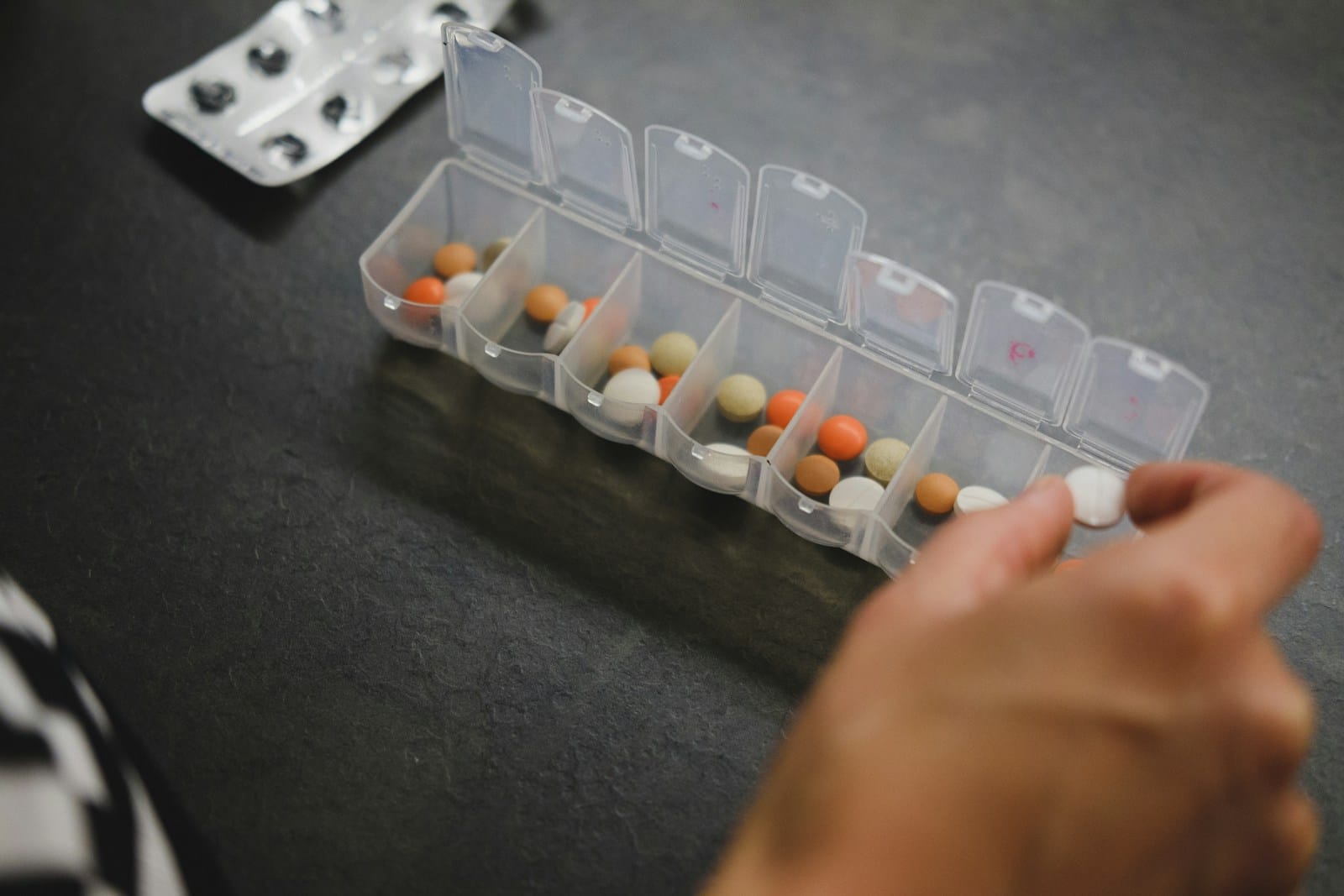
Traveling to Morocco with your family can be an unforgettable experience vibrant cities, rich culture, desert adventures, and warm hospitality. However, one critical part of trip preparation is often overlooked: medication in Morocco. Whether you are traveling with children, managing a chronic condition, or simply want to be prepared for common travel illnesses, understanding what medication you can bring to Morocco is essential.
Many parents and travelers worry about airport customs, restricted drugs, and whether they can find their usual medicine once they arrive. The good news is that Morocco allows travelers to bring personal medications, but there are specific rules, documentation requirements, and practical considerations you must follow.
This comprehensive guide explains exactly what medication you can take to Morocco, how Moroccan customs handles medicines, what is available in local pharmacies, and how parents can prepare a family travel pharmacy. By the end, you will feel confident, prepared, and stress-free when traveling with medication in Morocco.
- Explore Morocco with your kids stress-free! Private transport, kid-friendly hotels, and safe meals included. Plan Your Family Tour
- Experience the Atlas Mountains and Sahara Desert with hands-on fun for kids and comfort for parents. Customize Your Adventure
- Enjoy Morocco’s coasts and cities at a calm pace. Perfect for families with young children. Book Your Relaxed Tour
What Medication Can You Take to Morocco?
Travelers can bring most common medications to Morocco for personal use without issues. Over-the-counter medicines such as paracetamol (acetaminophen), ibuprofen, aspirin, allergy tablets, cold and flu remedies (non-codeine), motion-sickness pills, and stomach medicine are allowed. These are also widely available in Moroccan pharmacies.
Prescription medications for chronic conditions (such as asthma inhalers, diabetes medication, blood-pressure medicine, thyroid medication, and birth control) are generally permitted if carried in original packaging. It’s strongly recommended to bring a copy of your prescription or a doctor’s letter, especially for longer stays.
Morocco is strict about controlled medications. Drugs containing codeine, tramadol, morphine, benzodiazepines (Valium, Xanax), strong sleeping pills, or some ADHD medications may be restricted. If you must bring them, carry medical documentation, bring only a personal supply, and declare them at customs.
Do not carry unlabeled pills, large quantities, or illegal substances. When unsure, check with your doctor or embassy before traveling. Overall, Morocco is medication-friendly for tourists who travel prepared and follow documentation rules.
Understanding Medication Rules Before You Travel to Morocco
Before packing your suitcase, it is important to understand how Moroccan authorities regulate medication in Morocco at the border.
Morocco allows travelers to bring medication strictly for personal use. This means:
Quantities should match the length of your stay
Medication must not be intended for resale or distribution
Medicines should be clearly identifiable
Customs officers may inspect medications, especially if you are carrying prescription drugs or controlled substances. Having your medication properly packed and documented significantly reduces delays or complications at the airport.
What “Personal Use” Means
Personal use generally refers to:
A supply covering your stay (usually up to 90 days)
Medication prescribed specifically to you or your child
No bulk or excessive quantities
If you bring unusually large amounts, customs officials may ask for additional justification or documentation.
Controlled and Restricted Medications
Some drugs are considered controlled substances in Morocco, including:
Strong painkillers (opioids)
Certain anxiety or sleep medications (benzodiazepines)
ADHD medications containing stimulants
Psychotropic or narcotic drugs
For these medications, Moroccan authorities may require:
A detailed doctor’s letter
A prescription
A signed declaration stating the medication is for personal use only
Do I need to declare prescription medication at customs?
You should declare prescription medication only if it is a controlled drug or if you are carrying more than a personal supply. For safety, carry a doctor’s letter explaining the medication, dosage, and medical need, especially if the medication is strong or uncommon.
What meds should I bring to Morocco?
Travelers should bring basic over-the-counter medicines such as paracetamol (acetaminophen), ibuprofen, allergy medication, motion sickness tablets, stomach remedies, and personal prescription medications. Always bring medicines in their original packaging, along with a doctor’s prescription or medical letter, especially for long-term or controlled medications.
Preparing Your Medications for Travel
Proper preparation is the single most important factor when traveling with medication in Morocco.
Always Use Original Packaging
All medications should be kept in their original pharmacy packaging. Labels should clearly show:
Your name
Medication name
Dosage
Prescribing doctor
Avoid transferring pills into unmarked containers, as this can raise red flags at customs
Doctor’s Letter or Prescription
A doctor’s letter is strongly recommended, especially for prescription or controlled medication. The letter should include:
Your full name
Medical condition being treated
Medication names (generic names preferred)
Dosage and treatment duration
Doctor’s signature and contact information
If possible, carry the letter in English or French, as French is widely used in Morocco.
Your Travel Pharmacy Checklist
In addition to prescriptions, most travelers should pack:
Pain relievers (paracetamol or ibuprofen)
Anti-diarrheal medication
Oral rehydration salts
Antihistamines for allergies
Antacids
Motion sickness medication
Thermometer
Hand sanitizer and disinfectant wipes
Parents traveling with children should include child-safe versions of these medications.
What can you not take into Morocco?
You cannot bring illegal drugs, narcotics, pornographic material, drones (without permission), weapons, or restricted medications into Morocco. Certain prescription drugs that affect the nervous system are also restricted. Always check medication rules before traveling.
Do you have to declare prescription drugs at customs?
Yes, you should declare prescription drugs at customs if they include controlled substances or if you are carrying a large quantity. Declaring medication with proper documentation helps avoid delays or confiscation. For common medications in small personal quantities, declaration is usually not required, but transparency is recommended.
Documentation and Legal Requirements in Morocco
While Morocco is traveler-friendly, documentation matters when it comes to medication in Morocco.
What Documents Should You Carry?
Prescription copies
Doctor’s letter
Pharmacy receipts (if available)
Travel insurance details
These documents should be kept in your carry-on luggage and easily accessible.
Customs Declaration
In most cases, travelers are not required to declare standard personal medication. However, if you are carrying:
Controlled substances
Injectable medications
Large quantities
It is advisable to proactively declare them and present documentation.
Being transparent and organized typically results in smooth entry.
Ready to Start Your Morocco Journey?
Let us help you design a smooth, affordable, and memorable journey crafted by local travel experts who know Morocco best.
Can I take paracetamol and ibuprofen to Morocco?
Yes, paracetamol and ibuprofen are allowed in Morocco. These are common over-the-counter medications and can be brought in reasonable personal quantities. They are also widely available in Moroccan pharmacies without a prescription.
Over-the-Counter Medication in Morocco
One advantage of traveling to Morocco is the wide availability of pharmacies, especially in cities like Marrakech, Casablanca, and Rabat.
Common OTC Medication Available
Most Moroccan pharmacies stock:
Paracetamol (acetaminophen)
Ibuprofen
Cold and flu medicine
Anti-diarrheal medication
Allergy medication
Antiseptics and bandages
Pharmacists are trained professionals and often provide advice without requiring a doctor’s visit.
Brand Names vs Generics
You may not find the same brand names you use at home, but generic equivalents are widely available and regulated.
Prescription Medication in Morocco
Prescription medication in Morocco is accessible but may differ from what you are used to.
Chronic Condition Medications
Many medications for:
Diabetes
Blood pressure
Heart disease
Asthma
are available in Moroccan pharmacies, though brands and dosages may vary.
Injectable Medication
If you travel with insulin, EpiPens, or other injectables:
Carry a doctor’s letter
Pack cooling storage if required
Keep medication in your carry-on luggage
Controlled Substances: Critical Information
Controlled drugs require extra caution when traveling with medication in Morocco.
Examples of Restricted Medication
Morphine-based painkillers
Benzodiazepines (diazepam, alprazolam)
ADHD stimulants
Certain antidepressants
What You Should Do
Carry detailed medical documentation
Bring only the exact amount needed
Never share medication
Take unused medication back with you
Failure to comply may result in confiscation or legal issues.
Medication Availability: Cities vs Rural Areas
While cities have excellent pharmacy access, rural areas and desert regions may have limited options.
Urban Areas
Pharmacies are widespread
Many open late or 24/7
Better stock variety
Rural and Desert Areas
Limited pharmacy access
Smaller inventory
Bring everything you need in advance
Parents traveling to the Atlas Mountains or Sahara regions should be especially prepared.
Storing and Transporting Medication Safely
Morocco’s climate can affect medication stability.
Heat Protection
Avoid leaving medication in hot cars
Use insulated travel cases
Store medicine in cool, shaded places
Air Travel Tips
Keep medication in carry-on luggage
Bring extra supplies in case of delays
Pack liquids following airline regulations
Need Help with Transportation in Morocco?
Book a reliable private driver for your Morocco family adventure today – personalized routes designed just for you, and get 30% off as a first-time visitor!
Traveling With Kids: Parent-Specific Advice
For parents, managing medication in Morocco requires extra planning.
Essential Children’s Medications
Fever reducers
Allergy medicine
Motion sickness medication
Digestive aids
Any regular prescriptions
Practical Tips
Bring dosing syringes or spoons
Keep medicine accessible
Pack backup supplies
Children often react differently to climate and food changes, so preparation is key.
What If You Forget or Run Out of Medication?
If you run out of medication in Morocco:
Visit a local pharmacy
Consult a doctor if needed
Obtain a Moroccan prescription if required
Private clinics in major cities offer reliable medical care.
Long-Term Travelers and Expats
If you plan to stay longer than 90 days:
Coordinate refills with local doctors
Understand Moroccan prescription rules
Consider international health insurance
Many expats successfully manage long-term medication needs in Morocco.
Medication You Should Not Bring to Morocco
Avoid bringing:
Unlabeled medication
Illegal drugs
Excessive quantities
Medication prescribed to someone else
When in doubt, consult your doctor or the Moroccan consulate.
Safety, Counterfeits, and Buying Medicine
Always purchase medication from licensed pharmacies. Avoid:
Street vendors
Informal sellers
Unverified online sources
Licensed pharmacies display a green cross sign.
Cultural Tips for Buying Medication in Morocco
Pharmacists are approachable and often helpful. Basic French phrases can be useful, but many pharmacists also speak English in tourist areas.
Packing a Practical Travel First Aid Kit
Basic Checklist:
Pain relief
Digestive medication
Allergy medication
Bandages
Antiseptic
Thermometer
This ensures peace of mind during your trip.
Quick Takeaways
Medication in Morocco is allowed for personal use
Original packaging and documentation are essential
Controlled substances require extra care
Pharmacies are reliable in cities
Parents should pack a full family travel pharmacy
Carry medication in your hand luggage
Plan ahead for rural travel
Conclusion
Traveling with medication in Morocco does not have to be complicated. With proper preparation, documentation, and awareness of local regulations, families and travelers can confidently manage their health needs while enjoying everything Morocco has to offer. Moroccan pharmacies are accessible, medical professionals are well trained, and the healthcare system is reliable in major cities.
By planning ahead especially if you are traveling with children you eliminate unnecessary stress and ensure your trip remains focused on exploration, culture, and unforgettable family moments. Always consult your doctor before travel, double-check medication requirements, and pack thoughtfully.
If you are planning a family trip to Morocco and want local guidance, itinerary planning, or travel support, feel free to reach out and make your journey smooth and worry-free.
─── Your questions, our answers.
Frequently Asked Questions
Our dedicated team is here to answer your Morocco Travel questions and ensure a smooth, memorable journey through Morocco.
Can I bring prescription medication to Morocco?
Yes, as long as it is for personal use and properly documented.
Do I need to declare medication at the airport?
Only if carrying controlled substances or large quantities.
Is medication easy to find in Morocco?
Yes, especially in cities, though brand names may differ.
What prescription drugs are not allowed in Morocco?
Morocco strictly prohibits certain prescription drugs, especially narcotics, strong painkillers, and psychotropic medications. Drugs containing codeine, morphine, tramadol, methadone, oxycodone, benzodiazepines (such as Valium or Xanax), and some ADHD medications may be restricted or banned without prior authorization. Even if these medicines are legal in your home country, they can be illegal in Morocco unless you carry official medical documentation and approval.

Kate Carter
Family Travel Blogger
Kate Carter is a mom and travel blogger who fell in love with Morocco’s culture and warmth. Through Morocco Family Vacation, she shares tips and stories to help travelers enjoy authentic, stress-free experiences. Join us along the way.
Table of Contents
Our Services
-
Private Family Tours
-
Custom Itineraries
-
Sahara Desert Tours
-
Chefchaouen & Northern Morocco Tours
-
Luxury Desert Camping
-
Multi-Day Tours (2–16 Days)
-
Atlas Mountains Trips
-
Cooking Classes & Market Visits
-
Photography & Heritage Tours
-
Airport Transfers & Private Transport
-
Custom Birdwatching Tour in Morocco
-
24/7 Tour Support & booking Flexibility
At Morocco Family Vacation, we create custom Morocco tour packages designed around your interests and travel style. As a dedicated and independent travel agency, we specialize in private Morocco tours offering memorable desert adventures, cultural experiences, and family friendly itineraries while delivering attentive, personalized service from start to finish.
Popular Tours
Latest Posts


#Morocco in February
#Morocco weather in February
#February temperatures in Morocco
#Weather in Morocco in February
#Morocco travel guide February