
Sijilmassa Morocco
Sijilmassa Morocco: Lost City of Gold & Ancient Desert Capital
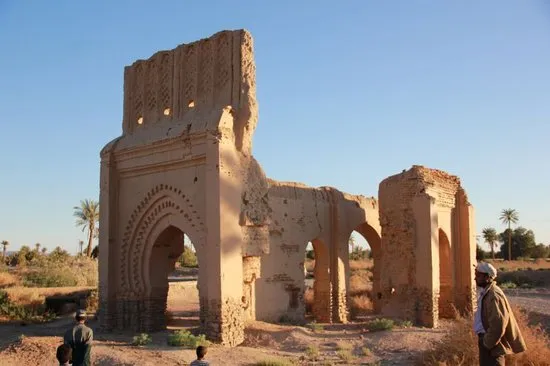
Hidden beneath the sands of southeastern Morocco lies one of the country’s most fascinating yet least-known historical treasures: Sijilmassa Morocco. Once a powerful desert metropolis and a vital hub of trans-Saharan trade, Sijilmassa connected North Africa to the riches of sub-Saharan kingdoms for nearly a thousand years. Gold, salt, spices, scholars, and pilgrims all passed through its gates, transforming this oasis city into an economic and cultural powerhouse of the medieval Islamic world.
Today, Sijilmassa is re-emerging from obscurity. Recent archaeological discoveries including Morocco’s oldest known mosque and evidence of gold minting are reshaping how historians understand early Moroccan civilization. For travelers, history lovers, and cultural explorers, Sijilmassa Morocco offers a rare opportunity to step into a forgotten chapter of global history, far from crowded tourist routes.
In this in-depth guide, you’ll discover what Sijilmassa was, why it mattered, what archaeologists are uncovering today, and how you can visit this extraordinary site. From its rise as a desert capital to its role in shaping Morocco’s identity, this article reveals why Sijilmassa deserves a place on every culturally curious traveler’s radar.
Discover the legendary desert city with a private, expertly guided experience:
Visit the ancient ruins of Sijilmassa Morocco
Explore Rissani, the historic gateway to the Sahara
Learn about the trans-Saharan gold trade with local guides
Combine Sijilmassa with the Tafilalet Oasis and desert landscapes
Travel at your own pace with custom, private tours
What Is Sijilmassa?
Sijilmassa Morocco was an ancient Islamic city located in the Tafilalet region of southeastern Morocco, near today’s town of Rissani. Founded in the 8th century, it became one of the earliest urban centers in the Maghreb and a cornerstone of trans-Saharan trade networks.
An Oasis City at the Edge of the Sahara
Sijilmassa emerged along the banks of the Ziz River, where underground water and fertile soil allowed agriculture to flourish in an otherwise harsh desert environment. Date palms, grain fields, and irrigation systems sustained both residents and the massive caravans arriving from the Sahara.
Unlike coastal cities that relied on maritime trade, Sijilmassa Morocco thrived because of its inland location. It served as a desert gateway the last major stop before caravans crossed the Sahara or entered North Africa’s urban heartlands.
A Strategic Crossroads of Continents
Sijilmassa emerged along the banks of the Ziz River, where underground water and fertile soil allowed agriculture to flourish in an otherwise harsh desert environment. Date palms, grain fields, and irrigation systems sustained both residents and the massive caravans arriving from the Sahara.
Unlike coastal cities that relied on maritime trade, Sijilmassa Morocco thrived because of its inland location. It served as a desert gateway the last major stop before caravans crossed the Sahara or entered North Africa’s urban heartlands.
A Strategic Crossroads of Continents
What made Sijilmassa exceptional was its position at the crossroads of Africa. It linked:
West African gold-producing empires
North African Islamic states
Mediterranean and Middle Eastern markets
Gold from the south, salt from desert mines, textiles from the north, and manuscripts from Islamic centers all converged here. This strategic role turned Sijilmassa into one of the wealthiest cities of its time and earned it the reputation as a “city of gold.”
The Founding of Sijilmassa Morocco
The story of Sijilmassa Morocco begins around 757 CE, during a period of rapid Islamic expansion and regional independence movements across North Africa.
The Midrarid Dynasty and Berber Roots
Sijilmassa was founded by the Midrarid dynasty, a Berber-led Islamic state that established its authority independently from the Abbasid Caliphate. This autonomy allowed the city to develop its own political, religious, and economic systems.
The Midrarids embraced Islam early while preserving local Amazigh traditions. This cultural blend helped Sijilmassa attract diverse populations, including traders, scholars, artisans, and religious figures.
Early Islamic Influence in Morocco
As one of Morocco’s earliest Islamic cities, Sijilmassa played a crucial role in spreading Islam across the region. Mosques, schools, and courts were established early, making the city a religious as well as commercial center.
This dual role spiritual and economic set the foundation for Sijilmassa’s long-lasting influence in Moroccan history.
Sijilmassa’s Golden Age
Between the 9th and 13th centuries, Sijilmassa Morocco reached its peak. During this period, the city became indispensable to global trade and Islamic scholarship.
Heart of the Trans-Saharan Trade
Sijilmassa was the northern terminus of major caravan routes linking Morocco with ancient African empires such as Ghana and Mali. Massive camel caravans transported:
Gold dust and nuggets
Ivory and leather
Salt slabs
Slaves
Agricultural products
These goods passed through Sijilmassa before reaching Fez, Marrakech, and Mediterranean ports.
Gold, Wealth, and Power
Gold was the lifeblood of Sijilmassa. Archaeological evidence now confirms that gold coins were minted locally, proving that Sijilmassa Morocco was not only a trading hub but also a financial center.
This wealth attracted dynasties such as the Almoravids and Almohads, who later fought to control the city due to its economic importance.
Archaeological Rediscovery of Sijilmassa
For centuries, Sijilmassa existed mainly in historical texts. Wind-blown sand buried its structures, and its exact layout remained a mystery — until recently.
Modern Excavations and Breakthrough Discoveries
Recent archaeological campaigns have transformed understanding of Sijilmassa Morocco. Excavations revealed a vast urban area with layers spanning over a thousand years of occupation.
Morocco’s Oldest Medieval Mosque
One of the most remarkable discoveries is a monumental mosque dating back to the late 8th century. With an estimated capacity of over 2,600 worshippers, it may be the oldest known mosque in Morocco, confirming Sijilmassa’s early Islamic significance.
Evidence of Gold Minting
Archaeologists uncovered ceramic molds used to cast gold coins the first physical proof that Sijilmassa minted its own currency. This discovery directly links the city to trans-Saharan gold economies.
Residential Quarters and Daily Life
Excavations also revealed entire neighborhoods from later periods, including Alaouite-era homes. These findings offer rare insights into daily life, urban planning, and social structures in a desert city across centuries.
Cultural Legacy and Historical Importance
The importance of Sijilmassa Morocco goes far beyond ruins.
Influence on Moroccan Dynasties
Sijilmassa shaped the rise of major Moroccan dynasties by controlling trade routes and wealth. Even after its decline, its legacy influenced political power centers across Morocco.
Islamic Scholarship and Art
Artifacts uncovered at the site including carved plaster, decorative wood, and architectural fragments demonstrate advanced artistic traditions and deep Islamic influence.
Sijilmassa also hosted scholars and religious travelers, reinforcing its reputation as an intellectual crossroads.
Visiting Sijilmassa Morocco Today
Although still under development as a tourist site, Sijilmassa Morocco is increasingly accessible and rewarding for adventurous travelers.
Location and How to Get There
Sijilmassa is located near Rissani, in the Drâa-Tafilalet region. It can be reached by road from:
Erfoud
Merzouga
Errachidia
Guided visits are recommended to fully understand the site’s historical layers.
Ready to Start Your Morocco Journey?
Book your trip today with our expert planners, enjoy personalized itineraries tailored to your flights and travel needs, and claim 30% off as a first-time visitor!
Best Time to Visit
The best months to explore Sijilmassa are:
Spring (March–May)
Autumn (September–November)
Temperatures are milder, making desert exploration more comfortable.
Nearby Attractions
Enhance your visit with:
Rissani traditional souk
Tafilalet palm oasis
Ziz Valley
Merzouga dunes
Together, they offer a complete cultural and desert experience.
Why Sijilmassa Matters to Travelers
For travelers seeking more than postcard destinations, Sijilmassa Morocco offers:
A rare, uncrowded archaeological site
Authentic insight into desert civilizations
A tangible connection between Africa, Islam, and global trade
It’s an ideal destination for history lovers, cultural explorers, and travelers who want to experience Morocco beyond the usual routes.
Preservation and the Future of Sijilmassa
Morocco has begun investing heavily in the preservation of Sijilmassa. Future plans include:
Protective excavation structures
Interpretive walking paths
Educational signage and visitor centers
These efforts aim to transform Sijilmassa into a major cultural heritage destination while protecting its fragile remains.
Need Help with Transportation in Morocco?
Book a reliable private driver for your Morocco family adventure today – personalized routes designed just for you, and get 30% off as a first-time visitor!
Quick Takeaways
Sijilmassa Morocco was a major trans-Saharan trade hub
Founded in the 8th century by the Midrarid dynasty
Played a key role in gold trade and Islamic expansion
Archaeologists discovered Morocco’s oldest mosque here
Evidence confirms local gold coin minting
Located near Rissani in southeastern Morocco
A must-visit site for history-focused travelers
Conclusion
Sijilmassa Morocco is more than a lost city it is a forgotten cornerstone of African, Islamic, and global history. From its origins as an oasis settlement to its dominance over trans-Saharan trade, Sijilmassa shaped economies, cultures, and civilizations for centuries. Today, as archaeologists continue to uncover its secrets, the city is finally reclaiming its place in history.
For travelers who value depth, authenticity, and discovery, Sijilmassa offers something rare: a chance to walk through the remains of a city that once connected continents. Visiting Sijilmassa isn’t just about seeing ruins it’s about understanding how Morocco became a bridge between worlds.
─── Your questions, our answers.
Frequently Asked Questions
Our dedicated team is here to answer your Morocco Travel questions and ensure a smooth, memorable journey through Morocco.
What is Sijilmassa Morocco?
Sijilmassa Morocco was a major medieval Islamic city located in the Tafilalet region of southeastern Morocco. Founded in the 8th century, it became a key center for trans-Saharan trade, religion, and gold commerce linking North Africa with sub-Saharan Africa.
Where was Sijilmassa located?
Sijilmassa was located near present-day Rissani, along the Ziz River in southeastern Morocco. Its oasis setting allowed it to support agriculture, caravan trade, and large urban populations in the desert.
Why was Sijilmassa important in history?
Sijilmassa was important because it controlled northern access to trans-Saharan gold trade routes. Gold from West Africa passed through the city before reaching Morocco, Europe, and the Islamic world, making Sijilmassa one of the wealthiest cities of medieval Africa.
What archaeological discoveries were made at Sijilmassa?
Archaeologists uncovered:
Morocco’s oldest known medieval mosque
Gold-coin minting molds
Residential neighborhoods from multiple dynasties
Evidence of continuous occupation for over 1,000 years
These discoveries confirm Sijilmassa’s economic and religious importance
Can you visit Sijilmassa Morocco today?
Yes. The archaeological site of Sijilmassa Morocco can be visited near Rissani, often with a local guide. While still under development, visitors can explore ruins, excavation zones, and nearby historical landmarks.

Kate Carter
Family Travel Blogger
Kate Carter is a mom and travel blogger who fell in love with Morocco’s culture and warmth. Through Morocco Family Vacation, she shares tips and stories to help travelers enjoy authentic, stress-free experiences. Join us along the way.
Table of Contents
Our Services
-
Private Family Tours
-
Custom Itineraries
-
Sahara Desert Tours
-
Chefchaouen & Northern Morocco Tours
-
Luxury Desert Camping
-
Multi-Day Tours (2–16 Days)
-
Atlas Mountains Trips
-
Cooking Classes & Market Visits
-
Photography & Heritage Tours
-
Airport Transfers & Private Transport
-
Custom Birdwatching Tour in Morocco
-
24/7 Tour Support & booking Flexibility
At Morocco Family Vacation, we create custom Morocco tour packages designed around your interests and travel style. As a dedicated and independent travel agency, we specialize in private Morocco tours offering memorable desert adventures, cultural experiences, and family friendly itineraries while delivering attentive, personalized service from start to finish.
Popular Tours
Latest Posts


get in touch
#Morocco family friendly tours
#Morocco family holiday
#Morocco with kids
#Morocco travel tips for families
#Morocco Family Vacation