
Weather in Morocco in July
Weather in Morocco in July: Family Travel Guide & What to Expect
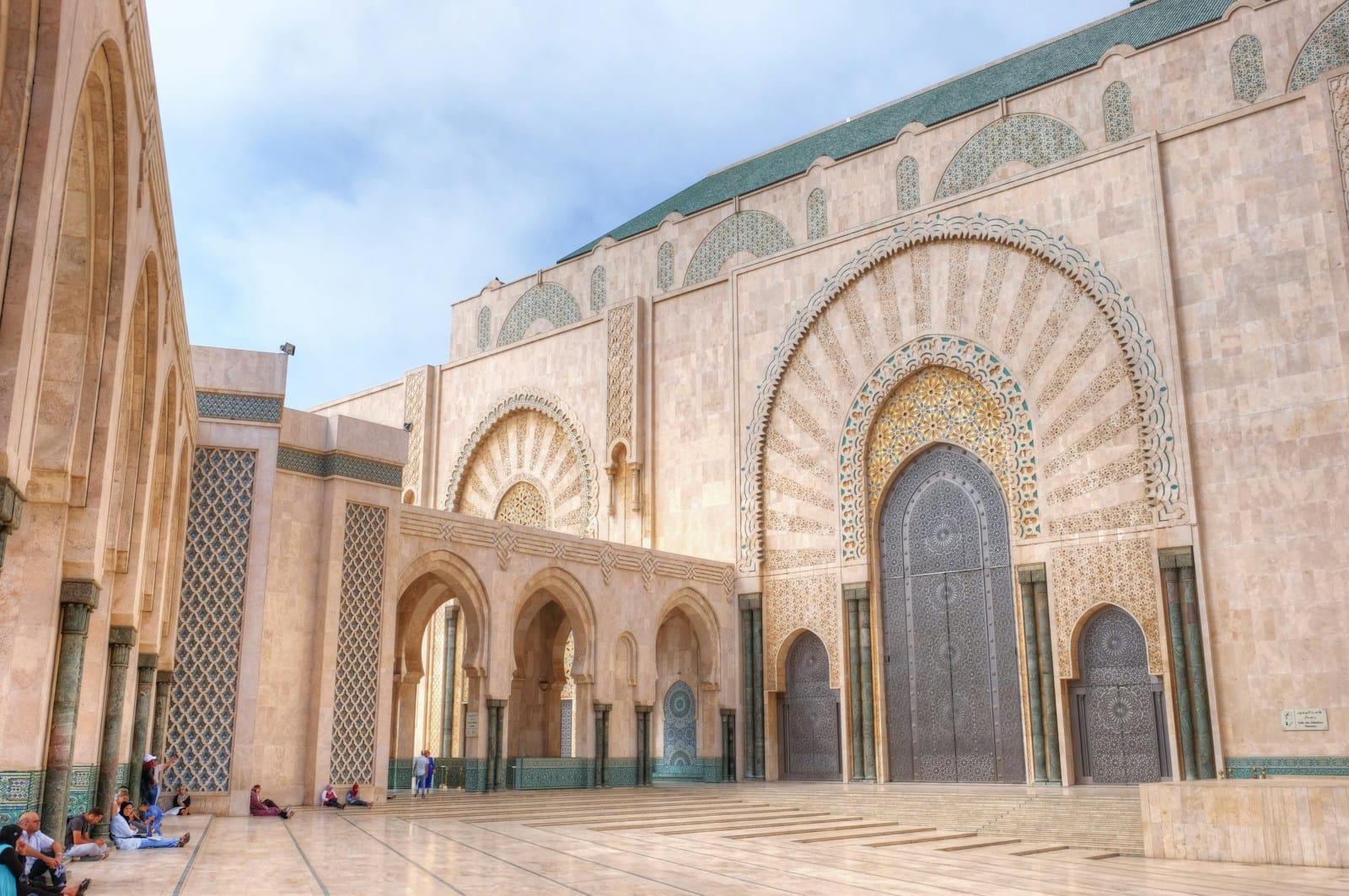
Planning a family vacation to Morocco in July means preparing for warm sunshine, dry skies, and diverse climate zones across the country. Weather in Morocco in July represents the peak of summer: long days filled with bright sunshine, minimal rain, and some of the highest temperatures of the year. Whether you’re exploring the medinas of Marrakech, relaxing on the Atlantic coast, trekking through the Atlas Mountains, or venturing toward the Sahara Desert, understanding how Morocco’s July weather varies by region is essential especially for families traveling with children.
In this comprehensive guide, we break down what to expect from weather in Morocco in July, including regional temperature differences, rainfall patterns, UV exposure, and practical tips for staying safe and comfortable under the summer sun. You’ll also find family‑friendly travel advice, packing recommendations, and itinerary ideas to help you make the most of your Moroccan adventure, no matter where the season’s heat finds you. By the end of this article, you’ll be confidently equipped to plan a rewarding and enjoyable July trip to Morocco.
- Family-Friendly Discovery Tour – Relaxed pace, short drives, flexible schedules, and activities suitable for all ages.
Cultural Immersion Experience – Evening traditions, local meals, medina walks, and authentic cultural experiences.
Luxury & Comfort Escape – Premium stays, private guides, elegant dining experiences, and full flexibility.
Overview of Morocco’s Climate in July
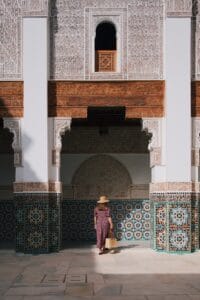
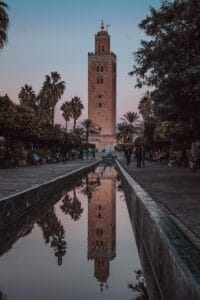
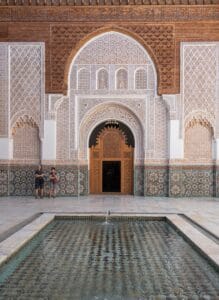
Morocco’s climate in July is dominated by summer’s dry season across most of the country. This means high temperatures, clear skies, and very little rainfall, making it ideal for sunshine‑filled beach days and desert excursions. Generally, temperatures outside of coastal regions tend to be significantly hotter, and the farther inland you go, the hotter it gets.
From the Atlantic coastline to the edge of the Sahara Desert, July is often the hottest month of the year in Morocco, with daily averages pushing into the high 30s Celsius and peaking well above that in some southern regions. Rainfall is almost non‑existent throughout July across nearly all cities and landscapes, reinforcing the month’s dry, arid reputation.
Families heading to Morocco during July should prepare for intense sunshine and plan activities strategically throughout the day to avoid prolonged exposure during peak heat. We’ll explore those tips in detail later in this article.
Is July a good time to go to Morocco?
July can be a good time to visit Morocco if you plan your itinerary carefully and are comfortable with heat. Coastal cities, the Atlantic coast, and the mountains remain pleasant, while inland cities and the desert experience very high temperatures. Fewer crowds and lower prices make July appealing for travelers who schedule activities early in the morning and evening.
Temperature Breakdown Across Morocco
Understanding how temperatures vary regionally will help families plan activities and daily schedules effectively. Morocco’s geography creates natural differences in summer heat, from cool coastal breezes to blazing desert plains.
Northern and Coastal Cities (Casablanca, Tangier, Rabat)
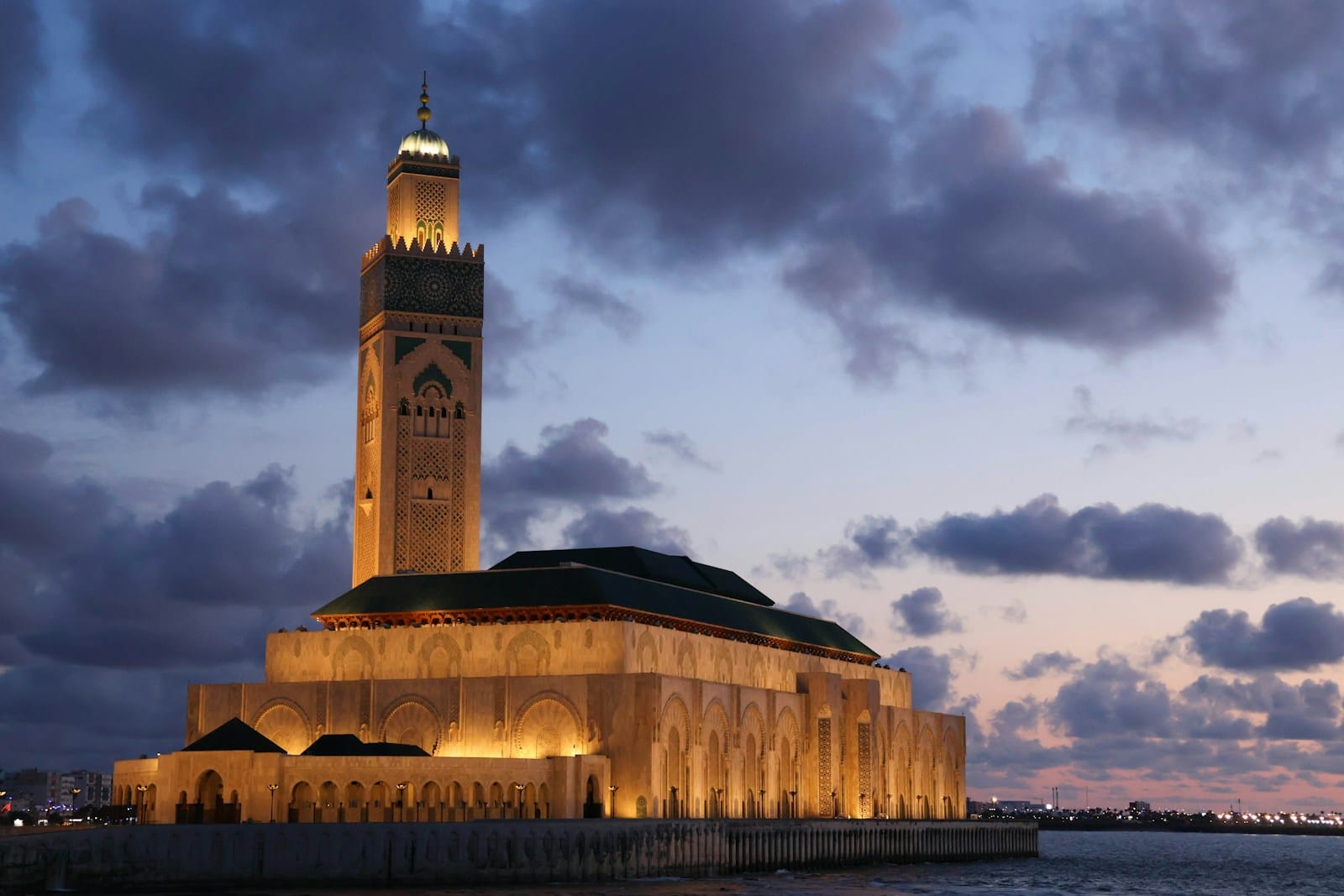
In coastal cities like Casablanca, Rabat, and Tangier, July temperatures tend to be hot but more moderate compared to inland areas. For instance, in Casablanca the average high temperature is around 26°C (79°F), and nighttime lows are comfortably cooler, thanks to Atlantic breezes. Sunshine duration often exceeds 9–11 hours per day, and there’s very little rain to interrupt outdoor plans.
The coastal humidity is generally mild and refreshing, with sea temperatures averaging in the low 20s Celsius perfect for families who want to balance heat with beach time. The sun is strong, however, so sun protection remains critical even near the water.
Central Cities and Inland Regions (Marrakech, Fes)
Central cities such as Marrakech and Fes are known for their intense summer heat. Marrakech, in particular, often sees daytime averages climb to 36–37°C (97–99°F) during July, with heat indexes — how hot it feels — reaching much higher.
This makes midday sightseeing potentially uncomfortable, especially for young children. Planning early morning city walks or late‑evening tours can help families enjoy the cultural sites without undue stress from the summer heat.
Desert Regions (Sahara, Zag)
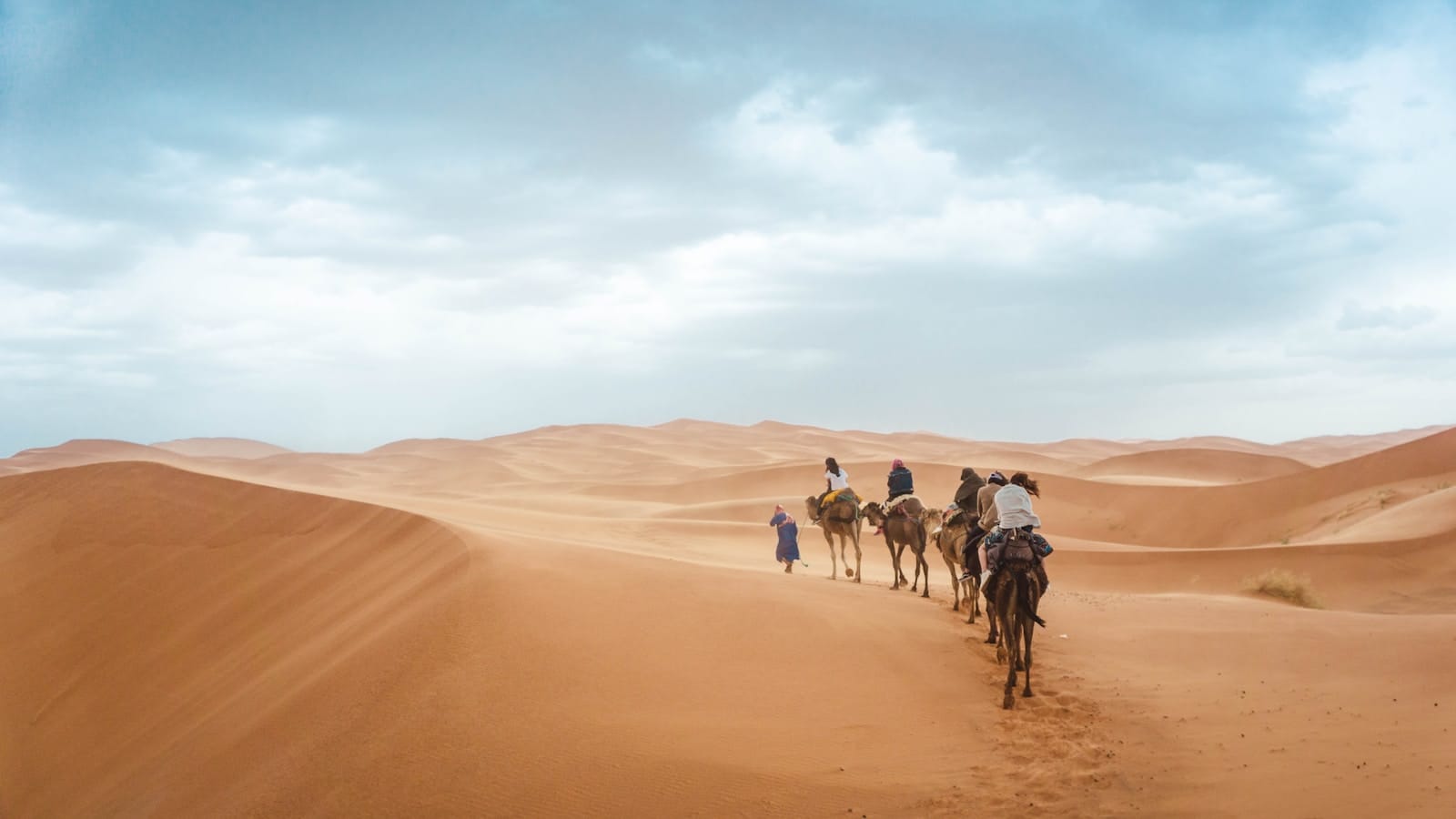
The Sahara Desert regions such as Zagora and around Merzouga reach their most extreme temperatures in July, with daytime highs sometimes exceeding 40°C (104°F).
If including the desert in your itinerary, aim for early morning or sunset excursions. Children’s bodies handle heat differently than adults make hydration and sun protection top priorities.
Atlas Mountains and High Elevations
In contrast, Morocco’s Atlas Mountains offer welcome relief from the lowland heat. Higher elevations generally have cooler temperatures, where daytime highs might hover in the low to mid‑20s Celsius, making this a terrific option for families seeking outdoor activities like gentle hikes, picnics, or scenic drives without the intense summer heat.
Hiking paths near Ifrane and the Middle Atlas are especially refreshing compared with the plains and perfect for families seeking variety in their July itinerary.
Is Marrakesh too hot in July?
Yes, Marrakech is very hot in July. Daytime temperatures often reach 38–45°C (100–113°F), especially in the afternoon. Sightseeing is best done early in the morning or after sunset, and many travelers prefer riads with air conditioning or swimming pools.
How hot is Casablanca in July?
Casablanca is mild and comfortable in July compared to inland cities. Average daytime temperatures range from 22–26°C (72–79°F), thanks to the Atlantic Ocean breeze. It is one of the best Moroccan cities to visit during summer.
Rainfall, Sunshine & UV Index in July
Rainfall Patterns
Rainfall in Morocco in July is virtually negligible in most regions. In the interior and most urban areas, precipitation drops to its lowest monthly levels with virtually no rainy days.
This dry weather can be a blessing for travelers looking to plan outdoor activities like beach days, city tours, or desert expeditions without disruptions. That said, it also contributes to very dry conditions, especially in the desert and south, where moisture levels are typically already low.
Sunshine Hours and Daylight
Morocco experiences long daylight hours and abundant sunshine in July, often exceeding 11 hours per day in many regions.
This translates into plenty of daytime for activities, but it also means prolonged exposure to intense sunlight especially between 10 a.m. and 4 p.m. Families should plan active outings in the cooler early morning and evening hours and seek shade during the peak heat of the day.
UV Index and Sun Safety
UV radiation in July is very high across Morocco. Even in coastal areas like Casablanca, the UV index peaks around 10, significantly increasing the risk of sunburn and heat‑related discomfort for children and adults alike.
Sunscreen with strong UV protection, wide‑brimmed hats, sunglasses, and frequent hydration are essential. For families with young children, consider UV‑protective clothing and scheduling pool or beach time during cooler parts of the day to reduce heat stress.
Book Your Family Adventure Now — Limited Spots Available!
Book Your Family Adventure Now — Limited Spots Available!
What is the temperature in Morocco in June and July?
In June and July, temperatures vary widely by region. Coastal cities average 20–27°C (68–81°F), inland cities range from 35–45°C (95–113°F), and desert areas can exceed 45°C (113°F). June is generally slightly cooler than July.
Heat Safety and Family Travel Tips
Traveling in Morocco in July can be rewarding but requires attention to heat safety especially for families with children and elderly travelers.
Managing High Heat with Children
Children are more vulnerable to heat exhaustion and dehydration. Plan outdoor excursions early in the morning or later in the evening when temperatures are milder. Take frequent breaks in shaded areas and carry plenty of water bottles to ensure everyone stays hydrated.
Hydration, Sun Protection, Timing Activities
Hydration is critical offer water regularly, even if your children don’t ask for it. Sunscreen with SPF 30+ should be applied liberally and often, especially after swimming or sweating. Lightweight, breathable clothing helps regulate body temperature while protecting skin from sun exposure.
Medical and Heat‑Related Safety Advice
Be mindful of signs of heat exhaustion: nausea, dizziness, lethargy, or headaches. If these symptoms occur, find shade immediately and cool down gradually. Consult local medical services if symptoms worsen or persist.
Weather in Morocco in July (Fahrenheit)?
In July, coastal areas average 70–80°F, inland cities like Marrakech and Fes range from 95–113°F, and desert regions can exceed 115°F during the day. Nights are warmer but still cooler than daytime highs.
Weather in Morocco in July (Celsius)?
In July, coastal cities average 21–27°C, inland cities such as Marrakech and Fes range from 35–45°C, and desert areas can exceed 46°C. Nighttime temperatures drop slightly but remain warm.
Best Places to Visit in Morocco in July
Cooler Coastal Escapes
Cities like Agadir, Essaouira, Tangier, and Casablanca enjoy milder summer temperatures compared with inland and desert areas. These coastal regions are perfect for families who want beach activities swimming, surfing, or seaside promenades without battling the Sahara heat.
Mountain Retreats
The Atlas Mountains offer cooler climates and scenic landscapes. Towns near the Middle Atlas and High Atlas ranges are great for family hikes, nature walks, and picnics. The fresh air and slightly cooler temps make this a welcome break from the south’s scorching plains.
Cultural and Festival Highlights
Summer festivals and cultural events continue through July in many Moroccan cities. Music, dance, and local markets come alive in the evenings when temperatures cool slightly a perfect way for families to experience local culture after a day of sightseeing.
What clothes to pack for Morocco in July?
Pack lightweight, breathable clothing made from cotton or linen, along with loose long sleeves and pants for sun protection. A wide-brim hat, sunglasses, sunscreen, comfortable walking shoes, and modest clothing are recommended, especially for conservative areas.
What To Pack for Morocco in July
Clothing and Sun Protection
Pack lightweight, breathable clothing made of cotton or linen. Long sleeves and pants help protect against intensive sun rays while keeping you cool. Don’t forget wide‑brimmed hats and high‑SPF sunscreen.
Kid‑Friendly Gear
Bring sun hats, UV‑protective swim shirts, lots of water bottles, and snacks that help maintain energy during long days outdoors. A compact umbrella or pop‑up shade can be very helpful for midday breaks.
Tech and Health Essentials
Portable fans, cooling towels, and a first‑aid kit are practical inclusions. A good travel sunscreen stick and aloe vera gel will help protect delicate skin.
Need Help with Transportation in Morocco?
Book a reliable private driver for your Morocco family adventure today – personalized routes designed just for you, and get 30% off as a first-time visitor!
Is Morocco worth visiting in July?
Morocco is worth visiting in July if you focus on cooler regions such as Casablanca, Essaouira, Rabat, Tangier, and the Atlas Mountains. Travelers who avoid peak heat hours and plan wisely can still enjoy a rewarding trip.
Cost, Crowds & Accommodation Tips
July is peak tourist season in Morocco. Expect higher prices for flights and hotels, and book accommodations early especially family‑friendly spaces with air conditioning or pool access. Coastal resorts and riads in cities like Essaouira and Agadir are popular choices.
Key Points (Quick Takeaways)
July weather in Morocco is hot, dry, and sunny across nearly all regions.
Coastal cities have milder temperatures and refreshing breezes.
Interior cities like Marrakech can exceed 36°C (97°F).
Desert areas are extremely hot and very dry.
Long daylight and strong UV exposure necessitate sun safety.
Conclusion
July in Morocco delivers abundant sunshine and clear skies, making it a vibrant and exciting time for family travel. From beaches to mountains to cultural medinas, the country offers diverse landscapes each with its own weather patterns and experiences. While the heat is undeniable, especially inland and in the desert, proper planning, hydration, and thoughtful itinerary choices can make your summer trip both comfortable and memorable.
The weather in Morocco in July is an opportunity for families to balance adventure with relaxation. Whether you’re cooling off by the Atlantic, exploring mountain trails, or engaging in cultural festivities, this guide equips you with the insights needed to plan your best Moroccan summer yet.
─── Your questions, our answers.
Frequently Asked Questions
Our dedicated team is here to answer your Morocco Travel questions and ensure a smooth, memorable journey through Morocco.
Marrakech weather in July
Marrakech experiences extreme heat in July, with daytime temperatures often exceeding 40°C (104°F). Evenings are warm, and rainfall is extremely rare.
Fes weather in July
Fes is very hot in July, with temperatures typically between 35–43°C (95–109°F). The medina can feel hotter due to narrow streets and limited airflow.
Casablanca weather in July
Casablanca enjoys mild summer weather in July, with temperatures around 22–26°C (72–79°F), making it one of the most comfortable cities in Morocco during this month.

Kate Carter
Family Travel Blogger
Kate Carter is a mom and travel blogger who fell in love with Morocco’s culture and warmth. Through Morocco Family Vacation, she shares tips and stories to help travelers enjoy authentic, stress-free experiences. Join us along the way.
Table of Contents
Our Services
-
Private Family Tours
-
Custom Itineraries
-
Sahara Desert Tours
-
Chefchaouen & Northern Morocco Tours
-
Luxury Desert Camping
-
Multi-Day Tours (2–16 Days)
-
Atlas Mountains Trips
-
Cooking Classes & Market Visits
-
Photography & Heritage Tours
-
Airport Transfers & Private Transport
-
Custom Birdwatching Tour in Morocco
-
24/7 Tour Support & booking Flexibility
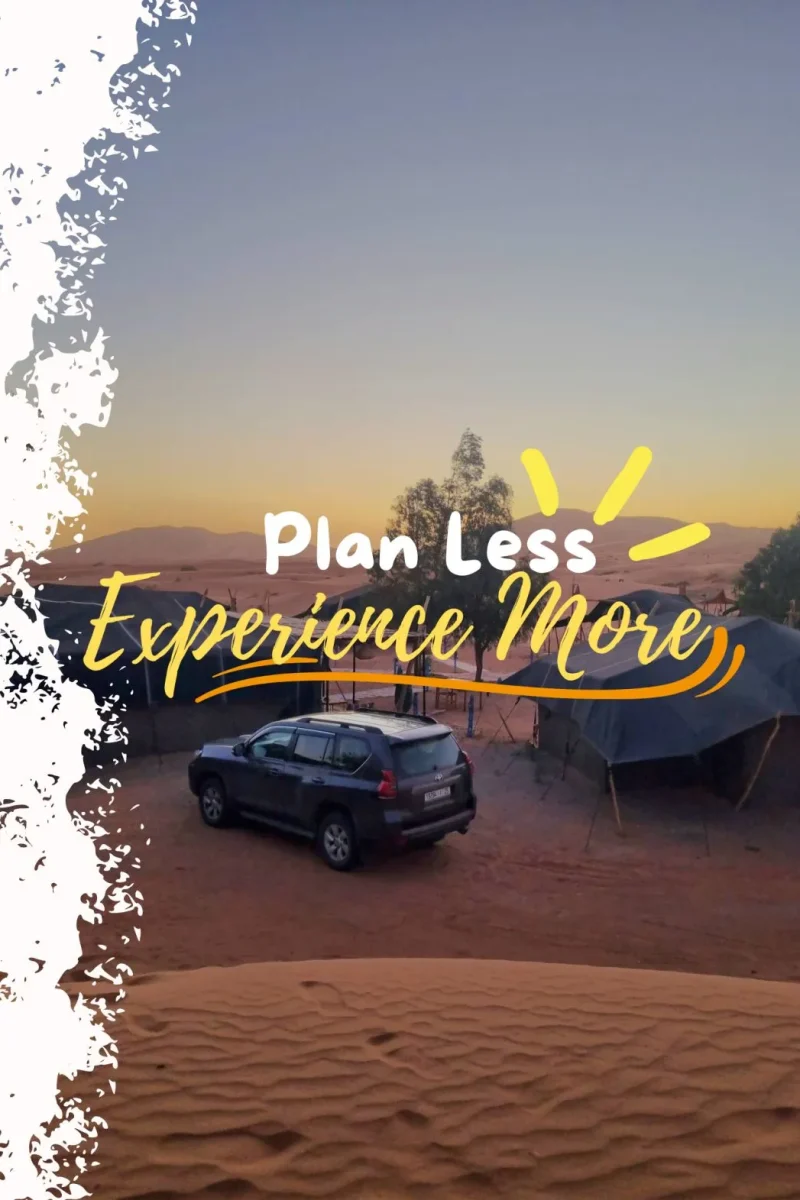
At Morocco Family Vacation, we create custom Morocco tour packages designed around your interests and travel style. As a dedicated and independent travel agency, we specialize in private Morocco tours offering memorable desert adventures, cultural experiences, and family friendly itineraries while delivering attentive, personalized service from start to finish.
Popular Tours
Latest Posts
get in touch
#chefchaouen morocco
#chefchaouen
#chefchaouen blue city
#chefchaouen blue city morocco
#Morocco Family Vacation