
weather in morocco in march
Weather in Morocco In March: Complete Travel Guide
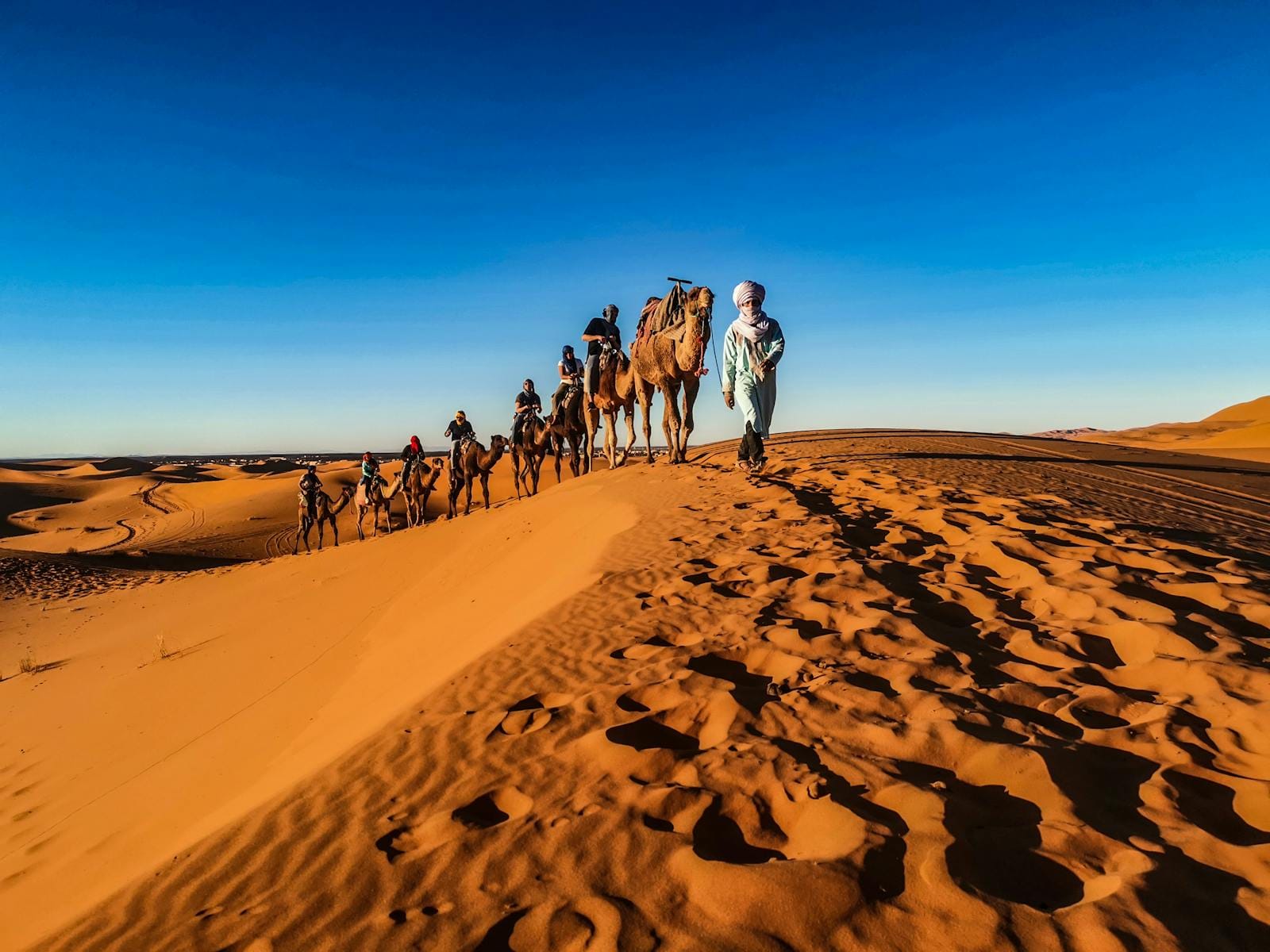
Weather in Morocco in March marks one of the most pleasant transitions of the year, as winter slowly gives way to spring. For travelers, this month offers a rare balance: mild temperatures, increasing sunshine, fewer crowds than peak seasons, and excellent conditions for exploring Morocco’s diverse landscapes. From the Atlantic coastline and imperial cities to the Sahara Desert and the Atlas Mountains, March provides comfortable weather without the intense heat of summer or the cold of winter.
Understanding the weather in Morocco in March is essential when planning your itinerary, choosing the right regions to visit, and packing appropriately. While coastal cities such as Casablanca and Rabat remain mild with occasional rainfall, inland destinations like Marrakech experience warmer, sunnier days. Desert regions enjoy clear skies and ideal temperatures for camel trekking, while mountain areas still carry traces of winter snow at higher elevations.
This comprehensive guide covers everything you need to know: regional temperature averages, rainfall patterns, sunshine hours, what to pack, the best places to visit, and travel tips tailored specifically to March. Whether you are planning a cultural city break, a family vacation, or an adventure-filled journey, this guide will help you make the most of Morocco in early spring.
Explore Our Winter-Friendly Morocco Tours
Atlas Mountains winter tours – Discover Morocco’s top snowfall destinations, including Ifrane, Michlifen, and Oukaimeden, known for winter landscapes and seasonal activities.
Custom winter experiences – Enjoy tailor-made itineraries designed around weather conditions, travel preferences, and personal interests for a comfortable and memorable winter trip.
Book your Morocco Family Vacation winter tour with local experts and experience a personalized journey through Morocco’s most beautiful snow-covered regions, making the most of your winter adventure with expert planning and local insight.
Quick Takeaways
March is one of the best months to visit Morocco due to mild, spring-like conditions
Average daytime temperatures range from 18°C to 25°C, depending on region
Coastal and northern areas may still see light rainfall
Desert regions offer warm days and cool nights, ideal for tours
Atlas Mountains remain cool, with snow at higher altitudes
Longer daylight hours allow more time for sightseeing
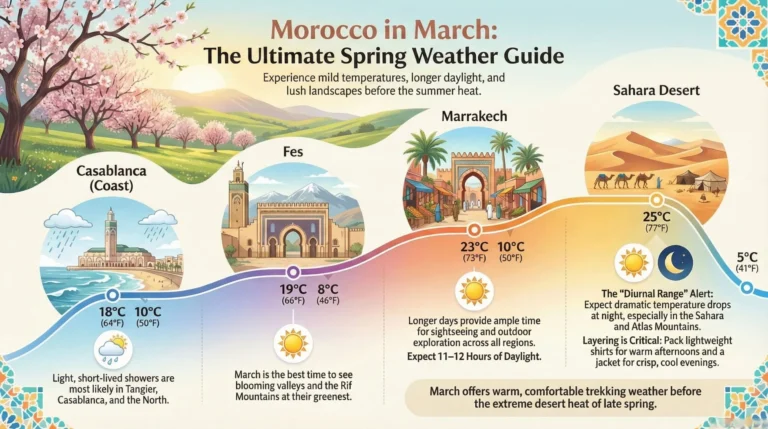
Why March Is a Great Time to Visit Morocco
March is often considered a “sweet spot” for travel in Morocco. The extreme heat of summer has not yet arrived, and the colder winter temperatures are fading. This creates ideal conditions for outdoor exploration, city walking tours, and long-distance travel across the country.
Another advantage of visiting in March is reduced tourist congestion compared to April and May. Accommodation prices are often more reasonable, and popular attractions feel less crowded. Nature also begins to come alive valleys turn greener, flowers bloom in rural areas, and mountain landscapes become particularly scenic.
For travelers interested in varied experiences, the weather in Morocco in March allows you to combine multiple regions in one trip: a few days in Marrakech, a desert excursion to Merzouga, and coastal relaxation in Essaouira all without extreme weather challenges.
Morocco’s Climate Overview in March
Morocco’s geography creates several distinct climate zones, and March weather varies accordingly.
Coastal Regions (Atlantic & Mediterranean)
Cities such as Casablanca, Rabat, Tangier, and Essaouira experience mild and slightly humid conditions. Atlantic breezes help regulate temperatures, keeping days cool and nights comfortable. Rainfall is possible but generally light and short-lived.
Inland Cities
Marrakech, Fes, Meknes, and Ouarzazate experience warmer daytime temperatures with low humidity. These regions are excellent for sightseeing and cultural exploration in March.
Sahara Desert
Southern desert regions enjoy dry, sunny weather. Days are warm but not excessively hot, while nights remain cool. This is one of the best months for desert tours.
Atlas Mountains
The Atlas Mountains are still transitioning out of winter. Lower elevations warm up, but higher peaks may retain snow. Weather can change quickly, making layered clothing essential.
Temperature Trends Across Morocco in March
Average Daytime and Nighttime Temperatures
Coastal cities: 17°C–20°C (63°F–68°F) during the day
Inland cities: 20°C–25°C (68°F–77°F) during the day
Desert regions: 22°C–28°C (72°F–82°F) during the day
Nighttime temperatures: 8°C–13°C (46°F–55°F)
These moderate temperatures make long walks, guided tours, and outdoor activities comfortable throughout the day.
| Region | Avg High | Avg Low | Best For |
| Coast (North) | 18°C | 10°C | Coastal walks & history |
| Coast (South) | 23°C | 12°C | Sunbathing & surfing |
| Marrakech | 23°C | 10°C | Gardens & outdoor cafes |
| Fes/Meknes | 19°C | 8°C | Historical exploration |
| Sahara | 25°C | 5°C | Camel treks & star gazing |
| High Atlas | 12°C | 0°C | Seeing snow-capped peaks |
Regional Variations
One of the defining features of the weather in Morocco in March is temperature variation between regions. A single itinerary may include cool coastal mornings, warm desert afternoons, and chilly mountain evenings.
weather in Morocco in March by region
1. The Atlantic Coast
Cities: Casablanca, Rabat, Essaouira, Agadir The coast remains mild and breezy due to the Atlantic currents. While Agadir is the warmest, northern coastal cities are cooler.
Average High: 19°C – 23°C
Average Low: 10°C – 13°C
Conditions: Pleasant for sightseeing and walking. The water is still too cold for swimming (approx. 17°C), but Agadir offers the best “beach weather” for sunbathing.
2. Central Interior (The Imperial Cities)
Cities: Marrakech, Fes, Meknes This region sees the most dramatic improvement in March, with flowers blooming and sunny days.
Average High: 21°C – 24°C
Average Low: 8°C – 10°C
Conditions: Warm, sunny days that are perfect for exploring the Medinas. However, once the sun sets, the temperature drops quickly expect crisp evenings. Fes is generally a few degrees cooler than Marrakech.
3. The North & Rif Mountains
Cities: Tangier, Chefchaouen, Tetouan The north is the greenest part of the country in March but also the most prone to rain.
Average High: 17°C – 19°C
Average Low: 9°C – 11°C
Conditions: Mild and Mediterranean. Expect a mix of bright sunny days and occasional heavy rain showers. It is the best time to see the “Blue City” (Chefchaouen) surrounded by lush green hills.
4. The Sahara Desert
Regions: Merzouga (Erg Chebbi), Zagora March is arguably the best time of year to visit the desert before the extreme heat of late spring arrives.
Average High: 24°C – 26°C
Average Low: 4°C – 7°C
Conditions: Clear blue skies and warm days. Note that the “diurnal range” (difference between day and night) is extreme; it can feel like summer at 2:00 PM and winter at 2:00 AM. Sandstorms are also more common in March/April.
5. The Atlas Mountains
Regions: High Atlas (Imlil/Toubkal), Middle Atlas (Ifrane) The mountains are still very much in a “winter-spring” transition.
Average High: 12°C – 15°C
Average Low: -2°C – 4°C
Conditions: Many high-altitude peaks will still have snow caps. Lower valleys are beautiful for trekking, but higher passes can be muddy from the snowmelt. Nights remain freezing or near-freezing.
Rainfall and Precipitation in March
March represents the tail end of Morocco’s rainy season.
Where Rain Is Most Likely
Northern cities and the Rif Mountains
Atlantic coast (Casablanca, Rabat, Essaouira)
Rain usually comes in short bursts rather than prolonged downpours.
Ready to Start Your Morocco Journey?
Book your trip today with our expert planners, enjoy personalized itineraries tailored to your flights and travel needs, and claim 30% off as a first-time visitor!
Where It Stays Dry
Marrakech and central plains
Sahara Desert and southern regions
Rainfall is minimal in desert areas, making March ideal for overnight desert camps.
Sunshine, Daylight, and UV Levels
March brings longer daylight hours across Morocco.
Average daylight: 11–12 hours per day
Sunshine hours: 7–9 hours daily
UV levels increase compared to winter, especially in southern regions. Sunscreen, sunglasses, and hats are recommended even in mild temperatures.
Sea Temperatures and Coastal Conditions
Sea temperatures remain relatively cool in March.
Atlantic Ocean: 16°C–18°C (61°F–64°F)
While swimming may feel chilly, coastal walks, surfing, and seaside dining are popular activities. Essaouira, in particular, benefits from consistent winds suitable for kitesurfing and windsurfing.
Wind and Humidity in March
Humidity levels are generally comfortable.
Coastal humidity: Moderate
Inland and desert: Low humidity
Wind is more noticeable along the Atlantic coast, especially in Essaouira, but it helps keep temperatures pleasant.
What to Pack for Morocco in March
Packing smartly is key due to temperature variation.
Clothing Essentials
Lightweight long-sleeve shirts
T-shirts for warm afternoons
Light sweater or fleece for evenings
Comfortable walking shoes
Light jacket or windbreaker
Need Help with Transportation in Morocco?
Book a reliable private driver for your Morocco family adventure today – personalized routes designed just for you, and get 30% off as a first-time visitor!
Accessories
Sunglasses and sunscreen
Scarf (useful for sun, wind, and cultural sites)
Small umbrella or rain jacket (coastal/northern regions)
Best Places to Visit Based on March Weather
Marrakech
Warm days, cool evenings, and minimal rainfall make Marrakech ideal for sightseeing, gardens, and day trips to the Atlas Mountains.
Fes and Meknes
Comfortable temperatures allow for exploring historic medinas without summer heat.
Sahara Desert (Merzouga & Zagora)
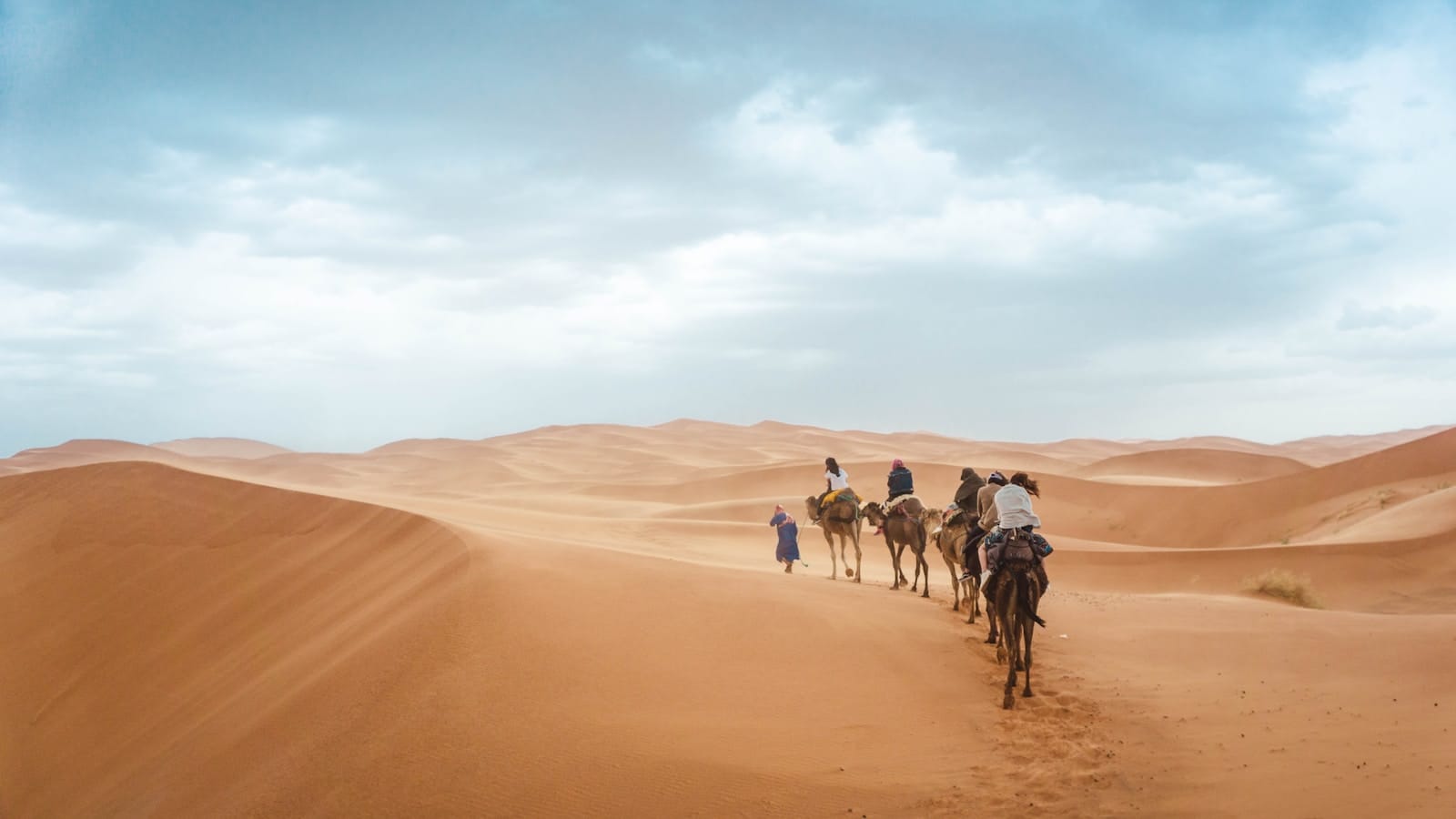
March is one of the best months for desert tours, camel trekking, and overnight camps.
Essaouira
Cooler temperatures and coastal breezes make it perfect for relaxed exploration and seafood dining.
Outdoor Activities Perfect for March
Camel trekking in the Sahara
Hiking in the Atlas Mountains (lower elevations)
Walking tours in imperial cities
Coastal activities and surfing
Day trips and scenic drives
The weather in Morocco in March supports a wide range of outdoor experiences without weather-related discomfort.
Festivals and Cultural Life in March
March often includes local cultural events and seasonal markets. If Ramadan falls in March (depending on the lunar calendar), travelers should expect changes in daily routines, though tourism services remain available.
Travel Planning Tips for March
Book desert tours in advance
Plan layered clothing for temperature changes
Check mountain weather forecasts before hiking
Allow flexibility for coastal rain showers
Conclusion
The weather in Morocco in March creates near-perfect conditions for travelers seeking variety, comfort, and authentic experiences. With mild temperatures, longer days, manageable rainfall, and diverse regional climates, March allows you to explore cities, deserts, mountains, and coastlines within a single itinerary. Whether you are planning a cultural journey, a family vacation, or an adventure-focused trip, Morocco in March delivers balance, beauty, and flexibility. With proper planning and the right packing strategy, your March visit can easily become one of the most rewarding times to experience Morocco.
─── Your questions, our answers.
Frequently Asked Questions
Our dedicated team is here to answer your Morocco Travel questions and ensure a smooth, memorable journey through Morocco.
What is the weather in Morocco in March like?
The weather in Morocco in March is mild and spring-like, with daytime temperatures ranging from 18°C to 25°C depending on the region. Coastal areas are cooler, while inland and desert regions are warmer and drier.
Is March a good time to visit Morocco?
Yes, March is one of the best times to visit Morocco. The weather is comfortable, crowds are smaller than peak season, and conditions are ideal for sightseeing, desert tours, and outdoor activities.
Does it rain in Morocco in March?
Rainfall in Morocco in March is generally low. Light rain may occur in northern and coastal cities, while inland and desert areas experience very little to no rainfall.
What should I pack for Morocco in March?
Pack light layers for Morocco in March, including long-sleeve shirts, a light jacket for evenings, comfortable walking shoes, sunscreen, and sunglasses. A light rain jacket is useful for coastal areas.
Is the Sahara Desert too hot in March?
No, the Sahara Desert is not too hot in March. Daytime temperatures are warm but comfortable, and nights are cool, making March one of the best months for desert tours and camel trekking.

Kate Carter
Family Travel Blogger
Kate Carter is a mom and travel blogger who fell in love with Morocco’s culture and warmth. Through Morocco Family Vacation, she shares tips and stories to help travelers enjoy authentic, stress-free experiences. Join us along the way.
Table of Contents
Our Services
-
Private Family Tours
-
Custom Itineraries
-
Sahara Desert Tours
-
Chefchaouen & Northern Morocco Tours
-
Luxury Desert Camping
-
Multi-Day Tours (2–16 Days)
-
Atlas Mountains Trips
-
Cooking Classes & Market Visits
-
Photography & Heritage Tours
-
Airport Transfers & Private Transport
-
Custom Birdwatching Tour in Morocco
-
24/7 Tour Support & booking Flexibility

At Morocco Family Vacation, we create custom Morocco tour packages designed around your interests and travel style. As a dedicated and independent travel agency, we specialize in private Morocco tours offering memorable desert adventures, cultural experiences, and family friendly itineraries while delivering attentive, personalized service from start to finish.
Popular Tours
Latest Posts
get in touch
#Fez December weather
#Fez weather guide
#Fez travel tips
#Morocco winter travel
#Fez tours