Tap Water in Morocco: Can You Drink It, or Should You Stick to Bottled?
The Short Answer: Use Sealed Bottled Water
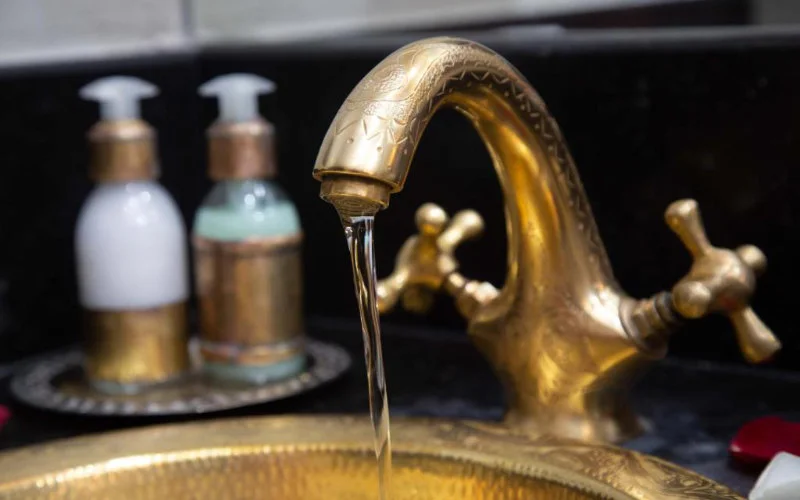
Visitors should not drink the tap water in Morocco. Moroccan utilities treat and monitor the water in cities, and many locals drink it without trouble, but a traveler’s stomach is not used to it, and health authorities advise caution. For a family, the safe routine is simple: sealed bottled water for drinking, brushing teeth, and anything you prepare for young children.
That does not mean everything touched by tap water is dangerous. Hot tea made with boiled water is a low-risk drink, and a shower is a different question from a glass of water. This guide explains where the real risks are, what to do about ice, salads and juice, and how to keep a family comfortable on the road.
Quick Takeaways
- Drink sealed bottled water in Morocco and avoid tap water for drinking.
- City tap water is chlorinated and tested under Moroccan standards, but visitors still get upset stomachs, even in upscale hotels.
- Use bottled water for brushing teeth, for babies’ bottles, and for young children’s bath time.
- Hot drinks made with boiled water, such as Moroccan mint tea, are a low-risk choice.
- Ice, salads and street juice call for judgment. Choose busy, reputable places, peel fruit yourself, and wash your hands.
- Tablets and filters are a backup, not a plan. Boiling for one minute is the method health agencies rate best.
- Ask your doctor about hepatitis A and typhoid vaccines before you travel, and avoid swimming in fresh, unchlorinated water.
Is Tap Water in Morocco Safe to Drink?
What officials say and what travel health advice says
Moroccan standards for drinking water and for monitoring public supply networks exist, and local utilities report testing their water against them. Groundwater is chlorinated at its source, and one utility in Agadir reports that every sample taken from its distribution network met the national standard. A faint chlorine smell from the tap is normal and is a sign of disinfection.
Travel advice is less comfortable. Some travel guides say tap water is safe in big cities like Casablanca, Marrakech and Rabat and best avoided in remote areas. Others, including tour operators, say to filter or avoid it. The CDC takes the cautious line for travelers generally: factory-sealed bottled water is the safest option.
For families, the cautious line makes sense. If a child gets sick, the cost to your trip is much higher than the price of a few bottles.
Why Visitors Get Sick Even When Water Is Treated
Travelers' diarrhea and other risks
Travel medicine sources rate the risk of travelers’ diarrhea in Morocco as moderate across the whole country, including in deluxe hotels. Water is only one cause, since food handling and hand hygiene matter too.
People who grew up with local water are often used to its bacteria, while visitors are not. Water can also pick up contamination between the treatment plant and your tap, through old pipes or storage tanks.
Two illnesses worth knowing about are hepatitis A and typhoid, which spread through contaminated food and water. The CDC recommends hepatitis A vaccination for unvaccinated travelers one year and older, and typhoid vaccination for most travelers. Speak to your doctor early about both.
Everyday Water Use: Teeth, Showers, Babies and Ice
Brushing your teeth
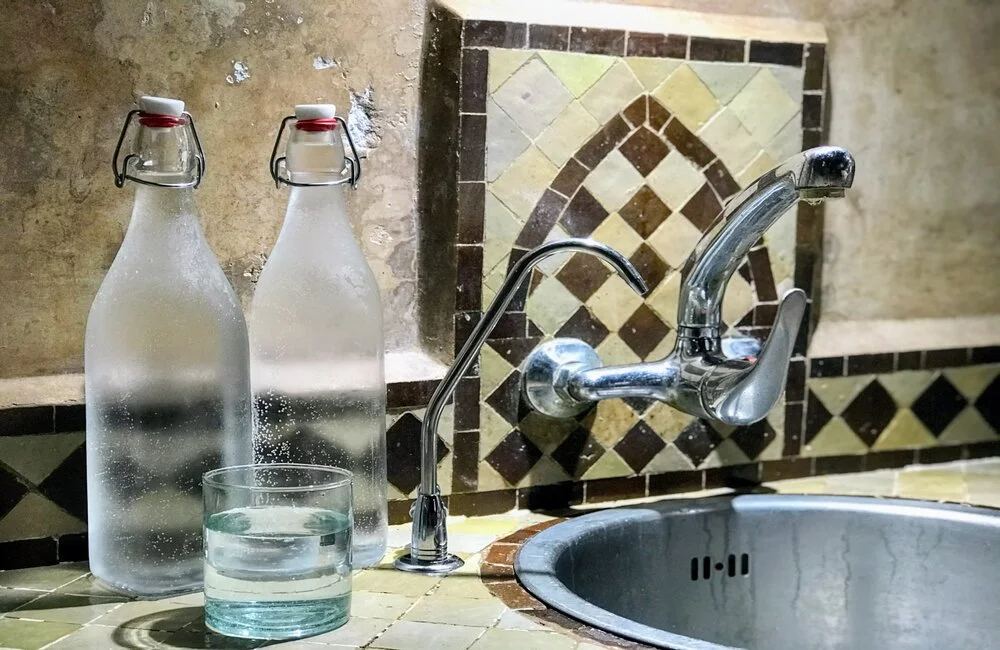
Some guides say brushing with tap water in big cities is fine. Our advice for families is to use bottled water for brushing, so nobody has to think about it. Keep a bottle by the sink, rinse the toothbrush with it, and tell children not to drink from the tap or swallow rinse water.
Showering and bathing
The main concern with tap water is swallowing it. Showering is lower risk, as long as nobody gets water in their mouth. Adults and teenagers can shower with tap water without any problem in Morocco. Just remember not to drink it or let it touch your mouth. So keep your mouth shut when you shower, and use bottled water to brush your teeth.
For younger children, our advice is to keep bath time bottled-water-only, since toddlers often swallow bathwater.as a precaution, we recommend using bottled water to bathe toddlers and small children. Little ones often swallow water or put their hands and washcloths in their mouths, and bottled water means they won’t get sick if they swallow some.
Baby formula and young children
For babies and toddlers, use bottled water for formula, for mixing anything, and for brushing teeth. Ask your pediatrician how to prepare formula with bottled water while traveling, including whether to boil it first.
Ice and cold drinks
Ice is only as safe as the water used to make it. Many hotels and established restaurants buy commercial ice, while informal roadside stalls are harder to judge. Honestly, we tell everyone to skip it. It’s an easy thing to avoid, and a bad stomach can wreck a day of your trip. Just ask for your drinks without ice and stick to your own bottled water
A simple rule is to skip ice in small, informal places and ask for drinks without ice when you are unsure.
Moroccan Mint Tea and Hot Drinks
Moroccan mint tea, known as atay, is made with boiling water, and boiling is the best method for killing germs in water, according to the CDC. The CDC says a rolling boil for one minute does the job. That makes freshly poured hot tea a low-risk choice for families, including children, in the places where you will be served it.
If you make tea or coffee yourself in a room, the water needs to come to a full boil. Boiling for one minute gives a margin of safety. If the only water available is from the tap, boil it for a full minute and let it cool before drinking. Bottled water is simpler.
Salads, Fruit and Street Juice
Raw food is where water risk hides, because lettuce and herbs may be rinsed in tap water. Reputable restaurants in tourist areas generally prepare raw produce carefully, while raw leaves rinsed in untreated water in rural areas are a bigger concern.
Fruit you peel yourself, such as oranges and bananas, is generally lower risk, as long as your hands are clean. Wash your hands with soap, or use hand sanitizer with at least 60 percent alcohol if soap is not available.
For juice, choose a busy stall where you can watch the fruit being pressed, and ask for no ice and no added water.
Buying Bottled Water
Look for sealed bottles, and check that the cap seal is unbroken before you drink. Avoid bottles that look refilled or have a loose cap. Bottled water is sold in supermarkets, small shops and most hotels and cafés.
We use Sidi Ali and Ain Saiss. Both are sold everywhere, in small shops, supermarkets and cafés. Sidi Harazem is another good one. Whatever brand you pick, check that the cap is sealed when it’s handed to you.
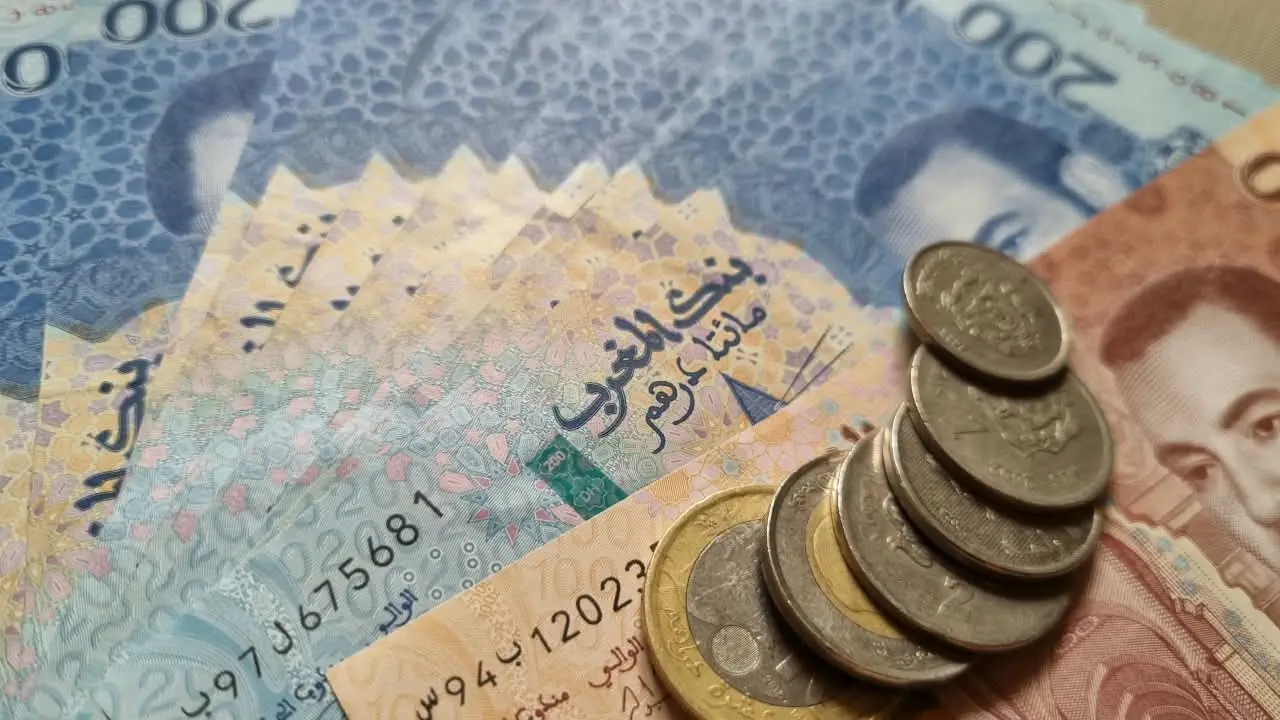
Water is cheap. A small 0.5 liter bottle costs about 3 to 4 dirhams in a shop (around €0.30 to €0.40, or $0.35 to $0.45). A 1.5 liter bottle costs about 5 to 6 dirhams (around €0.50 to €0.55, or $0.55 to $0.65). A big 5 liter bottle is around 12 to 15 dirhams (around €1.10 to €1.40, or $1.35 to $1.65), which is handy if you’re staying a few days in one place. Restaurants, hotels and tourist spots charge more, usually 10 to 20 dirhams for a bottle (around €1 to €1.85, or $1.10 to $2.20).
Fizzy water and flavored drinks in sealed bottles are also fine, though plain sealed water is simplest for young children.
Cities Versus the Desert and Mountains
Remote areas and camps
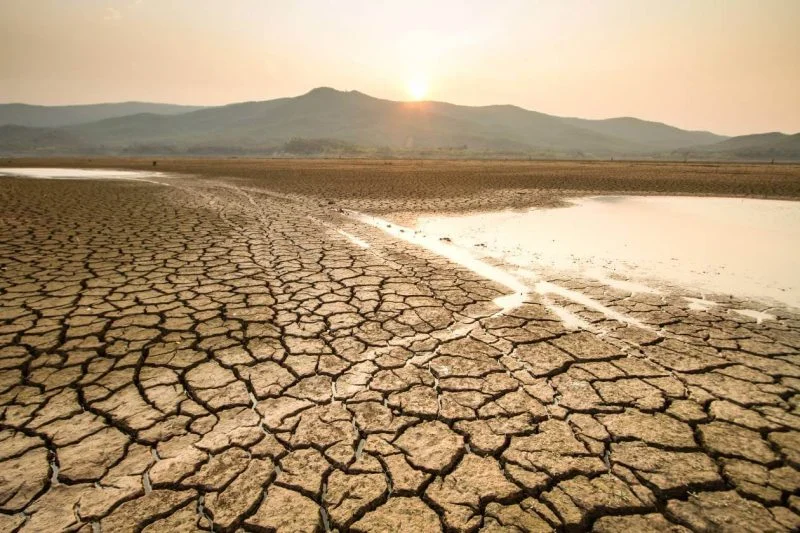
Outside the big cities, the supply is less predictable, so treat water as a “bottled only” setting. Do not drink from streams or rivers, even in the mountains.
Some parts of the High Atlas are above 6,500 feet (about 2,000 meters). At that elevation the CDC says to boil water for three minutes, not one. If you are trekking, plan your drinking water ahead of time.
Water on a Private Tour
What we provide
On our private tours, the water clients drink is bottled water that we supply. Hotels, riads and desert camps that we work with also provide bottled water.
What to ask any operator
If you are booking with any operator, ask these questions:
- Is drinking water included?
- Is it sealed bottled water?
- Does the vehicle carry extra water for long drives?
- What do the riads and camps provide?
- Can they accommodate special needs for babies and young children?
A good operator should answer these questions clearly.
Babies, Toddlers, Teens and Grandparents
Young children and older adults can become dehydrated faster when they have diarrhea, so a stomach upset matters more for them. Plan extra care for these travelers, and talk to your doctor before you go.
Teens can be careless with water, ice and street food. Agree on a few simple rules before the trip: sealed bottles only, wash hands before eating, and ask before trying something from a stall.
For grandparents, bring any regular medications, and ask your doctor about travel health in advance.
Do You Need Purification Tablets or a Filter?
If you are only using sealed bottled water, you generally do not need tablets or a filter. They are useful as a backup if you run out of bottled water, especially on a trek.
According to the CDC, boiling is the best way to kill germs, and filtering followed by disinfecting is the next best option. A filter certified to NSF Standard 53 or 58 can remove parasites if used properly, but it will not remove viruses or all bacteria. Reverse osmosis filters can remove bacteria and viruses. Chlorine dioxide tablets can be effective against the parasite Cryptosporidium if you follow the instructions exactly, while iodine and chlorine tablets do not kill it. Treatment will not make chemically contaminated water safe.
Do not count on finding reliable tablets once you arrive. Buy them at home before you travel.
How Much Bottled Water Does a Family Need?
Needs vary with the heat, the activity and the age of the children. On hot days, long drives and desert excursions, you will drink more.
We suggest about 2 to 3 liters per adult per day. In summer, or on a desert trip to Merzouga, plan for 3 to 4 liters, because you sweat more than you think. Kids need less, around 1 to 1.5 liters a day, but keep a bottle with them at all times.
Bottled water is cheap in Morocco. In a shop, a 1.5 liter bottle costs about 5 to 6 dirhams (around €0.50 to €0.55, or $0.55 to $0.65). A small 0.5 liter bottle is about 3 to 4 dirhams (around €0.30 to €0.40, or $0.35 to $0.45). A 5 liter bottle is about 12 to 15 dirhams (around €1.10 to €1.40, or $1.35 to $1.65). Restaurants, hotels and tourist spots charge more, usually 10 to 20 dirhams for a bottle (around €1 to €1.85, or $1.10 to $2.20).
For a family of four, that’s roughly 8 to 10 liters a day, or about 25 to 35 dirhams (€2.30 to €3.30, or $2.80 to $3.90) if you buy from shops. Buying one or two big bottles in the morning is the easiest way to do it.
Keep bottles within reach in the vehicle. Refill a small bottle for daytime walks, so each person carries something to drink.
What to Do If Someone Gets Sick
Most cases of travelers’ diarrhea are mild, but rest and fluids matter, especially for children. Ask your doctor before the trip what to carry and when to seek care. Seek medical help promptly if a child is very unwell, cannot keep fluids down, or has a high fever
Pharmacies are widely available in Morocco, even in rural areas, and private clinics are concentrated in the larger cities. and Yes, we help. If a client gets sick, your driver can take you to the nearest hospital or clinic so you get help and care quickly. Your driver stays in touch with us, and we can also help with calling ahead or finding a doctor.
This section is general information and not medical advice.
Vaccines and Health Preparation
Talk to a doctor or travel clinic well before your trip. The CDC recommends hepatitis A vaccination for unvaccinated travelers one year and older, and says infants six to 11 months old should also be vaccinated. It recommends typhoid vaccination for most travelers, though the vaccine is not 100 percent effective, so safe food and water habits still matter.
Make sure routine vaccinations are up to date as well. Your own doctor knows your family’s needs best.
Swimming and Other Water Contact
Hotel and riad pools are chlorinated, and swimming in them is generally fine, though children should avoid swallowing the water. The CDC notes that schistosomiasis, a parasitic infection spread in fresh water, is found in Morocco. Avoid swimming in fresh, unchlorinated water such as lakes, ponds and rivers.
In the sea, treat water the way you would anywhere: try not to swallow it.
Water Packing Checklist
Pack a reusable bottle for each person, hand sanitizer with at least 60 percent alcohol, and oral rehydration packets. Bring a small bottle for the sink for tooth brushing, and a backup treatment method if you plan to trek. Check what your doctor recommends for medications and vaccinations.
For other money-related planning, such as how much cash to carry for bottled water and tips, see our guide to currency in Morocco
Conclusion
The practical answer is simple. Use sealed bottled water for drinking, brushing teeth and anything you prepare for young children. Hot drinks made with boiled water are a low-risk choice, and ice, salads and juice call for judgment. Tablets and filters are a backup, not the main plan. Talk to a doctor about hepatitis A and typhoid vaccination before you go.
Morocco Family Vacation helps families create special, private trips across Morocco that are tailored just for them. We focus on making travel experiences that fit your family’s specific needs and interests. If you want help planning your family’s trip to Morocco, feel free to contact us. Our team is ready to design a customized travel plan that matches what your family loves.
─── Your questions, our answers.
Frequently Asked Questions
Our dedicated team is here to answer your Morocco Travel questions and ensure a smooth, memorable journey through Morocco.
Can I brush my teeth with tap water in Morocco?
Some guides say it is fine in big cities. For families, bottled water is the simpler and safer choice. Keep a bottle by the sink and rinse the toothbrush with it.
Is Moroccan mint tea safe to drink?
Yes, in most cases. It is made with boiling water, and boiling for one minute is the best method for killing germs, according to the CDC. Drink it hot.
Can you eat salads in Morocco?
It depends on where. Reputable restaurants in tourist areas generally prepare raw produce carefully, while raw leaves rinsed in untreated water in rural areas are a bigger concern. Fruit you peel yourself is generally lower risk.
Do I need water purification tablets or a filter for Morocco?
Not if you are using sealed bottled water. They are a backup, mainly for trekking. Boiling for one minute is the CDC’s best method, and chlorine dioxide tablets work against more germs than iodine or chlorine tablets when used correctly.
What are reliable bottled water options in Morocco?
Choose factory-sealed bottles from supermarkets, shops, hotels and cafés, and check that the cap seal is unbroken. Avoid refilled or loose-capped bottles. Our best recommendation is Sidi Ali sealed bottled water

Kate Carter
Family Travel Blogger
Kate Carter is a mom and travel blogger who fell in love with Morocco’s culture and warmth. Through Morocco Family Vacation, she shares tips and stories to help travelers enjoy authentic, stress-free experiences. Join us along the way.
Table of Contents
Our Services
-
Private Family Tours
-
Custom Itineraries
-
Sahara Desert Tours
-
Chefchaouen & Northern Morocco Tours
-
Luxury Desert Camping
-
Multi-Day Tours (2–16 Days)
-
Atlas Mountains Trips
-
Cooking Classes & Market Visits
-
Photography & Heritage Tours
-
Airport Transfers & Private Transport
-
Custom Birdwatching Tour in Morocco
-
24/7 Tour Support & booking Flexibility
At Morocco Family Vacation, we create custom Morocco tour packages designed around your interests and travel style. As a dedicated and independent travel agency, we specialize in private Morocco tours offering memorable desert adventures, cultural experiences, and family friendly itineraries while delivering attentive, personalized service from start to finish.