Is Morocco a Muslim Country? What Visitors Should Know
Is Morocco a Muslim Country? yes and here is what you should know
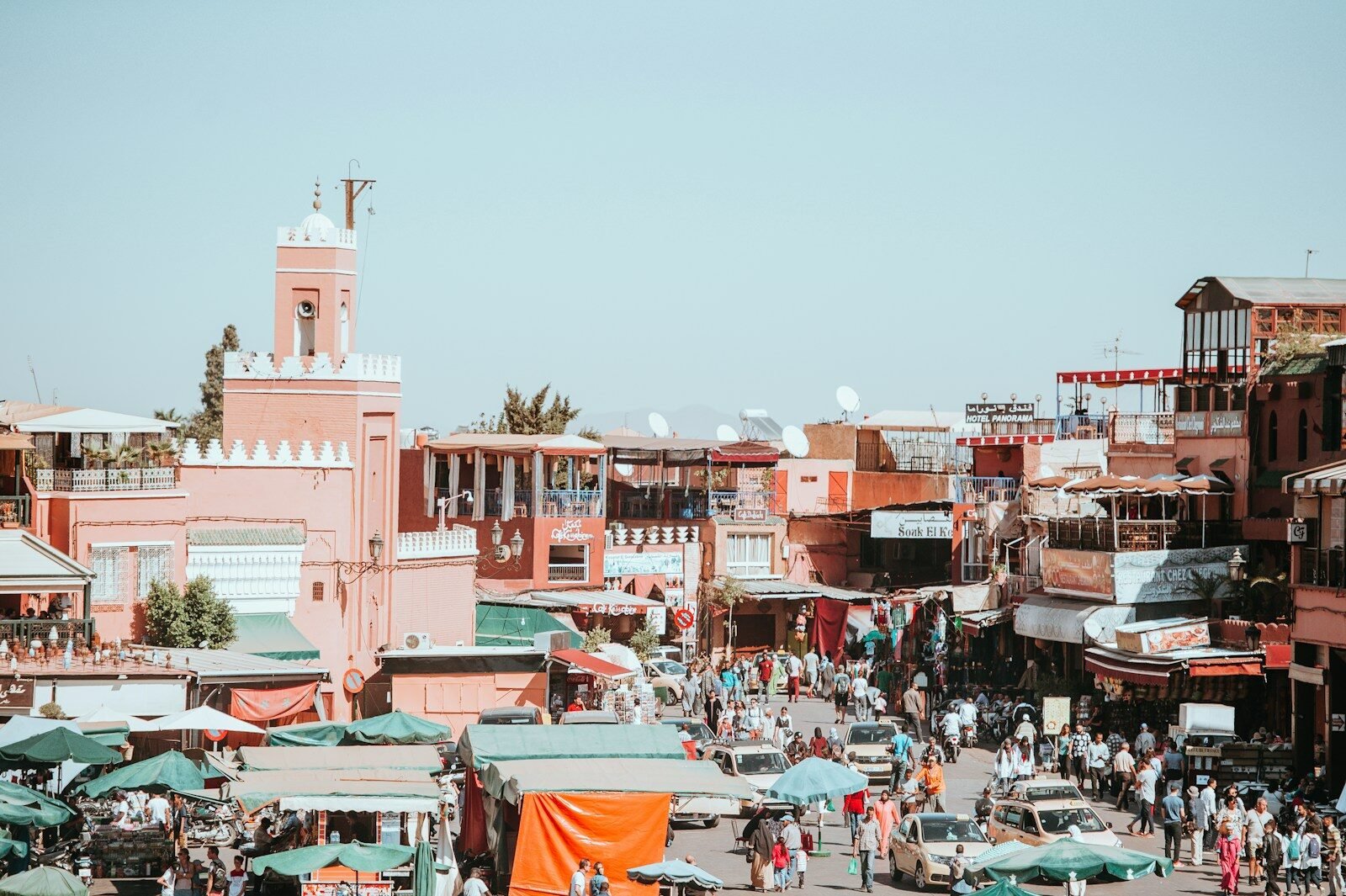
Yes, Morocco is a Muslim-majority country, and Islam is its official state religion. However, that does not mean tourists must be Muslim or follow every religious practice to visit.
Morocco combines Islamic traditions with modern city life, established tourism services and diverse local customs. Visitors can explore historic medinas, coastal towns, mountains and the Sahara while learning about the country’s religious culture.
If you are planning a family holiday, understanding a few basic customs will help you prepare. Clothing expectations, mosque access, food options and daily schedules can differ depending on where and when you travel.
Quick Takeaways
Is Morocco a Muslim country? Yes. Islam is the state religion, and most Moroccans are Muslim.
Can non-Muslims visit? Yes. Morocco welcomes international tourists of different religious backgrounds.
Do tourists need to wear religious clothing? No. Ordinary visitors generally do not need to cover their hair, although modest clothing is advisable in many settings.
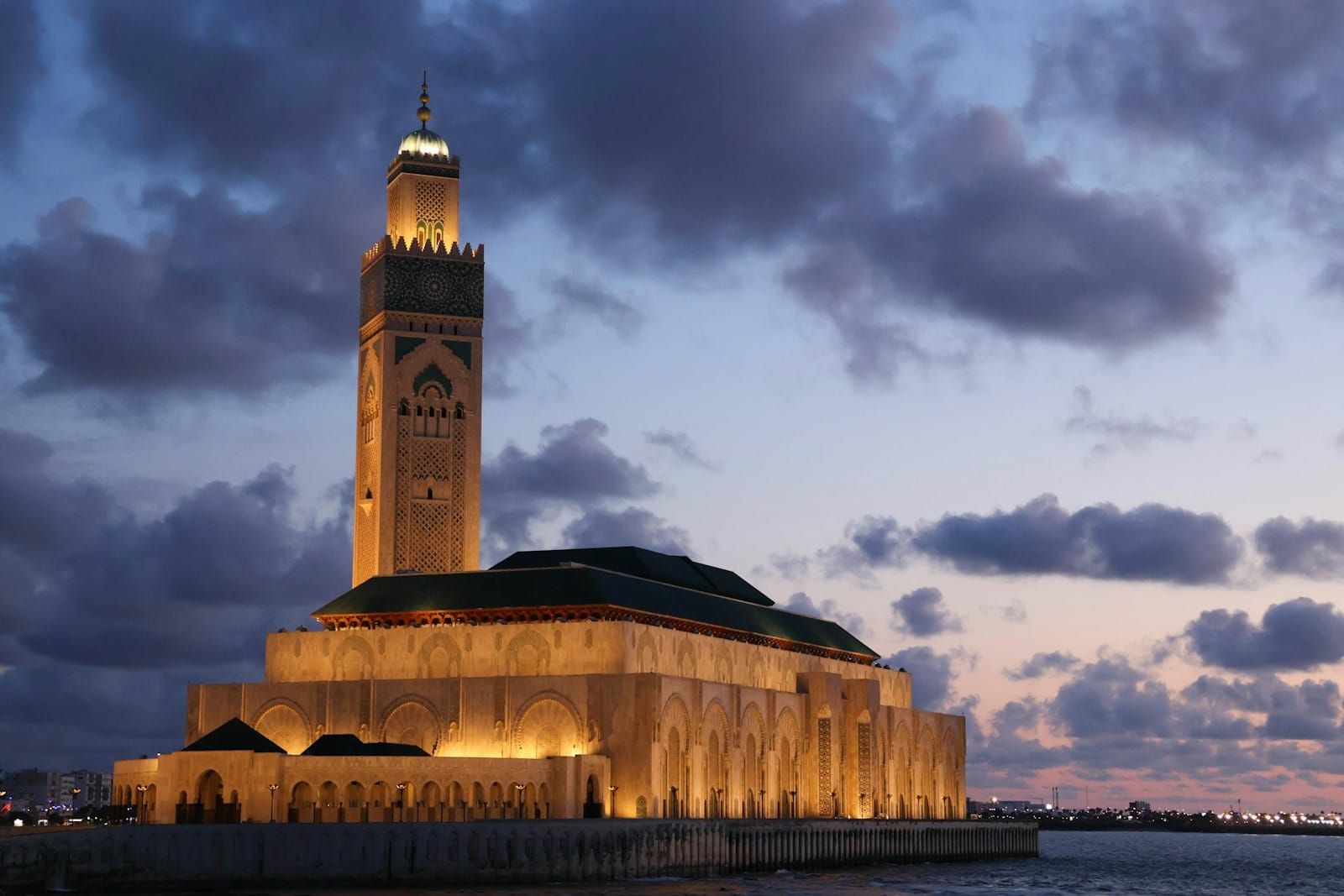
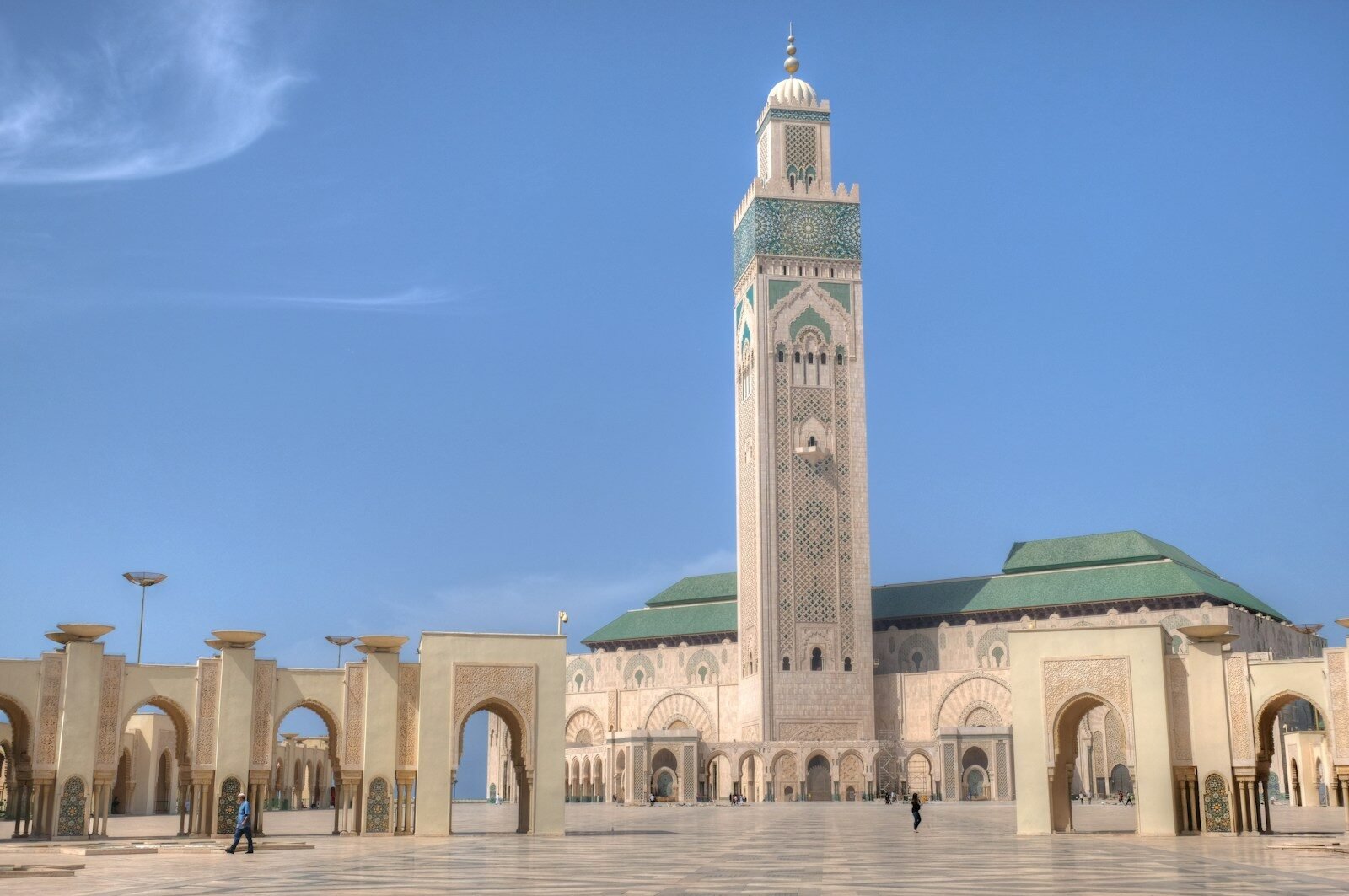
Can non-Muslims visit mosques? Access is restricted at most mosques, but some sites, including Hassan II Mosque in Casablanca, offer visits to non-Muslims.
Is alcohol available? It is available in some licensed establishments, but availability varies and alcohol is not central to everyday public life.
Is Ramadan a good time to visit? Yes, if you plan around changing schedules and understand that daytime routines may be different.
Is Morocco Officially a Muslim Country?
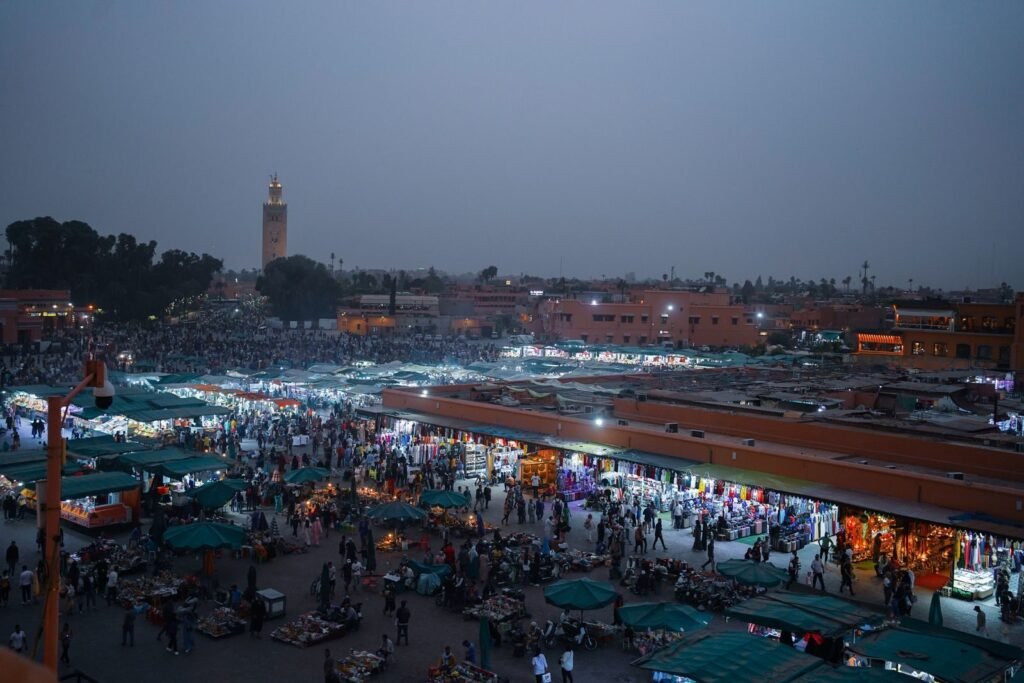
Yes. Islam is Morocco’s official state religion under Article 3 of the Moroccan Constitution. The same article states that the state guarantees the free exercise of religious worship.
Islam also has a central place in Morocco’s national identity, public life and cultural traditions. Mosques, religious holidays and the Islamic calendar influence daily routines throughout the country.
This official status does not mean that every person has the same level of religious observance or that every visitor must follow Islamic religious practices.
For the legal wording, see Article 3 of Morocco’s Constitution.
What Religion Do Most People in Morocco Follow?
Most Moroccans follow Islam, predominantly Sunni Islam. Islamic traditions influence family celebrations, holidays, food customs and community life.
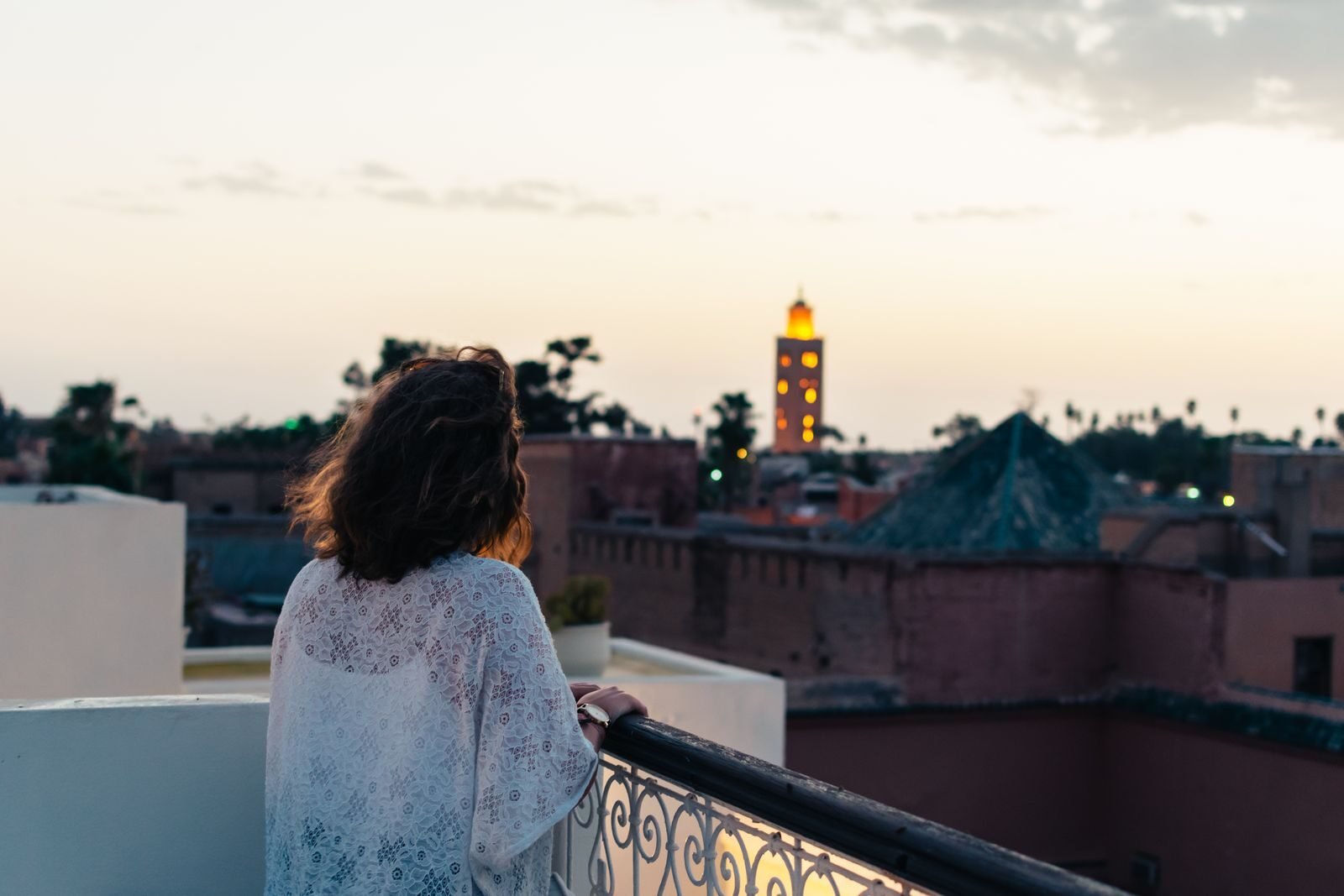
You may hear the call to prayer from nearby mosques, see families gathering to break their fast during Ramadan, or notice that Friday has particular religious significance.
The way people practise their religion varies. Some follow religious routines closely, while others are less observant. Avoid assuming that every Moroccan household follows identical customs.
Is Morocco a Strict Islamic Country?
Morocco has a strong Islamic identity, but visitors’ everyday experiences vary by location and situation. It is more useful to understand the country’s laws, social customs and religious traditions separately than to describe the entire country as either strict or relaxed.
In major tourist destinations such as Marrakech, Casablanca and Agadir, visitors encounter international hotels, modern shopping areas, restaurants and established tourism services alongside traditional neighbourhoods.
In rural communities and more traditional settings, local expectations around dress and public behaviour may be more conservative. Religious occasions can also affect schedules and the atmosphere of public spaces.
The practical approach is to respect local customs without assuming that every place in Morocco operates in the same way.
Can Non-Muslims Visit Morocco?
Yes. Non-Muslims can visit Morocco for holidays, sightseeing and cultural experiences. You do not need to be Muslim to explore its cities, beaches, historic sites or natural landscapes.
Visitors can learn about Islamic architecture, traditional crafts, Moroccan cuisine and local celebrations without participating in religious practices.
As with travel anywhere, follow local laws and respect other people’s religious beliefs. For family trip ideas, see our guide to Morocco with kids.
Do Tourists Have to Follow Islamic Rules in Morocco?
Tourists do not have to practise Islam, but they must respect Moroccan laws and local customs. The most useful guidelines concern appropriate clothing, behaviour at religious sites and consideration for people observing religious occasions.
For example, speak quietly in places of worship, ask before photographing people, and avoid interrupting prayer or religious ceremonies.
During Ramadan, be considerate around people who are fasting. You can ask your hotel or local host about practical arrangements rather than relying on assumptions about what will be open.
What Should Tourists Wear in Morocco
Most tourists can wear ordinary holiday clothing, but modest outfits are a sensible choice in traditional settings. Expectations vary by location, activity and occasion.
What should you wear in cities and medinas?
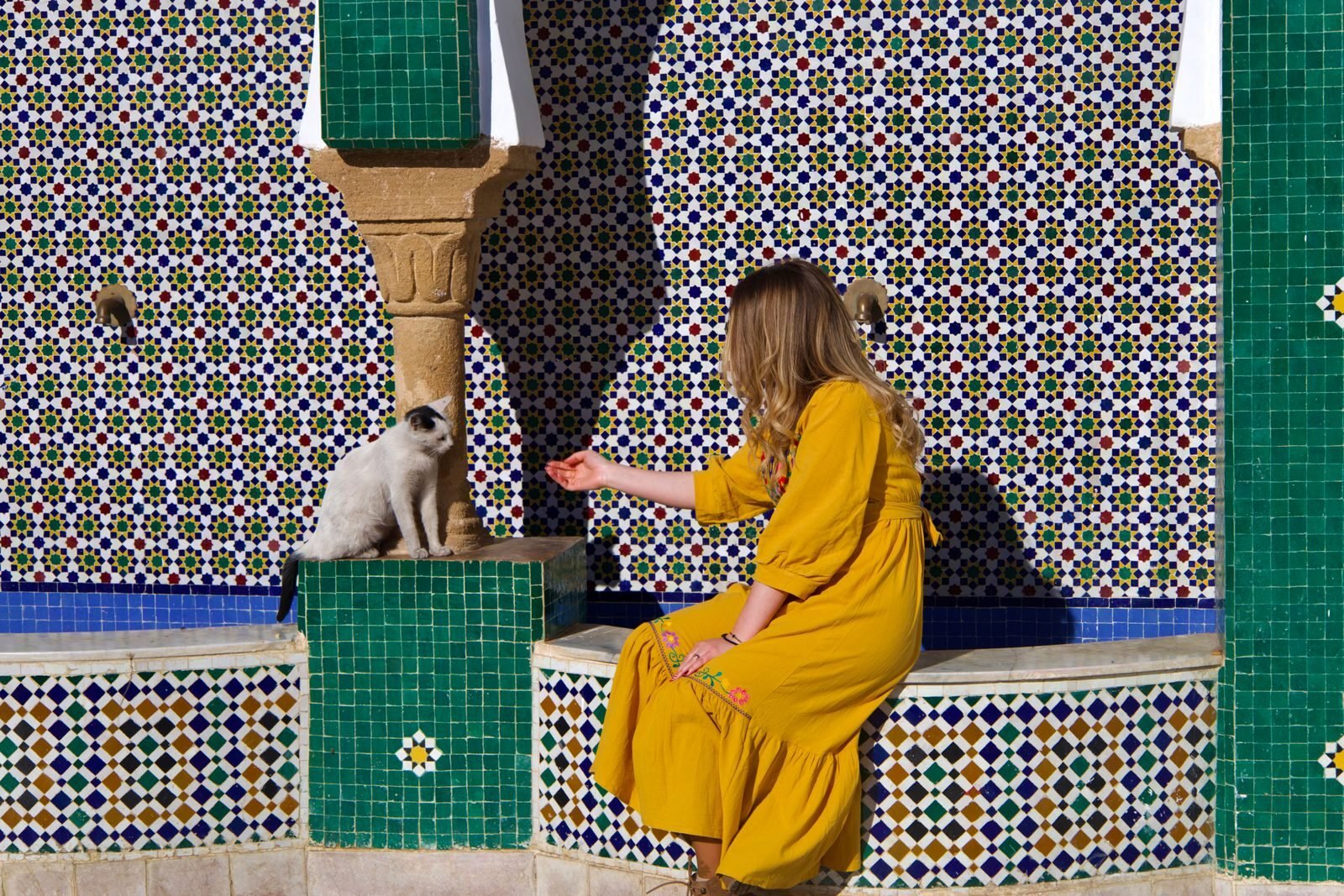
T-shirts, trousers, skirts and knee-length shorts are generally practical options in many urban and tourist areas. In traditional medinas and rural communities, clothing that covers the shoulders and knees is a considerate choice.
Women generally do not need to cover their hair when walking around public streets. Specific religious sites may have additional dress requirements.
Can tourists wear swimwear?
Yes, swimwear is appropriate at pools and beaches where it is permitted. Cover up when walking through town, entering shops or travelling between the beach and your accommodation.
For a mosque visit, check the site’s rules before arriving. Requirements can be more specific than everyday clothing expectations.
Can Non-Muslims Visit Mosques in Morocco?
Most mosques in Morocco are not open to non-Muslim visitors, but some offer access through organised visits. The rules depend on the individual site.
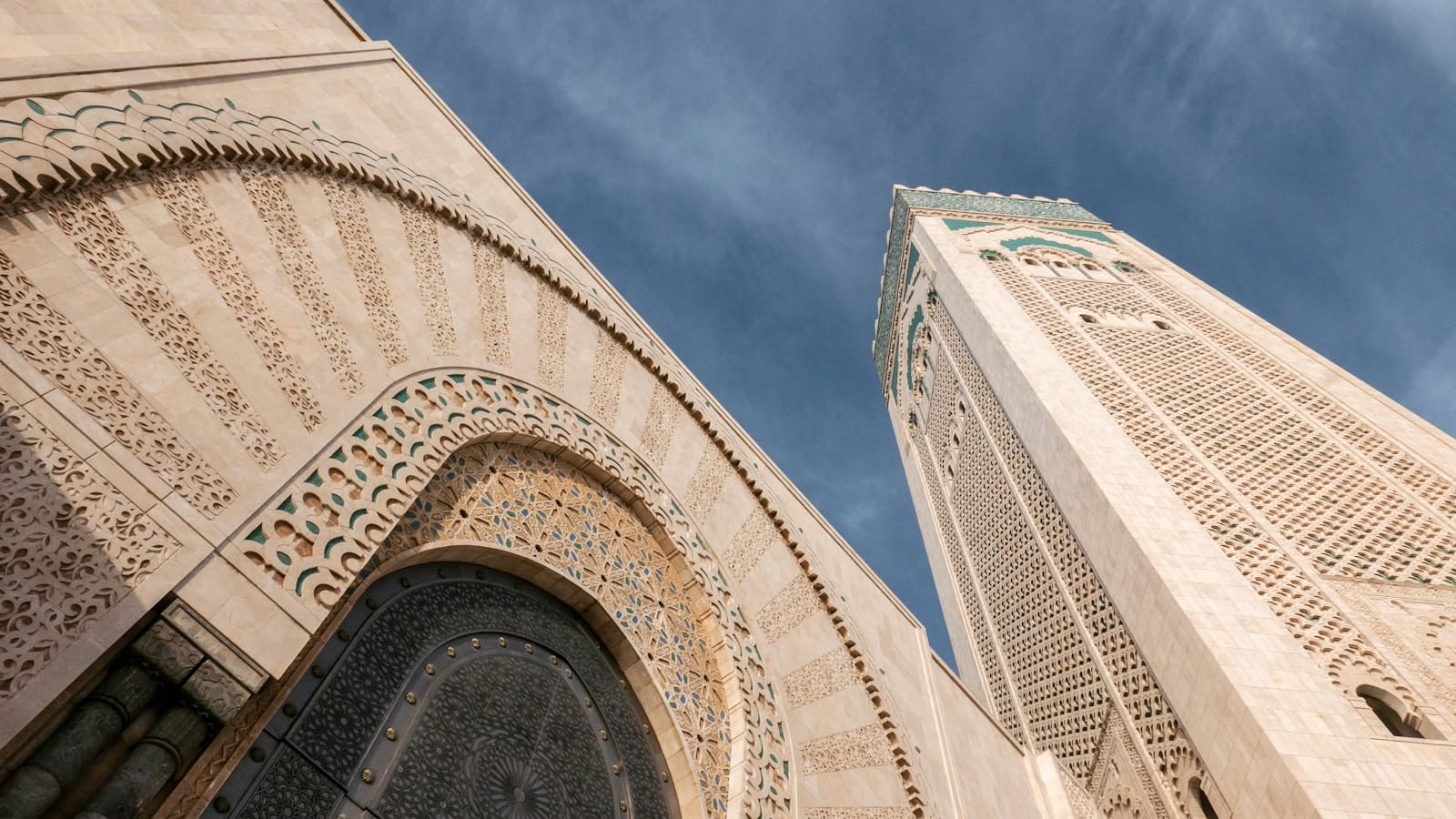
One important exception is Hassan II Mosque in Casablanca, which offers guided visits to non-Muslims at scheduled times. Visitors must follow the site’s clothing and conduct rules, and access times can change around prayers and Ramadan.
Do not assume that you can enter every mosque simply because it is a historic building. If a mosque is not open to tourists, you can still appreciate its exterior architecture from public areas where access is allowed.
Is Alcohol Allowed in Morocco?
Alcohol is available in some licensed establishments in Morocco, but it is not available everywhere. Some hotels and restaurants serve it, while many other businesses do not.
Availability can depend on the location, establishment and time of year. Visitors should not assume that every restaurant serves alcoholic drinks or that alcohol is appropriate in every public setting.
During Ramadan and other religious occasions, opening arrangements and local practices may differ. Check directly with your accommodation or restaurant if you have a specific question about its services.
For families, it is usually more useful to check restaurant menus and meal arrangements in advance than to assume all establishments offer the same options.
Is Food in Morocco Halal?
Halal food is widely available in Morocco because Islamic dietary practices are common. Traditional Moroccan dishes often use vegetables, grains, chicken, lamb or beef prepared according to local customs.
However, individual restaurants may have different menus and preparation practices. If you have specific dietary requirements, allergies or questions about ingredients, explain them clearly to the restaurant.
Families with children can also ask about familiar foods, simple dishes and alternatives if a child is hesitant to try local meals. Moroccan cuisine includes a wide range of flavours, so one unfamiliar dish does not represent the entire food culture.
What Is Ramadan Like in Morocco?
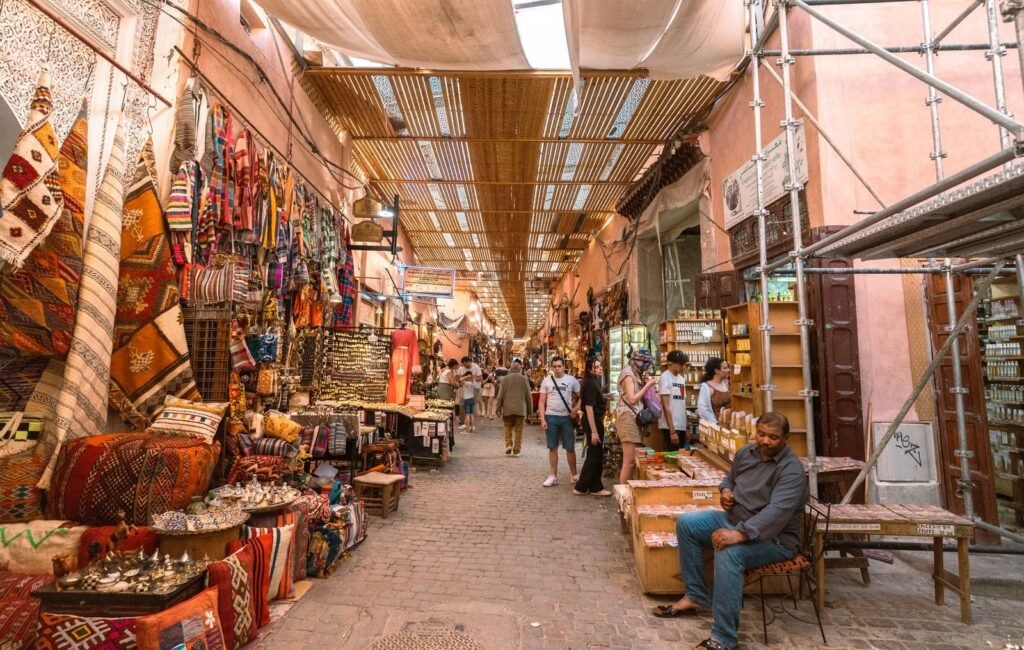
Ramadan is a significant month in Morocco, and daily routines often change while Muslims fast from dawn until sunset. The month is associated with prayer, reflection, family gatherings and the evening meal known as iftar.
During the day, some cafés, restaurants, shops and public services may operate on adjusted schedules. The timing varies by business and location, so there is no single nationwide opening schedule that visitors should rely on.
Tourist hotels and some visitor-focused restaurants continue serving guests, but it is wise to confirm arrangements in advance. Be considerate when eating or drinking in public during daylight hours, particularly in more traditional areas.
After sunset, many neighbourhoods become busier as families gather for iftar and people go out to eat or socialise. Ramadan can be a rewarding time to learn about Moroccan culture, provided your itinerary allows for flexibility.
For more planning advice, read our guide to a holiday in Morocco during Ramadan.
Is Morocco a Good Destination for Non-Muslim Families?
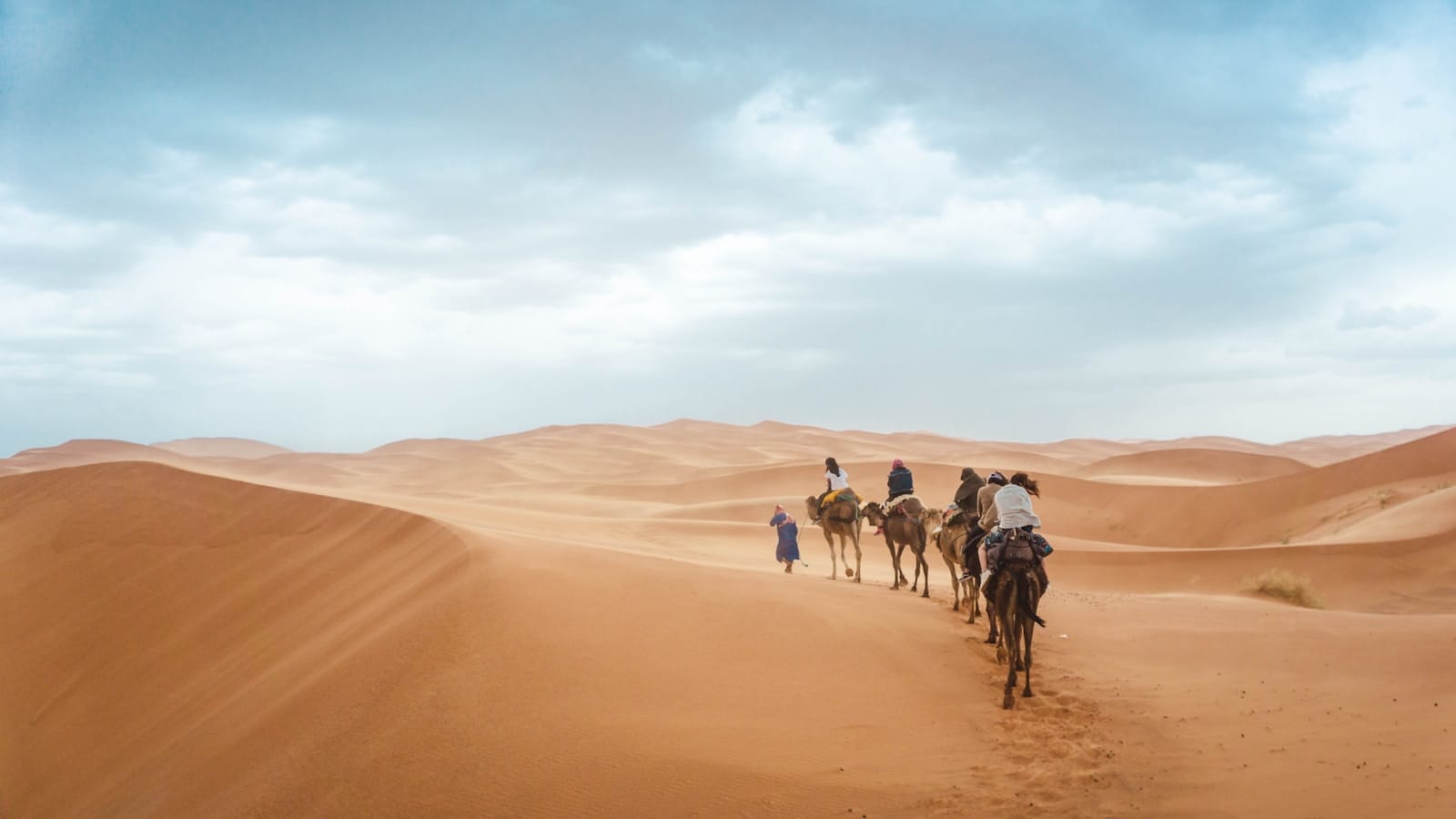
Yes. Morocco can be a suitable destination for non-Muslim families who want to experience a different culture while enjoying a range of family activities. Families can visit historic cities, explore gardens, spend time on the coast and discover mountain or desert landscapes.
Children do not need to follow Islamic religious practices to enjoy a holiday in Morocco. Parents can explain local customs in simple terms, such as why people gather for prayer or why meal times may change during Ramadan.
The best itinerary depends on children’s ages, travel time and interests. Families with younger children may prefer fewer destinations and shorter travel days rather than trying to see the whole country in one trip.
Explore Rabat with kids or compare destinations in our guide to the best places to visit in Morocco.
Are There Other Religions in Morocco?
Yes. Although Islam is the predominant religion, Morocco also has religious minorities and a history shaped by several faiths. Jewish heritage is an important part of the country’s history, and Christian communities are also present, including foreign residents and visitors.
The Moroccan Constitution identifies Islam as the state religion and guarantees the free exercise of religious worship. That constitutional wording is important context, although it should not be taken to mean that every religious activity faces no legal or practical restrictions.
Morocco’s cultural history includes Arab-Islamic, Amazigh, Saharan, African, Andalusian, Hebrew and Mediterranean influences. Visitors can encounter parts of this history through architecture, museums, historic neighbourhoods and cultural sites.
Approach religious heritage with curiosity and respect, and remember that a country’s history is often more diverse than a simple description of its majority religion suggests.
What Religious Customs Should Visitors Respect?
Visitors should respect prayer, religious spaces, local dress expectations and the privacy of people practising their faith. These simple habits help you travel considerately without needing extensive religious knowledge.
Keep these points in mind:
Dress according to the expectations of the place you are visiting, especially at religious sites.
Ask permission before photographing people, particularly during prayer or religious ceremonies.
Keep your voice low and follow instructions when visiting a place of worship.
Be patient when opening hours or services change for religious reasons.
During Ramadan, be considerate around people who are fasting.
If you are unsure about a custom, ask your host or a knowledgeable local contact politely.
You do not need to understand every tradition before arriving. Showing consideration and being willing to learn is a good starting point.
Is Morocco Different During Ramadan or Religious Holidays?
Yes. Ramadan and major religious holidays can affect business hours, transport routines and the atmosphere of public spaces. The extent of the change depends on the place, the date and the type of service.
During Ramadan, some businesses reduce or adjust their hours, while evenings may become more active. Eid al-Fitr, which marks the end of Ramadan, and Eid al-Adha can also affect opening hours and family travel plans.
The dates of Islamic holidays follow the lunar calendar, so they shift each year on the Gregorian calendar. Confirm your travel dates and check directly with hotels, attractions and transport providers before finalising a detailed schedule.
If you are travelling with children, leave some flexibility in your plans rather than scheduling every activity tightly.
What Should First-Time Visitors Know Before Travelling to Morocco?
First-time visitors should prepare for a country where Islamic traditions are an important part of daily life, while remembering that customs differ between places and people. A little preparation can make cultural experiences easier to understand.
Before your trip:
Pack a few modest clothing options for medinas, villages and religious sites.
Check mosque visitor rules before planning a visit.
Confirm restaurant and attraction hours during Ramadan or religious holidays.
Explain local customs to children in an age-appropriate way.
Allow enough time to explore rather than rushing between too many cities.
Ask your accommodation or local travel provider about practical questions specific to your itinerary.
For more itinerary ideas, see our 10-day Morocco family vacation itinerary or 14-day family tour from Casablanca.
Conclusion: Is Morocco a Muslim Country?
Yes. Morocco is a Muslim-majority country, and Islam is its official state religion. Non-Muslim visitors can still enjoy a holiday there without practising Islam, provided they respect local laws, customs and religious spaces.
For most visitors, the key is understanding what to expect rather than worrying about every difference. Dress considerately in traditional settings, check mosque access rules, prepare for possible schedule changes during Ramadan and approach local traditions with respect.
For families, a well-paced itinerary can make it easier to enjoy Morocco’s culture, landscapes and everyday life. Morocco Family Vacation helps families plan private trips tailored to their interests, travel pace and needs.
Morocco Family Vacation helps families plan private trips tailored to their interests, pace and practical needs. If you would like help planning a family trip across Morocco, you can explore our Morocco family tours and find an itinerary that suits your family.
Frequently Asked Questions
Our dedicated team is here to answer your Morocco Family Travel questions and ensure a smooth, memorable journey through Morocco.
Is Morocco a Muslim country by law?
Yes. Article 3 of the Moroccan Constitution states that Islam is the state religion and that the state guarantees the free exercise of religious worship.
Can Christians and other non-Muslims visit Morocco?
Yes. Non-Muslims can visit Morocco for tourism and cultural experiences. Visitors should respect local laws and customs, and check access rules before entering religious sites.
Do tourists have to dress modestly in Morocco?
Modest clothing is recommended in traditional areas and religious settings, but tourists do not generally need to wear religious clothing. Expectations vary by place, and individual sites may have specific requirements.
Can tourists drink alcohol in Morocco?
Alcohol is available in some licensed establishments, but not everywhere. Availability and local practices vary, so visitors should not assume that every restaurant or hotel serves it.
Is Morocco a good place to visit during Ramadan?
Yes, Morocco can be a rewarding destination during Ramadan. Visitors should plan for possible changes to business hours and daytime routines, confirm arrangements in advance and allow flexibility in their itinerary.
Table of Contents
-
Private Family Tours
-
Custom Itineraries
-
Sahara Desert Tours
-
Chefchaouen & Northern Morocco Tours
-
Luxury Desert Camping
-
Multi-Day Tours (2–16 Days)
-
Atlas Mountains Trips
-
Cooking Classes & Market Visits
-
Photography & Heritage Tours
-
Airport Transfers & Private Transport
-
Custom Birdwatching Tour in Morocco
-
24/7 Tour Support & booking Flexibility
At Morocco Family Vacation, we create custom Morocco tour packages designed around your interests and travel style. As a dedicated and independent travel agency, we specialize in private Morocco tours offering memorable desert adventures, cultural experiences, and family friendly itineraries while delivering attentive, personalized service from start to finish.