
What is Merzouga Known For?
What is Merzouga Known For? Morocco’s Sahara Desert Guide

Merzouga, a small village in southeastern Morocco, has become one of the country’s most iconic destinations for travelers seeking a unique desert experience. Nestled at the edge of the Sahara Desert, Merzouga is best known for its striking Erg Chebbi sand dunes, which rise up to 150 meters and stretch as far as the eye can see. These golden dunes are a magnet for adventure seekers, photographers, and cultural enthusiasts alike.
Beyond the dunes, Merzouga offers an array of activities including camel trekking, 4×4 desert tours, and sandboarding, as well as opportunities to immerse yourself in Berber culture. From luxury desert camps under a starry sky to traditional nomadic experiences, the village provides something for every type of traveler. In this guide, we will explore what Merzouga is known for, from its natural wonders and adventure offerings to cultural experiences and travel tips. By the end, you’ll have a comprehensive understanding of why Merzouga Morocco is a must-visit destination.
Family-Friendly Discovery Tour –Relaxed pace, short drives, flexible schedules, and family-friendly iftar experiences.
Cultural Immersion Experience –Evening traditions, local dining, guided medina walks, and authentic cultural encounters.
Luxury & Comfort Escape –Premium accommodations, private guides, refined dining, and complete itinerary flexibility.
What is Merzouga known for?
Merzouga is known for the Erg Chebbi sand dunes, some of the tallest dunes in Morocco, reaching up to 150 meters (500 feet). It is famous for camel trekking, luxury and traditional desert camps, Sahara sunrises and sunsets, stargazing, and authentic Berber culture. Merzouga is also known for nearby villages like Khamlia, famous for Gnawa music, and Hassilabied, a quiet oasis village at the edge of the dunes.
Where Merzouga Is and Why It Matters


Merzouga’s Location in Southeastern Morocco
Merzouga is located near the Algerian border in the Errachidia Province and includes nearby villages such as Hassilabied and Khamlia, both well known for their proximity to the Erg Chebbi dunes and rich local culture. The area is part of the Drâa-Tafilalet region, famous for its dramatic landscapes and desert climate. Merzouga lies approximately 500 kilometers from Marrakech and 350 kilometers from Fes, making it easily accessible by road for travelers seeking an authentic Sahara experience.
Gateway to the Sahara Desert and Erg Chebbi
Merzouga serves as the primary gateway to the Erg Chebbi dunes, one of Morocco’s largest and most picturesque dune systems. Its strategic location makes it an ideal base for desert excursions, overnight camping, and exploration of surrounding villages. Travelers often use Merzouga as a starting point for longer southern Morocco itineraries that include Rissani, Todra Gorge, and the Draa Valley.
What to see in Merzouga?
In Merzouga, visitors can see the Erg Chebbi dunes, palm groves, seasonal desert lakes, and traditional Berber villages. Highlights include camel caravans at sunset, Khamlia village for live Gnawa music, Hassilabied oasis walks, desert camps under the stars, and panoramic dune viewpoints. Wildlife such as desert foxes and migratory birds can also be spotted in certain seasons.
The Iconic Sand Dunes: Erg Chebbi
Geography and Formation
Erg Chebbi is a magnificent sea of sand covering approximately 22 kilometers long and 5–7 kilometers wide. These dunes were formed over thousands of years through wind erosion and sediment deposition, resulting in the soft, rolling peaks that make the area so photogenic.
Why Erg Chebbi Is One of Morocco’s Most Photographed Landscapes
The dunes’ dramatic shapes, shifting shadows, and golden hues at sunrise and sunset make Erg Chebbi one of the most photographed landscapes in Morocco. Tour operators offer guided treks to the highest dunes, ensuring travelers can capture panoramic shots and witness the desert’s vast scale.
Fun Facts About the Dunes
Erg Chebbi’s tallest dune reaches approximately 150 meters.
Sand here is fine and soft, ideal for sandboarding.
The desert ecosystem includes hardy flora and fauna adapted to arid conditions.
Is the Merzouga desert worth visiting?
Yes, the Merzouga desert is absolutely worth visiting. It offers one of the most accessible and authentic Sahara experiences in Morocco, with dramatic dunes, peaceful landscapes, and cultural encounters. Whether staying one night or two, Merzouga provides unforgettable experiences like camel trekking, sleeping in the desert, and watching the stars far from city lights.
Is Merzouga a Berber village?
Yes, Merzouga is a traditional Berber village. The local population is mainly Berber, and many desert camps and guides are run by Berber families. Visitors can experience Berber hospitality, music, food, and customs, especially in nearby villages such as Hassilabied and Khamlia.
Desert Adventure Activities
Camel Trekking at Sunrise and Sunset
Camel rides are the quintessential desert experience in Merzouga. Trekking across the dunes during sunrise or sunset allows travelers to witness the desert’s colors shift from gold to deep red. Long-tail keywords like “Merzouga camel trekking experience” highlight this as a signature activity.
Quad Biking and ATV Tours
For thrill-seekers, quad biking offers an adrenaline-fueled way to explore Erg Chebbi. Professional guides lead tourists through dunes and desert tracks, combining adventure with safety.
4×4 Dune Bashing and Off-Road Tours
4×4 tours provide access to more remote areas, such as hidden oases, salt flats, and fossil fields. This is ideal for travelers interested in exploration and photography, offering unique perspectives beyond standard camel routes.
Sandboarding the Giant Sand Slopes
Sandboarding is increasingly popular, offering a unique alternative to skiing or snowboarding. It’s accessible for all ages and adds an element of fun and excitement to desert excursions.
How far is Merzouga from Marrakech?
Merzouga is approximately 560 kilometers (350 miles) from Marrakech. The journey usually takes 9–10 hours by road, often split over one or two days with stops in the Atlas Mountains, Ait Ben Haddou, Dades Valley, or Todra Gorge. Most travelers visit Merzouga as part of a multi-day desert tour.
Best Time to Visit Merzouga Morocco
The ideal seasons to visit depend on your tolerance for heat and desire for comfortable activity conditions:
Spring (March–May): Warm days and cool nights, ideal for outdoor tours.
Autumn (September–November): Mild conditions and perfect opportunities for camping and hiking.
Winter (December–February): Pleasant days but cold nights; excellent for clear starry skies.
Summer (June–August): Extremely hot daytime temperatures often exceeding 45°C, making early morning or late afternoon activities preferable.
Desert Camping Experiences
Traditional Nomadic (Berber) Camps
Visitors can experience authentic Berber hospitality in traditional desert tents. These camps offer a chance to enjoy Moroccan tea, music, and storytelling, providing insight into nomadic culture.
For families, a stay of 2 to 4 nights allows time to enjoy safari excursions, a camel trek, overnight desert camp, plus downtime to relax and adapt between activities.
Luxury Desert Camps
Luxury camps combine comfort with desert immersion. Amenities may include en-suite bathrooms, gourmet meals, and climate-controlled tents, catering to travelers seeking adventure without sacrificing comfort.
Sleeping Under a Starry Sahara Sky
Merzouga’s clear desert skies provide some of the best stargazing in Morocco. Sleeping under millions of stars is a transformative experience, often cited as a highlight by travelers.
Book Your Family Adventure Now — Limited Spots Available!
Book Your Family Adventure Now — Limited Spots Available!
Unique Natural Attractions Near Merzouga
Dayet Srji Salt Lake and Birdwatching
A seasonal salt lake near Merzouga, Dayet Srji, attracts flamingos and other migratory birds, making it a popular destination for nature lovers and wildlife photographers.
Hidden Oases and Desert Streams
Scattered throughout the Sahara are small oases that provide lush greenery and shade. These natural retreats offer travelers a glimpse of life in the desert and are ideal for quiet reflection.
Fossil Fields and Geologic Wonders
Merzouga’s surroundings include fossilized remains of ancient marine life, revealing the Sahara’s prehistoric history. These sites appeal to geology enthusiasts and educational travelers.
Merzouga’s Culture and Traditions
Gnawa Music and Desert Rhythms
Gnawa music, with its hypnotic rhythms and spiritual melodies, is a cultural highlight. Many desert camps host evening performances, allowing travelers to experience traditional music and dancing.
Traditional Berber Hospitality and Tea Ceremonies
Visitors are often welcomed with mint tea and local delicacies, a gesture of hospitality that reflects the Berber culture’s warmth and generosity.
Local Handicrafts and Artisan Markets
Merzouga’s artisans produce rugs, pottery, and jewelry. Buying directly from local craftsmen supports communities and provides travelers with authentic souvenirs.
How many days do you need in Merzouga?
Most travelers need one to two days in Merzouga to fully enjoy the experience. One day is enough for a camel trek, sunset, overnight desert camp, and sunrise, while two days allow for a deeper experience including a 4×4 desert tour, visiting nomad families, enjoying local music, and relaxing in the dunes. Many travelers include Merzouga as part of a 3–4 day desert tour from Marrakech or Fes.
Markets and Local Villages
Rissani Souk Visits
The nearby town of Rissani hosts a lively market selling spices, leather, and traditional goods. It’s a cultural immersion and ideal for practicing bargaining skills.
Kasbahs and Village Walks
Traditional kasbahs and mud-brick villages offer a glimpse into Morocco’s architectural heritage. Walking through these settlements reveals daily life and local customs.
Interaction With Nomadic Communities
Meeting nomadic families and learning about their lifestyle enriches the travel experience, highlighting how communities adapt to desert life.
Photography and Sunrise/Sunset Views
Best Spots for Photos
The dunes, oases, and salt lakes are prime photography locations. Travel guides often recommend climbing high dunes for panoramic shots, capturing shadows and light contrasts unique to the Sahara.
Capturing Desert Light and Shadows
The interplay of sunlight on sand creates dramatic visual effects. Photographers benefit from shooting during golden hours for optimal results.
Practical Travel Tips
Transportation Options
Merzouga is accessible via private car, organized tours, or buses from Marrakech, Fes, and Ouarzazate. Local taxis and camel rides provide additional mobility.
Safety and Weather Notes
Visitors should carry sunscreen, water, and protective clothing. Desert excursions are generally safe when guided by experienced operators.
Safety
Sun and Heat Protection: Desert conditions can be harsh; always carry water and sun protection.
Child-Friendly Planning: Schedule activities for cooler parts of the day.
Responsible Tourism: Respect local traditions and environmental sustainability.
Quick Takeaways / Key Points
Merzouga is Morocco’s gateway to the Sahara Desert and Erg Chebbi dunes.
Signature activities include camel trekking, sandboarding, and 4×4 tours.
Desert camps offer authentic Berber experiences or luxury comfort.
Nearby natural sites include Dayet Srji salt lake and hidden oases.
Cultural highlights feature Gnawa music, artisan markets, and traditional tea ceremonies.
Ideal travel periods are spring and autumn.
Photography and stargazing are major attractions for travelers.
Need Help with Transportation in Morocco?
Book a reliable private driver for your Morocco family adventure today – personalized routes designed just for you, and get 30% off as a first-time visitor!
Conclusion
Merzouga Morocco offers a combination of natural beauty, adventure, and cultural immersion that few destinations can match. From the soaring Erg Chebbi dunes to traditional Berber camps and unique wildlife, the village provides a diverse and unforgettable experience for travelers. Whether you are seeking adventure, photography opportunities, or cultural enrichment, Merzouga is a destination that leaves a lasting impression.
For families, solo travelers, and groups alike, planning a trip to Merzouga Morocco ensures exposure to both the Sahara’s grandeur and Morocco’s rich traditions. Start by booking guided excursions, choosing a suitable desert camp, and preparing for unforgettable desert adventures. Experience the magic of the Sahara Merzouga awaits.
─── Your questions, our answers.
Frequently Asked Questions
Our dedicated team is here to answer your Morocco Travel questions and ensure a smooth, memorable journey through Morocco.
What is the best month to visit Merzouga Morocco with family?
Spring (March–May) and autumn (September–November) offer milder temperatures ideal for family desert activities.
How many days should you spend in Merzouga?
A stay of 2–4 nights allows families to experience key activities like camel trekking, dune climbing, and cultural tours.
Are camel rides safe for kids?
Yes. Most camel treks are gentle and guided, suitable for children with proper supervision especially at sunrise or sunset.
What is the weather like in Merzouga in December?
December weather in Merzouga is mild and pleasant during the day and cool at night. Daytime temperatures typically range between 15°C and 22°C (59°F to 72°F), making it comfortable for desert activities, while nighttime temperatures can drop to around 5°C (41°F) or lower. Warm clothing is recommended for evenings and early mornings, and December is considered one of the best months to visit Merzouga due to clear skies and fewer extreme heat conditions.
Are there scorpions in Merzouga?
Yes, scorpions do exist in the Merzouga desert, as they are native to many desert regions in Morocco, but encounters with tourists are very rare. Scorpions are nocturnal, shy, and avoid human activity, and reputable desert camps and hotels take precautions by keeping sleeping areas clean, elevated, and well-maintained. Most visitors never see a scorpion during their stay, and guided tours reduce any risk further by following safe desert practices.

Kate Carter
Family Travel Blogger
Kate Carter is a mom and travel blogger who fell in love with Morocco’s culture and warmth. Through Morocco Family Vacation, she shares tips and stories to help travelers enjoy authentic, stress-free experiences. Join us along the way.
Table of Contents
Our Services
-
Private Family Tours
-
Custom Itineraries
-
Sahara Desert Tours
-
Chefchaouen & Northern Morocco Tours
-
Luxury Desert Camping
-
Multi-Day Tours (2–16 Days)
-
Atlas Mountains Trips
-
Cooking Classes & Market Visits
-
Photography & Heritage Tours
-
Airport Transfers & Private Transport
-
Custom Birdwatching Tour in Morocco
-
24/7 Tour Support & booking Flexibility
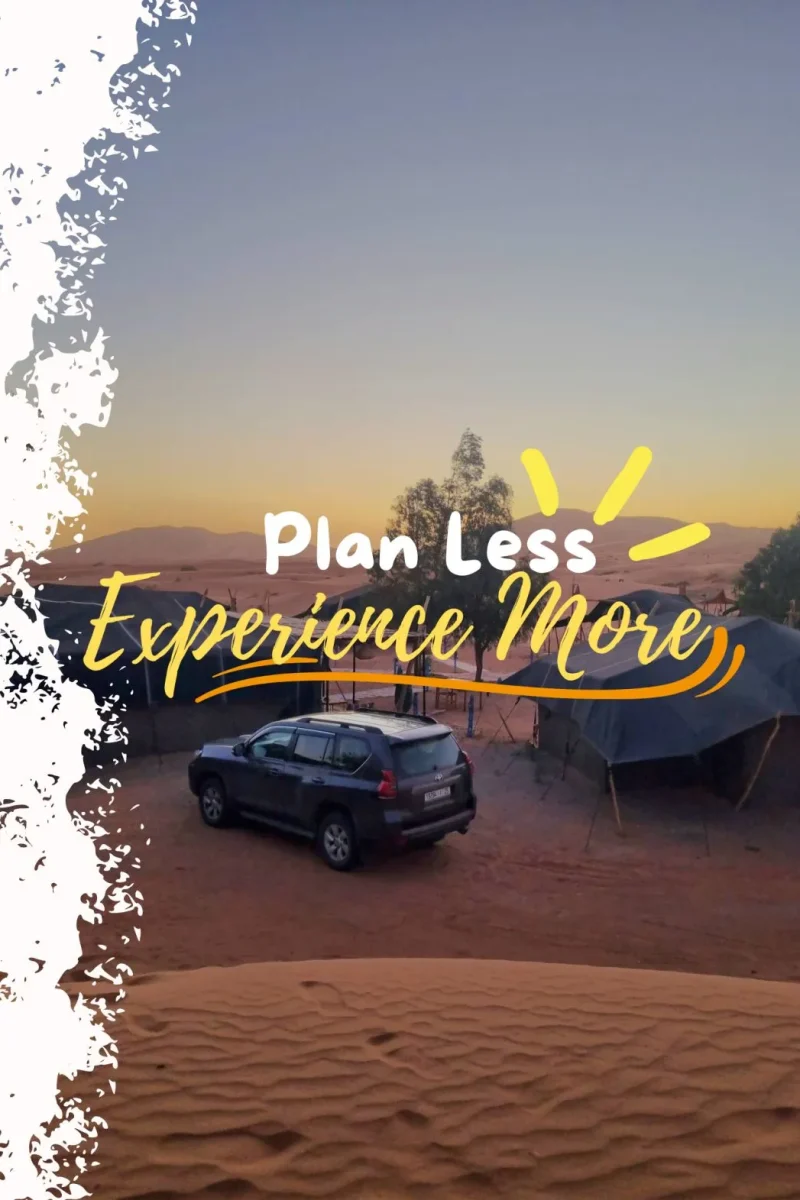
At Morocco Family Vacation, we create custom Morocco tour packages designed around your interests and travel style. As a dedicated and independent travel agency, we specialize in private Morocco tours offering memorable desert adventures, cultural experiences, and family friendly itineraries while delivering attentive, personalized service from start to finish.
Popular Tours
Latest Posts
get in touch
#chefchaouen morocco
#chefchaouen
#chefchaouen blue city
#chefchaouen blue city morocco
#Morocco Family Vacation