
Visiting top Berber Village Morocco
best Berber Village Morocco with family
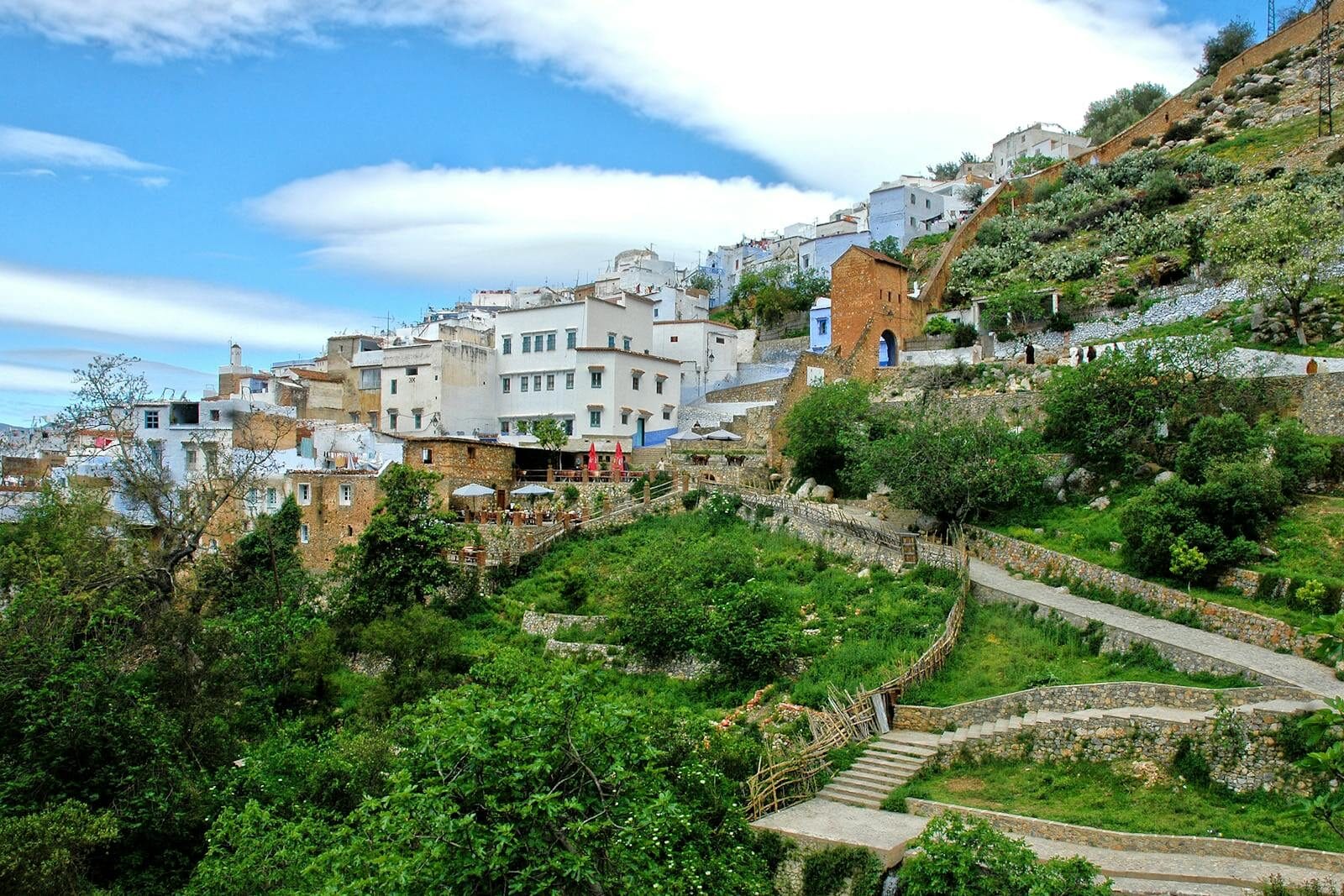
The idea of visiting a Berber village in Morocco sounds romantic until you actually try to plan one. Which village? High Atlas or Anti-Atlas? Day trip or homestay? With kids or without? The country has hundreds of Amazigh (Berber) communities scattered across mountain valleys, oasis edges, and desert plateaus, and not all of them are set up for family travelers. This guide is for parents and curious travelers who want the real picture before they go.
You will get a clear definition of what a Berber village Morocco actually is, the most family-friendly villages to put on your shortlist, what to expect when you arrive, how to behave so you do not embarrass yourself or your hosts, and the seasonal trade-offs of visiting in winter or summer. I will also explain the Amazigh culture in plain terms, share what kids tend to love (and dislike) about a village visit, and point you toward the kind of stays that work for families. By the end, you will know whether a Berber village Morocco experience fits your trip and how to do it well.
Quick Takeaways
- A Berber village in Morocco is a small Amazigh community, typically built from stone, mud brick, and rammed earth, often clinging to mountain slopes or oasis edges.
- Imlil, Aroumd, and Aït Bouguemez are among the most family-friendly High Atlas villages with proper guesthouses and gentle walks.
- Aït Benhaddou is the famous UNESCO ksar near Ouarzazate, great for a half-day visit with kids.
- Tafraoute and the Anti-Atlas offer quieter, drier, and warmer village experiences, ideal for winter trips.
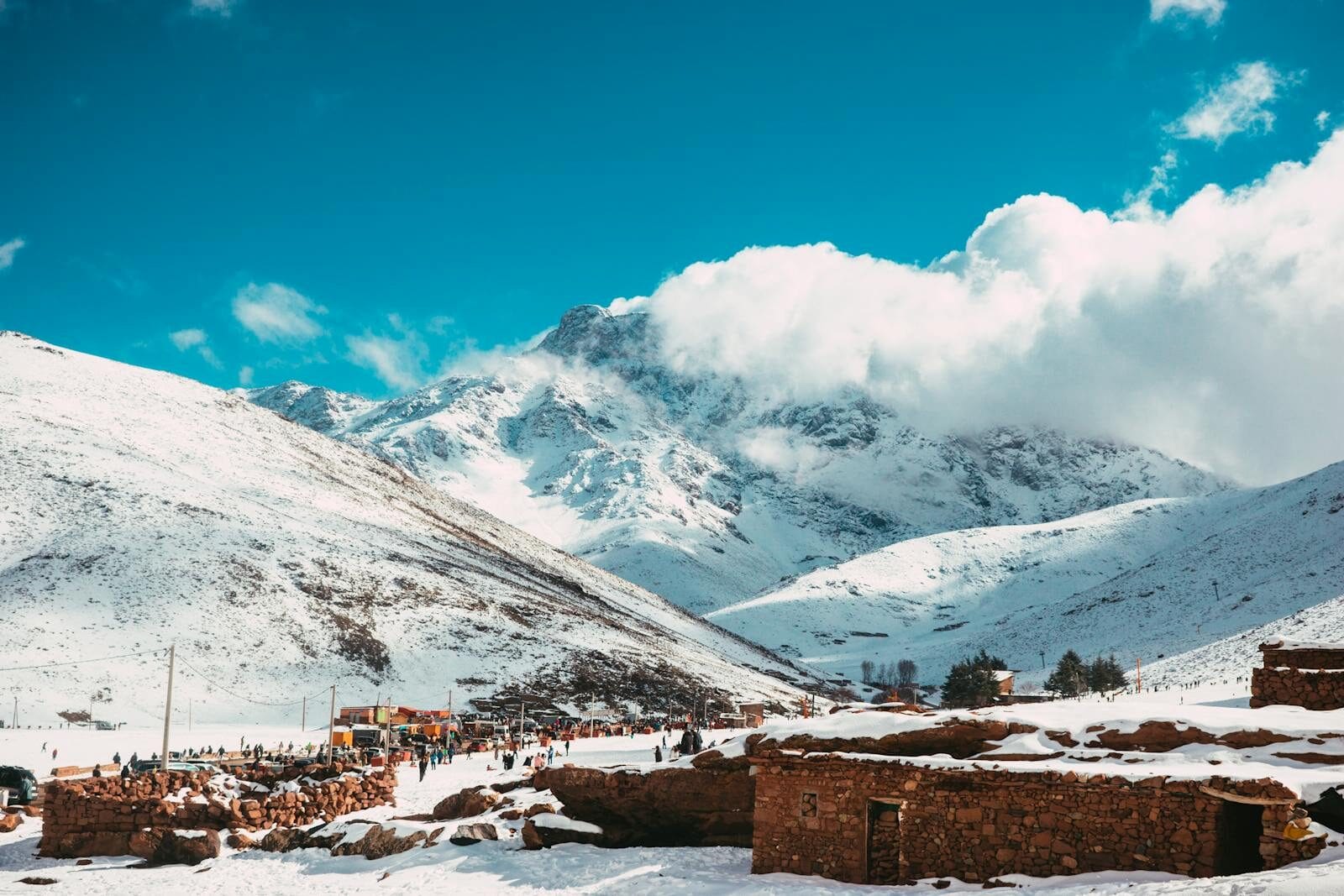
- Spring and autumn are the best seasons for visiting, though winter brings snow magic to the High Atlas.
- Hospitality is real and ongoing, mint tea will be offered repeatedly, and refusing is awkward, so pace yourself.
- Modest dress and asking before photos are the two biggest etiquette rules to remember.
What is a Berber village in Morocco?
A Berber village in Morocco is a rural Amazigh community, usually built from local stone, mud brick, or rammed earth, where families farm terraced land, herd sheep and goats, and live by older customs rooted in pre-Arab North Africa. These communities sit in the High Atlas, Anti-Atlas, Rif, and around Saharan oases, and most still speak Tamazight as a first language.
Architecturally, a typical Berber village Morocco looks earthy and grounded. Houses are flat-roofed, often two or three stories, with thick walls that keep the interior cool in summer and warm in winter. The shapes blend into the mountainside so completely that from a distance, the village can look like part of the rock. Inside, you will find central courtyards, a wood-burning kitchen, and rooms shared by extended family.
Socially, the village is the basic unit of Amazigh life outside the cities. Decisions get made in a council of elders called the jemaa. Bread is often baked in a communal oven. Weekly markets bring nearby villages together to trade, gossip, and resupply.
The phrase Berber village Morocco covers a wide range of communities though, and you will see real differences depending on geography:
- High Atlas villages sit at altitude, with snow in winter and walnut orchards in summer.
- Anti-Atlas villages are drier, palm-dotted, and warmer year-round.
- Rif villages in the north are greener, with cannabis fields in some valleys and a distinct Riffian culture.
- Pre-Saharan villages are oasis-based, built around water sources and date palm groves.
- Desert-edge villages near Merzouga have a hybrid culture between Amazigh and Saharan nomadic traditions.
The villages that feel most welcoming to visitors are those with a few generations of experience hosting trekkers, like Imlil, Aroumd, and Aït Bouguemez. They have guesthouses, English- or French-speaking guides, and enough infrastructure to make a family stay comfortable without feeling staged.
Who Are the Berbers? Understanding Amazigh Identity
The word “Berber” comes from outside the community, originally from a Greek and Roman label for non-Greek speakers. The people themselves use Amazigh (plural Imazighen), which means “free people.” That distinction matters when you are walking through a Berber village in Morocco, because using “Amazigh” instead of “Berber” signals that you have done a little homework.
Amazigh communities have lived across North Africa for thousands of years, long before Arab armies arrived in the 7th century. Estimates suggest 40 to 60 percent of Morocco’s population has Amazigh roots, though the cultural identification varies by region. The language, Tamazight, was officially recognized in Morocco’s 2011 constitution, and you will now see road signs in three scripts: Arabic, Latin, and the curving Amazigh alphabet called Tifinagh.
In a typical Berber village Morocco setting, you might hear several dialects depending on where you are: Tashelhit in the south, Tamazight in the central Atlas, and Tarifit in the Rif Mountains. Don’t worry about learning the language to visit. A simple “azul” (hello) and “tanmirt” (thank you) will earn you smiles everywhere.
What a Typical Berber Village in Morocco Looks Like Up Close
Walking into a Berber village for the first time is quieter than you expect. There is no welcoming sign, no ticket booth, no central plaza in the European sense. Just narrow lanes, stone walls, a few chickens, and a goat or two looking at you like you wandered in by accident.
Architecture and layout
Homes are stacked into the slope, often sharing walls. Roofs double as outdoor workspaces where women dry herbs, store hay, or rest in the afternoon. Mosques are simple, with a small minaret and a clean prayer hall. Communal bread ovens (called farran) sit at neighborhood corners, and you can watch loaves arriving from each household, marked with a little symbol so the baker knows whose is whose.
Daily rhythm
Mornings start early. By 6 a.m. someone is moving livestock, and women are heading to the spring or the tap. Midday is quiet. By late afternoon, kids come home from school (yes, there are schools in most villages now), and the village comes alive again for an hour or two before sunset.
What surprises most visitors
Two things tend to catch people off guard. First, satellite dishes are everywhere. The slow rhythm of a Berber village in Morocco does not mean cut off from the world. Most homes have TV, and many have Wi-Fi. Second, the women run more of the day-to-day life than first impressions suggest. They handle the bread, the livestock, the textiles, the weaving, and often the household finances.
Ready to Start Your Morocco Journey?
Let us help you design a smooth, affordable, and memorable journey crafted by local travel experts who know Morocco best.
Best Berber Villages in Morocco to Visit
There are hundreds of villages worth seeing, but a handful stand out as family-friendly entry points. Here are the ones I would put on a first-timer’s shortlist.
Imlil and Aroumd (High Atlas)
About 90 minutes south of Marrakech, Imlil is the most common gateway to Mount Toubkal and the easiest Berber village Morocco introduction for visitors. Aroumd, a 30-minute walk above Imlil, sits at the foot of a wide valley and feels less touristy. Guesthouses here range from simple to surprisingly comfortable, with hot showers and proper beds.
Aït Bouguemez (The Happy Valley)
A long drive from Marrakech (about 6 hours), but worth it for families who want to stay put for several nights. The valley is wide, green in spring, and full of gentle walks between traditional villages. Granaries dating back centuries sit perched on hilltops, and homestays here are some of the warmest in the country.
Tafraoute and Anti-Atlas Villages
In the south, Tafraoute sits in a landscape of pink granite boulders and almond groves. Winter is the best time to visit, with the almond blossom festival in February. Villages around Tafraoute, like Aguerd Oudad, give you a window into Amazigh life with far fewer visitors than the High Atlas.
Aït Benhaddou and Telouet
Aït Benhaddou is the most photographed Berber village in Morocco, a fortified ksar of mud-brick towers used as a film location for Gladiator, Game of Thrones, and others. It is touristy, but kids find it fascinating. Pair it with Telouet, the ruined kasbah of the once-powerful Glaoui family, an hour up the road.
Tizi n'Oucheg and Setti Fatma
Both are accessible from Marrakech for a day. Setti Fatma sits in the Ourika Valley and is known for its waterfalls. Tizi n’Oucheg is quieter and offers a sense of village life without long drives.
If you want this curated for your family rather than piecing it together yourself, Morocco Family Vacation designs Private Family Tours in Morocco for Kids, Teens & Toddlers, with itineraries that include the right villages for your kids’ ages and interests, trusted local guides, and comfortable stays from the medinas all the way to the Sahara.
Visiting a Berber Village in Morocco With Kids
Kids and Berber villages are often a better match than parents expect. The pace is slow, the dogs and donkeys are everywhere, and there are usually local children eager to play even without a shared language.
What works well
Short walks between villages give kids a sense of accomplishment without exhausting them. Tea visits with local families almost always include cookies and bread, which most kids love. Watching a tagine being cooked, or helping shape bread, becomes a memory that lasts.
What to plan for
Toilets are often basic, sometimes squat-style. Bring tissues and hand sanitizer for younger children. Showers in mountain guesthouses can run cold in the off-season. Bring layers and warm sleepwear, especially in winter. Long drives to and from villages can wear out younger kids, so build in a morning of village time followed by a quiet afternoon rather than back-to-back hikes.
What to bring as a small gift
A pack of school supplies, fresh fruit, or tea is welcome in many villages. Avoid sweets handed directly to kids on the street. Better to give to a teacher or family host who can distribute them.
Berber Village Morocco Language and Communication
In a Berber village in Morocco, you will likely hear a mix of Tamazight and Moroccan Arabic (Darija). French is common with older men and guides. English is spreading, especially among younger people in tourist-facing villages like Imlil. In remote villages, you may find no shared language at all, which is where smiles, gestures, and a willing local guide become essential.
A few quick phrases that go a long way:
- Azul (hello)
- Labas? (how are you?)
- Tanmirt (thank you)
- La shukran (no thanks, useful for the eighth glass of tea)
Food and Hospitality in a Berber Village
Mint tea is not optional. It is offered the moment you arrive, again after a tour, again at meals, and again before you leave. Refusing the first glass is acceptable. Refusing all of them is rude. Pace yourself.
Traditional meals in a Berber village in Morocco lean on what is grown or raised nearby. Expect:
- Tagine with chicken, lamb, or vegetables, slow-cooked over coals.
- Tanourt or tafarnout bread, baked daily in the communal oven.
- Couscous on Fridays, a long-standing tradition across the country.
- Argan oil drizzled on bread with honey for breakfast in southern villages.
- Berber omelet, eggs cooked in tomato and onion in a clay tagine.
Most family hosts will adjust spice levels for kids without being asked. If your child has a strict food preference, mention it politely on arrival. Vegetarians do well in Berber villages because tagine and couscous translate easily without meat.
Where to Stay in a Berber Village in Morocco
Three main options exist, each with different pros and cons.
What to bring as a small gift
Most authentic and most variable. You sleep in a guest room of a family home, eat with them, and follow their daily rhythm. Costs are low, usually 200 to 400 MAD per person per night with meals. Comfort levels swing widely. Best for families with older kids who can roll with whatever the day brings.
Guesthouse (gîte d'étape)
Purpose-built lodging for travelers, run by a local family or co-op. Private rooms, hot showers most days, kid-friendly meals. Imlil, Aroumd, and Aït Bouguemez have several good ones. Expect 400 to 800 MAD per room per night with breakfast.
Boutique lodge
A small number of higher-end lodges sit just outside villages like Imlil, with heated rooms, hammams, and chef-prepared meals. Comfortable for families with toddlers or grandparents along. Expect 1,500 MAD and up per night.
When to Visit: Berber Village Morocco by Season
Spring (March to May)
The most consistent answer for first-time visitors. Wildflowers, mild days, snowmelt in the streams, almond and cherry blossom in the Anti-Atlas, and green valleys in the High Atlas.
Autumn (September to November)
A close second. Harvest season means villages are busy with walnuts, almonds, and figs being collected. Days are warm, nights cool.
Winter (December to February)
A different kind of trip. The High Atlas gets snow above 2,000 meters, which can make a Berber village in Morocco feel like a postcard. Lower-altitude villages in the Anti-Atlas stay dry and mild. Pack warm layers regardless.
Summer (June to August)
Avoid the desert and lower villages, where temperatures push into the 40s°C. The High Atlas stays comfortable above 1,800 meters, and many Marrakech families head to mountain villages to escape the city heat.
Need Help with Transportation in Morocco?
Book a reliable private driver for your Morocco family adventure today – personalized routes designed just for you, and get 30% off as a first-time visitor!
Unspoken Rules and Etiquette in a Berber Village
Most travelers worry about offending people. The honest truth is that Amazigh hospitality is generous and forgiving, and small mistakes are met with patience. Still, a few rules really matter.
- Always ask before taking photos. Especially of women, elders, and children.
- Dress modestly. Knees and shoulders covered for adults. Kids have more flexibility.
- Use your right hand for greetings and eating.
- Accept tea even if you sip slowly. Refusing all hospitality is the one thing people remember.
- Don’t tip in a homestay setting without checking. A genuine thank-you, a fair payment to the host, and a small gift go further than cash slipped to a child.
- Skip alcohol in conservative villages unless your host offers first.
- Lower your voice when entering. Villages are quiet, and shouting carries.
Conclusion: Why a Berber Village Morocco Trip Belongs on Your List
A Berber village Morocco experience is the part of a trip that families remember years later. The medinas are loud and full of stories, the Sahara is unforgettable, but the village stays are where the country gets quiet enough to actually hear. Kids meet kids without phones. Parents share tea with hosts who genuinely want to know where you came from. Meals stretch longer than they should. The light shifts on the mountain, and you realize you have not checked your watch in two hours.
That is the kind of moment that does not happen on a packed tour bus or a beach resort. It happens in a small Berber village in Morocco because the rhythm of the place insists on it.
If you want a stay built around your kids’ ages, your travel style, and the right villages for the season you are visiting, Morocco Family Vacation designs Private Family Tours in Morocco for Kids, Teens & Toddlers. Plan your perfect family trip to Morocco with custom private tours designed for families traveling with toddlers, kids, and teens. Enjoy family-friendly experiences, trusted local guides, and handpicked comfortable stays from the medinas all the way to the Sahara.
─── Your questions, our answers.
Frequently Asked Questions
Our dedicated team is here to answer your Morocco Travel questions and ensure a smooth, memorable journey through Morocco.
What is the most family-friendly Berber village in Morocco?
Imlil and Aroumd in the High Atlas, plus Aït Bouguemez in the Central Atlas, are the most family-friendly Berber village Morocco options. They have established guesthouses, English- or French-speaking guides, gentle walks, and food that adjusts easily for kids.
What language do they speak in a Berber village in Morocco?
Most villagers speak Tamazight (the Amazigh language) as their first language and Moroccan Arabic as a second. French is common with older men and tour guides. In tourist-facing villages, you will find some English. Learning azul (hello) and tanmirt (thank you) goes a long way in any Berber village in Morocco.
Can I visit a Berber village in Morocco in winter?
Yes. A Berber village Morocco trip in winter has its own appeal, with snow on the High Atlas peaks and a slower pace in the valleys. Bring proper warm layers and choose guesthouses with heating. The Anti-Atlas and pre-Saharan villages stay drier and warmer in winter, which makes them better picks for families with younger children.
What ethnicity are Berbers?
Berbers, or Amazigh, are the indigenous people of North Africa. They have lived across Morocco, Algeria, Tunisia, Libya, and the Sahara for thousands of years, well before Arab settlement. A visit to a Berber village in Morocco is the most direct way to encounter this living culture.
How do I get to a Berber village in Morocco from Marrakech?
The easiest route is Marrakech to Imlil, about 90 minutes by car. Aït Benhaddou is about 4 hours by road through the Tichka Pass. Aït Bouguemez takes 6 hours. Most travelers hire a private driver or join a guided tour rather than self-driving, since mountain roads are narrow and signage in any Berber village in Morocco is limited.

Kate Carter
Family Travel Blogger
Kate Carter is a mom and travel blogger who fell in love with Morocco’s culture and warmth. Through Morocco Family Vacation, she shares tips and stories to help travelers enjoy authentic, stress-free experiences. Join us along the way.
Table of Contents
Our Services
-
Private Family Tours
-
Custom Itineraries
-
Sahara Desert Tours
-
Chefchaouen & Northern Morocco Tours
-
Luxury Desert Camping
-
Multi-Day Tours (2–16 Days)
-
Atlas Mountains Trips
-
Cooking Classes & Market Visits
-
Photography & Heritage Tours
-
Airport Transfers & Private Transport
-
Custom Birdwatching Tour in Morocco
-
24/7 Tour Support & booking Flexibility
At Morocco Family Vacation, we create custom Morocco tour packages designed around your interests and travel style. As a dedicated and independent travel agency, we specialize in private Morocco tours offering memorable desert adventures, cultural experiences, and family friendly itineraries while delivering attentive, personalized service from start to finish.
Popular Tours
Latest Posts
#Morocco in February
#Morocco weather in February
#February temperatures in Morocco
#Weather in Morocco in February
#Morocco travel guide February