
Is Morocco Safe for Women?
Is Morocco Safe for Women? The Honest 2026 Guide
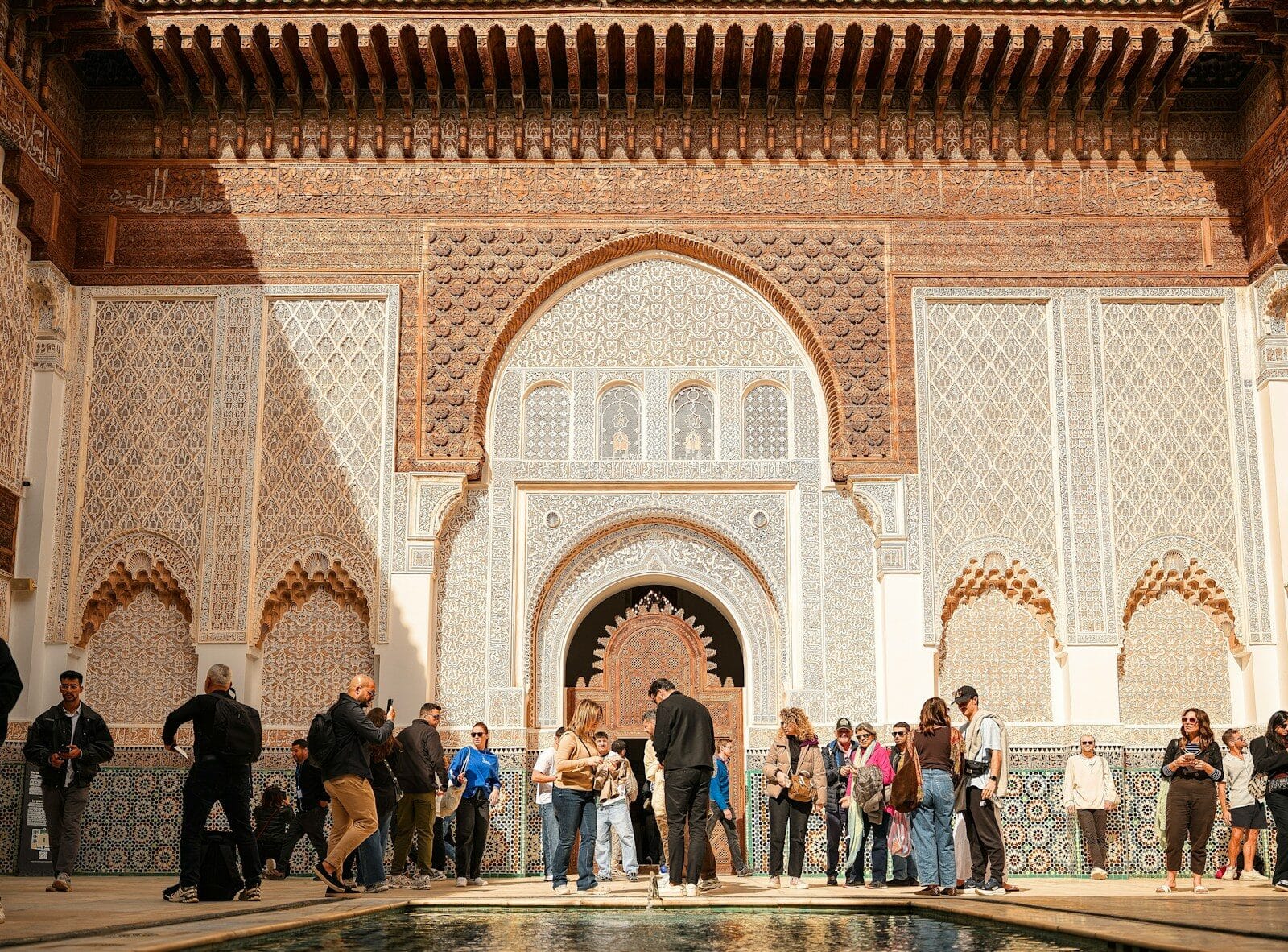
Every woman who has ever typed “Morocco” into a search bar has probably asked the same question within seconds: is Morocco safe for women? Forums fill up with warnings. Comment sections go back and forth. Some travelers call it the trip of a lifetime. Others describe it as exhausting. The truth, as always, sits somewhere more useful than either extreme.
This guide does not sugarcoat things. It also does not scare you away from one of the most visually striking, culturally fascinating countries in the world. What it does is give you a straight answer about what to expect as a woman traveling in Morocco, whether you are planning to go solo, with friends, with your family, or even while pregnant. You will find out exactly what kind of safety challenges women face, how to handle them, and what practical steps make the whole experience far more enjoyable. By the time you finish reading, you will know whether Morocco is the right trip for you, and if it is, how to do it well.
5 Day Solo Female Morocco Escape
Discover Morocco with confidence and ease. Private transfers, safe boutique riads, and thoughtfully designed experiences for solo female travelers who want comfort and peace of mind. Plan Your Solo Trip
10 Day Culture & Desert Adventure for Women
Explore Morocco’s highlights from the Atlas Mountains to the Sahara Desert in a safe and supportive way. Enjoy guided experiences, sunset camel rides, and carefully selected accommodations. Customize Your Journey
11 Day Relaxed Solo Female Retreat
Travel at your own pace through Morocco’s cities and coastal gems. Perfect for solo women seeking relaxation, cultural discovery, and a stress-free experience. Book Your Escape
What “Safe” Actually Means When Traveling Morocco as a Woman
Before getting into specifics, it helps to separate two things that often get tangled together: physical safety and personal comfort. They are not the same.
When it comes to physical safety, Morocco holds up well. The country welcomed over 18 million tourists in 2025 without any major incidents, and violent crime against foreign visitors remains rare. The Global Peace Index 2024 placed Morocco 78th out of 163 countries overall, which puts it ahead of many popular travel destinations. In busy areas like medinas, the main risks are pickpocketing and scams, not physical assault.
Comfort is a different story. Many women traveling in Morocco, particularly those going solo, report feeling watched, followed by persistent vendors, and occasionally subjected to catcalling or unsolicited comments. This can feel jarring, especially if you are arriving from a place where that kind of public attention is less common.
The important distinction: being uncomfortable is not the same as being in danger. Morocco rewards travelers who understand this difference. Knowing what to expect going in is more valuable than any amount of gear or gadgetry.
Is Morocco safe for women? Yes, with preparation. The country is not a bubble of risk, but it is not a walk in any park either.
Is Morocco Safe for Women Traveling Solo?
Solo female travel in Morocco is completely possible, and thousands of women do it every year. That said, it takes a bit more planning than, say, a solo trip through Portugal or Japan.
The most commonly reported experience among women traveling alone in Morocco is persistent male attention, particularly in the medinas of Marrakech and Fez. This usually takes the form of comments, questions, or vendors who do not take “no” for an answer quickly. It rarely escalates beyond that. Women who report feeling genuinely unsafe in Morocco are almost always describing situations that involved late-night solo walks through poorly lit alleys, not the daytime streets.
A few practical notes for solo travelers:
Navigation matters more here than in most places. Morocco’s medinas are famously maze-like, and getting lost means stopping to ask for help, which can attract unwanted attention or someone who “offers” to guide you for a fee. Study maps before you go out. Know the general direction of your riad. Having a working data plan on your phone is not optional ,it is a genuine safety tool.
Your riad or hotel is an underused resource. Most riads are staffed by locals who know the city deeply. They can call you a licensed taxi, recommend safe routes, and tell you which neighborhoods to avoid at night. Use that knowledge.
Confidence changes everything. Women who walk with purpose, avoid prolonged eye contact with street vendors, and respond to unwanted attention with a firm “la, shukran” (no, thank you) in Arabic tend to have far smoother experiences than those who seem uncertain or hesitant.
Is Morocco safe for a single woman traveling alone? Yes, but approach it as an adventure that requires preparation, not one that can be entirely improvised.
Is Morocco Safe for American Women Specifically?
American women sometimes wonder whether their nationality adds any extra layer of concern. The short answer: not really, though there are a few things worth knowing.
Americans are not specifically targeted in Morocco, and the country is genuinely welcoming to international tourists. Language can be a factor, though. While English is increasingly spoken in tourist zones, French is far more commonly useful outside of hotels and tour operators. Learning a handful of basic French or Darija (Moroccan Arabic) phrases, including how to firmly decline attention, makes a real difference.
Is Morocco safe for American women? Yes, on the same terms as it is for any other Western traveler. The experience depends less on your passport and more on your preparation and attitude. American travelers who arrive expecting Morocco to function like a US city often find the cultural gap jarring. Those who arrive with curiosity and flexibility tend to thrive.
One practical note: register your trip with the US State Department’s Smart Traveler Enrollment Program (STEP) before you go. This ensures the Embassy can contact you in case of any regional developments.
Understanding Street Harassment in Morocco
This is the part many guides either skip entirely or bury in vague reassurances. Let us be direct.
Street harassment in Morocco is real and common, especially for women in tourist-heavy areas. It ranges from persistent shopkeepers calling after you to catcalling and occasionally more crude comments. Local Moroccan women deal with this too; it is not exclusively directed at tourists.
The important context: this harassment is almost always verbal. Physical intimidation or assault by strangers is not a common experience reported by female travelers. The discomfort is real, but the danger threshold is much lower than the online discourse might suggest.
Some strategies that consistently help:
Do not engage with comments. Responding, even to correct or scold, often invites more interaction. Keep walking. Put headphones on. Let the words go by.
“La, shukran” is a complete sentence. In Moroccan Arabic, a clear “no, thank you” said without slowing down is usually enough to end an interaction. You do not owe anyone an explanation.
Walk close to other tourists or couples. Several women report that simply positioning themselves near other groups in crowded areas reduced the volume of attention dramatically.
Avoid poorly lit streets after dark. Evenings in the main squares and well-traveled streets are generally fine. Narrow, empty alleys after sunset are not where you want to be walking alone.
Wearing a fake wedding ring is a common tactic and one that many women swear by. Whether it helps depends on the situation, but it is a low-effort option worth considering.
What to Wear in Morocco as a Woman
There is no law in Morocco requiring women, foreign or local, to cover their hair or wear any specific clothing. That said, dressing modestly does two practical things: it shows respect for local culture, and it tends to reduce the amount of unsolicited attention you receive.
In major cities like Marrakech, Casablanca, and Tangier, you will see a wide spectrum of clothing styles. Local women in business suits, tourists in shorts, and everything in between. Outside of tourist zones and in smaller towns, the environment is considerably more conservative, and dressing in a way that stands out can make an already tiring dynamic worse.
The most practical wardrobe formula for is Morocco safe for women travel:
Lightweight, breathable fabrics that cover your shoulders and knees. Linen and cotton work well in the heat. Loose-fitting pants, long skirts, and tops with sleeves are all comfortable and appropriate.
Always carry a scarf. It doubles as a head covering when entering mosques, a layer when air conditioning hits unexpectedly, and a way to blend in a bit more when you want to move through an area without fuss.
Leave revealing clothing for your riad rooftop or beach resort. It is not illegal to wear it in public, but it will attract attention you may not want.
Is Morocco Safe for Women Traveling in Groups?
Traveling with friends, family, or a tour group changes the dynamic considerably. Almost every woman who has done both solo and group travel in Morocco reports that the group experience involves far less unsolicited attention and feels significantly more relaxed.
Joining a small-group tour is one of the best decisions a first-time female visitor to Morocco can make. You get a guide who knows the medinas intimately, transportation that is already sorted, and the comfort of exploring alongside other people. Several operators run women-only tours of Morocco, which some travelers find particularly appealing for the ease and camaraderie they provide.
If you are traveling with male companions, the dynamic shifts further. Many women report that walking with a man, even a friend or travel companion, reduces catcalling almost entirely. This is frustrating on a philosophical level but useful to know on a practical one.
At Morocco Family Vacation, custom private tours are designed to take the logistics off your plate entirely. Whether you are exploring the ancient streets of Fez, crossing into the Sahara, or spending time in the blue-painted alleyways of Chefchaouen, having a trusted local guide changes the entire quality of the experience.
Plan Your Family Adventure: Custom private Morocco tours designed for families, with child-friendly experiences, trusted local guides, and comfortable stays from the medinas to the Sahara.
Is Morocco Safe for Women in Specific Cities?
Morocco is not one place. The experience in a resort town on the Atlantic coast is completely different from navigating the dense, winding streets of Fez’s medina. Here is a quick breakdown of what women report across major destinations.
Marrakech
The most visited city in Morocco and the one with the steepest learning curve for solo female travelers. The Jemaa el-Fna square and the souks are intense, loud, and full of persistent vendors. Daytime navigation is manageable. Evenings in the main tourist areas are generally fine. Staying in the Kasbah neighborhood, which is well-populated even late at night, is a practical choice for solo travelers.
Fez
Fez has a reputation among women travelers for being more challenging than Marrakech. The medina is the largest car-free urban area in the world, which means it is entirely pedestrian but also deeply labyrinthine. Hiring a licensed guide for at least your first day is strongly recommended here.
Chefchaouen
The blue city is widely regarded as one of the more relaxed experiences in Morocco for women. The tourist crowd is substantial, which paradoxically creates a buffer of international presence that makes solo navigation feel less fraught.
Essaouira
This coastal city has a laid-back, artsy atmosphere. The sea breeze, the open layout, and the mix of locals and visitors make it one of the most comfortable cities in Morocco for women traveling independently.
Sahara and Rural Areas
Rural Morocco is often safer in terms of crime than the cities. Communities are close-knit and look out for visitors.
The challenge is logistical: transportation is less reliable, medical facilities are far away, and solo travel in remote desert areas is not advisable without a guide.
Getting Around Morocco Safely as a Woman
Transportation is one area where a little planning makes a big difference.
Taxis
are widely available but come with their own challenges. “Petit taxis” (small urban cabs) are affordable but often try to overcharge tourists. Always insist on the meter (“compteur”) or agree on a fixed price before getting in. In some cities, like Fez, taxis will pick up additional passengers; this is normal, not a sign that something is wrong.
Trains
are a reliable and comfortable option between major cities. Marrakech, Casablanca, Rabat, Fez, and Tangier are all connected. Book first-class tickets in advance through the ONCF website for reserved seating.
Long-distance buses
from operators like Supratours are safe and used regularly by both tourists and locals.
Private drivers
arranged through your riad or a reputable tour operator offer the most comfort and peace of mind, particularly for inter-city travel and day trips into the Atlas Mountains or Sahara.
Avoid hitchhiking
and be cautious about accepting rides from anyone who approaches you proactively rather than through a formal arrangement.
Ready to Start Your Morocco Journey?
Let us help you design a smooth, affordable, and memorable journey crafted by local travel experts who know Morocco best.
Is Morocco Safe for Pregnant Women?
Traveling in Morocco while pregnant is doable, but it requires more specific planning than a standard trip.
The main considerations:
Food and water safety become more critical when you are pregnant. Stick to bottled water, avoid ice cubes and buffets, and choose freshly prepared hot food from restaurants rather than street stalls with uncertain turnover. Tagines are generally safe, as long cooking times reduce risk. Carry oral rehydration salts and a basic first-aid kit.
Medical care is adequate in the major cities. Marrakech and Fez have private clinics and some English-speaking doctors. Outside these cities, particularly in rural areas and Essaouira, facilities are significantly more limited. Ensure your travel insurance covers emergency evacuation.
Physical logistics in the medinas involve uneven cobblestones, crowds, and a lot of walking. In late pregnancy, this can be genuinely exhausting. Coastal towns like Essaouira or smaller resort areas offer a more relaxed pace.
Hammams, the traditional Moroccan steam baths, are generally not recommended during pregnancy. Some higher-end spas, such as Les Bains de Marrakech, offer pregnancy-specific massages as an alternative.
Is Morocco safe for pregnant women? Yes, with careful planning and conservative activity choices. The country’s culture is notably warm toward pregnant women; locals tend to be attentive and accommodating. The risks are manageable if you approach the trip with realistic expectations.
Best Time for Women to Visit Morocco
The best periods for any traveler in Morocco are spring (March through May) and autumn (September through November). Temperatures are comfortable, rain is minimal in most regions, and the country’s landscapes are at their most photogenic.
Summer (June through August) brings extreme heat, particularly in inland cities like Marrakech and Fez, where temperatures can exceed 40°C (104°F). Crowds thin slightly, and prices drop, but the heat makes prolonged outdoor activity uncomfortable.
Winter is mild along the coast and in Marrakech, but the Atlas Mountains can see snow, which affects road access to some areas.
Ramadan is worth planning around carefully. During this month, restaurants operate on reduced hours, and the atmosphere of cities changes significantly. On the upside, the evenings during Ramadan are unusually social, the streets fill up after sunset, and some women find it one of the easier times to walk around at night because of how many people are out.
Where to Stay in Morocco as a Woman
Riads are the most popular accommodation option for a reason. These traditional guesthouses, built around an interior courtyard, offer privacy, local character, and staff who genuinely know the city. Good riads also act as a safety resource: hosts can arrange trusted drivers, give honest advice about which neighborhoods to avoid, and help you get a taxi to the door.
When booking, look specifically for riads with reviews from other female solo travelers. The feedback from that demographic will tell you far more about the actual experience than generic star ratings.
Larger hotels in tourist districts offer a different trade-off: more anonymity, generally higher security, and amenities like gyms and pools, but less local character and fewer personalized recommendations.
Avoid accommodation with no reviews or very few reviews. In Morocco’s hospitality sector, word-of-mouth and documented experience from previous guests are reliable indicators of what you will actually encounter.
Food, Culture, and Local Life
Moroccan cuisine is one of the genuinely wonderful parts of any visit. Tagines slow-cooked with preserved lemons and olives, fluffy couscous on Fridays, bastilla (a savory-sweet pastry with pigeon or chicken), and fresh mint tea poured from a height with a satisfying pour. The food is generally safe if you choose your spots wisely.
Culturally, a few things are worth knowing before you arrive:
Morocco is predominantly Muslim. This shapes everything from opening hours during Ramadan to the expectation around modest dress to the absence of alcohol in many local restaurants (though it is available in licensed venues and international hotels).
Public displays of affection are frowned upon across the board, including for heterosexual couples. This is not a rule that applies only to women; it reflects broader social norms.
Bargaining is expected in souks. Start at around 40-50% of the asking price and negotiate from there. This is a cultural exchange, not a confrontation, and many vendors enjoy the back-and-forth.
Not every friendly approach is a scam. Morocco has a long tradition of hospitality, and some people who strike up conversations are genuinely curious. With experience, the difference between authentic warmth and a sales pitch becomes easier to read.
Need Help with Transportation in Morocco?
Book a reliable private driver for your Morocco family adventure today – personalized routes designed just for you, and get 30% off as a first-time visitor!
Quick Takeaways
Is Morocco safe for women? Here is the short version:
- Violent crime against women tourists is rare. The risk profile is much closer to a major European city than the rhetoric sometimes suggests.
- Street harassment is common and should be expected, particularly in urban medinas. It is uncomfortable, not typically dangerous.
- Preparation changes the experience dramatically. Women who research routes, book reliable accommodations, dress modestly, and have a working data plan have consistently better trips.
- Group travel and guided tours significantly reduce friction. For first-timers, a structured itinerary with a local guide is worth every penny.
- Solo travel is possible but requires more confidence, planning, and assertiveness than solo travel in most Western countries.
- Pregnant travelers can visit but should stick to major cities with medical infrastructure and avoid very remote areas.
- Spring and autumn are the most comfortable seasons for any visitor, including women traveling independently.
Conclusion
So, is Morocco safe for women? The answer is yes, but that single word does not capture the full picture. Morocco is safe in the sense that physical danger from strangers is not a common experience for female tourists. It is challenging in the sense that street harassment, cultural unfamiliarity, and navigation in labyrinthine medinas all require real preparation and mental readiness.
The women who love Morocco deeply, and there are many of them, tend to be those who went in knowing what to expect. They dressed appropriately. They had a riad they trusted. They hired guides in the cities that overwhelmed them. They ignored the catcalls and focused on the tanneries of Fez, the blue walls of Chefchaouen, the silence of the Sahara at night, and the mint tea that seemed to arrive at exactly the right moment everywhere they went.
Morocco rewards the prepared traveler. Whether you are going solo, traveling as part of a family, or planning your first international trip without a companion, the country has something extraordinary to offer.
If you are ready to experience Morocco without the logistics headaches, consider a private guided itinerary built specifically for your group. Morocco Family Vacation designs custom private Morocco tours built around comfort, cultural depth, and genuine local expertise.
Plan Your Family Adventure: Custom private Morocco tours designed for families, with child-friendly experiences, trusted local guides, and comfortable stays from the medinas to the Sahara.
─── Your questions, our answers.
Frequently Asked Questions
Our dedicated team is here to answer your Morocco Travel questions and ensure a smooth, memorable journey through Morocco.
Is Morocco safe for women traveling alone at night?
It depends heavily on where you are and how you move through the space. The main squares and well-populated streets in major cities are generally active into the evening and are reasonably safe. Empty alleys and poorly lit corners of the medina are not places to wander after dark alone. Ask your riad for a taxi when returning from dinner rather than walking back independently, particularly in unfamiliar areas.
Is Morocco safe for American women who do not speak French or Arabic?
Yes, but learning even a few words goes a long way. “La, shukran” (no, thank you) and “merhaba” (hello) are immediately useful. In tourist areas, English is spoken with increasing frequency. Outside of those zones, French is far more practical. A translation app is a genuine travel essential here.
Is Morocco safe for single women who want to meet locals?
Morocco is a hospitable country and many locals are genuinely welcoming. However, single women who engage openly with male strangers may find that friendliness is occasionally misinterpreted. Connecting through structured contexts, cooking classes, guided tours, and organized activities, tends to produce more comfortable and authentic exchanges than spontaneous street encounters.
Is Morocco safe for pregnant women in terms of medical care?
Marrakech and Casablanca have private clinics with reasonably good care and some English-speaking staff. More remote areas, including parts of the Atlas Mountains and the desert, have very limited facilities. Travel in the second trimester is generally considered the most comfortable for pregnant travelers. Always carry comprehensive travel insurance that covers emergency medical evacuation.
How safe is Morocco for women during Ramadan?
Some women find Ramadan one of the more comfortable times to visit. The streets are exceptionally lively after sunset, which creates a sense of energy and community rather than isolation. During the day, some vendors and locals can be tired and less patient. Respecting the fast by not eating or drinking visibly in public is both courteous and practical.

Kate Carter
Family Travel Blogger
Kate Carter is a mom and travel blogger who fell in love with Morocco’s culture and warmth. Through Morocco Family Vacation, she shares tips and stories to help travelers enjoy authentic, stress-free experiences. Join us along the way.
Table of Contents
Our Services
-
Private Family Tours
-
Custom Itineraries
-
Sahara Desert Tours
-
Chefchaouen & Northern Morocco Tours
-
Luxury Desert Camping
-
Multi-Day Tours (2–16 Days)
-
Atlas Mountains Trips
-
Cooking Classes & Market Visits
-
Photography & Heritage Tours
-
Airport Transfers & Private Transport
-
Custom Birdwatching Tour in Morocco
-
24/7 Tour Support & booking Flexibility
At Morocco Family Vacation, we create custom Morocco tour packages designed around your interests and travel style. As a dedicated and independent travel agency, we specialize in private Morocco tours offering memorable desert adventures, cultural experiences, and family friendly itineraries while delivering attentive, personalized service from start to finish.
Popular Tours
Latest Posts
#Morocco in February
#Morocco weather in February
#February temperatures in Morocco
#Weather in Morocco in February
#Morocco travel guide February