
Weather in Morocco in January
Weather in Morocco in January: A Family Travel Guide
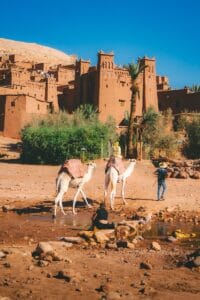
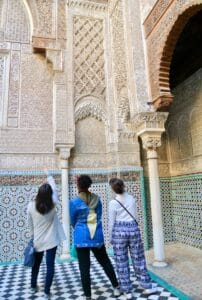
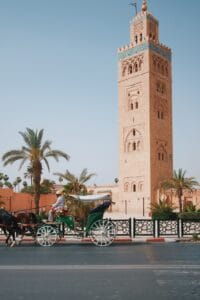
If you are eyeing a winter getaway and the kids are tired of grey skies at home, Morocco has a real case to make. The weather in Morocco in January swings dramatically from one region to the next, and that variety is honestly half the appeal for families. You can wake up to frost on a Fes rooftop, sip mint tea in the sunshine on a Marrakech terrace by midday, and watch your teenagers throw snowballs in the High Atlas the next afternoon. Or skip the chill entirely and head south, where Agadir feels like a soft European spring.
This guide breaks down everything parents actually want to know about Morocco weather in January. We cover what each major city feels like day to day, how to dress kids of every age, which festivals are worth planning around, where to sleep when nights get cold, and the realities of travel with toddlers, school-age children, and teens during Morocco’s coolest month. By the end, you will know whether January suits your family, or whether you would be better off waiting for spring.
Popular Morocco Tours in January
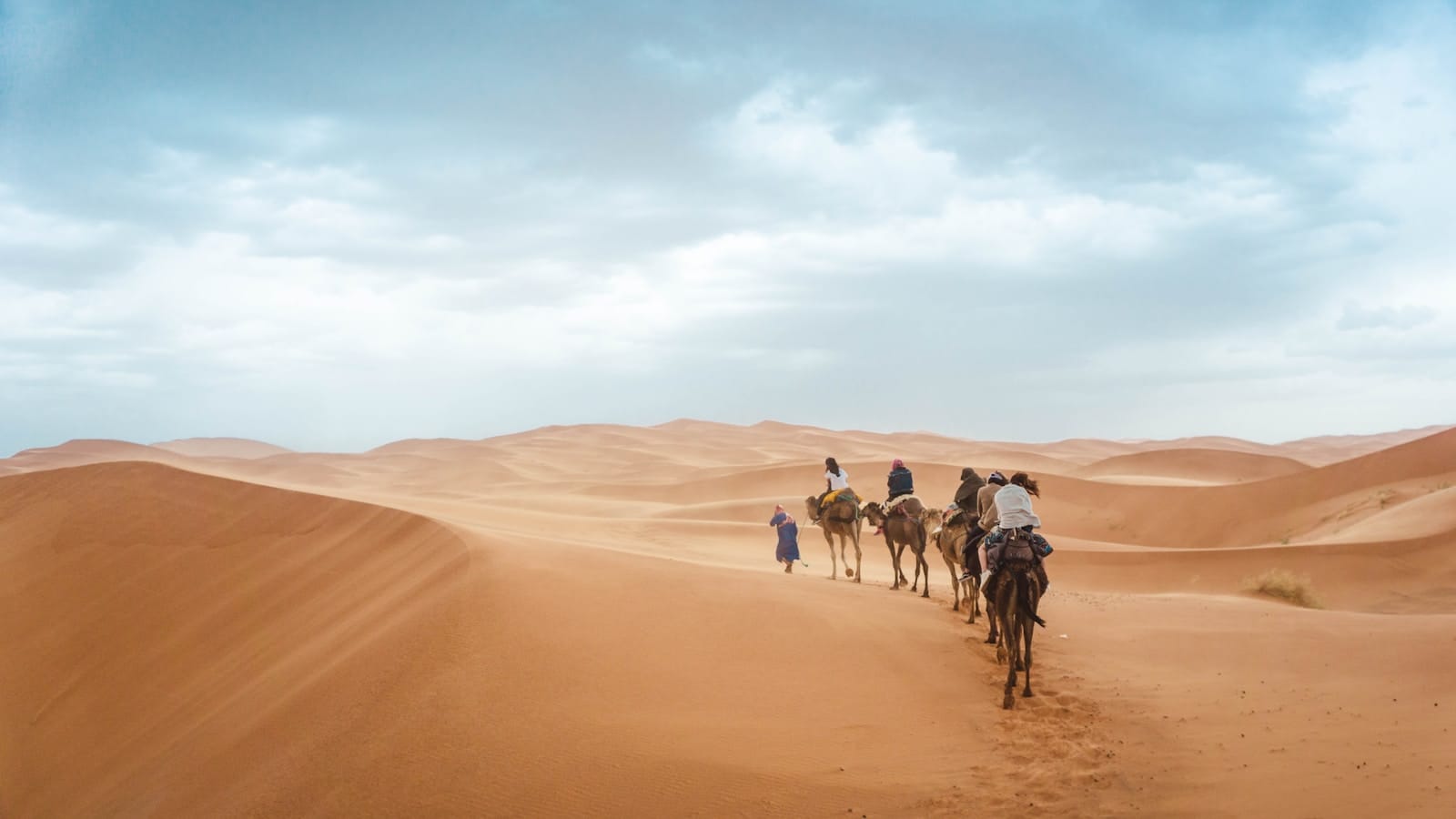
5-Day Sahara Desert Tour – Travel through the Atlas Mountains, explore kasbahs, enjoy a camel trek in Merzouga, and spend a night in a desert camp under the stars.
Day Trip from Marrakech to Essaouira – Discover the coastal charm of Essaouira, its UNESCO-listed medina, Atlantic views, and fresh seafood.
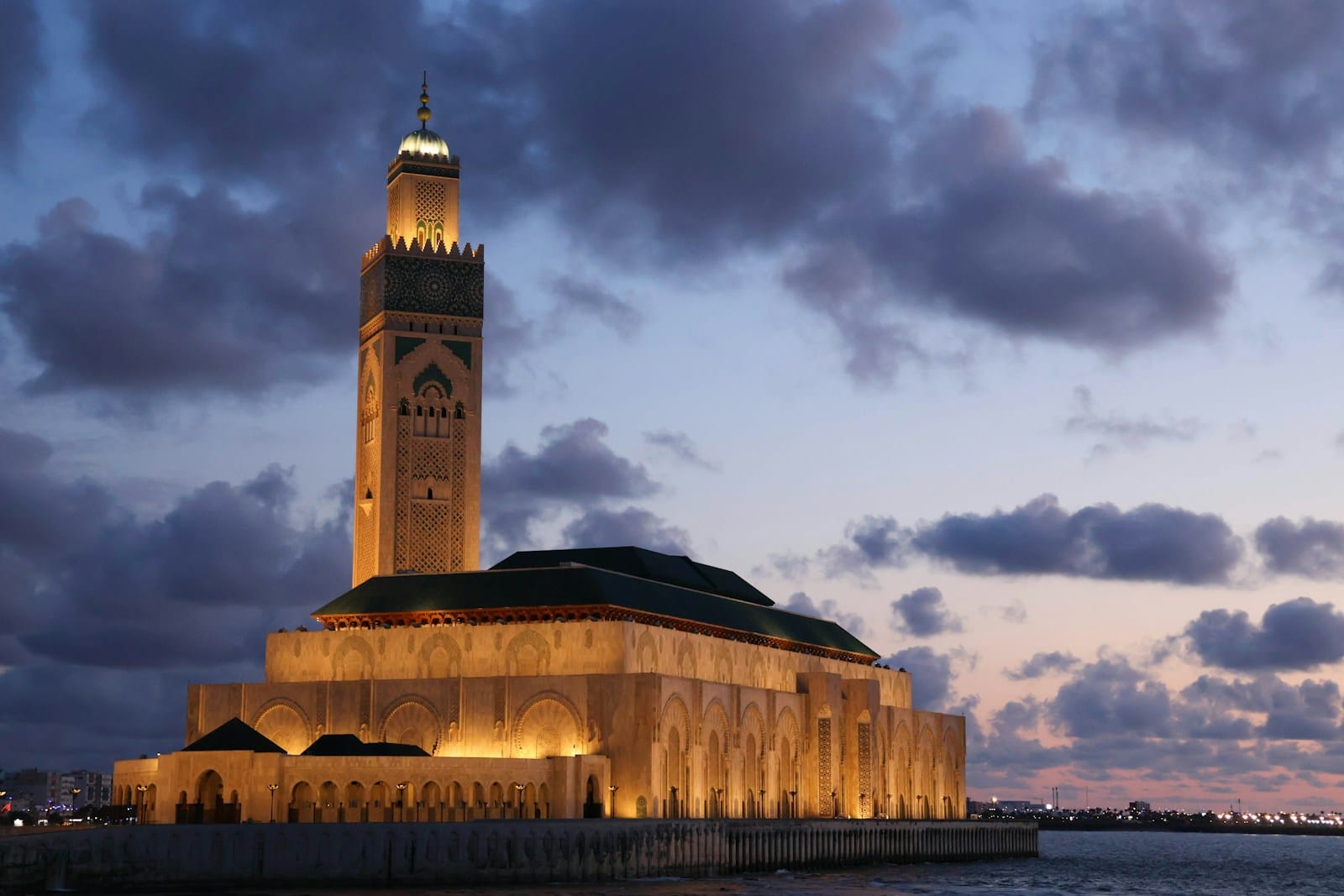
10-Day Morocco Tour from Casablanca – A complete journey covering Casablanca, Rabat, Fes, the Sahara Desert, the Atlas Mountains, and Marrakech.
Quick Takeaways
- Daytime temperatures stay manageable: Most popular cities sit between 16°C and 21°C (61°F to 70°F) during the day, comfortable for sightseeing in a light jacket.
- Nights get cold fast: Once the sun sets, expect drops to 5°C to 10°C (41°F to 50°F) inland, colder in the desert and the mountains.
- The south stays warmest: Agadir, Dakhla, and Laayoune are the warmest spots in Morocco in January, with daytime highs around 20°C to 23°C (68°F to 73°F).
- Rain is real but rarely a deal-breaker: Coastal cities see the most precipitation, roughly six to eleven rainy days across the month.
- The Atlas Mountains get serious snow: If skiing or snow play is on your list, Oukaïmeden is a 90-minute drive from Marrakech.
- It is low season for crowds and prices: Riads, tours, and flights are noticeably cheaper than in spring or autumn.
- Pack layers, not heavy coats: Mornings need fleece, afternoons need T-shirts, evenings need wool. One bag, three temperatures.
Live Weather in Morocco in January: Real-Time Forecast, Climate Guide & Family Travel Tips
Weather in Morocco in January — Live Forecast
Real-time conditions and 7-day forecast for 6 major cities, January climate averages for 10 destinations, winter packing tips, and family tours for Morocco's quietest, cheapest, and most atmospheric month of the year.
Live forecast from Open-Meteo · Refreshed when widget opens
January Temperature Ranges
What to Pack for Morocco in January
January is Morocco's coldest month. A proper insulated jacket is non-negotiable, especially for riads without central heating.
Essential for Sahara camp nights (4°C), Atlas excursions, and cold city mornings. Pack all three even for a southern itinerary.
Thin thermals worn under normal clothes make a huge difference in the desert at night and in unheated riads.
Essential for the north and Atlantic coast. January is the wettest month in Tangier, Chefchaouen, and Casablanca.
Medina cobblestones get very slippery after winter rain. Grippy waterproof shoes are far more practical than trainers.
Wool socks and an extra fleece layer for the evenings. Temperatures drop fast after sunset everywhere in January.
Family Morocco Tours for January Travelers
Custom private itineraries with trusted local guides, comfortable family-friendly stays with heating, and pacing that suits January's quiet, low-season charm. Pick your length and we shape the rest.
10 Day Morocco Tour from Casablanca
The compact family classic. Casablanca, Fes, Sahara, and Marrakech with breathing room for kids.
- Imperial cities + Sahara desert night
- Private driver, flexible pace
- Family-tested riads with heating
11-Day Family-Friendly Tour from Casablanca
One extra day for slow mornings, hammam stops, and a deeper Sahara stay with the kids.
- Adds an Atlas mountain day
- Two nights in the Sahara region
- Cooking class option
12-Day Morocco Family Vacation
Imperial cities, the blue town of Chefchaouen, Sahara dunes, and Atlas valleys at a humane pace.
- Includes Chefchaouen
- Mid-trip rest day built in
- Private 4×4 for desert legs
14-Day Family Morocco Tour from Casablanca
The full Morocco picture without the rush. Coast, imperial cities, Atlas, Sahara, and a final unwind.
- Atlantic coast included
- Two desert nights, two Atlas nights
- Fully customizable to your dates
Climate averages reflect long-term January means for each location. Live forecast: Open-Meteo. © Morocco Family Vacation.
Is January a good month to visit Morocco?
Yes, January is a genuinely good month to visit Morocco, especially for families who want fewer crowds, lower prices, and comfortable daytime sightseeing weather without the heat of summer. Most of the country sees mild, sunny afternoons in the 16°C to 21°C range, which is ideal for walking through medinas, exploring kasbahs, and spending hours outdoors without sunburn or exhaustion.
The reason the weather in Morocco in January works so well for families is timing. School holidays in much of the Western world wrap up in early January, so the first two weeks bring a small spike, then a long, calm window opens until early February. Flights drop in price. Riads run quiet promotions. Local guides have more time to tailor each day to your kids, rather than rushing through a packed scripted tour.
However, January is not perfect for everyone. If your idea of a Morocco trip is beach swimming or hiking in shorts through the High Atlas, this is the wrong month. The Atlantic sea sits around 16°C to 17°C, far too cold for most kids, and the mountains get snowfall that can block higher passes. Toddlers can also struggle with the morning chill in old, unheated riads, so accommodation choice matters more in winter than at any other time of year.
Here is what to keep in mind:
- Book riads with confirmed central heating, not just a portable space heater in the corner.
- Build in a southern stop like Agadir or the Sahara if you want a warmer mid-trip stretch.
- Plan museum or hammam afternoons for the occasional rainy day.
- Skip mountain camping unless your kids are teens used to real cold.
- Reserve festival dates early, since Yennayer and the Marrakech Marathon fill local hotels quickly.
Morocco Family Vacation builds January itineraries around exactly these realities, balancing warmer southern legs with snug riad stays so no one in your family ends up shivering at 3am.
What the Weather in Morocco in January Actually Feels Like
The weather in Morocco in January is a study in contrasts, often within the same day. A morning in Marrakech might start at 6°C with frost on the orange trees, climb to a comfortable 19°C by lunch, then slide back to single digits as soon as the evening call to prayer rings out. Locals describe it as “two seasons in twelve hours,” and you feel it most in inland cities and in the desert.
Mornings, afternoons, and evenings
Mornings are the coldest part of the day across the country. In Marrakech, Fes, and Meknes, you will want a proper jacket, not just a hoodie, until about ten in the morning. Afternoons warm up quickly when the sun is out, and the high desert around Merzouga and Ouarzazate can feel almost warm under direct sun, even when the air temperature reads 15°C. Evenings cool fast. By 6pm in winter, you will be glad you packed gloves for the kids.
Rainfall and humidity
Rainfall is the second variable for January weather in Morocco. The northern coast, including Tangier, Tetouan, and Chefchaouen, gets the most: sometimes 95mm to 106mm of rain across nine to eleven days. Marrakech sees roughly 30mm to 32mm spread over six days. The Sahara and southern coastal cities like Dakhla see almost none at all. Humidity is higher along the coast and in the Rif mountains, which makes the chill feel sharper. Inland and desert air is dry, so even at the same temperature, it feels noticeably more comfortable.
Weather in Morocco in January by Region: A City-by-City Breakdown
Morocco is roughly the size of California and Texas combined, so a single average temperature is borderline useless. Here is what each major destination really looks like during the weather in Morocco in January.
Marrakech in January
Marrakech is the easiest sell. Daytime highs sit around 18°C to 21°C (64°F to 70°F), nights drop to 5°C to 8°C (41°F to 46°F), and the city sees about 30mm of rain across six rainy days. Sunshine averages seven hours per day. The Jemaa el-Fnaa square is calmer than in peak season, the Majorelle Garden is quiet enough that you can actually take family photos, and the Atlas Mountains in the distance often wear a fresh dusting of snow on the higher peaks.
Casablanca and Rabat in January
The Atlantic coast cities run cooler and damper. Casablanca Morocco weather in January means daytime highs around 17°C to 18°C (63°F to 64°F), lows near 8°C (46°F), and about 60mm of rain across seven to nine wet days. Frequent morning fog usually burns off by lunch. Rabat is almost identical, perhaps a touch milder. Coastal walks are pleasant in the afternoon, but bring windbreakers; the Atlantic breeze is no joke in winter.
Fes in January
Fes is the chilliest of the imperial cities. Daytime highs sit around 16°C to 18°C (61°F to 64°F), nights fall to 5°C or lower, and the medina’s stone alleys hold the cold like a refrigerator until midday. Layers are non-negotiable. The upside: Fes in winter is the most photogenic it ever gets, with woodsmoke rising from tannery rooftops and quiet, empty corners of the old city.
Tangier in January
Tangier feels Mediterranean. Daytime temperatures land around 15°C to 17°C, but the wind off the Strait of Gibraltar can make it feel five degrees colder. Rain is frequent here, often arriving in short bursts of an hour or two before the sun returns.
Agadir and the Southern Coast
Here is where the weather in Morocco in January rewards you. Agadir sits around 20°C during the day with six to eight hours of sunshine and very little rain. Kids can play on the beach in fleeces by morning and T-shirts by afternoon, and the long flat seafront promenade is one of the most relaxed family environments in the country.
Merzouga and the Sahara
The desert is the dramatic one. Daytime temperatures around the Erg Chebbi dunes hit 18°C to 22°C under direct sun, but after dark, the thermometer can drop to 0°C or even slightly below. Camps run wood-burning stoves and thick wool blankets, but you will want to bring proper gear of your own.
Atlas Mountains
The High Atlas gets serious snow. Ifrane in the Middle Atlas regularly drops below freezing, and Oukaïmeden becomes Morocco’s main ski destination. The Tizi n’Tichka pass occasionally closes during heavy snowfall, so itinerary flexibility helps a lot if you are crossing it.
Ready to Start Your Morocco Journey?
Book your trip today with our expert planners, enjoy personalized itineraries tailored to your flights and travel needs, and claim 30% off as a first-time visitor!
Which Part of Morocco Is Warmest in January?
The warmest part of Morocco in January is the south, specifically the Atlantic coast below Agadir. Dakhla, Laayoune, and Tan-Tan record the highest daytime temperatures in the country, often between 21°C and 23°C (70°F to 73°F), with mild nights around 12°C to 14°C. The mix of latitude, dry Saharan air, and the moderating ocean keeps these areas pleasant when the rest of the country is wearing fleece.
For families, Agadir is the most practical warm-weather base. It has direct international flights, a wide flat beach with calm waves in winter, family-friendly hotels with pools (a few are heated), and a long boardwalk that is genuinely stroller-friendly. Daytime highs around 20°C mean kids can be outside in T-shirts by 11am, which makes a real difference for trip morale.
If your family is up for a longer drive or a domestic flight, Dakhla is the warmest of all, but it is more of a kitesurfing and adventure destination than a classic family stop. Laayoune offers warmth without much tourist infrastructure.
Inland, the warmest reliable city is Marrakech. While it cools sharply at night, daytime temperatures usually run a few degrees above what you find in Fes, Casablanca, or Rabat. That, combined with the variety of indoor options (museums, courtyard restaurants, hammams, cooking schools), makes Marrakech the most family-resilient choice if a forecast turns iffy.
The Sahara surprises a lot of parents. Daytime sun in Merzouga or M’Hamid can feel genuinely warm in winter, but the freezing nights cancel out the warmth in the overall experience. If pure warmth is your priority, stay closer to the southern coast.
What to Pack for Morocco in January with Kids
Packing for January weather in Morocco is about thin layers, not bulk. The biggest mistake families make is overpacking heavy coats that get worn for three hours a day. Aim for stackable layers that work from chilly morning through warm afternoon and back to cold night.
For toddlers and babies
Bring a fleece bunting or one-piece for early mornings and the desert. Wool socks for sleep in unheated riads. A soft brimmed hat for daytime sun, plus a warm beanie for the evening. Skip the puffy snowsuit unless you are heading specifically to Oukaïmeden; it is useless in Marrakech and a hassle to carry through airports.
For older kids and teens
Two thin fleeces, a windproof shell, jeans or warmer trousers, two warm sleep layers, gloves, a beanie, and a scarf. Add waterproof shoes if you are visiting Casablanca, Tangier, or the Rif. A swim layer is worth packing if your hotel pool is heated, which is more common than you might expect.
For parents
The layer logic still applies. Add one slightly smarter outfit for evenings at riads or cultural restaurants. Sunglasses and SPF 30 remain essential, even in winter; Saharan light is strong, and reflective snow doubles the effect in the mountains.
Don't forget
A lightweight day pack, a reusable water bottle (most riads have purified refills), and a power adapter (Morocco uses Type C and E European plugs). For little kids, pack a small fleece blanket. It doubles as plane bedding and as emergency warmth on long transfers through cold mountain passes.
Best Things to Do During Morocco in January Weather
The weather in Morocco in January suits exactly the kind of slow, varied travel that works for families. Long medina mornings, half-day desert outings, museum hours, hot meals in sunny courtyards. Here is what tends to land best with kids.
Souks, palaces, and gardens
January is the easiest time of year to walk through Marrakech’s souks without sensory overload. Cooler air means everyone has more patience for browsing. The Bahia Palace courtyards catch the winter sun beautifully, the Yves Saint Laurent Museum gives older kids a calm indoor break, and the Anima and Majorelle gardens are at their photo-friendly best.
Desert nights under the stars
A two-night Sahara trip works in January if your camp has proper heating. The clear winter skies show the Milky Way more vividly than at any other time of year, and the dunes glow at sunset in a way you will be glad you photographed. Many camps still host New Year’s Eve gatherings around bonfires, a quiet local tradition for those staying past December 31.
Skiing or sledding in the Atlas
Oukaïmeden is the only proper ski resort in Morocco, about a 90-minute drive from Marrakech. The runs are basic by European standards, but for first-time skiers, sledders, or families who just want a snow day, it is a thrilling change of scenery. Equipment rental is cheap. English-language lessons are limited, so book ahead.
Cooking classes and hammams
When rain settles in, swap the outdoors for a cooking class. Tagine and bread-making sessions run year-round in Marrakech and Fes, and kids of seven or older usually love them. A family-friendly hammam (most riads can arrange one) is the warmest possible end to a damp January day.
Festivals and Events in Morocco in January
January is not the festival-heavy month that June or July is, but it has its own calendar that locals genuinely care about, which often makes it more memorable than the bigger events that fill with tour buses.
Yennayer (Amazigh New Year)
Celebrated on January 12 or 13 depending on the region, Yennayer marks the Berber agricultural new year. Families gather for a feast of tagoula (a slow-cooked porridge), share gifts of dried fruit, and light fires. In the Atlas villages, the Souss valley, and the Rif, you can sometimes join community celebrations if you are staying with a local guesthouse. Yennayer was officially recognized as a public holiday in 2024, so expect closures in some smaller towns.
Marrakech International Marathon
The Marrakech Marathon usually runs in late January, around the 25th. The course loops past the city walls, the Menara gardens, and the palm grove. For families, the marathon weekend is fun even if you are not running. A junior race for kids is part of the program, and food stalls line the route. Just book your hotel early; this is one of the biggest local tourism weekends of the winter.
Manifesto of Independence Day (January 11)
A national holiday commemorating the 1944 manifesto that pushed Morocco toward independence from France. Flag displays, school parades, and ceremonies happen mostly in Rabat. Attractions usually stay open, but government offices close.
New Year's Eve in the Sahara
If your trip overlaps the holidays, a New Year’s Eve in a Sahara camp is one of the most popular family traditions for international travelers. Camps near Erg Chebbi host bonfires, traditional musicians, and feasts under a thick blanket of stars. Book six months ahead if you want a quality camp with private bathrooms and proper insulated tents.
Where to Stay in Morocco in January for Families
Accommodation choice matters more in January than in any other month. Old buildings without heating turn cold fast, and a beautiful riad photo can hide the fact that the rooms are 12°C at 7am.
Riads with heating in Marrakech
Look specifically for the words “central heating” or “underfloor heating” in the listing, not “electric heater available.” Riads inside the medina that have been recently renovated almost always include real heating. Bonus points for places with a small heated plunge pool or an onsite hammam. Family suites with two adjoining rooms are common, and breakfast on a sunny terrace is one of January’s best perks.
Desert camps with proper bedding
Avoid the cheapest desert camps in January. The difference between an entry-level camp and a mid-range one is the difference between shivering kids and a great memory. Look for camps that mention insulated tents, real beds (not floor mattresses), and wood-burning stoves. Erg Chebbi luxury camps are well known for winter comfort.
Beach-adjacent resorts in Agadir
Agadir is the easiest base for cold-weather-averse families. Several large resorts on the seafront have heated pools, kids’ clubs, and indoor play areas for the rare rainy day. The town is also a good launching point for day trips to Paradise Valley and the Souss-Massa National Park, both of which are warmer and drier than the mountains or the northern coast.
Mountain lodges and ksars
For a balanced January itinerary, a single night in a heated mountain lodge near Imlil or Ouirgane is worth the detour. A traditional ksar conversion in the Draa or Skoura palmery offers thick clay walls that hold daytime heat well into the evening, which is a quiet design genius for winter travel.
Practical Travel Tips for the Weather in Morocco in January
A few logistical notes can make or break a January trip, especially with kids.
Getting there and getting around
Direct flights from major European cities to Marrakech, Casablanca, and Agadir are at their cheapest in mid-to-late January. The new high-speed Al Boraq train links Tangier, Rabat, and Casablanca in real comfort, and is a fantastic family option to avoid winter road drives. For southern legs, internal flights from Casablanca to Agadir or Dakhla are inexpensive and save a full day of travel.
Crowds, prices, and booking timing
The first two weeks of January are quieter than the last two. New Year’s Eve and the Marrakech Marathon are the only real crowd spikes. Riads commonly run 20% to 30% off compared to October or April rates. Tours and guides are easier to book on short notice, but the best private family guides still fill up, so two months out is the safe window.
Photography conditions
January light in Morocco is famously good for photography. The sun sits lower in the sky, which creates long golden-hour windows and softer midday shadows. The Atlas peaks dusted with snow above warm desert plains, the Chefchaouen blue walls under low winter sun, the dunes at sunrise: all of it photographs better in January than in summer. If you have one camera moment planned for the trip, make it the dunes at dawn.
Hiking and outdoor safety
Lower-altitude hiking in January is excellent: Ourika Valley, the Setti Fatma waterfalls, the Ouzoud Falls area, and Paradise Valley near Agadir all stay accessible. Higher-altitude trekking (Toubkal, M’Goun) requires real winter gear and a certified guide. Do not improvise mountain hikes with young kids in winter.
Health and small kids
The dry interior air can dry out little noses fast. Saline spray and a small humidifier (or just a wet towel near the radiator) help toddlers sleep better. Tap water is fine for brushing teeth in major cities, but stick to bottled or filtered water for drinking, especially for under-fives.
Need Help with Transportation in Morocco?
Book a reliable private driver for your Morocco family adventure today – personalized routes designed just for you, and get 30% off as a first-time visitor!
Morocco in January with Kids: A Day-to-Day Reality Check
Here is what a typical day looks like for a family in Marrakech in mid-January, because abstract advice only goes so far.
You wake up around 8am. The riad room is cool, but breakfast is on the terrace in the sun, with fresh bread, amlou (almond and argan butter), and mint tea. By 10am, you have shed your jacket. A guide collects you for the medina or the Majorelle Garden. The kids are alert because the air is crisp, not hot. Lunch at a courtyard restaurant runs long because you are in no rush; the food is hot, the seating is sunny.
Afternoons depend on age. Teenagers can keep going deep into the souks. Younger kids do better with a quiet riad-pool break (heated) or a pre-arranged cooking session. By 4:30pm, the light is gone fast, and you are back in your room layering up for dinner. Evenings out require fleeces and beanies for the kids; restaurants often have outdoor terraces with heaters, which kids find a bit magical.
The single biggest difference between January and shoulder-season travel is pacing. You start later, you stop earlier, you spend more time inside warm courtyards. That actually suits most families with young kids better than the rushed sightseeing rhythm of spring or autumn.
January with teenagers in the Sahara is genuinely memorable. The cold nights are part of the story, not a problem: campfires, hot tagines, stargazing, and a 4am wake-up for a sunrise camel ride. Pack right and your teens will talk about it longer than any beach trip.
If you have a baby or toddler, lean coastal (Agadir) or stick to one heated city base (Marrakech) plus one short desert overnight in a quality camp, rather than trying to cover the whole country.
Final Thoughts: Is the Weather in Morocco in January Right for Your Family?
The weather in Morocco in January is mild where it counts, cold where you expect it, and gloriously sunny in the middle of most days. For families who want a winter break that is warmer than Europe, less crowded than spring, cheaper than summer, and still full of things to do, January is one of the best months on the Moroccan calendar. You will not be swimming in the Atlantic, but you will be eating tagine on a sunny rooftop, watching your kids see snow and desert in the same week, and sleeping under stars that feel impossibly close.
The trick is matching the right itinerary to the right ages. A toddler-led trip looks nothing like a teenager-led trip in January. A coastal-only plan feels nothing like a Marrakech-plus-Sahara plan. That is where local planning pays off.
Private Family Tours in Morocco. Kids, Teens, and Toddler-Friendly. Morocco Family Vacation builds custom private tours designed for families traveling with toddlers, kids, and teens. We balance warmer southern legs with cozy riad stays, match desert nights to your kids’ real cold tolerance, and use trusted local guides who know how to keep small travelers happy when temperatures swing. From the medinas of Fes to the dunes of Merzouga, we handpick comfortable accommodations and pace each day around your family’s rhythm. Reach out, and we will plan your perfect January family trip in Morocco around the actual weather, not a guidebook average.
─── Your questions, our answers.
Frequently Asked Questions
Our dedicated team is here to answer your Morocco Travel questions and ensure a smooth, memorable journey through Morocco.
Is Marrakech hot in January?
Marrakech is not hot in January, but it is comfortably warm during the day. Highs sit around 18°C to 21°C (64°F to 70°F), with bright sunshine and low humidity. Nights are cold, dropping to 5°C to 8°C, so layered clothing is essential. Compared to inland cities like Fes, Marrakech feels noticeably milder during the weather in Morocco in January, which is why so many families pick it as their winter base.
Which part of Morocco is warmest in January?
The southern Atlantic coast is the warmest part of Morocco in January. Cities like Agadir, Laayoune, and Dakhla see daytime temperatures of 20°C to 23°C with very little rain. For families, Agadir is the most practical warm base in January thanks to direct international flights, family-friendly resorts, and a long flat beach promenade that is easy with strollers.
What is the best month to travel in Morocco?
April, May, September, and October are generally considered the best months for Morocco travel because of mild temperatures, low rainfall, and long daylight hours. That said, January has its own strong case for budget-minded families who want fewer crowds and lower prices, even though the weather in Morocco in January is cooler than the spring shoulder season.
Does it snow in Morocco in January?
Yes, Morocco gets significant snowfall in January, but only in specific areas. The High Atlas, Middle Atlas, and parts of the Rif all see regular snow, with the best ski conditions at Oukaïmeden near Marrakech and around Ifrane in the Middle Atlas. Snow is rare to nonexistent in Marrakech city, Agadir, Casablanca, the Sahara, and most coastal areas.
What should we pack for the weather in Morocco in January with kids?
Pack thin, stackable layers rather than heavy coats. Each family member needs a base layer, a fleece, a windproof shell, warm sleepwear, a beanie, gloves, and waterproof shoes if you are heading north. Toddlers benefit from a fleece bunting and wool socks for unheated riads. Do not overpack; most riads have laundry services, and you will wear the same three layers on rotation anyway.

Kate Carter
Family Travel Blogger
Kate Carter is a mom and travel blogger who fell in love with Morocco’s culture and warmth. Through Morocco Family Vacation, she shares tips and stories to help travelers enjoy authentic, stress-free experiences. Join us along the way.
Table of Contents
Our Services
-
Private Family Tours
-
Custom Itineraries
-
Sahara Desert Tours
-
Chefchaouen & Northern Morocco Tours
-
Luxury Desert Camping
-
Multi-Day Tours (2–16 Days)
-
Atlas Mountains Trips
-
Cooking Classes & Market Visits
-
Photography & Heritage Tours
-
Airport Transfers & Private Transport
-
Custom Birdwatching Tour in Morocco
-
24/7 Tour Support & booking Flexibility
At Morocco Family Vacation, we create custom Morocco tour packages designed around your interests and travel style. As a dedicated and independent travel agency, we specialize in private Morocco tours offering memorable desert adventures, cultural experiences, and family friendly itineraries while delivering attentive, personalized service from start to finish.
Popular Tours
Latest Posts
get in touch
#Morocco family friendly tours
#Morocco family holiday
#Morocco with kids
#Morocco travel tips for families
#Morocco Family Vacation