
Moroccan Musical Instruments
Moroccan Musical Instruments: A Traveler’s Guide to Traditional Sounds
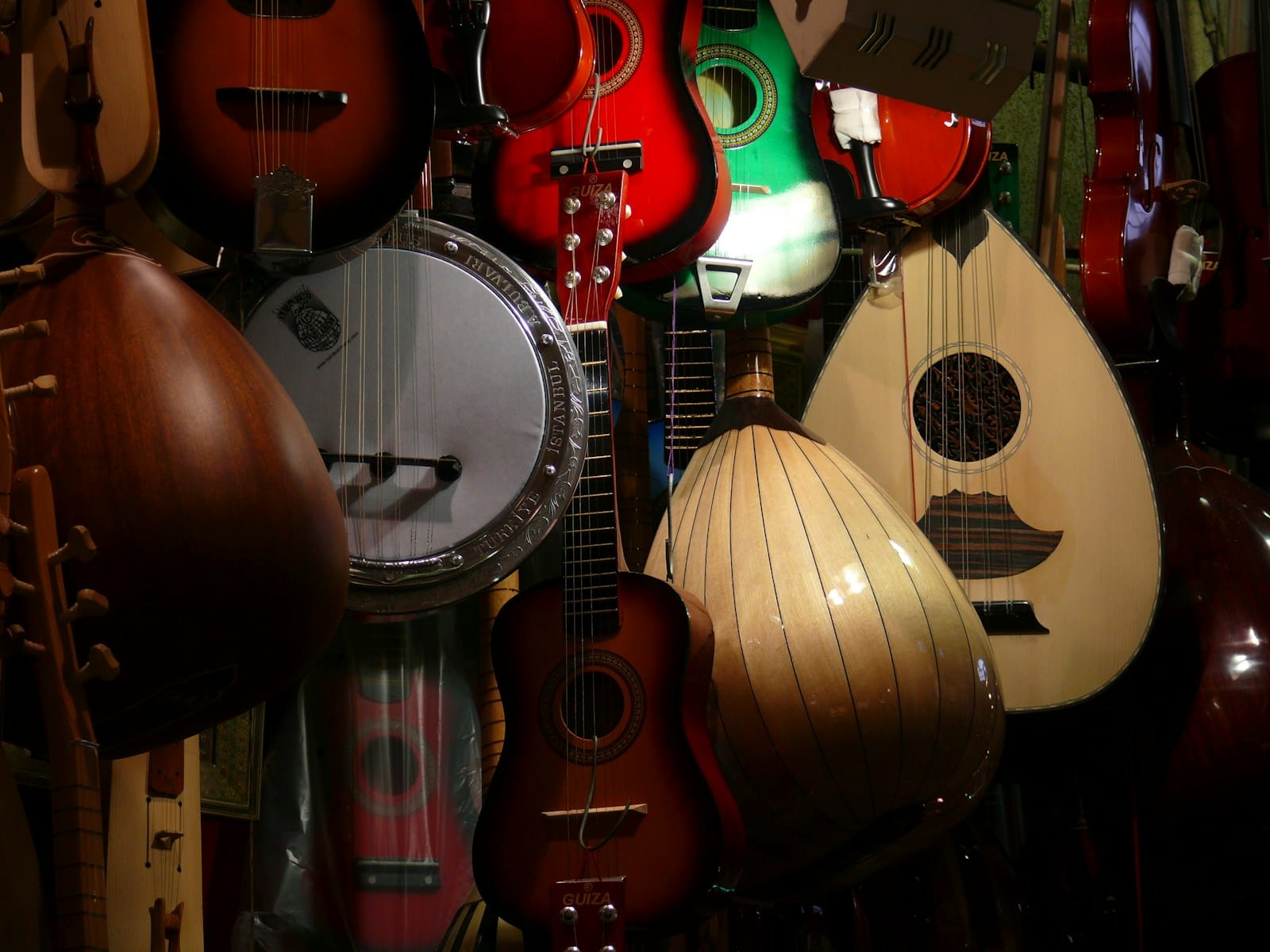
Moroccan musical instruments are not merely tools of performance; they are vessels of memory, identity, and spiritual expression. Across Morocco’s cities, deserts, mountains, and coastal towns, music shapes communal life from sacred ceremonies to weddings, harvest festivals, and nightly gatherings in historic medinas. The sounds of drums, lutes, flutes, and iron castanets create an atmosphere that many travelers describe as immersive and unforgettable.
Understanding moroccan musical instruments allows visitors to experience Morocco beyond its architecture and cuisine. The rhythms of the Gnawa music, the refined melodies of Andalusian classical music, and the energetic pulse of Chaabi are all shaped by distinctive traditional instruments. Each carries influences from Amazigh (Berber), Arab, Andalusian, and Sub-Saharan African traditions reflecting Morocco’s historical role as a cultural crossroads.
This guide explores the history, craftsmanship, and living traditions behind Moroccan musical instruments. You will discover how they are classified, how they are played, where to hear them during your travels, and how to responsibly purchase authentic pieces. Whether you are a music enthusiast or a cultural traveler planning a visit, this comprehensive overview provides valuable insight into Morocco’s vibrant sonic heritage.
What Makes Moroccan Musical Instruments Unique?
Moroccan musical instruments stand apart because of their hybrid cultural origins and enduring ceremonial roles. Unlike purely orchestral traditions, Moroccan instruments often function within communal and spiritual frameworks.
A Fusion of Cultural Influences
Morocco’s geographic position bridging Africa, Europe, and the Middle East has shaped its instrument design. Stringed instruments such as the oud trace lineage to Arab-Andalusian courts, while percussive instruments like iron castanets reflect Sub-Saharan African ritual practices. Amazigh pastoral communities contributed flutes and frame drums adapted to mountain life.
This blending created a soundscape distinct from neighboring countries. The tonal structures used in Moroccan traditions rely on modal systems (maqamat) and rhythmic cycles unique to the region.
Instruments in Ritual and Celebration
Many Moroccan musical instruments serve spiritual functions. In Gnawa music ceremonies, the guembri and iron castanets guide trance rituals rooted in centuries-old healing practices. At weddings, percussion drives dancing late into the night. During moussem festivals, wind instruments signal public celebration.
For travelers, witnessing these performances offers insight into Morocco’s intangible cultural heritage a living tradition rather than a museum artifact.
What is the traditional instrument of Morocco?
One of Morocco’s most traditional instruments is the oud, a short-necked, pear-shaped lute widely used in Andalusian and classical Moroccan music. Another iconic instrument is the bendir, a large frame drum that provides rhythm in folk and spiritual performances. In traditional ceremonies, instruments like the guembri and metal castanets also play key roles. These instruments reflect Morocco’s diverse cultural influences, including Arab, Berber, and African traditions. Together, they create the rich sounds heard in festivals, weddings, and religious gatherings across cities such as Marrakech and Fes.
String Instruments (Chordophones)
String instruments form the melodic backbone of many Moroccan ensembles.
Guembri (Sintir)
The guembri is central to Gnawa performance. This three-string bass lute produces deep, resonant tones that anchor trance ceremonies. Traditionally carved from a hollowed log and covered with camel skin, it symbolizes both rhythm and melody.
In cities such as Essaouira, the guembri can be heard during the Gnawa World Music Festival, where master musicians blend traditional sounds with jazz and global genres.
Oud
Often called the “king of Arabic instruments,” the oud is a pear-shaped lute with a short neck and no frets. It plays a prominent role in Andalusian classical music. Its warm tonal range allows intricate melodic improvisation.
Rebab
The rebab is a bowed string instrument with ancient roots. In Moroccan folk contexts, it produces a haunting, nasal tone used in storytelling and devotional music.
Loutar
Popular among Amazigh musicians, the loutar resembles a rustic lute with four strings. It accompanies poetry and oral traditions in rural regions.
Wind Instruments (Aerophones)
Wind instruments contribute brightness and projection to public celebrations.
Ghaita
The ghaita is a powerful double-reed instrument similar to a shawm. It is commonly paired with large drums during processions and weddings.
Ready to Start Your Morocco Journey?
Book your trip today with our expert planners, enjoy personalized itineraries tailored to your flights and travel needs, and claim 30% off as a first-time visitor!
Ney
The ney, a reed flute, offers a softer, meditative tone. It appears in Andalusian ensembles and spiritual gatherings.
Gasba
The gasba is a long wooden flute associated with pastoral Amazigh communities of the Atlas Mountains.
Zurna and Mijwiz
Variants of reed instruments like the zurna and mijwiz add regional variation. These instruments are frequently heard in open-air settings where amplification is unnecessary.
What is the Moroccan guitar called?
The Moroccan instrument most similar to a guitar is the guembri (also spelled gimbri or sintir). It is a three-stringed bass lute made from wood and covered with camel or goat skin. The guembri produces deep, rhythmic tones and is central to Gnawa music, a spiritual style with roots in sub-Saharan Africa. Played by Gnawa masters, it guides both melody and rhythm during ceremonies and performances. The instrument is especially associated with cultural events and festivals, including the famous Essaouira Gnawa Festival.
Percussion Instruments
Rhythm lies at the heart of Moroccan musical instruments.
Bendir
The bendir is a frame drum with a snare-like buzzing effect. Used in Sufi rituals and folk dances, it provides steady, hypnotic rhythms.
Darbuka
The goblet-shaped darbuka produces sharp tones suited for dance music. It features prominently in Chaabi.
Qraqeb
Metal castanets called qraqeb create a clattering metallic rhythm central to Gnawa music.
Tbel and Taârija
The tbel (large drum) accompanies outdoor festivities, while the clay taârija is common in women’s musical gatherings.
What instruments are used in Berber music?
Berber (Amazigh) music uses a mix of percussion and string instruments that reflect mountain and desert traditions. Common instruments include the bendir (frame drum), naqqara (paired drums), and the ribab, a one-string bowed instrument that carries the melody. In some regions, flutes such as the ney or local reed pipes are also used. Hand clapping and group singing are essential parts of the performance. These instruments accompany dances and celebrations across Amazigh regions like the Atlas Mountains and southern desert communities.
Moroccan Instruments Within Major Music Genres
Gnawa Traditions
Rooted in spiritual healing ceremonies, Gnawa ensembles combine guembri, qraqeb, and chanting. UNESCO has recognized Gnawa as part of Morocco’s intangible heritage.
Andalusian Classical Music
Centered in cities like Fes and Tetouan, Andalusian orchestras use oud, violin, and percussion in structured suites.
Chaabi
Urban working-class music integrates traditional drums and modern amplification.
Contemporary Fusion
Modern artists blend traditional Moroccan musical instruments with jazz and electronic genres, particularly during festivals in Marrakech.
Where Travelers Can Experience Moroccan Musical Instruments
Travelers can encounter Moroccan musical instruments in:
Festivals such as the Fes Festival of World Sacred Music
Cultural riads hosting evening performances
Artisan workshops in medinas
Local celebrations and weddings
For families traveling to Morocco, attending a cultural performance offers educational value and immersive storytelling.
What are Moroccan castanets called?
Moroccan castanets are called qraqeb (or krakebs). They are large metal clappers that produce a loud, rhythmic clicking sound. Qraqeb are most closely associated with Gnawa music, where they create complex rhythms that support the deep tones of the guembri. Musicians play them in repeating patterns during spiritual ceremonies and public performances. The sound represents cultural heritage linked to African roots and healing traditions. Qraqeb are commonly heard during festivals and street performances, especially in coastal cities like Essaouira and Marrakech.
Craftsmanship: How Moroccan Instruments Are Made
Traditional Moroccan instrument craftsmanship involves:
Carved cedar or walnut wood
Camel or goat skin drumheads
Hand-forged metal castanets
In artisan districts of Marrakech, workshops allow visitors to observe construction techniques passed down for generations. Buying directly from craftsmen supports cultural preservation.
Buying Moroccan Musical Instruments as Souvenirs
If purchasing Moroccan musical instruments:
Verify handmade authenticity
Ask about materials used
Consider airline transport regulations
Smaller percussion instruments such as taârija drums make practical souvenirs.
Need Help with Transportation in Morocco?
Book a reliable private driver for your Morocco family adventure today – personalized routes designed just for you, and get 30% off as a first-time visitor!
Quick Takeaways
Moroccan musical instruments reflect Amazigh, Arab, and African heritage.
String, wind, and percussion instruments each serve ceremonial roles.
Gnawa and Andalusian traditions rely on specific instrument ensembles.
Festivals provide the best opportunities to hear live performances.
Authentic craftsmanship remains active in Moroccan medinas.
Smaller percussion instruments make ideal cultural souvenirs.
Conclusion
Moroccan musical instruments embody centuries of cultural exchange and spiritual expression. From the resonant guembri to the refined oud and vibrant percussion traditions, these instruments reveal Morocco’s layered identity. For travelers, understanding these sounds enhances every encounter whether strolling through a medina, attending a sacred music festival, or visiting an artisan workshop.
Experiencing Moroccan musical instruments firsthand transforms a journey into cultural immersion. Consider attending a live performance during your visit, speaking with local musicians, or purchasing a handcrafted instrument as a meaningful reminder of Morocco’s enduring musical legacy. Families traveling with children will find that music offers an accessible and educational window into Moroccan life.
Let Morocco’s rhythms guide your exploration not only through landscapes, but through sound.
─── Your questions, our answers.
Frequently Asked Questions
Our dedicated team is here to answer your Morocco Travel questions and ensure a smooth, memorable journey through Morocco.
What are the most traditional Moroccan musical instruments?
The guembri, bendir, oud, and qraqeb are among the most traditional Moroccan musical instruments used in spiritual and folk settings.
Where can travelers hear Moroccan musical instruments live?
Festivals in Essaouira and Fes, cultural riads, and public celebrations provide authentic live experiences.
Are Moroccan musical instruments expensive to buy?
Prices vary depending on craftsmanship. Small percussion instruments are generally affordable, while handcrafted ouds are higher in price.
Can tourists buy authentic Moroccan instruments?
Yes, especially from artisan workshops in major cities.
Is Moroccan music still practiced today?
Absolutely. Traditional instruments are actively used and evolving in modern music.

Kate Carter
Family Travel Blogger
Kate Carter is a mom and travel blogger who fell in love with Morocco’s culture and warmth. Through Morocco Family Vacation, she shares tips and stories to help travelers enjoy authentic, stress-free experiences. Join us along the way.
Table of Contents
Our Services
-
Private Family Tours
-
Custom Itineraries
-
Sahara Desert Tours
-
Chefchaouen & Northern Morocco Tours
-
Luxury Desert Camping
-
Multi-Day Tours (2–16 Days)
-
Atlas Mountains Trips
-
Cooking Classes & Market Visits
-
Photography & Heritage Tours
-
Airport Transfers & Private Transport
-
Custom Birdwatching Tour in Morocco
-
24/7 Tour Support & booking Flexibility
At Morocco Family Vacation, we create custom Morocco tour packages designed around your interests and travel style. As a dedicated and independent travel agency, we specialize in private Morocco tours offering memorable desert adventures, cultural experiences, and family friendly itineraries while delivering attentive, personalized service from start to finish.
Popular Tours
Latest Posts



get in touch
#Moroccan Folk Music
#Traditional Moroccan Instruments
#Moroccan Music Culture
#Moroccan Guembri
#Moroccan Oud