
Ouarzazate Skoura
Ouarzazate Skoura: The Complete Travel Guide for Families & Explorers
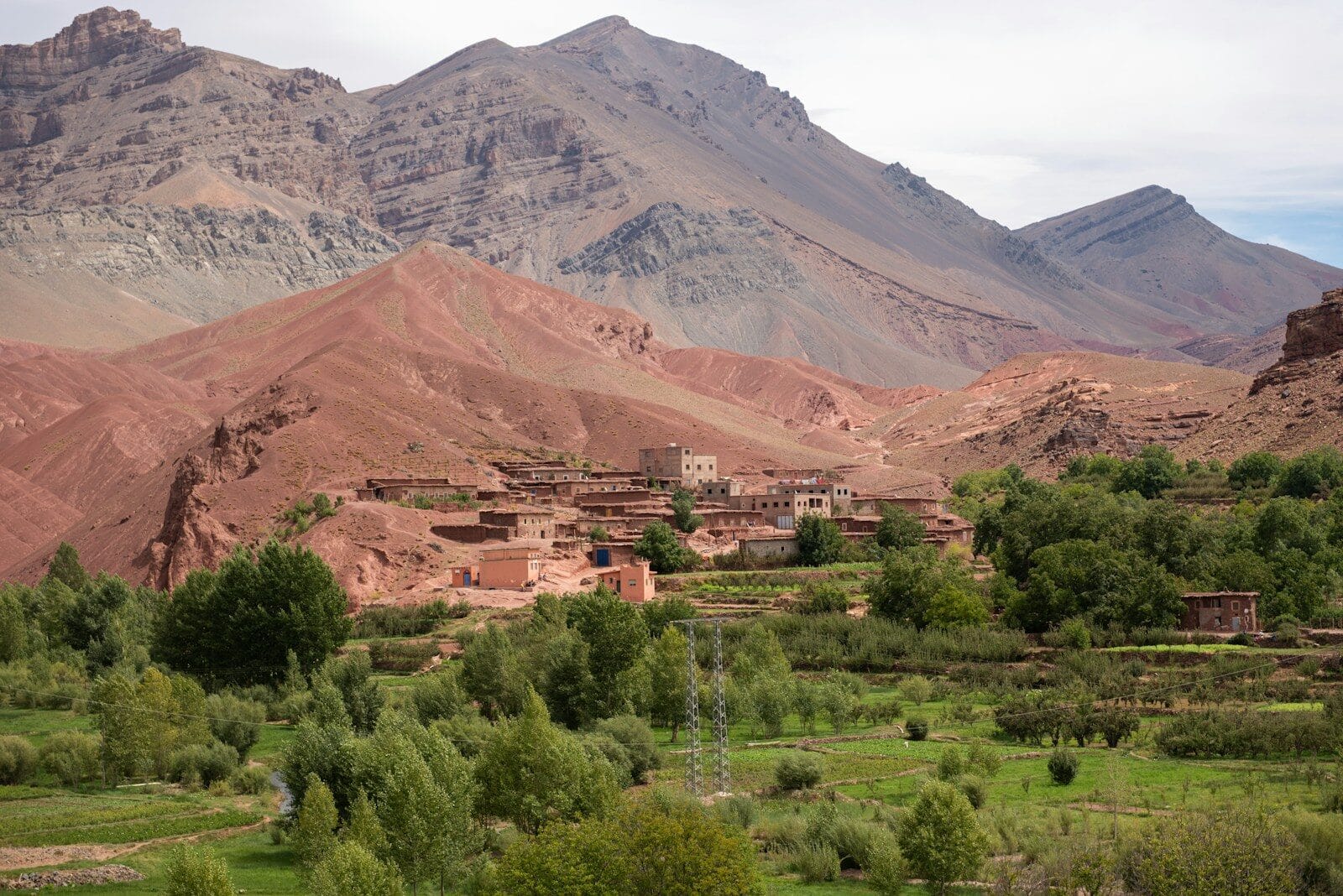
There’s a stretch of southern Morocco that most travelers rush through on the way to the Sahara. That’s a mistake. The route connecting Ouarzazate Skoura is one of the most rewarding journeys you can make in the country, and it deserves far more than a passing glance from a car window.
Ouarzazate sits at a natural crossroads the gateway between the High Atlas Mountains and the vast desert beyond. Just 40 kilometers to the east, Skoura Oasis rises from the surrounding dryness like something out of a storybook: thousands of date palms fed by ancient underground channels, mud-brick kasbahs standing between the trees, and a way of life that has changed remarkably little over the centuries.
Together, the Ouarzazate Skoura region offers families, solo travelers, and curious readers a rare combination of history, natural beauty, cultural depth, and genuine Moroccan hospitality. Whether you’re planning a two-day detour or building an entire itinerary around this corner of the country, this guide covers everything you need to know, from the best kasbahs to visit, to what to feed your kids, to exactly when to go and how to get there.
Let’s start at the beginning.
5 Day Solo Female Morocco Escape
Discover Morocco with confidence and ease. Private transfers, safe boutique riads, and thoughtfully designed experiences for solo female travelers who want comfort and peace of mind. Plan Your Solo Trip
10 Day Culture & Desert Adventure for Women
Explore Morocco’s highlights from the Atlas Mountains to the Sahara Desert in a safe and supportive way. Enjoy guided experiences, sunset camel rides, and carefully selected accommodations. Customize Your Journey
11 Day Relaxed Solo Female Retreat
Travel at your own pace through Morocco’s cities and coastal gems. Perfect for solo women seeking relaxation, cultural discovery, and a stress-free experience. Book Your Escape
What Makes Ouarzazate Skoura So Special?
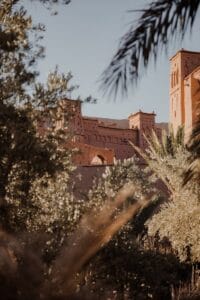
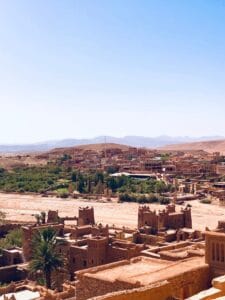
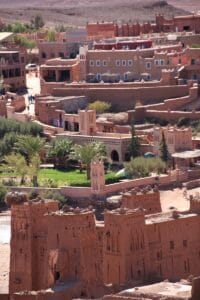
The Geography That Sets This Region Apart
The Ouarzazate Skoura corridor sits at around 1,160 meters above sea level on the southern slopes of the High Atlas Mountains. Ouarzazate itself is perched on a plateau where the Draa and Dades valleys meet, giving it an almost cinematic quality that has attracted filmmakers for decades. To the east, the Dadès River feeds into the broad plain where Skoura’s palmeraie (palm grove) spreads across thousands of hectares of otherwise arid land.
This geography creates a dramatic visual contrast that catches most visitors off guard. You drive through rocky desert, and then suddenly, there it is: a wall of green. Date palms, olive trees, almond orchards, pomegranate groves, all growing lush and dense in the middle of one of Morocco’s driest regions. That contrast is at the heart of what makes this area worth visiting.
A UNESCO-Recognized Oasis
The Skoura Palmeraie is recognized as a UNESCO World Heritage Site, and for good reason. It provides habitat for over 100 bird species and supports a complex agricultural system that has kept local communities alive for more than 800 years. The palm grove stretches across roughly 4,500 hectares, making it one of the largest cultivated oases in Morocco.
Families traveling with children will find this aspect especially engaging. The idea of a city-sized garden growing in the middle of a desert sparks the imagination, and a guided walk through the palmeraie gives kids a concrete, tactile lesson in how humans and nature can work together over generations.
Hollywood Meets History
Ouarzazate earned its nickname “Africa’s Hollywood” for good reason. Films including Lawrence of Arabia, Gladiator, The Mummy, and several seasons of Game of Thrones were filmed in and around the city. The Atlas Corporation Studios is a genuinely fun stop, particularly for families with older kids who recognize the sets.
But Skoura offers the opposite of that gloss. Here, history is lived in rather than filmed. Families who have inhabited the same kasbah for four centuries still do so today. Local farmers use irrigation channels their ancestors dug by hand. That combination, Hollywood spectacle in Ouarzazate and authentic desert life in Skoura, makes the Ouarzazate Skoura pairing so effective as a travel destination.
The History of Ouarzazate Skoura
Ancient Trade Routes and the Birth of a Crossroads
Ouarzazate’s strategic importance goes back centuries. It sat at the junction of trans-Saharan caravan routes, the point where traders carrying gold, spices, and salt from sub-Saharan Africa would pass through on their way north toward Fez and the Mediterranean coast. Blue-robed Tuareg traders unloaded their goods here while Atlas Mountain merchants repacked them onto mules for the journey over the passes.
Skoura was founded in the 12th century under the Almohad dynasty, specifically during the reign of Sultan Yacoub el-Mansour. The fertile land attracted settlers who built the first irrigation systems and began cultivating the palm grove that still exists today. The oasis was named after the Berber Haskourene tribe, and its position on the trade route made it a place of real commercial and agricultural significance.
The Kasbah Era: Power, Wealth, and Mudbrick Fortresses
Between the 17th and 19th centuries, powerful local families competed for control of the trade routes passing through the Ouarzazate Skoura region. The result was an extraordinary concentration of fortified residences, the kasbahs, built from rammed earth and decorated with geometric Amazigh motifs. At one point, Skoura contained so many of these structures that it earned the name “Valley of a Thousand Kasbahs.”
The most famous of these is Kasbah Amridil (also written Amerhidil), built in the late 17th century and still maintained by the same family today. It was so iconic that it appeared on Morocco’s 50 dirham note. The Taourirt Kasbah in Ouarzazate, built by the influential Glaoui family in the 19th century, tells a different part of the story: the French protectorate era, when local power brokers aligned with colonial authorities to maintain control of southern Morocco.
From Garrison Town to Tourism Gateway
Ouarzazate was formally established as a garrison town by the French Foreign Legion in the 1920s. That colonial history gave the city its somewhat grid-like modern layout, quite different from the winding medinas of older Moroccan cities. After independence, Ouarzazate gradually reinvented itself through film tourism and as a base for desert travel, while Skoura maintained its agricultural character and began attracting travelers interested in slower, more immersive experiences.
Exploring Ouarzazate: What to See and Do
Kasbah Taourirt
This is the essential stop in Ouarzazate itself. Built as the Glaoui family’s primary residence in the 19th century, Kasbah Taourirt is a vast complex of around 300 rooms, built in traditional pisé (rammed earth) construction with ornate plasterwork, carved wooden ceilings, and narrow internal corridors that open unexpectedly into sunlit courtyards.
The kasbah served as a seat of power during the French protectorate, when Thami El Glaoui controlled access to the southern trade routes. Guided tours explain both the architectural details and the political history, making it a worthwhile stop for adults and older children alike. Entry is affordable, and the adjacent craft market is a good place to browse without the intense pressure you sometimes find in larger Moroccan cities.
Atlas Studios and the Film Connection
The Atlas Corporation Studios is the world’s largest film studio outside of Hollywood, and touring it is a genuinely entertaining experience, especially if you have film-loving teenagers in your group. You’ll walk through ancient Egyptian temples, Roman coliseums, and desert settings that have appeared in major productions over the past four decades.
Even if your kids haven’t seen Gladiator, the sheer scale of the sets is impressive. Several families who visited with children reported that the studio tour was one of the highlights of their Morocco trip, because it made something abstract (filmmaking) suddenly very physical and real.
Ksar Aït Benhaddou
About 30 kilometers from Ouarzazate lies Ksar Aït Benhaddou, a UNESCO World Heritage Site and arguably the most photographed building in Morocco. This fortified village of earthen towers rising against a backdrop of desert hills and Atlas foothills has appeared in Game of Thrones, Gladiator, and dozens of other productions.
A few Moroccan families still live within the ksar’s walls. A local guide will walk you through the narrow lanes, explain the structure of traditional ksar life, and point out filming locations you might recognize. For families, this is one of the more accessible historical sites in the region: the walk through the village is short, the views from the top are spectacular, and there’s usually a café serving mint tea near the entrance.
The Draa Valley Day Trip
South of Ouarzazate, the Draa Valley stretches toward Zagora and the Sahara. The road follows a ribbon of green through otherwise stark desert, with palm groves, traditional villages, and the occasional kasbah rising from the riverbank. This is a longer commitment, around 3 to 4 hours each way, but travelers who make the drive consistently describe it as one of Morocco’s most scenic routes.
The Ouarzazate Skoura region serves as a natural hub for this kind of radiating exploration: you base yourself in one of the restored kasbah guesthouses, then make day trips in different directions depending on your interests and energy.
Skoura Oasis: A Closer Look
Walking and Cycling the Palmeraie
The best way to experience Skoura is slowly, on foot or by bicycle. The palmeraie is mostly flat, which makes cycling genuinely accessible even for families with younger children. Many guesthouses and lodges in the area rent bikes, and guided routes take you past kasbah ruins, working farms, irrigation channels, and shaded paths that feel completely removed from the main road.
Walking the palmeraie at dawn or dusk is especially rewarding. The light changes quickly and dramatically in this landscape: the palm fronds catch the early morning sun in a way that makes the whole grove glow, and in the late afternoon, the kasbahs cast long shadows across the dusty paths between the trees. Photographers, amateur and experienced alike, will find the Ouarzazate Skoura region endlessly photogenic during these golden hours.
Kasbah Amridil: The Crown Jewel of Skoura
Kasbah Amridil is the most significant historic structure in the Skoura area, and it’s worth more than a passing visit. Built in the 17th century by Mohammed Nassiri Skouri, the kasbah is still maintained by his family today, which gives it a continuity and authenticity that more commercially managed sites sometimes lack.
The structure itself is a masterclass in mudbrick construction: thick adobe walls that regulate temperature naturally, square towers at the corners, a central courtyard open to the sky, and narrow windows designed as much for defense as for ventilation. Inside, you’ll find displays of traditional tools, manuscripts, and Amazigh artifacts arranged to show how daily life was organized within these walls.
The contrast between carefully restored sections and areas where time has left its mark is part of the kasbah’s appeal. It doesn’t feel like a museum designed for tourists it feels like a real place that happens to be very old.
Other Kasbahs Worth Visiting
While Amridil gets the most attention, Skoura’s real appeal is the density of historic structures scattered throughout the palmeraie. Some worth seeking out include:
- Kasbah Aït Ben Moro: Restored in the 1990s and now operating as a guesthouse, it was originally built as a defensive structure and offers a good example of how architectural function shaped the design.
- Kasbah Ben Abdelgoumi: Partially restored, showing different architectural eras and the geometric decorative patterns typical of Amazigh design.
- Kasbah Mohamed Ben Hamadi and Kasbah Ait Abou: Both belonged to influential local families and remain visible within the palmeraie.
- Dar Aït Sidi el-Mati: Located along a route through the grove, best reached on foot or by bike.
A circular route connecting several of these kasbahs takes between two and four hours depending on pace, and is genuinely suitable for most family groups.
The Khettara Irrigation System: Ancient Engineering Still in Use
One of the most interesting things about the Ouarzazate Skoura region that most travel guides underplay is the khettara system. These are underground tunnels, hand-dug over centuries, that channel groundwater from the High Atlas foothills down into the palm groves and agricultural fields. They work by gravity, require no pumps, and dramatically reduce evaporation compared to surface channels.
Local guides in Skoura will often take you to see the entry points of the khettaras, explain how they were constructed and maintained, and point out the subtle markers that indicate where the channels run underground. For children interested in engineering or history, this is a genuinely fascinating subject: people figured out how to bring water through kilometers of underground tunnels using only hand tools and knowledge of gradient.
Modern wells and pumps now supplement the system, but the khettaras are still maintained and still functional. They’re a working example of traditional knowledge that has survived not because it’s being preserved for tourism, but because it still works better than some alternatives.
Ready to Start Your Morocco Journey?
Let us help you design a smooth, affordable, and memorable journey crafted by local travel experts who know Morocco best.
The Ouarzazate Skoura Region for Families
Why This Region Works So Well for Family Travel
The Ouarzazate Skoura corridor is, in many ways, ideal for family travel. The main activities, walking, cycling, visiting kasbahs, exploring the palmeraie, are all low-intensity and adaptable to different ages and fitness levels. There are no major crowds, no pushy tourist infrastructure, and the landscape itself is dramatic enough to hold children’s attention without needing additional entertainment.
Staying in a restored kasbah is particularly memorable for younger visitors. The warren of rooms, the narrow internal staircases, the rooftop terraces with views across the palm grove and toward the mountains: these are the kinds of spaces that children explore with genuine excitement. Several family travelers have noted that their kids talked about the kasbah experience long after returning home.
Activities That Work for Kids
Beyond the palmeraie walk and kasbah visits, a few activities in the Ouarzazate Skoura area are particularly well suited to families:
- Quad biking in the Skoura desert: Several operators offer quad bike tours through the desert edges around Skoura, with routes suitable even for younger children riding with an adult.
- Atlas Studios tour in Ouarzazate: As mentioned above, the film sets are engaging for most age groups and require minimal walking.
- Kasbah Taourirt tour: The mix of history and architecture holds attention better than you might expect, particularly with a good guide.
- Cooking classes: Some guesthouses in the Skoura area offer simple cooking sessions where guests learn to prepare tagine and bread. Kids tend to enjoy this, and the results are edible, which helps.
- Camel rides: Available in the desert fringes east of Skoura, camel rides are usually short enough to be fun without becoming uncomfortable.
Practical Family Travel Tips for the Region
A few things worth knowing before you travel to the Ouarzazate Skoura region with children:
- Sun protection is non-negotiable. The elevation and desert environment mean UV exposure is higher than many families expect. Pack sunscreen, wide-brimmed hats for everyone, and lightweight long-sleeved layers for afternoon walks.
- Carry cash. ATMs are available in Ouarzazate but scarce in Skoura. Most small restaurants, market stalls, and local guides work in Moroccan dirhams, and card payment is unreliable outside of established hotels.
- Schedule activities for morning or late afternoon. Between roughly 11am and 3pm in warmer months, the heat is enough to drain everyone’s enthusiasm quickly. Plan kasbah visits for the morning and palmeraie walks for the late afternoon, when the light is better anyway.
- Bring a reusable water bottle for each person. The dry air in this region is dehydrating, and staying on top of water intake matters, particularly for children.
Pack for cold evenings. Even in spring and autumn, temperatures drop significantly after sunset. Evenings at altitude in the Ouarzazate Skoura area can be genuinely cold, and a light fleece or jacket makes a big difference to comfort.
Culture, Food, and Local Life in Skoura
Berber Traditions and Daily Life
The culture of the Skoura area is rooted in Amazigh (Berber) tradition, shaped over centuries by the demands of oasis farming and the rhythms of desert life. Daily routines still revolve around agriculture: growing date palms, olives, and vegetables using the same irrigation methods that have sustained the community for generations.
Seasonal celebrations, local music, storytelling traditions, and communal meals mark the calendar in ways that feel genuine rather than performed. The local souk in Skoura operates on Mondays and Thursdays, and visiting on market day is a good way to see the community in motion: farmers selling produce, artisans displaying handmade goods, and the kind of social exchange that keeps a small community connected.
What to Eat in the Ouarzazate Skoura Region
Food in the Ouarzazate Skoura area is deeply tied to local agriculture. The basics are familiar Moroccan: tagine (slow-cooked meat and vegetables in a conical clay pot), couscous with seasonal vegetables, fresh flatbreads baked in clay ovens, and mint tea served at every opportunity.
What makes meals here slightly different from what you’d find in Marrakech or Fez is the quality and origin of the ingredients. The olive oil comes from trees you can see from the guesthouse window. The dates were picked from the palmeraie last autumn. The herbs are grown in the kitchen garden. That proximity between source and plate is noticeable in the flavor, and several travelers have remarked that the food in Skoura was among the best they ate during their Morocco trip, not because it was fancy, but because it was fresh.
For families, the food here is generally accessible and mild. Tagines are not heavily spiced by default, and most guesthouses are happy to adjust dishes for children’s preferences. The communal dinner format that some lodges offer (a shared meal with other guests and sometimes the host family) is a particularly warm way to spend an evening.
Shopping and Crafts
Skoura’s craft tradition is modest but genuine. Berber women in the area weave rugs and baskets using natural dyes and palm fiber. Local artisans work leather and produce decorative objects with regional character. These aren’t the mass-produced tourist goods you find in Marrakech’s souks; they’re made in smaller quantities and often available directly from the maker.
The craft area near Kasbah Taourirt in Ouarzazate is a reasonable place to browse carpets, carved stone objects, and silverwork. Prices are generally more straightforward here than in the major tourist markets, though bargaining is still part of the process.
Where to Stay in the Ouarzazate Skoura Region
Restored Kasbah Guesthouses in Skoura
The most distinctive accommodation option in Skoura is the restored kasbah guesthouse. Several historic structures throughout the palmeraie have been carefully converted into small hotels and guesthouses, maintaining their traditional architecture while adding the comforts that modern travelers expect.
Typical features include thick mudbrick walls that keep rooms cool during the day and retain warmth at night, shaded internal courtyards, rooftop terraces with views across the palm grove and toward the Atlas Mountains, and small pools or gardens for unwinding after a day of exploring. Meals are usually included or available on request, and the food is made from local ingredients.
For families, the layout of a kasbah guesthouse is part of the appeal. Children can explore the building’s multiple levels and interconnected rooms with genuine freedom, and the enclosed courtyard design provides a safe outdoor space.
Hotels in Ouarzazate
Ouarzazate has a broader range of accommodation than Skoura, including larger international hotels that cater to film crews and tour groups, as well as smaller boutique options closer to the city center. If you’re planning to use Ouarzazate as a base for day trips, a mid-range hotel near Kasbah Taourirt puts you close to the main attractions and within easy driving distance of Skoura, Aït Benhaddou, and the Draa Valley.
For families who want a balance of comfort and character, staying in Skoura and making day trips into Ouarzazate tends to work better than the reverse.
Wellness and Relaxation
Traditional hammams are available in Ouarzazate and in some of the larger guesthouses in the Skoura area. A Moroccan hammam session typically involves a steam room, a black soap (beldi) scrub applied with a kessa mitt, and a rinse, often followed by a massage using argan or rose oil. It’s an experience worth trying at least once, and most guesthouses can arrange appointments at a local facility if they don’t have one on site.
Beyond hammams, the most effective wellness experience in the Ouarzazate Skoura region is simply slowing down. The landscape invites it. Morning tea on a rooftop terrace, an afternoon reading in the shade of a palm, watching the light change on the Atlas Mountains from a courtyard as the day cools down: these simple pleasures are what most visitors remember most clearly after returning home.
How to Get to Ouarzazate Skoura
From Marrakech
The most common approach to the Ouarzazate Skoura region is a drive from Marrakech along the N9, crossing the High Atlas Mountains via the Tizi n’Tichka pass. The pass sits at 2,260 meters (7,415 feet) and is the highest road pass in Morocco. The drive itself is scenic and dramatic, with steep hairpin turns, panoramic mountain views, and small Berber villages clinging to the hillsides.
Total driving time from Marrakech to Ouarzazate is around 3.5 to 4 hours under normal conditions, with another 45 minutes to reach Skoura. Budget more time in winter, when snow at the pass can slow traffic or occasionally close the road entirely.
Options for making the journey include renting a car (the most flexible approach), hiring a private driver or guide for the day or the trip, taking a shared taxi from Marrakech to Ouarzazate and then another from Ouarzazate to Skoura, or booking through a tour company that handles transfers as part of a broader itinerary.
By Air
Ouarzazate has its own international airport (OZZ), located about 3 kilometers from the city center. Several airlines operate seasonal routes from European cities, which can make sense if you’re planning to base your Morocco trip specifically around the southern desert region. From the airport, taxis and private transfers are the most practical way to reach Skoura.
Tour Options and Itineraries
Many travelers include the Ouarzazate Skoura region as part of a longer Morocco road trip, combining it with Aït Benhaddou, the Dades Valley, the Todra Gorge, and the Sahara dunes at Merzouga or Zagora. This route follows what locals call the Route of a Thousand Kasbahs, one of the most scenic drives in North Africa.
Day trips from Ouarzazate to Skoura are possible but don’t really do the oasis justice. Two nights in the region is a reasonable minimum; three nights allows you to explore at a genuinely relaxed pace and still have time for some of the surrounding day trip options.
Best Time to Visit Ouarzazate Skoura
Spring (March to May)
Spring is widely considered the best season to visit the Ouarzazate Skoura region. Daytime temperatures are comfortable, typically between 18°C and 26°C (65°F to 79°F), and the landscape is at its most vivid: wildflowers appear in the palmeraie, migratory birds pass through, and the Atlas Mountains still carry snow on their higher peaks, creating a dramatic backdrop for photography.
The Valley of the Roses near Kalaat M’Gouna, about an hour’s drive east of Skoura, holds its annual rose festival in May. If your dates align, combining Skoura with a visit to the rose festival adds another memorable layer to an already rich itinerary.
Autumn (October to November)
Autumn is the date harvest season in Skoura, and the palmeraie is particularly active during this period. Temperatures are similar to spring, and the warm golden light of October is excellent for photography. This is also a good season for families, as school holidays in many countries align with autumn travel and the crowds remain manageable.
Winter (December to February)
Winter is quieter and cooler. Daytime temperatures in Ouarzazate and Skoura are mild, usually between 15°C and 22°C (59°F to 72°F), but nights can drop close to freezing, particularly in Skoura’s more open agricultural areas. The mountain pass at Tizi n’Tichka can occasionally be closed by snow, so check conditions if you’re driving from Marrakech.
Summer (June to September)
Summer temperatures in the Ouarzazate Skoura region regularly exceed 38°C (100°F). It’s not impossible to visit, but it requires careful planning: stick to early morning and evening activities, stay somewhere with a pool, and accept that the middle of the day will be genuinely uncomfortable. If you have young children or elderly family members, summer is the season to avoid.
Need Help with Transportation in Morocco?
Book a reliable private driver for your Morocco family adventure today – personalized routes designed just for you, and get 30% off as a first-time visitor!
Quick Takeaways
- Ouarzazate Skoura is one of southern Morocco’s most rewarding travel regions, combining film history, desert landscapes, and genuine cultural depth.
- Skoura Oasis is a UNESCO-recognized palmeraie with over 100 bird species and ancient khettara irrigation still in active use.
- Kasbah Amridil is the region’s most significant historic structure, still maintained by the original family after more than 300 years.
- The best times to visit are spring (March to May) and autumn (October to November) when temperatures are comfortable and the landscape is at its most photogenic.
- Families will find the region well-suited to travel with children: flat cycling routes, kasbah guesthouses with enclosed courtyards, and activities ranging from quad biking to cooking classes.
- Budget at least two to three nights in the Skoura area to explore beyond the main attractions and experience the slower rhythm of oasis life.
- Carry cash in Moroccan dirhams, pack sun protection and a light layer for cool evenings, and download offline maps before leaving Ouarzazate.
Conclusion
The Ouarzazate Skoura region doesn’t try to impress you. It doesn’t need to. The landscape does the work quietly: the first view of the palmeraie appearing out of the desert, the cool of a kasbah courtyard on a hot afternoon, the sound of water moving through an underground channel that was dug eight centuries ago. These things settle into you gradually, and most people find themselves wishing they had stayed longer.
For families, this corner of Morocco offers something increasingly rare in travel: a place where children can genuinely explore, where history is visible and touchable rather than explained through information panels, and where the hospitality of local families adds a warmth to the experience that no amount of careful itinerary planning can replicate.
Whether you’re visiting Ouarzazate for the film studios and kasbahs, spending a few days in Skoura to walk the palmeraie and watch the light change on the mountains, or using the region as a base for a longer southern Morocco journey, you’ll leave with the sense that you’ve seen a part of the country that many travelers miss.
If you’re ready to plan your trip to Ouarzazate Skoura, Morocco Family Vacation offers fully tailored private tours for families and independent travelers who want to experience the region properly. From handpicked kasbah accommodations to local guides who actually know the palmeraie, we handle the details so you can focus on the journey. Get in touch today and let’s build your perfect southern Morocco adventure.
─── Your questions, our answers.
Frequently Asked Questions
Our dedicated team is here to answer your Morocco Travel questions and ensure a smooth, memorable journey through Morocco.
How far is Skoura from Ouarzazate, and how long does it take to get there?
Skoura is approximately 40 kilometers east of Ouarzazate along the N10 road. The drive takes around 45 minutes under normal conditions. Shared taxis are available from Ouarzazate’s taxi stand, though having your own transport gives you more flexibility to stop along the way and explore the palmeraie at your own pace.
Is the Ouarzazate Skoura region suitable for families with young children?
Yes, and it’s genuinely one of Morocco’s better regions for family travel. The main activities (cycling and walking the palmeraie, visiting kasbahs, guided oasis tours) are low-intensity and adaptable to different ages. Kasbah guesthouses have enclosed courtyards that give children room to explore safely, and the overall environment is calm compared to Morocco’s busier tourist cities.
What is Kasbah Amridil and why is it significant?
Kasbah Amridil is a 17th-century fortified residence in Skoura, widely regarded as one of Morocco’s best-preserved kasbahs. Built by the Nassiri Skouri family, it is still maintained by their descendants today. Its architectural quality and historical continuity made it famous enough to appear on Morocco’s 50 dirham note. It now operates partly as a museum, with displays of traditional tools, manuscripts, and Amazigh cultural artifacts.
What is the khettara system, and can visitors see it?
The khettara is a traditional underground irrigation system that channels groundwater from the High Atlas foothills into Skoura’s palm groves via gravity-fed tunnels. The system has been in use since the oasis was founded in the 12th century and is still functioning today. Local guides in Skoura can show you the entry points of the channels, explain how they were built and maintained, and point out the subtle surface markers that indicate where the tunnels run underground. It’s a genuinely fascinating piece of ancient engineering.
Do I need to book accommodation in advance for the Ouarzazate Skoura region?
During peak seasons (spring and autumn), booking ahead is strongly recommended, particularly for the more atmospheric kasbah guesthouses in Skoura, which tend to fill up quickly. In winter and summer, availability is generally better. If you’re visiting during the Valley of the Roses festival in May or around major Moroccan public holidays, book several months ahead to secure your preferred accommodation.

Kate Carter
Family Travel Blogger
Kate Carter is a mom and travel blogger who fell in love with Morocco’s culture and warmth. Through Morocco Family Vacation, she shares tips and stories to help travelers enjoy authentic, stress-free experiences. Join us along the way.
Table of Contents
Our Services
-
Private Family Tours
-
Custom Itineraries
-
Sahara Desert Tours
-
Chefchaouen & Northern Morocco Tours
-
Luxury Desert Camping
-
Multi-Day Tours (2–16 Days)
-
Atlas Mountains Trips
-
Cooking Classes & Market Visits
-
Photography & Heritage Tours
-
Airport Transfers & Private Transport
-
Custom Birdwatching Tour in Morocco
-
24/7 Tour Support & booking Flexibility
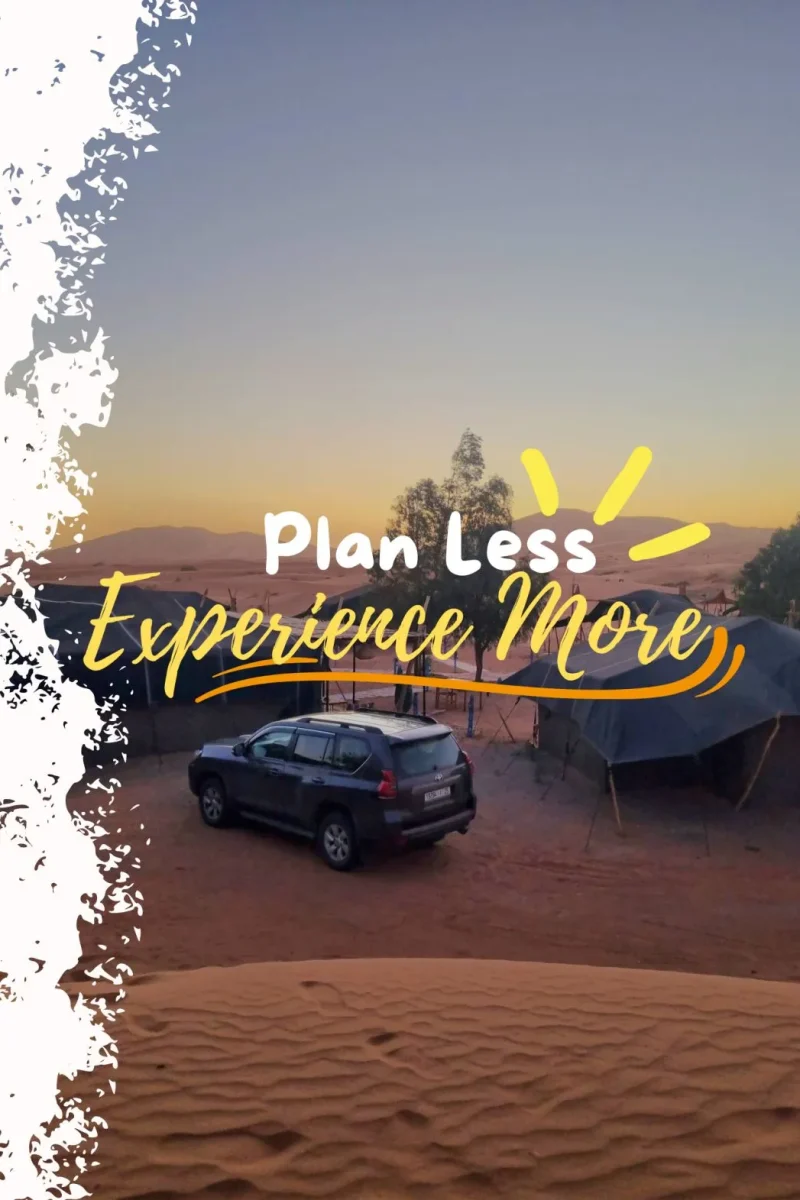
At Morocco Family Vacation, we create custom Morocco tour packages designed around your interests and travel style. As a dedicated and independent travel agency, we specialize in private Morocco tours offering memorable desert adventures, cultural experiences, and family friendly itineraries while delivering attentive, personalized service from start to finish.
Popular Tours
Latest Posts

#Morocco in February
#Morocco weather in February
#February temperatures in Morocco
#Weather in Morocco in February
#Morocco travel guide February