
Rissani Souk History
Rissani Souk History: Origins of Morocco’s Desert Market
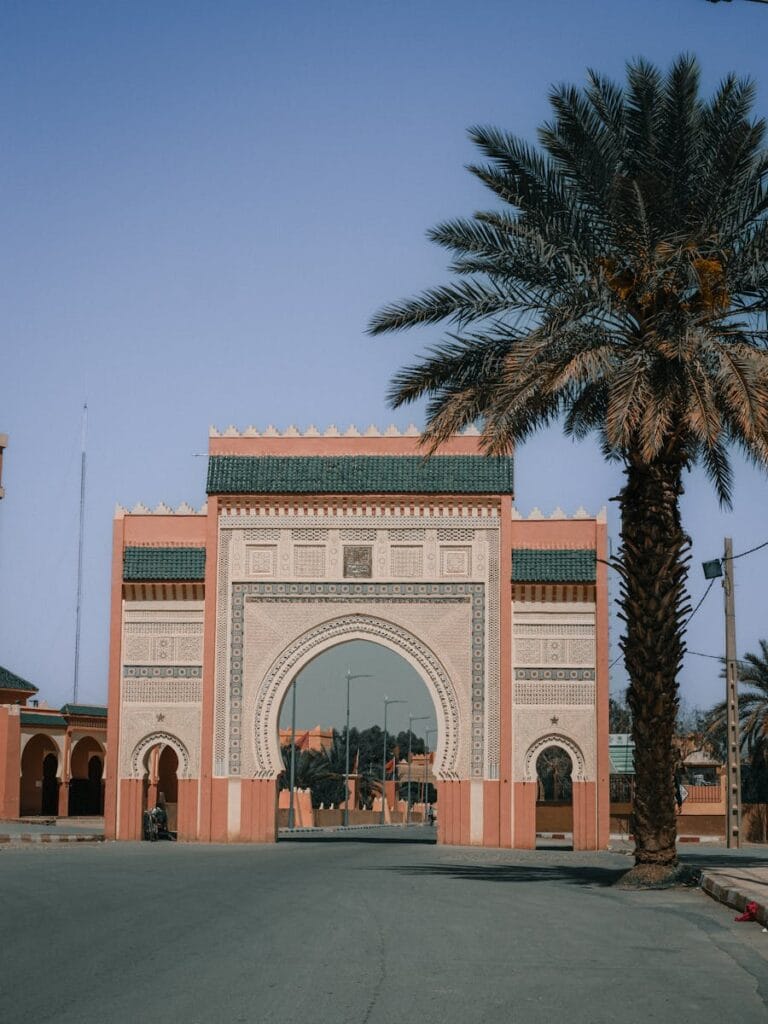
At the edge of the Sahara, where palm groves meet desert winds, lies one of Morocco’s most historically significant marketplaces. The story of Rissani Souk History is not simply about buying and selling goods it is about centuries of trade, migration, culture, and survival in one of North Africa’s most strategic regions. Long before modern cities rose to prominence, Rissani served as a vital commercial heart of the Tafilalet Oasis, welcoming traders, nomads, and travelers from across the Sahara and beyond.
Unlike Morocco’s famous imperial city souks, Rissani’s market remains deeply rooted in local life. It operates much as it has for generations, reflecting traditions shaped by trans-Saharan caravan routes, agricultural rhythms, and tribal exchange. For travelers, visiting Rissani Souk offers a rare opportunity to witness a living marketplace that still functions primarily for its people, not tourism.
This article explores the full historical journey of the Rissani Souk from its origins near the legendary city of Sijilmassa, through its role in desert trade networks, to its continued importance today. Understanding this history transforms a simple market visit into a meaningful cultural experience.
Where Rissani Is Located
Rissani is located in southeastern Morocco, within the Drâa-Tafilalet region, near the edge of the Sahara Desert. It lies approximately 22 km south of Erfoud, 35 km west of Merzouga, and close to the ruins of the ancient city of Sijilmassa, one of North Africa’s most important medieval trading centers. The town sits within the Tafilalet Oasis, one of Morocco’s largest oasis systems, surrounded by vast palm groves and desert landscapes.
Rissani is strategically positioned along historic trans-Saharan caravan routes that once connected sub-Saharan Africa with northern Morocco and the Mediterranean. Today, its location makes it a key gateway to the Erg Chebbi dunes, the Ziz Valley, and the eastern Sahara, while remaining accessible by road from Errachidia, the nearest city with an airport.
The Origins of Rissani: From Oasis Settlement to Trading Center
Rissani developed within the fertile Tafilalet Oasis, a region sustained by underground water systems and extensive palm groves. These natural resources allowed permanent settlement in an otherwise harsh desert environment, making the area ideal for rest, resupply, and trade. Early communities relied on agriculture especially dates and grains but their location soon attracted passing caravans crossing the Sahara.
Over time, Rissani evolved from a small oasis settlement into a strategic gathering point. Its proximity to ancient trade routes connected North Africa with sub-Saharan Africa, enabling the exchange of gold, salt, spices, leather, and textiles. Markets naturally emerged where caravans stopped, and these early exchanges laid the groundwork for what would become one of the most enduring souks in southern Morocco.
The environment shaped not only commerce but also social organization. Tribal alliances, hospitality customs, and negotiated trade agreements all influenced how the market functioned. These early practices still echo in the cooperative spirit and structure of Rissani’s souk today.
Trans-Saharan Trade Routes and Their Influence on Rissani Souk History
The rise of Rissani Souk cannot be understood without examining the trans-Saharan trade routes. For centuries, caravans of camels carried goods across vast desert distances, linking West African kingdoms with Mediterranean ports. These routes were economic lifelines, and market towns like Rissani were essential nodes within them.
Merchants traveling from regions such as Timbuktu and Gao brought gold, ivory, and enslaved laborers, while traders from the north supplied salt, weapons, textiles, and manufactured goods. Rissani’s market became a place where prices were negotiated, alliances were formed, and information was exchanged. It was as much a center of communication as it was commerce.
Even after maritime trade reduced the importance of overland routes, the traditions established during the caravan era continued. Weekly market gatherings preserved patterns of exchange that had defined the region for generations, ensuring that Rissani remained economically relevant long after the decline of camel caravans.
The Connection Between Rissani and the Ancient City of Sijilmassa
One of the most important chapters in Rissani Souk History is its relationship with Sijilmassa, an ancient city founded in the 8th century. Sijilmassa was once among the wealthiest trade cities in North Africa, controlling much of the gold trade flowing north from sub-Saharan Africa.
When Sijilmassa declined due to political instability and environmental pressures, nearby settlements absorbed its commercial functions. Rissani emerged as one of the primary successors, inheriting trade networks, market traditions, and economic influence. Many of the goods and practices associated with Sijilmassa found new life in Rissani’s souk.
Today, the ruins of Sijilmassa lie just outside Rissani, serving as a reminder that the market’s importance is deeply rooted in a broader historical landscape of commerce and power.
Evolution of the Rissani Souk Through the Centuries
Early Caravan Era (8th–14th Century)
During its earliest phase, the market primarily served caravan traders and oasis communities. Exchange focused on essential goods food, animals, tools, and raw materials. Trade was seasonal and heavily influenced by climate and travel conditions
Regional Market Expansion (15th–17th Century)
As caravan trade stabilized, Rissani Souk became a regional center attracting tribes from across the Tafilalet and surrounding desert. Specialized market areas developed, separating livestock, food, crafts, and services.
Alaouite Dynasty and Political Importance
Rissani is the birthplace of the Alaouite dynasty, Morocco’s current ruling family. This political significance further strengthened the town’s economic role, ensuring protection and continuity for its market during periods of instability elsewhere.
What days are the Rissani market on?
The Rissani market (Rissani Souk) is held three times a week: Tuesday, Thursday, and Sunday.
Sunday is the busiest and most authentic day, when traders from nearby villages gather to sell livestock, dates, spices, and local goods. Arriving in the morning offers the best experience.
Rissani Souk Today: Structure and Market Days
Modern Rissani Souk remains a weekly market rather than a daily tourist attraction. The most active days are Tuesday, Thursday, and Sunday, when traders from surrounding villages arrive before sunrise.
The souk is divided into distinct zones, often referred to as rahbas. Each area specializes in specific goods spices, dates, livestock, clothing, tools, and household items. One of the most striking features is the traditional donkey parking area, a reminder that animal transport remains part of daily life.
This structure reflects centuries-old organization, allowing efficient trade while maintaining social order within the bustling environment.
Goods Traditionally Sold in Rissani Souk
The diversity of products found in Rissani Souk mirrors its historical role as a crossroads of cultures and economies.
Dates and agricultural produce from the Tafilalet Oasis
Spices and herbs sourced from regional and desert trade
Livestock, including sheep, goats, and donkeys
Leather goods, textiles, and traditional clothing
Household tools and farming equipment
Unlike tourist-focused markets, pricing and negotiation in Rissani are driven by local supply and demand rather than souvenir value
Cultural and Social Role of the Souk
Beyond commerce, Rissani Souk functions as a social institution. Market days are opportunities for families to reconnect, tribes to exchange news, and elders to mediate disputes. Weddings, land agreements, and business partnerships are often discussed alongside trade.
This social dimension is a key element of Rissani Souk History, reinforcing the market’s role as a communal gathering space rather than a purely economic one.
Architectural and Spatial Features
Rissani Souk lacks the ornate architecture of imperial city markets, yet its design is highly functional. Narrow alleys provide shade, while open areas allow for animal trading and bulk goods. Temporary stalls and simple structures emphasize adaptability rather than permanence.
This flexible layout has allowed the souk to evolve over time without losing its traditional character.
Economic Importance in the Modern Era
While tourism has grown in nearby desert destinations, Rissani Souk remains economically vital to local communities. Farmers, herders, and artisans depend on the market to sell goods and purchase necessities.
The souk supports a regional economy that continues to operate largely outside mass tourism, preserving authenticity while sustaining livelihoods.
Ready to Start Your Morocco Journey?
Book your trip today with our expert planners, enjoy personalized itineraries tailored to your flights and travel needs, and claim 30% off as a first-time visitor!
Local Food and Culinary Traditions
One cannot explore Rissani without encountering madfouna, often called Berber pizza. Traditionally prepared on market days, this stuffed flatbread reflects the practical cuisine of traders who needed nourishing meals during long journeys.
Food stalls and nearby eateries provide insight into how market life shapes local gastronomy.
Visiting Rissani Souk: Practical Tips for Travelers
Visit early in the morning for the most authentic experience
Dress modestly and respectfully
Ask permission before photographing people
Observe livestock areas from a respectful distance
Combine your visit with nearby historical sites for deeper context
What is the best time to visit Rissani?
The best time to visit Rissani is spring (March–May) and autumn (September–November), when temperatures are mild and comfortable for exploring the souk and nearby desert areas. Summers are extremely hot, while winters can be cold at night.
Nearby Historical Sites to Explore
Sijilmassa ruins – remnants of the ancient trade city
Mausoleum of Moulay Ali Cherif – ancestral site of the Alaouite dynasty
Ksars of the Tafilalet – fortified villages reflecting desert architecture
These locations enrich understanding of Rissani’s historical significance.
How do you get to Merzouga from Rissani?
Merzouga is about 35 km from Rissani and can be reached in 45 minutes by car or taxi. Most travelers use a grand taxi, private transfer, or tour vehicle, making Rissani a common gateway to the Sahara dunes.
Need Help with Transportation in Morocco?
Book a reliable private driver for your Morocco family adventure today – personalized routes designed just for you, and get 30% off as a first-time visitor!
Quick Takeaways: Rissani Morocco
- Rissani Souk emerged from historic trans-Saharan trade networks
- Closely linked to the ancient city of Sijilmassa
- One of Morocco’s most local and authentic markets
- Weekly market days preserve centuries-old traditions
- Serves vital social, cultural, and economic roles
- Rissani, Morocco is among the country’s most authentic desert towns
- The weekly souk is one of the most traditional in Morocco
- Birthplace of Morocco’s ruling Alaouite dynasty
- Close to Sahara dunes, ideal for desert tours
- Best visited in spring or autumn for comfort
Final Thoughts
The enduring importance of Rissani Souk History lies in its continuity. While empires rose and fell, trade routes shifted, and modern borders emerged, this desert market adapted without losing its identity. It remains a place where history is not preserved behind glass, but lived through daily exchange, conversation, and tradition.
For travelers seeking more than surface-level experiences, Rissani Souk offers a rare glimpse into Morocco’s deep commercial and cultural roots. By understanding its past from caravan trade and oasis life to dynastic origins you gain a richer appreciation for the rhythms of the present. A visit to Rissani is not just a stop on a journey; it is a step into a story still unfolding.
─── Your questions, our answers.
Frequently Asked Questions
Our dedicated team is here to answer your Morocco Travel questions and ensure a smooth, memorable journey through Morocco.
Where is Rissani Morocco located?
Rissani Morocco is located in southeastern Morocco in the Drâa-Tafilalet region. It lies near Erfoud and serves as a gateway to the Sahara Desert and the Erg Chebbi dunes near Merzouga.
What is Rissani Morocco famous for?
Rissani Morocco is famous for its traditional weekly souk, its role as the successor of the ancient city of Sijilmassa, and as the birthplace of Morocco’s ruling Alaouite dynasty. It is also known for Madfouna (Berber pizza) and its strong desert culture.
How do you get to Rissani?
Rissani is accessible by road from Errachidia (about 1 hour), which has the nearest airport. Travelers typically arrive by bus, shared taxi, private car, or desert tour from cities like Marrakech, Fes, or Ouarzazate.
What can you do in Rissani Morocco?
In Rissani Morocco, visitors can explore the traditional souk, visit the Mausoleum of Moulay Ali Cherif, taste local dishes like Madfouna, explore nearby ksars, and take desert trips to Erg Chebbi.
How far is Rissani from Merzouga Desert?
Rissani is approximately 35 kilometers (22 miles) from Merzouga. The drive takes about 40–45 minutes, making Rissani a convenient base for Sahara desert tours.
What is the best time to visit Rissani Morocco?
The best time to visit Rissani Morocco is from October to April when temperatures are mild. March and April are especially ideal for sightseeing and desert excursions.
Are there any festivals in Rissani?
Rissani does not host major national festivals, but religious celebrations and market days play an important cultural role. Local traditions and seasonal events are best experienced during the weekly souk, especially on Sundays.

Kate Carter
Family Travel Blogger
Kate Carter is a mom and travel blogger who fell in love with Morocco’s culture and warmth. Through Morocco Family Vacation, she shares tips and stories to help travelers enjoy authentic, stress-free experiences. Join us along the way.
Table of Contents
Our Services
-
Private Family Tours
-
Custom Itineraries
-
Sahara Desert Tours
-
Chefchaouen & Northern Morocco Tours
-
Luxury Desert Camping
-
Multi-Day Tours (2–16 Days)
-
Atlas Mountains Trips
-
Cooking Classes & Market Visits
-
Photography & Heritage Tours
-
Airport Transfers & Private Transport
-
Custom Birdwatching Tour in Morocco
-
24/7 Tour Support & booking Flexibility
At Morocco Family Vacation, we create custom Morocco tour packages designed around your interests and travel style. As a dedicated and independent travel agency, we specialize in private Morocco tours offering memorable desert adventures, cultural experiences, and family friendly itineraries while delivering attentive, personalized service from start to finish.
Popular Tours
Latest Posts


get in touch
#Morocco family friendly tours
#Morocco family holiday
#Morocco with kids
#Morocco travel tips for families
#Morocco Family Vacation