
Ifrane National Park, Morocco
Ifrane National Park, Morocco: What to See and Do Family Guide
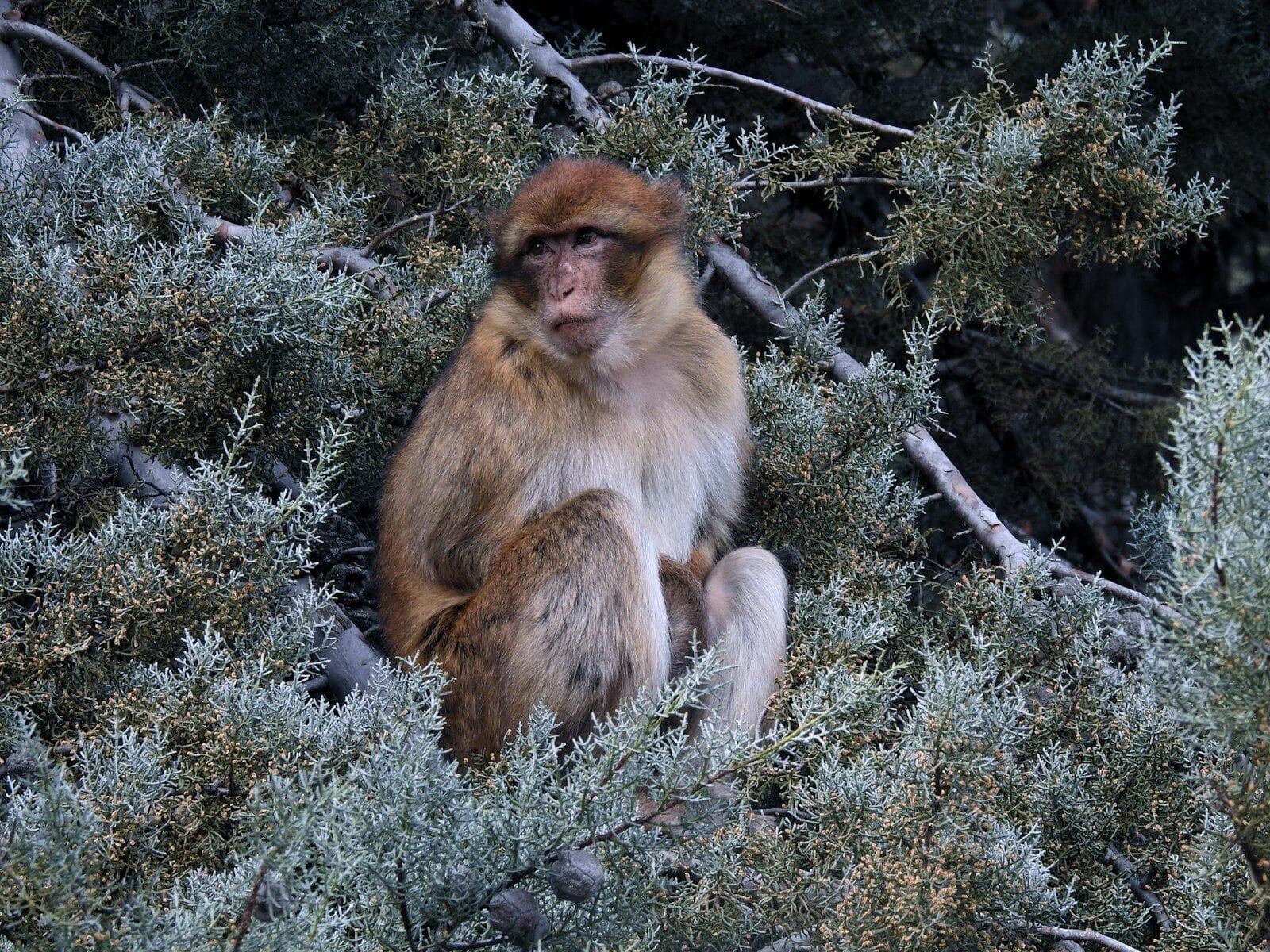
Ifrane National Park sits in Morocco’s Middle Atlas, where cedar forests, mountain lakes, open meadows, and cooler high altitude weather create a very different experience from Morocco’s desert and coastal regions. The protected area covers about 125,000 hectares and extends across parts of Ifrane and El Hajeb provinces, including areas around Ifrane, Azrou, Timahdite, Ben Smim, and Dayet Aoua.
For families, the area works particularly well when you plan the day around short nature stops instead of trying to cover a large section of the park. Children can look for Barbary macaques, walk among Atlas cedars, visit a mountain lake, or experience snow around Ifrane during suitable winter conditions. The official park website also identifies walking, mountain biking, horse riding, wildlife observation, fishing, and climbing among the activities available in the wider protected area.
This guide explains what Ifrane National Park is, where it is, what families can see and do, when to visit, how to get there, what to know about monkeys and trails, and how to plan a comfortable visit with children.
Quick takeaways
- Large protected area: The park covers about 125,000 hectares in the Middle Atlas.
- Main family attractions: Cedar forests, Barbary macaques, lakes, walking routes, and seasonal snow.
- Good for children: The park offers easier forest walks and family suitable nature outings, but trails vary in difficulty.
- Best seasons: Spring and early autumn are useful for outdoor walks, while winter offers snow and colder mountain conditions.
- Location: The park lies around Ifrane and Azrou, with access from the Fes and Meknes side of Morocco.
- Wildlife: Barbary macaques are one of the best known animals in the area, but sightings are never guaranteed.
- Family planning: Comfortable shoes, water, layers, snacks, and checking the weather can make a major difference.
What Is Ifrane National Park?
The park's size, history, and purpose
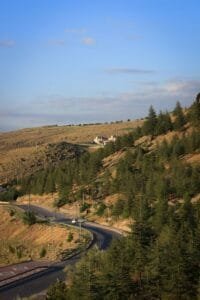
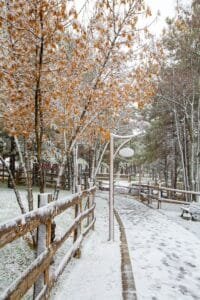
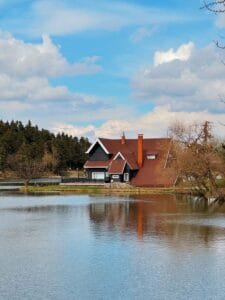
Ifrane National Park is a protected area in Morocco’s Middle Atlas Mountains, officially established in 2004 to conserve forests, wetlands, wildlife, and other natural ecosystems. The park currently covers about 125,000 hectares. Its territory includes Atlas cedar forests, oak woodland, wetlands, natural lakes, and high altitude grasslands.
The park was created after increasing pressure on mountain ecosystems from activities such as deforestation, overgrazing, hunting, and development. Conservation of the Atlas cedar and Barbary macaque became important parts of the park’s purpose. The protected area also supports environmental education and nature based tourism.
For families, it helps to understand that the park is not one small attraction with a single entrance and one walking path. It is a large protected landscape containing different natural sites. A family visiting for a day may only see a small part of it.
The official park information lists more than 1,000 plant species and 209 animal species. It also identifies several managed natural sites and protected zones within the wider park.
Ifrane National Park location and map
Where is the park?
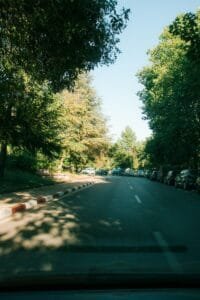


Ifrane National Park is in the central Middle Atlas, between the provinces of Ifrane and El Hajeb. The protected territory includes areas around Ifrane, Azrou, Timahdite, Ben Smim, and Dayet Aoua. The park authority identifies the N8 and N13 roads as important access routes.
Ifrane itself sits at about 1,650 metres above sea level. The city is roughly 70 km from Fes and about 64 km from Meknes by the distances listed by Morocco’s National Tourist Office.
When searching for an Ifrane National Park map, families should look beyond the town of Ifrane. The protected area spreads across a much larger territory, so a map is useful for understanding the distance between the cedar forests, lakes, Azrou, Ifrane, and other natural sites.
For a family day, it is usually easier to choose two or three nearby stops rather than treating the whole protected area as one attraction.
Best things to do in Ifrane National Park
Walk through the cedar forests
One of the simplest activities for families is a walk through the cedar forest. The park authority describes routes ranging from easy outings to more demanding hikes, with family suitable loops available in the cedar areas.
With younger children, choose a short route and allow time for stops. Older children and teenagers may enjoy a longer walk if the weather is comfortable.
Look for Barbary macaques
The Barbary macaque is strongly associated with the cedar forests around Ifrane and Azrou. Seeing these animals can turn an ordinary forest walk into a memorable wildlife experience for children. Morocco’s National Tourist Office specifically highlights Barbary macaques among the wildlife experiences around Ifrane.
Wild animals should still be treated as wild animals. Give them space and follow local guidance about feeding and approaching them.
Visit Dayet Aoua
Dayet Aoua is one of the best known lakes in the wider park. The official park site places it about 15 km east of Ifrane on the road toward Imouzzer Kandar. The lake sits at roughly 1,460 metres and its surrounding landscape includes cedar, oak, juniper, meadows, and wetland areas.
It can work well for a family stop because children have space to observe birds, plants, water, and the surrounding landscape without needing a long mountain hike.
Try a gentle outdoor activity
The wider park supports several outdoor activities, including walking, mountain biking, horse riding, wildlife observation, fishing, and climbing. The official park site also describes shorter horse riding loops around places such as Cèdre Gouraud and Michlifen as suitable for family outings.
For younger children, the simplest option is usually a short walk. Teenagers may prefer cycling or a longer outdoor route, depending on experience and conditions.
Is Ifrane National Park suitable for kids?
Ifrane National Park can be suitable for children when families select activities that match their ages and walking ability. The park authority specifically notes that families can find walking loops suitable for outings with children.
The most important point is that the entire park should not be treated as an easy children’s attraction. It is a large mountain protected area, and conditions vary between locations. Some routes are short and manageable, while others require more time and physical effort.
For toddlers, parents may prefer a short forest walk, a scenic lake stop, or a relaxed picnic rather than a demanding trail. Preschool children often enjoy wildlife spotting and collecting visual observations such as different tree shapes, birds, and animal tracks.
Older children can take part in longer walks and nature photography. Teenagers may enjoy hiking, cycling, horse riding, or winter activities around the Ifrane area.
Bring water, snacks, comfortable footwear, sun protection, and an extra layer. Weather can change with altitude, and children may become cold or tired sooner than adults.
Ifrane National Park monkeys
Barbary macaques are among the most recognizable animals in the Ifrane area. The species, also known as the Barbary macaque, lives in the cedar forests of the Middle Atlas and is one of the animals protected within the park.
Families often visit the forest specifically hoping to see them. Sightings are common in some visitor areas, but no responsible wildlife trip can promise that animals will appear at a particular time.
Children should be reminded not to chase, surround, or disturb the monkeys. Avoid treating wildlife like domestic animals. Keeping food secure and following instructions from local staff or guides is especially important around areas where macaques gather.
The forest is worth exploring even when no monkeys appear. Children can look for birds, insects, different trees, and signs of wildlife while learning why the cedar ecosystem matters.
When is the best time to visit Ifrane National Park?
The best time depends on what your family wants to do. Spring is useful for walking and outdoor exploration because temperatures are generally more comfortable than during the coldest winter period. The park authority recommends checking current weather before starting a walk.
Summer can be a useful escape from hotter parts of Morocco because Ifrane’s elevation gives it a cooler mountain climate. Families visiting from Fes or Marrakech may notice a significant difference in temperature.
Autumn can also work well for outdoor activities, particularly when the weather is settled. Winter brings a different experience, with cold temperatures and snow possible in the higher areas. The National Tourist Office highlights skiing, sledding, and playing in snow around Michlifen and Jbel Hibri during winter.
For families with small children, spring, early autumn, or mild summer days can make outdoor walking easier. If snow is the main reason for visiting, winter is the obvious choice, but warm clothing and flexible plans are important.
Ifrane National Park weather
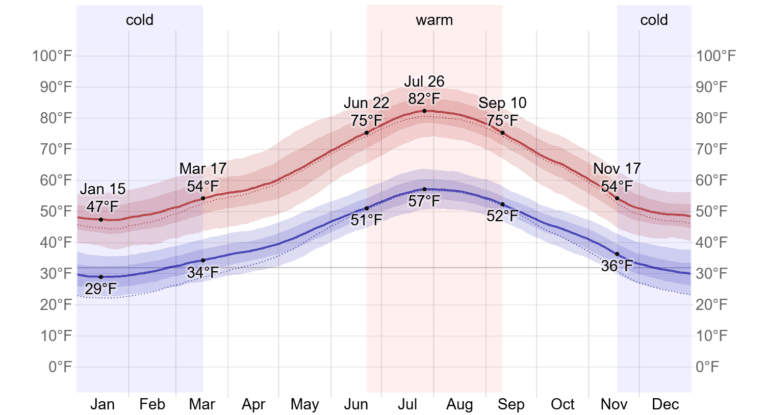
Weather in the park is strongly affected by elevation. Ifrane sits around 1,650 metres, while parts of the protected area extend across higher Middle Atlas terrain. Winter can therefore be much colder than cities such as Fes, Meknes, or Marrakech.
Snow is possible during winter, and mountain conditions can change quickly. A sunny morning in town does not necessarily mean that a higher forest route will have the same conditions.
Families should check the forecast before leaving and dress children in layers. Comfortable walking shoes are useful even for short forest outings because paths may be uneven or damp.
For a family with a toddler, weather can determine whether a long outdoor stop is enjoyable. If temperatures are low or rain is expected, consider shortening the nature portion of the day and spending more time in Ifrane itself.
Ifrane National Park trails and camping
Choosing a trail for your family
There is no single trail that suits every visitor. The official park guidance describes everything from easier walks to more demanding routes and advises visitors to choose according to their ability, available time, equipment, and weather.
For young children, look for a short route with a clear turnaround point. For teenagers and experienced walkers, a longer route can be part of the day’s main activity.
What about camping?
Camping requires more planning than a simple forest visit. The park contains a very large protected area, and accommodation and services are not evenly distributed throughout it. The official park website lists accommodation establishments in Ifrane province, including hotels in Ifrane.
Families should confirm whether a specific camping area is currently authorized and operating before planning an overnight stay. Do not assume that any open forest area is suitable for camping.
How do you get to Ifrane National Park?
Most international visitors reach the region through Fes or another Moroccan city and continue by road toward Ifrane or Azrou. Morocco’s National Tourist Office lists Ifrane at approximately 70 km from Fes and 64 km from Meknes.
A private vehicle gives families the most flexibility because the park covers a large territory and several attractions are separated by roads. This is particularly useful with children because you can adjust the day when someone needs a break.
Public transport can be useful for reaching towns in the region, but it is less convenient for combining several forest and lake stops in one day.
Families staying in Fes can also include the area as part of a wider Middle Atlas itinerary. A driver familiar with the region can help select stops according to children’s ages, weather, and walking preferences.
Ifrane National Park tours for families
A private tour can make sense when the goal is to combine several sites without spending the day working out directions and driving between them. A family itinerary might combine Ifrane, a cedar forest, a wildlife stop near Azrou, and a lake such as Dayet Aoua.
For younger children, build in time for breaks instead of filling every hour with sightseeing. Teenagers can have more active sections, such as a longer walk or cycling route.
Morocco Family Vacation organizes private family trips where the schedule can be adjusted around toddlers, children, and grandparents. The approach is useful for families who want nature stops without joining a fixed group itinerary.
The official park also encourages visitors to check information about their route, equipment, weather, water, and local services before starting an outdoor activity.
Dayet Aoua and the lakes around Ifrane
Dayet Aoua is particularly useful for families who want to add water and open scenery to a forest focused day. The official park information describes the lake as a natural freshwater lake surrounded by mixed forests and wetland landscapes.
Other lakes and wetland sites form part of the wider protected landscape. The park website identifies Dayet Aoua and Tifounassine among its important lake areas, while the National Tourist Office also mentions Afenourir and Dayet Hachlaf in the wider Ifrane region.
Lake conditions can vary during the year, so families should not plan activities around assumptions about water levels or facilities. A lake visit can simply be a place for a short walk, wildlife observation, photography, or a family picnic.
Wildlife and bird watching
The park supports a wide variety of wildlife. Its official information records 209 animal species, including resident, migratory, and wintering bird species.
For children, wildlife observation can become an easy educational activity. Instead of focusing only on seeing a large animal, give children a simple list of things to notice: birds, insects, tree bark, feathers, animal tracks, and changes in vegetation.
The Barbary macaque receives the most attention from many visitors, but it is only one part of the ecosystem. The park also contains varied plant life and wetland environments that support birds and other animals.
A small pair of binoculars can be useful for older children. Keep the experience quiet and avoid approaching wildlife too closely.
Where to stay near Ifrane National Park
Families have several accommodation options in Ifrane and nearby towns rather than needing to sleep inside the protected forest. The park’s official accommodation information lists classified establishments in Ifrane, including hotels such as Michlifen Resort & Golf, Grand Hôtel, Hôtel Zephyr Ifrane, and Perce Neige.
For families with toddlers, staying in Ifrane can make the schedule easier because you can return to your accommodation after a morning outdoors. Families who want to explore the Azrou side may prefer accommodation closer to that part of the region.
When choosing a room, check practical details such as family room configuration, heating in colder months, parking, restaurant availability, and how far the property is from the day’s planned stops.
What should families pack?
A family day in the mountains needs a slightly different packing list from a city sightseeing day. Comfortable walking shoes are useful even if you plan only short walks. Bring water and snacks, especially when traveling with younger children.
Layers are more practical than relying on one heavy item because temperatures can change during the day. In summer, sun protection remains important even when the air feels cool.
For toddlers, bring whatever is normally needed for a longer day outside, including spare clothing. Families planning a walk should also carry a basic first aid kit and keep phones charged.
The park authority recommends checking the weather, carrying enough water, and taking suitable equipment before hiking.
Safety and responsible wildlife visits
A family visit should balance enjoyment with respect for the protected environment. Stay on appropriate paths, take rubbish with you, and follow local instructions around wildlife and sensitive areas.
The monkeys deserve particular attention. Do not encourage children to approach or chase them. Wildlife photographs are better taken from a respectful distance.
Weather is another important consideration. Snow, rain, cold temperatures, and wet ground can change how suitable a trail is for young children. Check conditions before leaving rather than relying on a forecast from several days earlier.
If you are unsure about a trail, ask locally about current conditions. The park authority provides contact information and visitor guidance for the protected area.
How to plan a family day in Ifrane National Park
A comfortable family itinerary does not need to include every attraction. Start with one main nature activity, such as a cedar forest walk, then add a wildlife stop or lake visit.
A family with toddlers might spend the morning around the forest and nearby attractions, have lunch in Ifrane, and finish with a short scenic stop. Families with older children can add a longer walk, cycling, or another outdoor activity when conditions allow.
Keep driving time in mind. Because the protected area is large, two places that appear close on a broad map may still require a meaningful drive on mountain roads.
The best plan is one that leaves room for children to stop, explore, eat, and rest. Ifrane National Park works particularly well when families treat it as a nature area to explore at a comfortable pace rather than a checklist of attractions.
Conclusion
Ifrane National Park gives families a chance to experience a cooler, forested side of Morocco. The protected area covers about 125,000 hectares and includes cedar forests, lakes, wetlands, mountain landscapes, and habitats for Barbary macaques and many bird species.
For most families, the most useful approach is to choose a few places rather than trying to see the whole park. A short cedar forest walk, a chance to observe macaques from a safe distance, and a visit to Dayet Aoua can provide plenty for one day. Families traveling with teenagers can add longer walks, cycling, or horse riding where suitable.
Weather should influence your plans. Spring and early autumn can be comfortable for walking, summer is often cooler than lower altitude Moroccan destinations, and winter can bring snow and much colder conditions.
Morocco Family Vacation can include the Middle Atlas in private family itineraries designed around toddlers, kids, teens, and grandparents. Private Family Tours in Morocco Kids, Teens & Toddler-Friendly can be arranged around your family’s pace, with comfortable stays and selected nature experiences from the medinas to the Sahara.
─── Your questions, our answers.
Frequently Asked Questions
Our dedicated team is here to answer your Morocco Travel questions and ensure a smooth, memorable journey through Morocco.
Is Ifrane National Park suitable for kids?
Yes. The park authority specifically identifies family suitable walking loops, although families should choose routes according to the children’s ages, fitness, weather, and available time.
How big is Ifrane National Park and when was it established?
The protected area was officially established in 2004 and currently covers about 125,000 hectares. It includes forests, wetlands, lakes, grasslands, and other mountain ecosystems.
Can you see monkeys in Ifrane National Park?
Barbary macaques live in the cedar forests of the region, and they are one of the best known wildlife experiences around Ifrane and Azrou. However, sightings are not guaranteed. Visitors should observe them from a safe distance and follow local guidance.
What is the best time to visit Ifrane National Park with kids?
Spring and early autumn can be good choices for families who mainly want walking and outdoor activities. Summer can also be comfortable because of the area’s elevation. Winter is suitable for families specifically interested in snow, provided everyone has appropriate clothing and conditions are safe.
Is camping allowed in Ifrane National Park?
Camping arrangements depend on the specific site and current local rules. Families should confirm that a campsite is authorized and operating before planning an overnight stay rather than assuming that camping is permitted anywhere inside the protected area.

Kate Carter
Family Travel Blogger
Kate Carter is a mom and travel blogger who fell in love with Morocco’s culture and warmth. Through Morocco Family Vacation, she shares tips and stories to help travelers enjoy authentic, stress-free experiences. Join us along the way.
Table of Contents
Our Services
-
Private Family Tours
-
Custom Itineraries
-
Sahara Desert Tours
-
Chefchaouen & Northern Morocco Tours
-
Luxury Desert Camping
-
Multi-Day Tours (2–16 Days)
-
Atlas Mountains Trips
-
Cooking Classes & Market Visits
-
Photography & Heritage Tours
-
Airport Transfers & Private Transport
-
Custom Birdwatching Tour in Morocco
-
24/7 Tour Support & booking Flexibility
At Morocco Family Vacation, we create custom Morocco tour packages designed around your interests and travel style. As a dedicated and independent travel agency, we specialize in private Morocco tours offering memorable desert adventures, cultural experiences, and family friendly itineraries while delivering attentive, personalized service from start to finish.
Popular Tours
Latest Posts





get in touch
#Amazigh tattoo
#Amazigh tattoo meanings
#Amazigh face tattoos
#North African tattoo
#Amazigh woman tattoo