Is All Food in Morocco Halal? A Guide to Halal Food in Morocco
Is All Food in Morocco Halal?
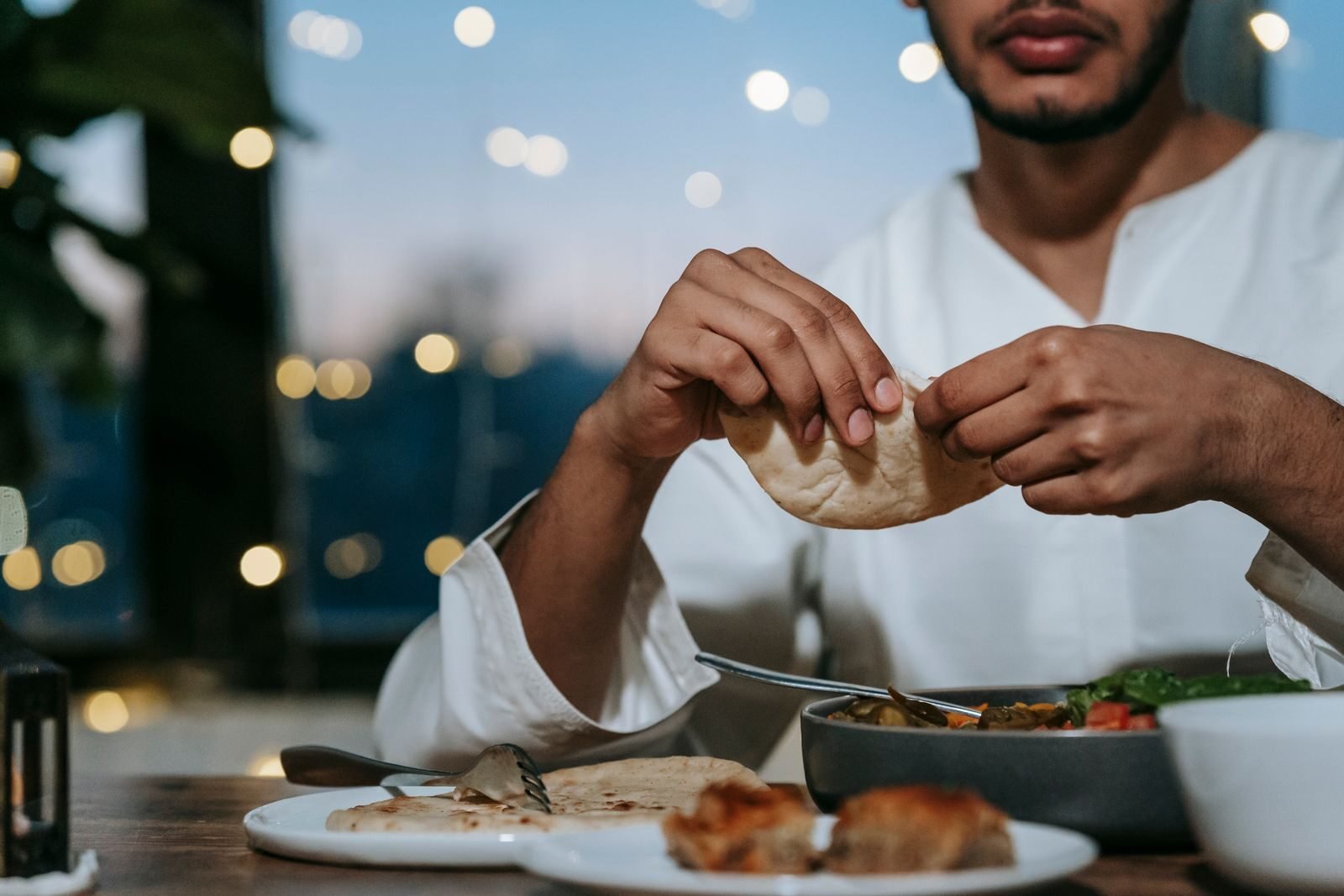
Halal food in Morocco is widely available, and Muslim travelers generally do not need to search for specialised halal restaurants to enjoy local meals. Traditional Moroccan restaurants, cafés, street-food stalls and local butchers generally follow Islamic dietary practices, making halal food part of everyday life.
However, not every food product or establishment is automatically halal. Some international restaurants, imported packaged foods and upscale hotels may require additional checks. Alcohol is also available in certain restaurants and hotels, although it is uncommon in traditional Moroccan dining establishments.
For families visiting Morocco, understanding these differences makes it easier to choose restaurants, accommodation and meals that meet their dietary preferences.
What You Need to Know:
- Halal food is the norm in traditional Moroccan restaurants, local cafés and markets.
- Beef, lamb and chicken sold through ordinary local supply channels are generally considered halal.
- Pork is uncommon but can be found in some specialised shops and supermarket sections
- Alcohol is more commonly available in certain international hotels and upscale restaurants than traditional Moroccan establishments.
- McDonald’s, KFC and Burger King serve halal meat in their Moroccan branches, according to our local professional knowledge.
- Traditional Moroccan cuisine offers plenty of meat-based and vegetarian choices.
- Imported sweets, desserts and processed foods are worth checking if you follow particularly strict halal requirements.
Is All Food in Morocco Halal?
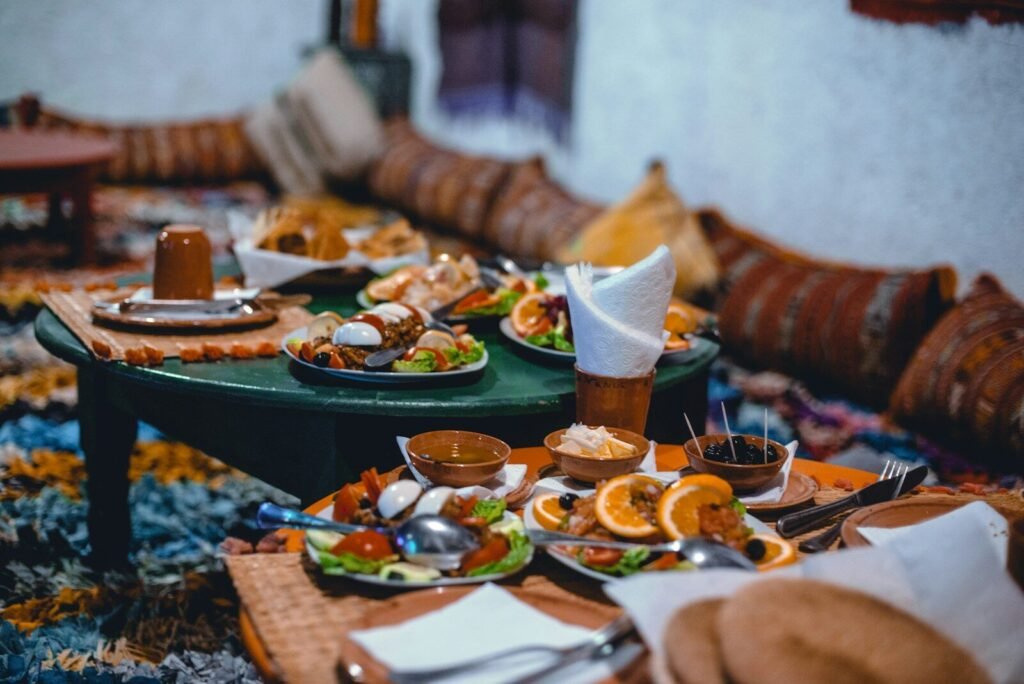
Most everyday food served in Morocco is halal, particularly in traditional Moroccan restaurants, local cafés, markets and family-run establishments.
Morocco’s predominantly Muslim population and Islamic food traditions influence everyday food preparation. Pork is not part of traditional Moroccan cuisine, and meat from ordinary local suppliers generally follows halal slaughter practices.
However, saying that absolutely everything in Morocco is halal would be inaccurate. Imported packaged foods, certain international establishments and specialised shops can offer products that do not meet every Muslim traveler’s dietary requirements.
The practical answer is that finding halal meals is generally straightforward, but visitors with strict requirements should check individual products and establishments when necessary.
Why Is Halal Food the Norm in Morocco?
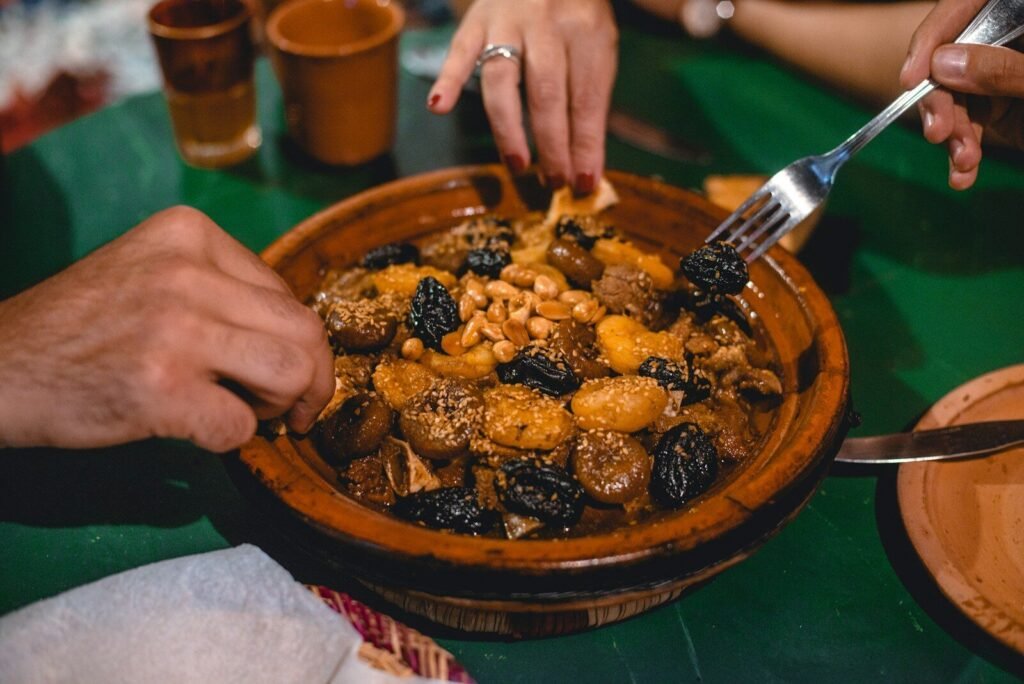
Islam has a major influence on Moroccan food culture. Traditional meals are commonly prepared using beef, lamb, chicken, vegetables, legumes and locally sourced ingredients.
Unlike destinations where Muslim visitors must specifically search for halal-certified restaurants, Moroccan travelers generally find halal food through ordinary local restaurants and markets.
Most traditional establishments do not display a halal sign because it is generally understood that their food follows local dietary practices.
Morocco also has a formal halal certification system managed by IMANOR. Its Halal Morocco label is based on the national standard NM 08.0.800 and involves audits and ongoing monitoring.
Is Meat in Morocco Zabihah?
Meat sold through ordinary Moroccan butchers, markets and traditional restaurants is generally considered halal and follows local Islamic slaughter practices.
However, travelers should understand the distinction between customary halal practices and independently documented certification.
Beef and lamb
Beef and lamb are widely used in Moroccan cooking. They appear in tagines, couscous, grilled meat dishes and traditional family meals.
Chicken and poultry
Chicken is another common choice, particularly in tagines, grilled dishes and traditional home cooking.
Local butchers and markets
Fresh meat from ordinary local butchers is generally sourced through Morocco’s established halal supply channels. Visitors who want additional reassurance can ask the butcher or restaurant about sourcing.
Halal practices versus certification
Halal meat doesn’t automatically mean a restaurant has its own halal certificate. Morocco’s IMANOR certification covers only specific products, services, and sites, and its public register shows which businesses and products carry the label. Here are the companies that currently hold a halal certificate:
Where Might Travelers Encounter Non-Halal Food?
Most traditional Moroccan restaurants are straightforward choices for Muslim travelers.
Exceptions are more likely in establishments catering to international customers, particularly certain upscale restaurants, hotels and specialised food businesses.
These establishments may have different menus, imported products or separate food offerings.
This does not mean their meat is automatically non-halal. It simply means that travelers with specific requirements may want to ask about individual ingredients and suppliers.
Is Pork Available in Morocco?
Pork is not part of traditional Moroccan cuisine, and it is relatively uncommon compared with beef, lamb and chicken.
However, visitors can find pork products in some specialised shops and certain supermarket sections, particularly in larger cities.
Large supermarkets such as Marjane and Carrefour may stock imported products alongside local groceries.
Some supermarkets also have separate sections for products such as pork and alcohol. Families who avoid these products can simply choose ordinary local food sections and traditional Moroccan shops.
Alcohol in Moroccan Restaurants and Food
Alcohol is available in Morocco, but it is not commonly served in traditional Moroccan restaurants.
It is more likely to be found in certain upscale restaurants, international hotel groups and licensed establishments.
Traditional riad dining and ordinary local restaurants generally offer meals without alcohol.
It is important to distinguish between a restaurant serving alcohol and food containing alcohol. A hotel restaurant may offer alcoholic beverages while still using halal meat.
For travelers who avoid alcohol entirely, it is reasonable to ask whether wine, spirits or alcohol-based ingredients are used in particular dishes or sauces.
Are Riads and Hotels in Morocco Halal-Friendly?
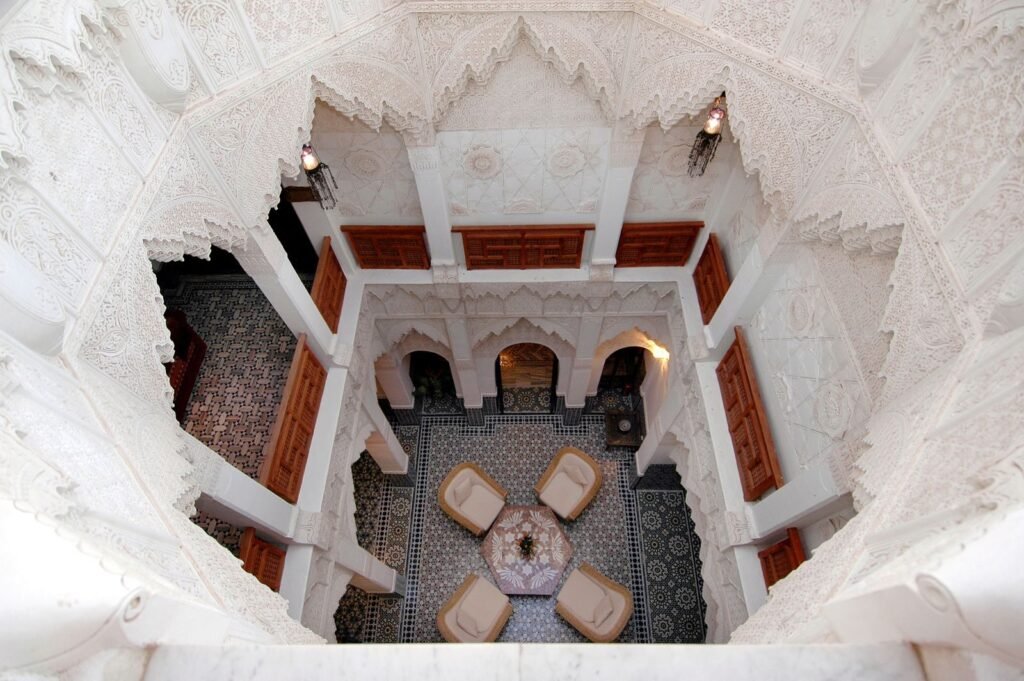
Many traditional Moroccan riads do not serve alcohol, making them suitable options for families who prefer an alcohol-free dining environment. However, this is not universal. Some upscale riads and boutique hotels, particularly in Marrakech, may hold licences to serve alcohol.International hotel groups can also offer alcoholic beverages through their restaurants and bars.
Before booking, families who prefer completely alcohol-free accommodation should ask the property directly.
Useful questions include:
- Does the property serve alcohol?
- Is alcohol available in the restaurant or minibar?
- Can breakfast and other meals be prepared without alcohol-based ingredients?
- Are there suitable traditional Moroccan meals for children?
Choosing accommodation based on these preferences is usually easier than assuming every riad follows the same policy.
Is McDonald's, KFC and Burger King Halal in Morocco?
International fast-food restaurants can be convenient alternatives for families who want a familiar meal during their trip.
According to our local professional knowledge, McDonald’s, KFC and Burger King serve halal meat in their Moroccan branches.
What about McDonald's?
McDonald’s Morocco explicitly states on its official website that the meat served in its restaurants is halal-certified. It also describes independent supplier audits and controls relating to halal slaughter.
What about KFC and Burger King?
Our professional understanding is that both chains serve halal meat in Morocco.
This is useful for families looking for familiar meals in major cities, shopping centres and other urban locations. However, publicly available certification information is not equally detailed for all three chains.
Travelers who require documentary confirmation for a particular product can ask the branch about its current meat sourcing and certification.
Is Street Food in Morocco Halal?
Yes, street food is generally halal in Morocco.
Popular choices include grilled meat skewers, sandwiches, msemen, harira and other traditional snacks sold in local markets and neighbourhood food stalls.
Street food is an important part of everyday Moroccan food culture, and Muslim travelers generally do not need to avoid it because of halal concerns.
The more practical consideration is hygiene.
Choose busy stalls with a steady flow of customers, freshly prepared food and ingredients that are handled and stored appropriately. Families traveling with young children may prefer freshly cooked meals rather than food that has been sitting out for long periods.
Buying Halal Food in Moroccan Supermarkets
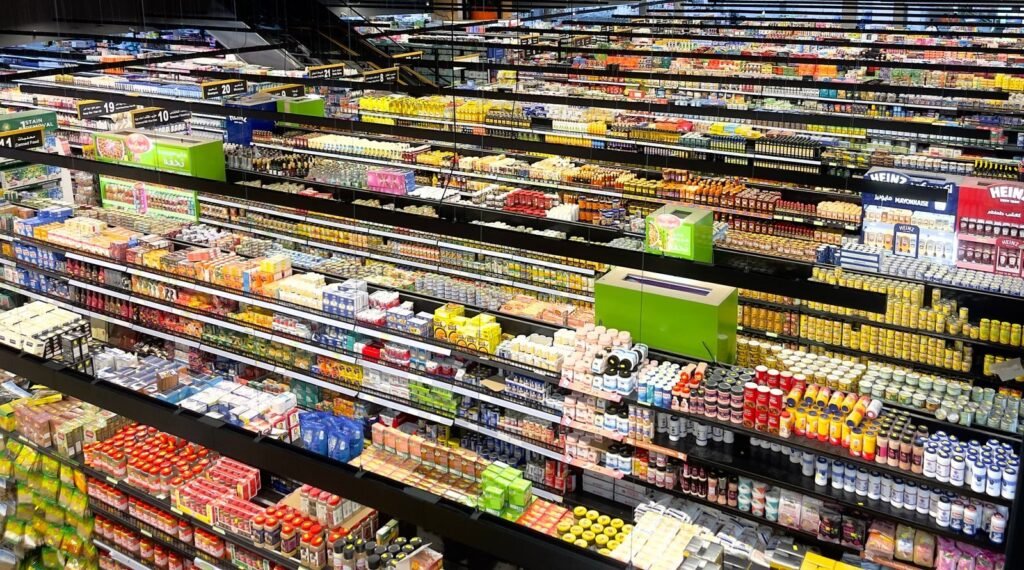
Buying everyday groceries in Morocco is generally straightforward.
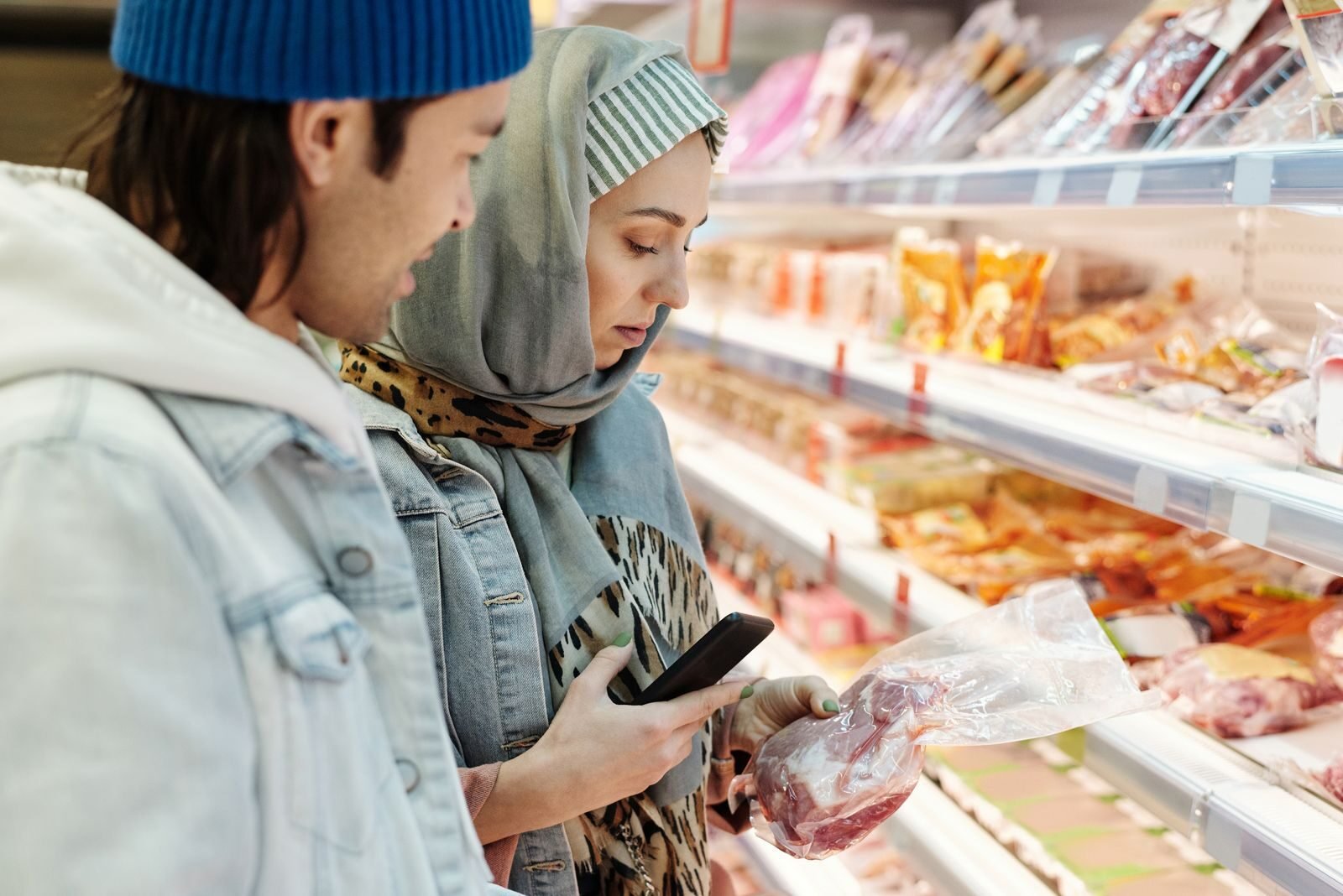
Supermarkets such as Marjane and Carrefour offer fresh meat, chicken, packaged food, dairy products, snacks and other everyday essentials.
Local products are generally easier to assess than imported processed foods.
For travelers with strict dietary requirements, some ingredients are worth checking:
- Gelatin: May be present in sweets, marshmallows, yogurts and desserts.
- Animal rennet: Used in some cheeses.
- Lard: Can appear in certain imported pastries and baked goods.
- Vanilla extract: Some formulations contain alcohol.
- Food colouring E120: Carmine is derived from insects and may matter to travelers following particular halal interpretations.
These ingredients do not mean that all imported products are unsuitable. They are simply examples of why checking packaging can be helpful.
IMANOR also publishes a register of businesses holding the Halal Morocco label. Certification applies to the products and sites specified in the register rather than automatically covering everything a company sells.
Traditional Moroccan Halal Dishes to Try
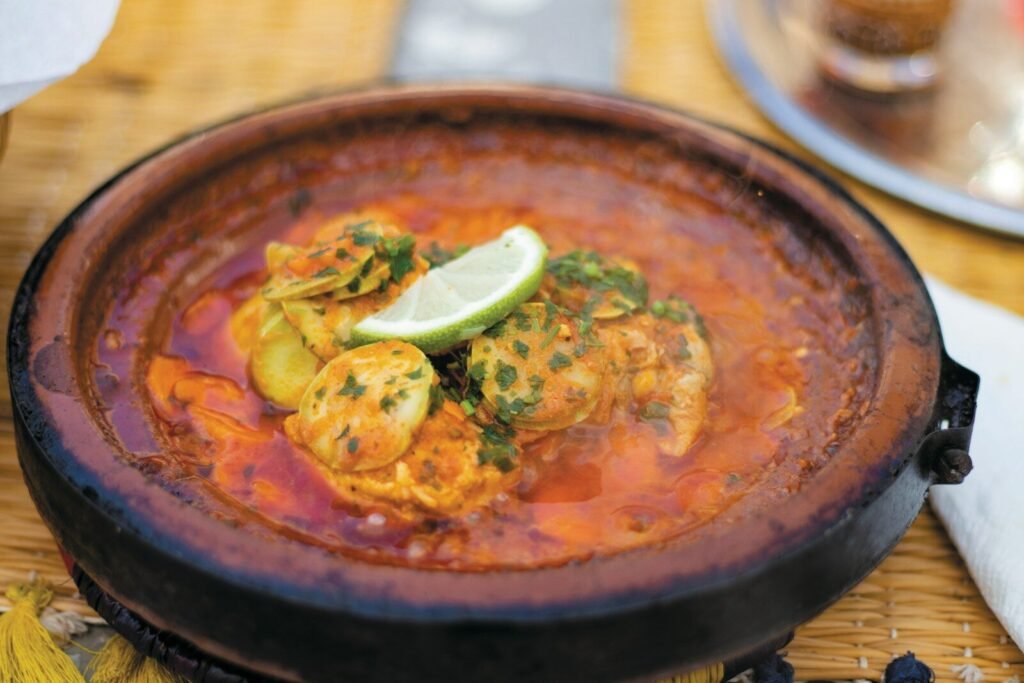
Moroccan cuisine offers a wide selection of traditional dishes that Muslim travelers can enjoy.
Some popular choices include:
- Chicken tagine: Chicken slowly cooked with spices, preserved lemons, olives or vegetables.
- Beef or lamb tagine: A traditional slow-cooked dish prepared with vegetables, spices and sometimes dried fruit.
- Couscous: Steamed semolina traditionally served with vegetables and meat.
- Harira: A hearty tomato-based soup with lentils, chickpeas and herbs.
- Pastilla: A layered pastry commonly filled with seasoned chicken or pigeon, almonds and spices.
- Rfissa: A traditional dish of chicken, lentils and fenugreek served over shredded msemen.
- Méchoui: Slow-roasted lamb traditionally served with cumin and salt.
- Bissara: A thick fava bean soup often served with olive oil and cumin.
- Zaalouk: A cooked eggplant and tomato salad.
- Taktouka: A cooked salad made with peppers and tomatoes.
Other popular foods include briouats, khobz, msemmen, baghrir and chebakia.
Families with children who prefer simpler meals can also find grilled meat, vegetable dishes, bread and soups in many traditional restaurants.
Vegetarian Moroccan Food and Alternatives
Travelers who do not want meat can still enjoy a variety of Moroccan dishes.
Vegetable tagine, bissara, zaalouk, taktouka and other cooked salads are widely recognised parts of Moroccan cuisine.
Fresh bread, lentils, chickpeas and vegetable-based soups also provide alternatives.
For families, this is useful when children have different food preferences or do not enjoy a particular meat dish.
However, vegetarian does not automatically mean halal for every traveler. Those with strict requirements should still check cooking ingredients, sauces and preparation methods.
What Are Some Non-Alcoholic Moroccan Drinks?
Morocco has several traditional drinks that families can enjoy throughout their trip.
- Maghrebi mint tea: Green tea brewed with fresh mint and sugar. It is one of the country’s most familiar drinks.
- Moroccan spiced coffee (Qahwa Ma’atra): Coffee prepared with spices such as cinnamon, ginger, cardamom, nutmeg and black pepper.
- Avocado juice: A thick smoothie made with avocado, milk and sugar, sometimes combined with almonds or orange blossom water.
- Almond juice: A milk-like drink made with ground almonds, milk, sugar and orange blossom water.
- Fresh orange juice: Freshly squeezed orange juice is widely available, particularly in markets and cafés.
- Pomegranate juice: A seasonal fruit drink with a naturally tart flavour.
- Sugarcane juice: A sweet drink made by pressing fresh sugarcane.
- Lben: A traditional fermented buttermilk drink commonly served alongside couscous.
- Zaazaa: A rich avocado-based smoothie topped with ingredients such as fruit, nuts, chocolate and biscuits.
These drinks are useful alternatives for travelers who do not consume alcoholic beverages.
Eating in Morocco During Ramadan
Ramadan can change restaurant opening hours and everyday dining routines across Morocco.
Many local restaurants close during daylight hours or open later in the afternoon, while some tourist-oriented establishments continue serving visitors.
After sunset, families gather for iftar, the meal that breaks the daily fast. Harira, dates, chebakia and other traditional foods are commonly associated with this meal.
Travelers visiting during Ramadan should plan daytime meals ahead, particularly when traveling with young children or grandparents who need regular meals.
Not every restaurant follows the same schedule, so it is sensible to check opening arrangements before setting out.
Practical Halal Food Advice for Families Visiting Morocco
For most Muslim families, eating in Morocco is relatively straightforward.
There is generally no need to bring large quantities of food from home or search exclusively for restaurants advertising themselves as halal.
Traditional Moroccan restaurants and local cafés offer plenty of suitable choices.
A few practical considerations can make family meals easier:
- Ask about alternatives: If children dislike a particular dish, restaurants often have other options such as grilled chicken, vegetables, bread or simple tagines.
- Choose busy street-food stalls: High customer turnover and freshly prepared food are useful hygiene considerations.
- Check imported products: Read labels when buying packaged sweets, desserts and other processed foods.
- Ask accommodation providers: Families who prefer alcohol-free properties should confirm the hotel’s policy before booking.
- Plan during Ramadan: Restaurant opening hours may change, so arrange meals in advance.
- Communicate strict requirements: If a family has specific concerns about ingredients, slaughter certification or food preparation, explain these requirements before ordering.
For families traveling with different food preferences, Morocco generally offers enough variety to make everyday meals manageable without complicated arrangements.
Conclusion
Halal food in Morocco is generally easy to find because it is part of everyday Moroccan food culture. Traditional restaurants, local butchers, cafés and street-food stalls normally serve food prepared according to local Islamic dietary practices.
Muslim families can enjoy traditional dishes such as tagine, couscous, harira and rfissa, alongside vegetarian meals and a wide selection of non-alcoholic drinks.
The main situations requiring additional attention are imported packaged foods, certain international establishments and accommodation preferences concerning alcohol.
With a little preparation where necessary, families can enjoy Morocco’s food culture without making halal dining a complicated part of their holiday.
If you are planning a family holiday in Morocco, Morocco Family Vacation can help organise a private itinerary around your family’s food preferences, accommodation needs and travel arrangements.
Frequently Asked Questions
Our dedicated team is here to answer your Morocco Family Travel questions and ensure a smooth, memorable journey through Morocco.
Is all food in Morocco halal?
Most everyday food in Morocco is halal, particularly in traditional restaurants, local cafés, markets and butcher shops. However, imported packaged foods and some international establishments may offer products that require additional checks.
Is meat in Morocco slaughtered according to Islamic requirements?
Meat from ordinary local supply channels generally follows Islamic slaughter practices. Morocco also operates a formal halal certification system through IMANOR. Travelers requiring independent certification should check the specific supplier or product.
Is McDonald's halal in Morocco?
Yes. McDonald’s Morocco confirms that its meat is halal-certified and that its suppliers undergo independent certification audits. KFC and Burger King also serve halal meat in their Moroccan branches, according to local industry knowledge.
Can you find pork in Morocco?
Yes, although pork is uncommon in traditional Moroccan food culture. It can be found in certain specialised shops and supermarket sections, particularly in larger cities.
Do traditional Moroccan restaurants serve alcohol?
Alcohol is uncommon in traditional Moroccan restaurants. It is more frequently available in certain upscale restaurants, licensed establishments and international hotels. Travelers who prefer alcohol-free dining can ask about the restaurant’s policy before visiting.
Table of Contents
-
Private Family Tours
-
Custom Itineraries
-
Sahara Desert Tours
-
Chefchaouen & Northern Morocco Tours
-
Luxury Desert Camping
-
Multi-Day Tours (2–16 Days)
-
Atlas Mountains Trips
-
Cooking Classes & Market Visits
-
Photography & Heritage Tours
-
Airport Transfers & Private Transport
-
Custom Birdwatching Tour in Morocco
-
24/7 Tour Support & booking Flexibility

At Morocco Family Vacation, we create custom Morocco tour packages designed around your interests and travel style. As a dedicated and independent travel agency, we specialize in private Morocco tours offering memorable desert adventures, cultural experiences, and family friendly itineraries while delivering attentive, personalized service from start to finish.