
Atlas Mountains Weather December
Atlas Mountains Weather December – Is Winter a Good Time to Visit?
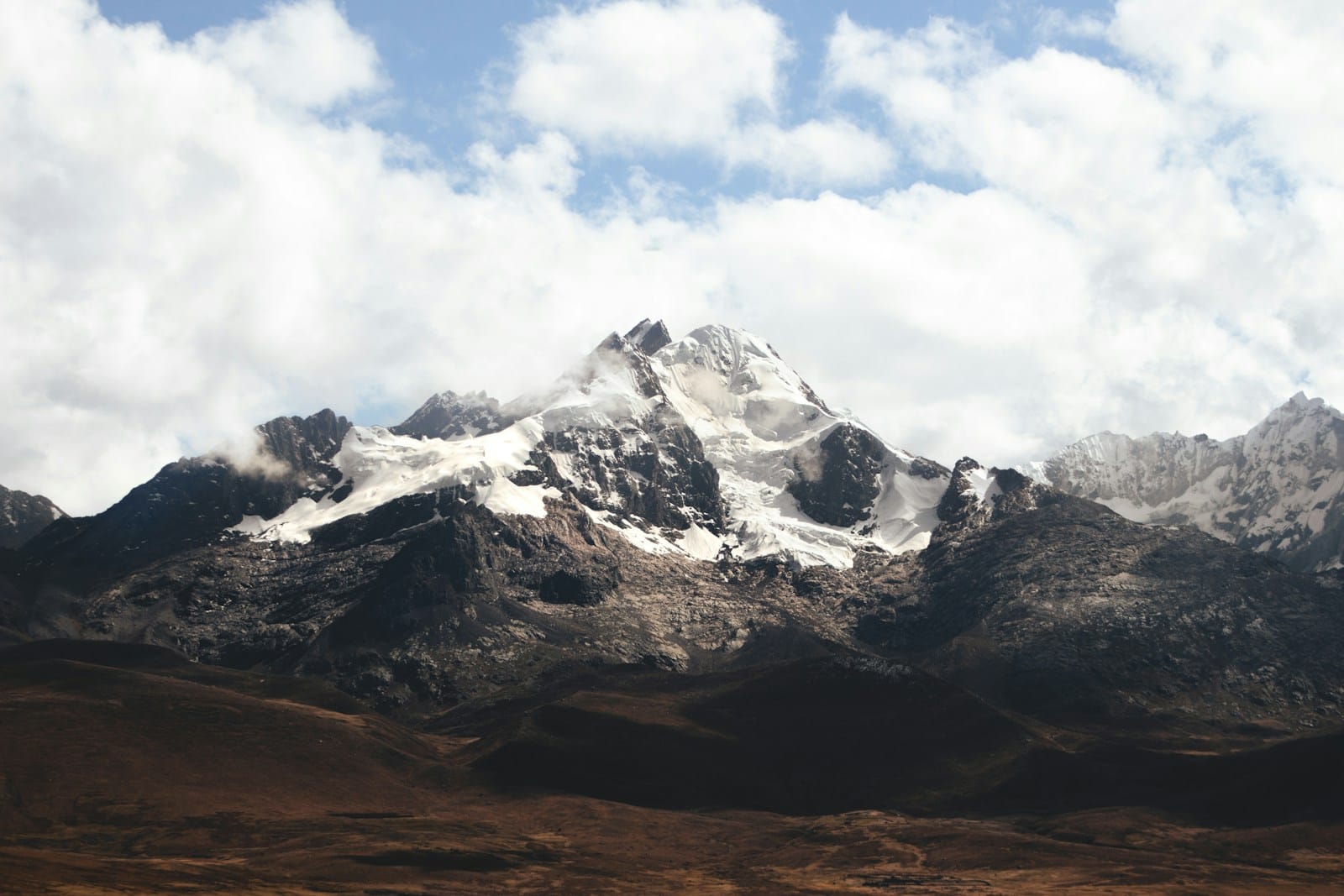
Travelers planning a winter adventure in Morocco must understand how Atlas Mountains weather December shapes the experience of the country’s most dramatic landscapes. Unlike Morocco’s coastal regions or Sahara Desert, December in the Atlas Mountains ushers in crisp winter conditions, with cooler daytime temperatures, colder nights, and the increasing likelihood of snow at higher elevations. These weather patterns influence everything from accessibility on high mountain passes to the type of activities you can enjoy, such as trekking, snow scenery viewing, or skiing.
This guide provides a comprehensive, traveler-focused look at what to expect from the Atlas Mountains’ climate in December. You’ll find detailed climate data, altitude-specific tips, safety advice, activity recommendations, and practical packing suggestions tailored to winter travelers. Along the way, we explain how December conditions compare to other Moroccan regions, how weather affects mountain access routes, and how to plan a fulfilling winter itinerary. Whether you’re considering gentle hikes in snow-dusted valleys or exploring cultural sights against a dramatic mountainous backdrop, this article equips you with the essential insights needed to confidently plan your December trip.
Overview: Atlas Mountains Weather in December
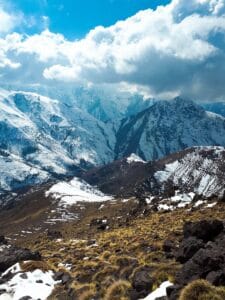
The Atlas Mountains stretch across central Morocco and encompass several ecological zones from foothills near Marrakech to high peaks and snow-prone ridges. In December, the range experiences a pronounced shift toward winter patterns. At lower and mid elevations, daytime temperatures may remain relatively mild, while nights are significantly colder. Higher elevations often see snow accumulation and sub-freezing nights.
Forecast data indicates December is one of the coldest months of the year in the Atlas Mountains, with average temperatures beginning to decline sharply and precipitation increasing. Snow becomes common at higher altitudes, transforming the terrain into a winter landscape that appeals to snow seekers and nature lovers alike.
Planning a longer trip in Morocco? Explore our detailed guides such as
Climate Averages
General Temperature Patterns
In December, the Atlas Mountains’ daytime highs generally range from about 10°C to 15°C (50°F to 59°F) depending on elevation, while nighttime lows often drop close to freezing or below, particularly in the higher regions.. These averages reflect a clear seasonal shift, where the mountains move from mild fall conditions to true winter climate.
Precipitation and Snowfall
December is among the wetter months in the Atlas region. Although precipitation totals are moderate (around 24 mm on average), a significant portion falls as snow at high elevations. Snowfall enhances the region’s winter charm and supports seasonal activities such as skiing in resort areas like Oukaïmeden.
Sunshine and Daylight
Sunshine hours decrease in December across Morocco due to shorter days after the winter solstice. In the Atlas Mountains, travelers can expect around 5–6 hours of sunlight per day, which means planning outdoor activities around daylight is essential.
Atlas Mountains Morocco December Weather
The Atlas Mountains Morocco December weather is cold, seasonal, and very different from cities like Marrakech. In December, daytime temperatures in the High Atlas Mountains typically range between 5–12°C (41–54°F) depending on altitude, while nighttime temperatures often drop below freezing, especially in higher villages such as Imlil.
December marks the beginning of the snow season in the Atlas Mountains. Snowfall is common at elevations above 1,800–2,000 meters, particularly in the High Atlas, including areas near Mount Toubkal. This makes December a popular time for travelers interested in snowy mountain scenery, winter hiking (with proper gear), and cultural village experiences rather than high-altitude trekking.
Weather conditions can vary significantly by region. The High Atlas experiences colder temperatures and regular snowfall, while the Middle Atlas is also cold and known for snow near towns like Ifrane and Azrou. In contrast, the Anti-Atlas remains milder and drier, with cool but more stable winter weather.
Rainfall in December is moderate, and clear, sunny days are common between weather systems. However, sudden temperature drops and snow can affect mountain roads, so travelers should plan flexible itineraries and check local conditions before visiting.
In summary: December in the Atlas Mountains offers cold days, freezing nights, and frequent snow at higher elevations. It’s an excellent time for winter landscapes, cultural stays, and scenic excursions but requires warm clothing and thoughtful planning.
Temperature Breakdown by Altitude
Lower Foothills and Villages
At lower elevations near foothills, such as around Imlil or traditional Atlas villages, daytime temperatures may reach up to 15°C (59°F), making daytime exploring comfortable. Despite moderate days, nights fall quickly to temperatures near freezing, so layering warm clothing is critical for night activities or early mornings.
High Altitude Areas
As you ascend above 2,000 meters, temperatures can be significantly colder, especially at night, frequently dipping below 0°C (32°F). Snow is typical in these zones, creating a winter landscape that both fascinates and challenges visitors.
Snow in December
Snow transforms the Atlas Mountains into one of Africa’s most unexpected winter destinations. In areas such as Oukaïmeden home to one of Africa’s few ski resorts snowfall in December is common, opening up opportunities for winter sports earlier in the season.
At lower elevations, snow may be lighter or occasional, but higher ridges and passes tend to accumulate more consistent snow cover. These conditions make early December an ideal time for travelers who enjoy winter photography, winter hiking (with proper gear), or simply witnessing snow-capped panoramas.
Regional Weather Comparisons
Atlas Mountains vs Sahara Desert
While the Atlas Mountains turn chilly and snowy in December, the Sahara Desert region experiences a starkly different winter climate. Desert days can still feel mild and pleasant with temperatures around 20°C (68°F), but nighttime desert temperatures can drop sharply sometimes near freezing due to clear winter skies.
Atlas Mountains vs Coastal Cities
Coastal cities such as Casablanca and Rabat in December tend to have mild winters with daytime temperatures in the mid-teens and more frequent rainfall. In contrast, interior Atlas Mountain climate is colder and snowier, with clearer winter sunshine but significantly lower night temperatures.
Weather’s Impact on Trekking & Outdoor Activities
Hiking in Winter Conditions
Winter hikes in the Atlas Mountains can be both rewarding and challenging. Trails at lower altitudes may be slushy or wet, while higher paths can be icy or snow-covered. Adventurers should consider local guide services, which ensure safety and route familiarity.
Winter Safety Essentials
Winter hikes and treks in December require careful preparation. Cold temperatures and changing trail conditions necessitate sturdy footwear, thermal layers, and protective gear against wind and snow. Hydration and awareness of altitude effects also remain crucial for successful outings.
Driving & Accessibility
Mountain Pass Conditions
Mountain passes like Tizi n’Tichka, which rise above 2,200 meters, often face snow and ice in December. While not always closed, these conditions can slow travel and require winter driving experience or guided transport.
Book Your Family Adventure Now — Limited Spots Available!
Book Your Family Adventure Now — Limited Spots Available!
Seasonal Road Advice
Road access to remote areas in the Atlas during winter can depend heavily on weather systems. Travelers planning self-drive tours are advised to check local conditions regularly, as roads may temporarily become impassable during heavy snowfall.
What to Pack for December Weather
Clothing Essentials
Packing for Atlas Mountains weather in December means bringing layers that handle wide temperature swings. Essentials include:
Thermal base layers and fleeces
Insulated jackets and waterproof outerwear
Warm gloves, hats, and scarves
Waterproof, grippy hiking boots
Cold winds and snow can quickly lower perceived temperatures, so being layered improves comfort and safety.
Gear for Snow & Cold
Consider carrying:
Microspikes or crampons for icy trails
Insulated water bottles to prevent freezing
High-SPF sun protection (snow reflects sunlight)
Portable hand warmers for trekking
Adequate preparation deepens enjoyment and reduces risk in winter mountain environments.
Best Time for Activities in December
Snow Activities
Oukaïmeden and nearby resorts often host winter sports such as skiing and snowboarding in December due to consistent snow at higher elevations.
Sunset & Sunrise Viewing
Clear winter skies provide striking sunrise and sunset scenes over snow-topped peaks and valleys. Shorter daylight means planning these activities near midday for best light and warmth.
Need Help with Transportation in Morocco?
Book a reliable private driver for your Morocco family adventure today – personalized routes designed just for you, and get 30% off as a first-time visitor!
Sample 3-Day December Itinerary
Day 1: Arrival & Foothill Exploration
Arrive in Marrakech and head toward the foothills. Enjoy village walks, local cuisine, and acclimatize to cooler weather.
Day 2: High Atlas Adventure
Explore higher terrain, including scenic viewpoints and gentle trails. Consider a sunrise hike with a guide.
Day 3: Snow & Culture
Visit Oukaïmeden or nearby winter landscapes, then return to cultural sites or a hammam to warm up.
Quick Takeaways
Winter arrives in the Atlas Mountains in December, with cooler temperatures and snow at higher elevations.
Daytime highs average around 10°C–15°C, while nights often drop near or below freezing.
Snowfall enhances scenic quality and winter activities such as skiing.
Road and trail conditions vary, especially on high passes like Tizi n’Tichka.
Packing warm layers and winter gear remains essential for visitors.
Conclusion
Exploring the Atlas Mountains in December means embracing the region’s winter persona cool days, crisp nights, occasional snowfall, and breathtaking mountain landscapes. Whether you’re drawn by snow-covered peaks, winter hikes, or unique cultural experiences in Berber villages, understanding the climate helps plan a safer, more fulfilling visit. December presents a balance of seasonal tranquility and adventure, perfect for travelers seeking a winter escape with diverse weather and activity options.
Preparation is key: pack thoughtfully, stay informed about local conditions, and plan flexibility into your route to fully enjoy what the Atlas Mountains offer in this winter month. With the right strategy, winter in the Atlas becomes a memorable chapter in any Moroccan journey.
─── Your questions, our answers.
Frequently Asked Questions
Our dedicated team is here to answer your Morocco Travel questions and ensure a smooth, memorable journey through Morocco.
What are Atlas Mountains weather December Morocco temperatures like?
Daytime averages range from about 10°C to 15°C, while nighttime lows often dip below freezing, especially at higher elevations.
Does it snow in the Atlas Mountains in December?
Yes, snow typically falls in higher parts of the Atlas Mountains in December, making winter scenes and ski activities possible.
Is December a good time for trekking in the Atlas Mountains?
December can be ideal for experienced hikers with winter gear, while guided treks ensure safer and more rewarding experiences.
Are mountain roads accessible in December?
Roads like Tizi n’Tichka pass may face snow or ice, so always check current conditions before travel.
What should I pack for Atlas Mountains weather December?
Pack thermal layers, waterproof outerwear, insulated boots, and accessories like gloves and hats to stay warm and comfortable.

Kate Carter
Family Travel Blogger
Kate Carter is a mom and travel blogger who fell in love with Morocco’s culture and warmth. Through Morocco Family Vacation, she shares tips and stories to help travelers enjoy authentic, stress-free experiences. Join us along the way.
Table of Contents
Our Services
-
Private Family Tours
-
Custom Itineraries
-
Sahara Desert Tours
-
Chefchaouen & Northern Morocco Tours
-
Luxury Desert Camping
-
Multi-Day Tours (2–16 Days)
-
Atlas Mountains Trips
-
Cooking Classes & Market Visits
-
Photography & Heritage Tours
-
Airport Transfers & Private Transport
-
Custom Birdwatching Tour in Morocco
-
24/7 Tour Support & booking Flexibility
At Morocco Family Vacation, we create custom Morocco tour packages designed around your interests and travel style. As a dedicated and independent travel agency, we specialize in private Morocco tours offering memorable desert adventures, cultural experiences, and family friendly itineraries while delivering attentive, personalized service from start to finish.
Popular Tours
Latest Posts


get in touch
#chefchaouen morocco
#chefchaouen
#chefchaouen blue city
#chefchaouen blue city morocco
#Morocco Family Vacation