
Weather for Morocco in March
Weather for Morocco in March: Family Travel Guide
The weather for Morocco in March is one of the main reasons families pick this month over peak summer or deep winter. You get warm afternoons that feel a bit like coastal California in May, evenings cool enough to need a sweater, and just enough scattered rain to keep the landscapes green rather than dusty. For parents traveling with toddlers, school-age kids, or teenagers, that mix matters. Nobody wants to drag a three-year-old through 40°C desert heat or push a sulky teen through cold mountain drizzle for ten days straight.
This guide walks through what the weather for Morocco in March actually looks like, region by region, from the Atlantic coast to the Sahara. You’ll find honest temperature ranges, packing advice that works for kids, festival highlights, neighborhood ideas for where to stay, and answers to the questions parents keep asking before they book. By the end, you’ll know whether March fits your family and how to plan around the few weather quirks that catch first-time visitors by surprise.
Explore Our Winter-Friendly Morocco Tours
Atlas Mountains winter tours Discover Morocco’s top snowfall destinations, including Ifrane, Michlifen, and Oukaimeden, known for winter landscapes and seasonal activities.
Custom winter experiences Enjoy tailor-made itineraries designed around weather conditions, travel preferences, and personal interests for a comfortable and memorable winter trip.
Book your Morocco Family Vacation winter tour with local experts and experience a personalized journey through Morocco’s most beautiful snow-covered regions, making the most of your winter adventure with expert planning and local insight.
Quick Takeaways
- Mild, sunny, and family-friendly: Daytime temperatures sit between 15°C and 25°C (59°F to 77°F) in most cities, with cooler nights of 8°C to 14°C.
- Marrakech is warm and bright: Expect highs near 22 to 24°C (72 to 75°F) with crisp evenings, perfect for medina walks and Atlas day trips.
- Coastal cities stay cooler: Casablanca, Rabat, and Essaouira hover around 18 to 20°C (64 to 68°F) with breezy stretches.
- The Sahara hits its sweet spot: Daytime desert temperatures of 20 to 28°C, but pack a heavy jacket for icy nights under the stars.
- Rain is possible but rarely a problem: Mostly short showers in the north, with around 8 to 9 hours of sun a day.
- Pack in layers: Light shirts for day, a fleece for evening, and a waterproof shell if you’re heading to mountains or the north.
- Crowds are manageable: March falls between low-season quiet and peak-season chaos, so prices and queues stay reasonable.
Live Weather for Morocco in March Live Forecast + Tips
Weather for Morocco in March — Live Forecast
Real-time conditions and 7-day forecast for 6 major cities, March climate averages for 10 destinations, packing tips, and family tours for the quieter, cheaper end of the spring shoulder season.
Live forecast from Open-Meteo · Refreshed when widget opens
March Temperature Ranges
What to Pack for Morocco in March
Mid to heavy weight for cool evenings. Riads can feel cold inside — central heating is rare.
Long sleeves, fleece, jeans. Days are mild, mornings and nights properly chilly.
Compact umbrella or rain jacket. The north and mountains still see real rainy days.
Comfortable walking shoes. Medina cobbles get slick after spring showers.
For cold desert mornings, Atlas trips, and mosque visits. Pack both.
The southern and desert sun is still strong at midday, even when the air feels cool.
Family Morocco Tours for March Travelers
Custom private itineraries with trusted local guides, comfortable family-friendly stays, and pacing that fits March's quieter, blossoming early-spring rhythm. Pick your length, we shape the rest.
10 Day Morocco Tour from Casablanca
The compact family classic. Casablanca, Fes, Sahara, and Marrakech with breathing room for kids.
- Imperial cities + Sahara desert night
- Private driver, flexible pace
- Family-tested riads
11-Day Family-Friendly Tour from Casablanca
One extra day for slow mornings, hammam stops, and a deeper Sahara stay with the kids.
- Adds an Atlas mountain day
- Two nights in the Sahara region
- Cooking class option
12-Day Morocco Family Vacation
Imperial cities, the blue town of Chefchaouen, Sahara dunes, and Atlas valleys at a humane pace.
- Includes Chefchaouen
- Mid-trip rest day built in
- Private 4×4 for desert legs
14-Day Family Morocco Tour from Casablanca
The full Morocco picture without the rush. Coast, imperial cities, Atlas, Sahara, and a final unwind.
- Atlantic coast included
- Two desert nights, two Atlas nights
- Fully customizable to your dates
Climate averages reflect long-term March means for each location. Live forecast: Open-Meteo. © Morocco Family Vacation.
Is March a Good Time for Morocco?
Yes, March is one of the best months of the year to visit Morocco, especially for families. The weather across most of the country is mild, the spring landscape is greening up, and tourist crowds are still lighter than April and May.
Across cities like Marrakech, Fes, and Rabat, daytime temperatures usually land between 18°C and 24°C (64°F to 75°F), which is warm enough for outdoor exploring without the punishing heat that arrives by June. Evenings are cool but rarely cold, sitting around 10°C to 14°C. Rainfall does happen, mostly in short bursts in the north, but the month averages about 8 to 9 hours of daily sunshine. That balance makes March work well for both city sightseeing and a desert side trip.
However, if you’re traveling with toddlers or planning to camp in the Sahara, you’ll need to plan around two things: cold desert nights that can dip near freezing, and unexpected rain in coastal cities like Casablanca or Tangier. Atlas Mountain villages may still see snow at higher altitudes, so anything above 2,000 meters needs warmer gear. Easter sometimes lands in late March, which can push prices and crowds up for a few days.
Quick practical takeaways for families:
- Book Sahara camps that include heated tents or extra blankets for kids
- Bring a light rain jacket and a fleece for everyone, including toddlers
- Aim for the first three weeks of March if you want to avoid Easter price spikes
- Plan one slower coastal day after the desert to reset from temperature swings
- Choose riads with central heating or open fireplaces for chilly nights
If you want a hand pulling this together, the team at Morocco Family Vacation designs private family tours that account for weather, age of kids, and travel pace.
Understanding the Weather for Morocco in March
March in Morocco is a turning point. The cold and damp of January and February starts to lift, days get noticeably longer, and the country shifts into spring mode. The weather for Morocco in March reflects that transition: mild rather than hot, sunny most days, but with enough variability that you’ll want to plan for a wider range than a typical Mediterranean spring.
Across the country, average highs fall between 17°C and 25°C (63°F to 77°F) depending on where you are. Inland and southern cities run warmer. Coastal and mountain regions stay cooler. The sun is up for about 12 hours a day by late March, and you’ll typically get 8 to 9 hours of direct sunshine. Humidity is moderate and dry inland, slightly higher near the Atlantic.
Rainfall is the variable that surprises first-time visitors. March is historically one of the wetter months in Morocco, with about 35 mm of total rainfall on average in northern cities. That’s not enough to ruin a trip, but it justifies packing a light rain shell and one pair of waterproof shoes per person. Storms tend to arrive in short bursts rather than all-day downpours. By the last week of March, the rain often tapers off and afternoons start feeling like early summer.
How temperatures shift through the month
The first week of March still feels like late winter in northern Morocco, with chilly mornings around 7 to 9°C in Fes and Tangier. By mid-month, the warm-up is obvious, especially in Marrakech and the south. The final week often brings the first 25°C afternoons of the year. If you want the warmest, driest stretch, aim for the last ten days of March.
Day-night temperature swings
One of the biggest planning mistakes is underestimating how much the temperature drops after sunset. A 24°C Marrakech afternoon can become a 10°C dinner. The desert is worse, with 28°C dunes shifting to single digits overnight. Layering is not optional, especially for kids who lose heat faster than adults.
How Hot Is Marrakech in March? A Real Look
The simple answer: Marrakech in March is warm but not hot. Daytime highs sit around 22°C to 24°C (72°F to 75°F), with the occasional 26°C afternoon late in the month. Mornings start cool, often around 10°C to 12°C, and nights can drop near 8°C if the wind picks up from the Atlas. Compared to July, when the city regularly pushes past 38°C, March feels mild and easy to manage with kids.
The light in March is the part most people don’t expect. The sun is bright but the angle is still soft, which means medina walls glow orange in the late afternoon and the photos in Jemaa el-Fna look like someone added a filter. The weather for Morocco in March gives you long, comfortable walking days without the head-spinning summer heat that sends families retreating to their riads by 11 a.m.
A typical pacing for a Marrakech day
Mornings are crisp enough that you’ll want long sleeves for breakfast on the terrace. By 10 a.m., the sun has the courtyards warm. From late morning until about 5 p.m., you can wander the souks, sit in the Jardin Majorelle, or take kids to the Menara Gardens without overheating. Evenings cool quickly, so plan sweaters at sunset dinners.
Rain in Marrakech
Marrakech does see rain in March, but not a lot. The city averages around 30 mm for the month, usually delivered in two or three short storms. Streets dry quickly in the medina, and rooftop restaurants reopen within hours. Carry a small folding umbrella in your day bag and you’ll be fine. If your family is heading to the High Atlas from Marrakech, expect a 10 to 15°C temperature drop the moment you climb above the foothills. Pack accordingly even for a day trip.
Casablanca, Rabat, and the Atlantic Coast
Coastal Morocco in March feels a lot like Lisbon in early spring. Casablanca daytime temperatures hover between 17°C and 20°C (63°F to 68°F), and the wind off the Atlantic keeps things feeling cooler than the thermometer suggests. Rabat runs almost identical. Both cities see more rainfall than inland Morocco, around 40 mm in March, with cloudy stretches more common than in Marrakech.
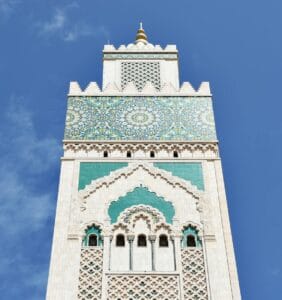
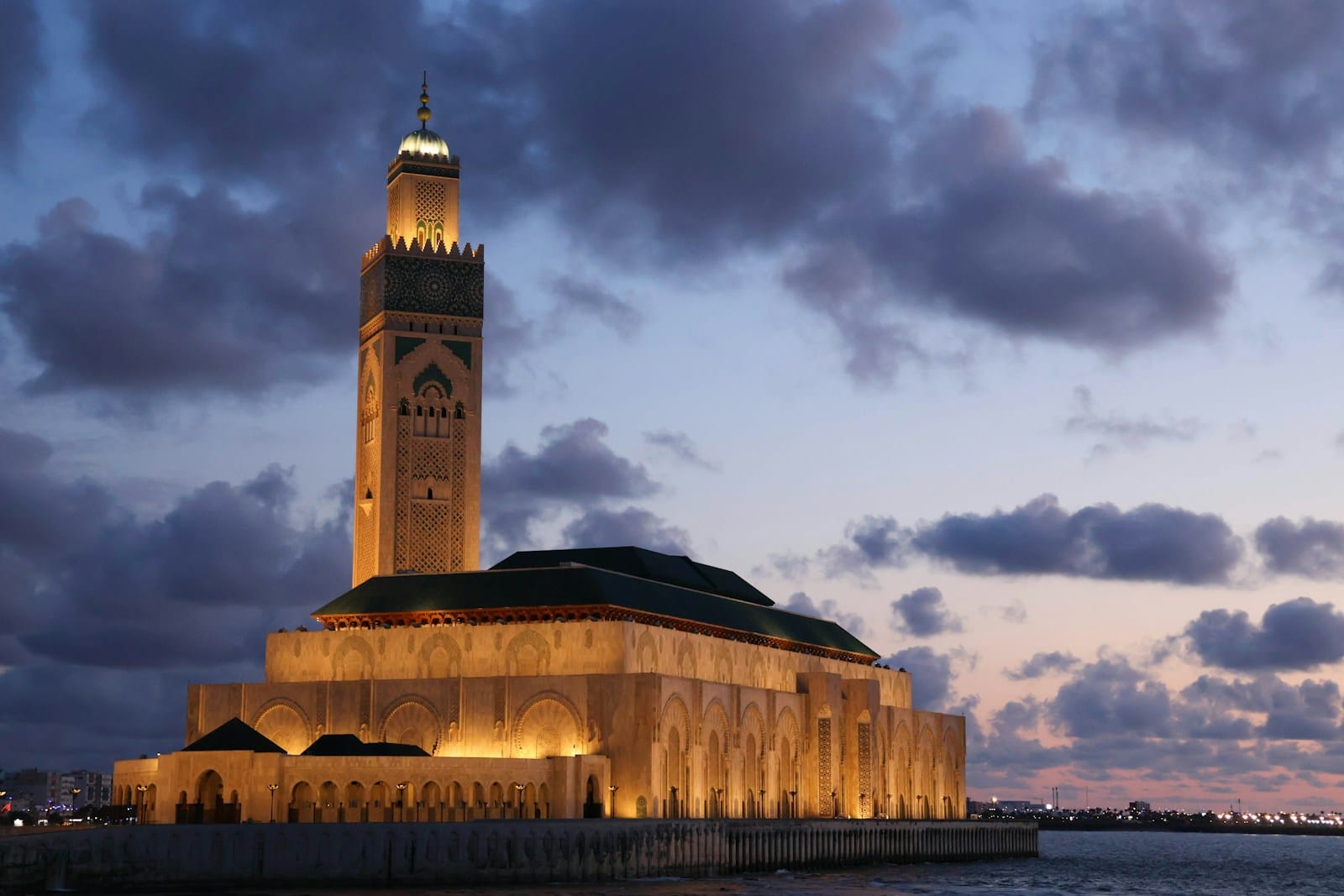
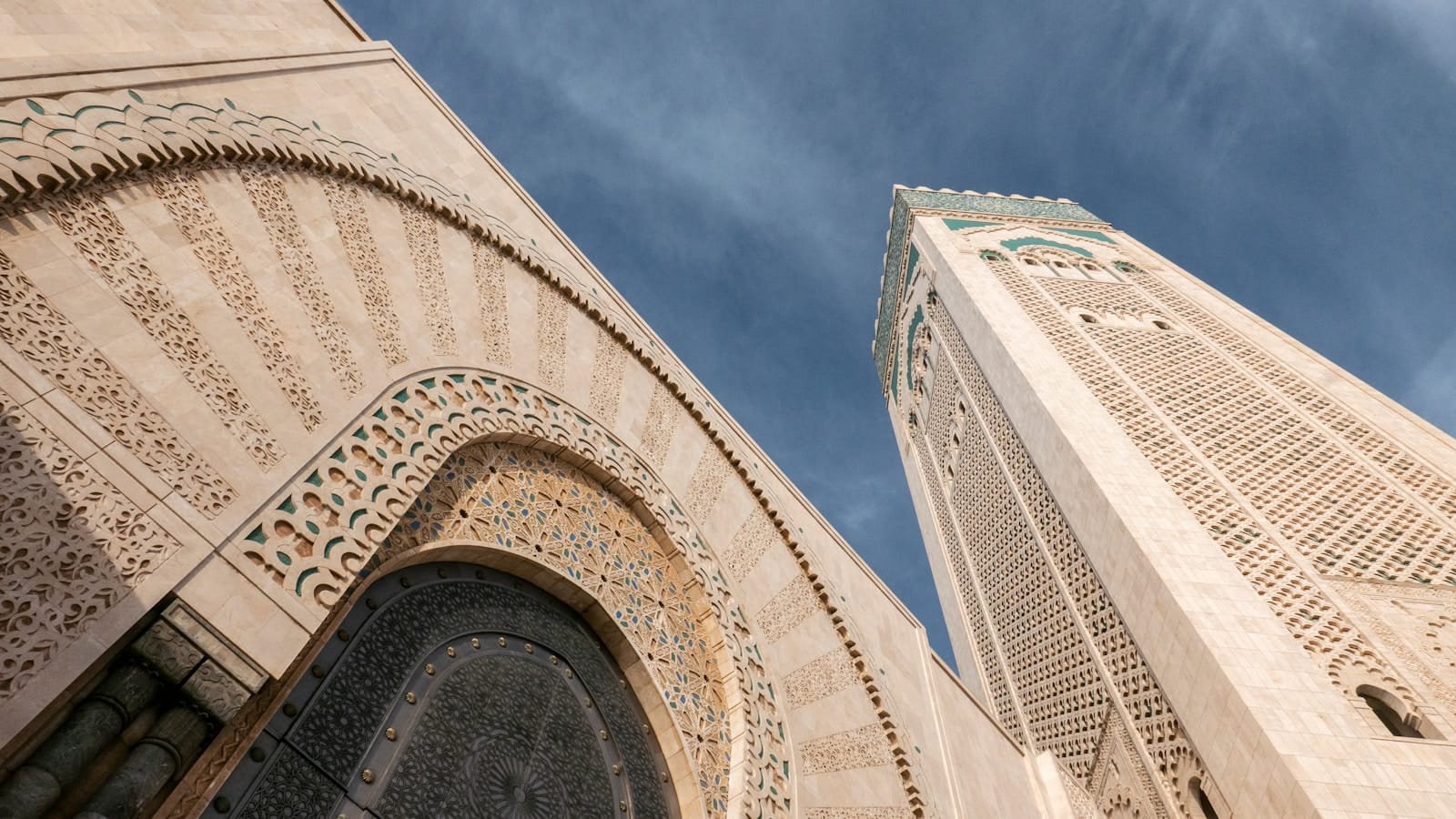
If your family is including Casablanca on the itinerary, plan it as a one or two night stop rather than a long stay. The Hassan II Mosque tour is worth the trip, the Corniche is great for a run-around with kids, and the Old Medina is small enough to handle in a single afternoon. The weather for Morocco in March can treat coastal cities a bit roughly compared to inland, so don’t be shocked if you trade a sunny Marrakech morning for a gray, breezy Casablanca afternoon.
Essaouira and the windy Atlantic
Essaouira is the wind capital of Morocco’s coast. In March, daytime highs reach about 19°C (66°F) with very low humidity and a steady breeze off the ocean. Locals call this wind the alizé. For kids, this means kite surfing lessons, beach soccer, and walks along the ramparts where the spray actually hits you. The breeze keeps the medina cool even on sunny days, so bring a fleece.
Agadir for warmer beach days
If beach time is the priority and you don’t mind a longer drive south, Agadir is your warmest coastal pick in March. Daytime highs reach 21°C to 22°C (70°F to 72°F), with calmer winds and longer sunny stretches than Essaouira. The sand stays warm in the afternoon, and the boardwalk is set up for families with playgrounds and easy strolling. The weather in Casablanca Morocco in March and Rabat both call for layers, a windbreaker, and shoes that handle the occasional wet sidewalk.
Fes, Meknes, and the Imperial Cities
Fes and Meknes sit inland on a high plateau, which gives them a colder, drier feel than coastal Morocco in March. Daytime temperatures in Fes range from 15°C to 22°C (59°F to 72°F), with mornings often around 7°C in the first half of the month. The medina, with its narrow alleys and tall walls, holds the cool air well into late morning, then warms up rapidly once the sun clears the rooftops.
This is one of the better months to visit Fes with kids. The summer heat that makes the tanneries unbearable hasn’t arrived yet. The crowds are lighter than April. And the gardens at Jnan Sbil are beginning to bloom. Plan one full day inside the medina, a half-day around the Royal Palace gates and the Mellah, and an afternoon at the Bou Inania Madrasa.
What rain looks like in Fes
Fes sees similar rainfall to the coast in March, around 35 to 40 mm spread across the month. The medina’s drainage is centuries old and works surprisingly well, but the tile floors get slippery fast. Pack shoes with grippy soles, especially for kids running through the souks.
Side trips from Fes
Volubilis, the Roman ruin site, is a 90-minute drive from Fes and one of the best March activities for families. The weather for Morocco in March makes Volubilis comfortable to wander, with warm sun on the mosaics and very few crowds. Meknes itself is a quick detour on the way back, with the Bab Mansour gate and the underground granaries that kids find genuinely impressive.
Ready to Start Your Morocco Journey?
Book your trip today with our expert planners, enjoy personalized itineraries tailored to your flights and travel needs, and claim 30% off as a first-time visitor!
Merzouga and the Sahara in March
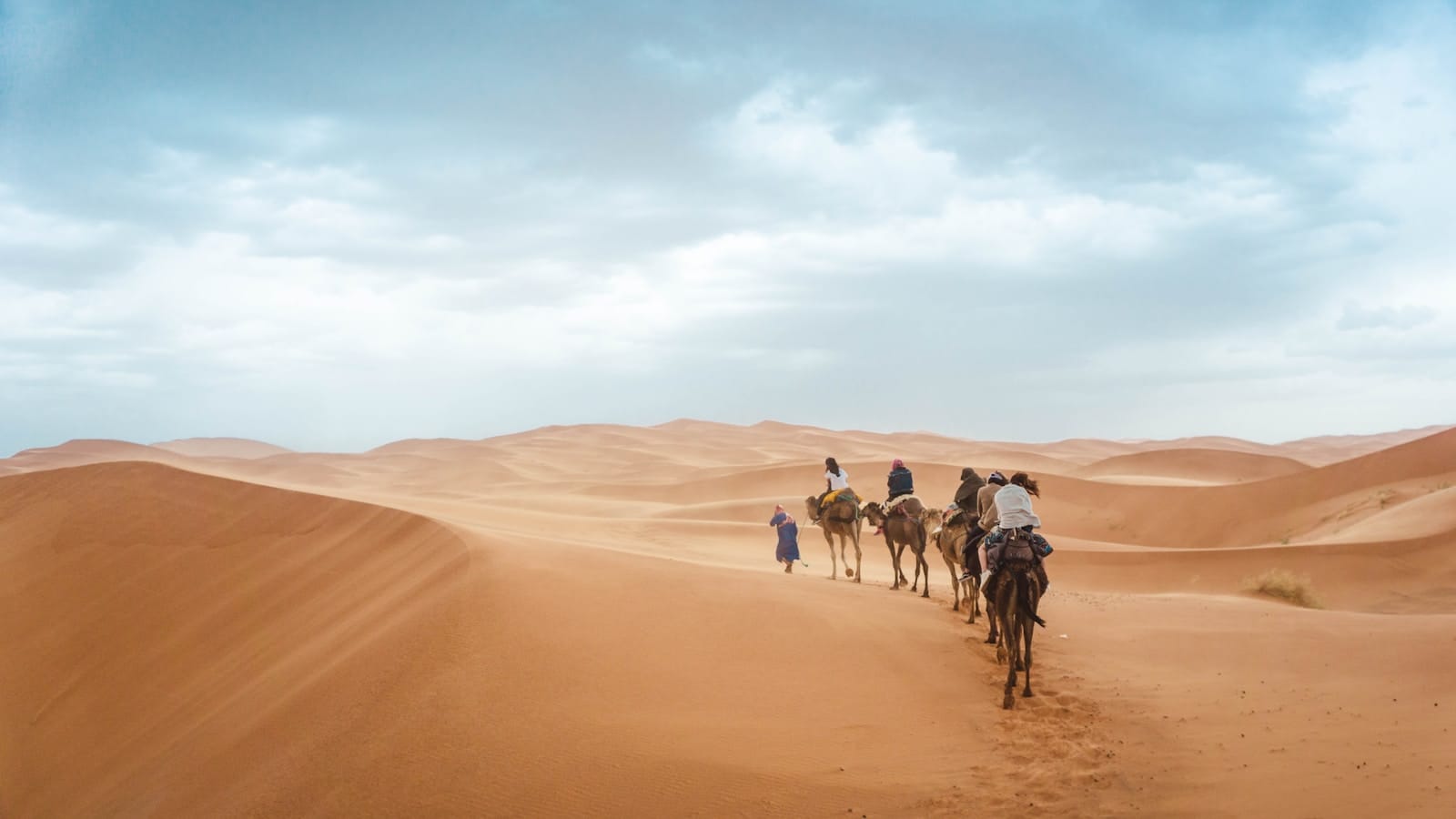
The Sahara is the regional jackpot of the weather for Morocco in March. Daytime temperatures on the Erg Chebbi dunes near Merzouga run between 22°C and 28°C (72°F to 82°F), with low humidity and bright, clean light. There’s no comparable desert month except possibly October. Summer heat hitting 45°C makes daytime exploring brutal, and winter nights below freezing are rough on kids. March threads the needle.
That said, the swing between day and night is huge. A 28°C afternoon can become a 4°C night under stars. If you’re staying in a Sahara camp with your family, choose one that provides heavy blankets, hot water bottles, or actual heaters. Don’t rely on camp marketing photos showing sunny rooftops. Ask specifically about night temperatures and bedding.
Camel trekking and dune time with kids
Mornings and late afternoons are when you’ll actually want to be on the dunes. Midday sun is strong even when the air is mild, so a sun hat, sunglasses, and high-SPF sunscreen are non-negotiable for kids. The classic camel ride out to a desert camp works best when you leave around 4 p.m., letting the family climb a dune for sunset, then walk down for tea before dinner.
Wind and sand
March in the Sahara occasionally brings sandstorms, usually short bursts that last a few hours. They’re not dangerous, but they end any outdoor plans for the rest of the day. Pack a buff or scarf for each family member to cover mouths and noses. Keep a sealed plastic bag inside your luggage to protect cameras and phones if a storm rolls through.
The Atlas Mountains and High-Elevation Travel
The High Atlas in March is the most variable region in the country. Lower valleys like the Ourika Valley or Imlil at 1,700 meters see daytime highs around 14°C to 18°C and chilly nights near 4°C. Higher up, at Toubkal base camp or the ski village of Oukaimeden, you can find snow on the ground and air temperatures below freezing.
For families with hiking-aged kids, the Ourika Valley day trip from Marrakech is the standout March activity. The waterfalls run high with snowmelt, the lower trails are clear, and Berber villages along the way feel quieter than they will in summer. Skip the higher peak treks unless your kids are well-equipped and used to cold-weather walking.
Snow and skiing
Yes, you can ski in Morocco in March. Oukaimeden sometimes has skiable snow through mid-March, depending on the year. It’s a quick novelty rather than a serious ski destination, but for families who want a “we skied within driving distance of the Sahara” story, it delivers.
Tangier and Chefchaouen in the North
Northern Morocco sits closer to Spain’s climate than to Marrakech’s. Tangier in March averages 17°C (63°F) daytime highs with cooler, windier conditions than the south. Rain is more common, and humidity is higher. Chefchaouen, the blue town in the Rif Mountains, gets noticeably colder thanks to elevation. Daytime highs of 14°C to 17°C, with nights dropping near freezing in the first week or two of March.
The upside of the north in March: thinner crowds, dramatic skies, and Chefchaouen’s blue walls glowing under fast-moving clouds. For families, this is a slower-paced region. Less souk chaos, more village wandering, more chances to let kids run around hillside paths.
Packing for the north
A waterproof jacket and warm hat for everyone is the right baseline. Add gloves for kids if you’re staying in Chefchaouen before mid-March. The cobblestone streets get slippery in rain, so closed shoes with traction matter more here than in Marrakech.
Traveling Morocco in March With Kids
Morocco in March with kids works because the temperature range matches what kids handle best: warm but not sweaty days, cool but not freezing nights. Outdoor energy stays high. Naps are easier because rooms don’t overheat. And the food, mostly mild tagines, fresh bread, fruit, and rice dishes, is friendly to picky eaters.
A few specifics that make a real difference for family travel:
- Choose accommodation with heated rooms. Many traditional riads don’t have central heating, and a 7°C morning can be miserable for toddlers. Confirm heating directly with the property before booking.
- Build in slow days. The medinas are amazing but exhausting. After a Fes or Marrakech day, plan a riad pool morning or a coastal beach afternoon to reset.
- Bring familiar snacks. Kid-favorite crackers, granola bars, and specific medications are harder to find locally. Pack a stash.
- Plan around school holidays. Many European families travel during Easter break in late March, which can push prices up in Marrakech and the Sahara. If you have flexibility, the first ten days of March are usually quieter.
The weather for Morocco in March gives families a real shot at fitting the country’s variety into one trip. Cities, beach, desert, mountains, all inside two weeks without anyone overheating or freezing.
This is where Morocco Family Vacation comes in. The brand designs Private Family Tours in Morocco for kids, teens, and toddlers, with custom routes built around the season, the ages of your children, and the pace your family actually wants. Local guides, comfortable stays, and child-friendly experiences from the medinas to the Sahara.
What to Pack for the Weather for Morocco in March
Layers, always. The number one packing rule for the weather for Morocco in March is that you’ll wear three layers most days: a light base, a long-sleeve mid layer, and a jacket. Take one off when the sun is fully up. Put them all back on at sunset.
Packing for the north
- Two or three long-sleeve cotton or linen tops
- One or two lightweight sweaters or fleeces
- A waterproof shell or packable rain jacket
- Loose trousers or knee-length skirts and dresses
- A scarf or shemagh (sun, dust, modesty in mosques)
- Sturdy walking shoes plus one pair of waterproof shoes
- Sun hat and sunglasses
For kids and toddlers
- Long pants and shorts (a mix for variable days)
- Multiple long-sleeve shirts for mornings and evenings
- A warm fleece or padded jacket for desert nights
- Sun hat with a brim, sunglasses, kid-safe sunscreen
- Closed-toe shoes with grip for medina cobblestones
- Pajamas warm enough for a cool, unheated riad room
- Familiar snacks, wet wipes, refillable water bottles
Extras worth bringing
- Power bank for long days and constant photos
- A headlamp for each kid for desert nights
- A daypack big enough for one extra layer per person
- A small umbrella if you’re heading to the north
Festivals and Events to Catch in March
March is a strong month for cultural events in Morocco. The almond blossom season hits its peak in early March around Tafraoute in the Anti-Atlas, where local communities celebrate with music, food, and walks among the blooming trees. If your family enjoys nature-focused festivals, this is an unusual one to build a side trip around.
In the Sahara, the Marathon des Sables (Sand Marathon) runs across late March and early April, drawing international athletes for a 250-kilometer race across the dunes. You won’t run it with kids, but the start and finish festivities in the desert town of Ouarzazate are worth catching if your timing lines up.
City festivals
The Marrakech Biennale, when it runs, fills the city with contemporary art installations across March. The Sufi Music Festival in Fes draws spiritual music acts from across the Islamic world. The International Nomads Festival in M’Hamid El Ghizlane celebrates desert culture with three days of music, poetry, and craft markets, usually scheduled for late March.
Ramadan considerations
Depending on the lunar calendar, Ramadan can fall partly or fully in March. In 2026, Ramadan runs from about mid-February through mid-March. During Ramadan, many restaurants close during daylight hours, particularly outside tourist zones. Iftar, the evening meal at sunset, is a beautiful family experience if you want to sit down with locals over harira soup, dates, and chebakia pastries. Tourist-facing riads and restaurants generally stay open all day, so your family won’t go hungry, but plan around the rhythm.
Where to Stay During the Weather for Morocco in March
Choose accommodation based on heating, location, and how kid-friendly the layout actually is. The weather for Morocco in March means cool mornings and cooler nights, so an unheated traditional riad can be tough on toddlers.
Marrakech neighborhood picks
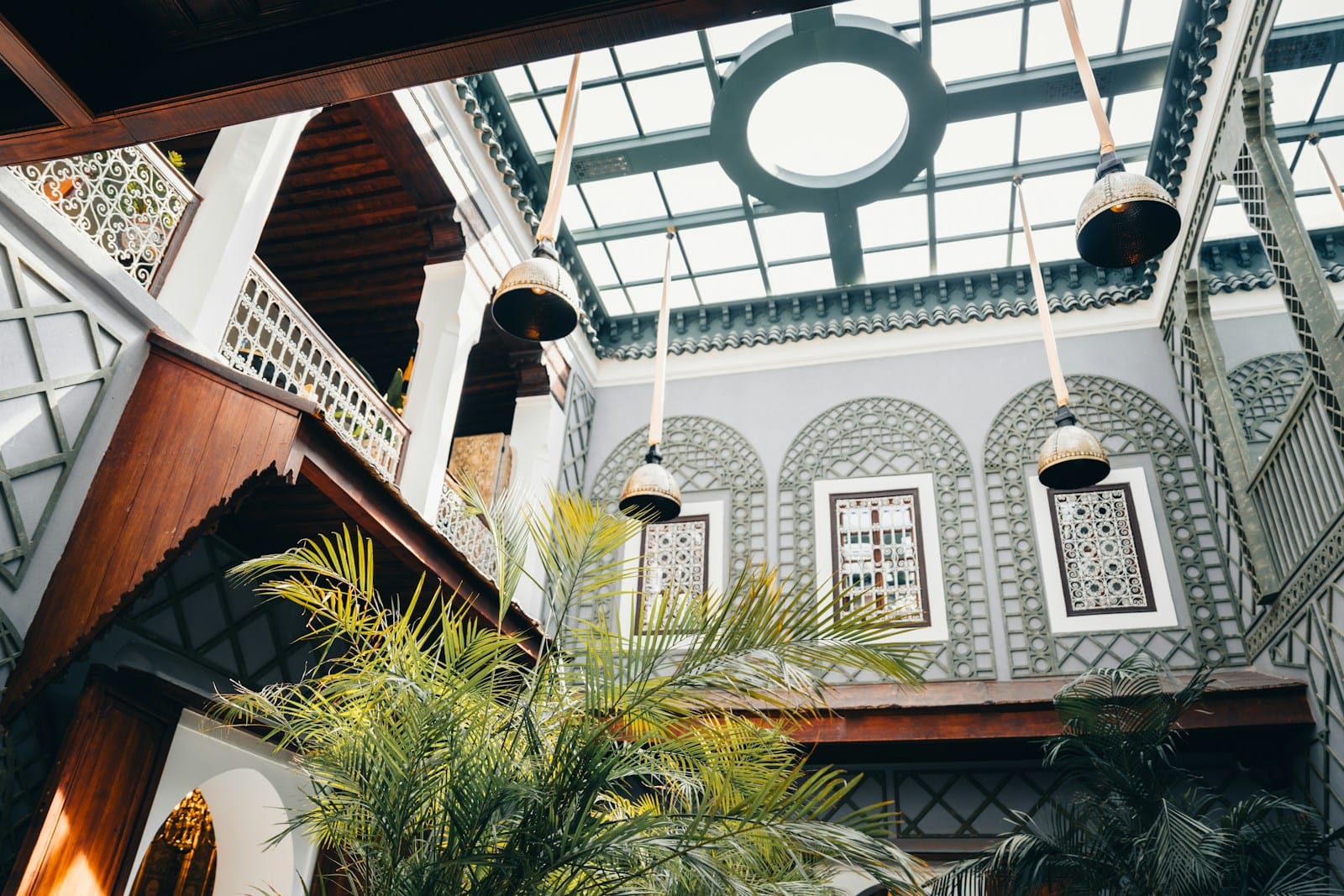
- Medina riads near Dar el Bacha or Mouassine are atmospheric, central, and walkable to the souks. Confirm heating before booking.
- Hivernage is the modern district with international hotels, larger family rooms, and easier car access.
- Palmeraie suits families who want a resort with a pool and quiet space outside the medina.
Desert camp picks
- Look for camps near Erg Chebbi (Merzouga) or Erg Chigaga (M’Hamid).
- Confirm tent bedding for cold nights: heavy wool blankets, hot water bottles, or actual heaters.
- Family-sized tents matter. Don’t book two singles for a family of four.
Coastal and mountain stays
- Essaouira’s medina has small family riads with sheltered courtyards that block the wind.
- Imlil guesthouses in the Atlas offer wood stoves, which kids find magical.
- Chefchaouen is best in family-run dars with thick walls and electric blankets.
Can You Sunbathe in Morocco in March?
The honest answer is yes, in some places and only in the warmest hours. Agadir and Taghazout on the southern Atlantic coast see consistent 21 to 22°C daytime highs in March, with calmer winds than Essaouira. The sand is warm by midday and the sun is bright enough that you’ll be reaching for sunscreen, not a sweater. Sea temperature, however, sits around 17°C, which is too cold for most adults and definitely too cold for kids beyond a quick splash.
If your family’s goal is to lie on a towel reading a book, March can deliver three to five solid sun hours per day along the Agadir coast. If you want swim-worthy ocean, you’ll need to wait until June or pick a hotel with a heated pool. For sunbathing in Marrakech, the riad rooftops and resort pools are warm in the afternoon but cool quickly once the sun drops behind the walls.
Need Help with Transportation in Morocco?
Book a reliable private driver for your Morocco family adventure today – personalized routes designed just for you, and get 30% off as a first-time visitor!
Planning Tips and Logistics
Getting to Morocco in March is easier than peak season. Direct flights from London, Paris, Madrid, New York, Montreal, and most major European hubs run year-round, and March prices generally sit 20 to 30% below July prices. Casablanca and Marrakech are the main entry points. Tangier works if you’re starting in the north.
Driving distances are bigger than they look on a map. Marrakech to Merzouga is a nine or ten hour drive even with no stops. Plan one overnight in Dades or Ouarzazate. Marrakech to Fes is seven to eight hours. Marrakech to Essaouira is the easiest at about three hours. Private drivers are common, affordable by Western standards, and worth every dirham when you’re traveling with kids.
The weather for Morocco in March gives you longer driving daylight than winter. By the end of the month, sunset is closer to 7 p.m., so you can do a Marrakech to Dades stretch in one day without arriving in the dark.
Health and what to expect
Tap water is fine for brushing teeth in most cities, but stick to bottled for drinking, especially with kids. Food is mostly mild, but stomach upsets happen. Pack rehydration salts, kid-friendly anti-nausea options, and a basic first aid kit. The dry air can dehydrate kids fast, so refillable water bottles are mandatory.
Photography in Morocco in March
Spring light is the gift photographers wait for. The weather for Morocco in March brings clearer skies than winter, softer sun than summer, and landscapes greener than any other time of year. Almond and orange blossoms add color in Marrakech and the south. The Atlas foothills are covered in wildflowers. The desert light is warm and clean.
For families, this is a year when you’ll actually want to print photos when you get home. Golden hour starts around 5:30 p.m. and lasts close to an hour. The medina alleys in Fes glow rust-red in late afternoon. Chefchaouen’s blue walls pop hardest under cloud-broken sun.
Why the Weather for Morocco in March Works for Families
The weather for Morocco in March gives families the best version of the country. Daytime temperatures that let kids run without melting. Evenings cool enough for sweaters and proper sleep. A landscape shifting into green and bloom. Tourist crowds that haven’t yet ballooned into Easter and summer levels. And enough regional variety, from beach to desert to mountains to medinas, to fit a real trip into ten or fourteen days without overdoing it.
You’ll want to plan for layers, occasional rain, cold desert nights, and the possibility that Ramadan overlaps with your travel dates. These are planning items, not deal-breakers. With the right itinerary and a clear sense of what each region offers in March, Morocco becomes one of the most memorable family destinations of the year.
Plan Your Family Adventure with Morocco Family Vacation. Private Family Tours in Morocco for kids, teens, and toddler-friendly travel. Plan your perfect family trip with custom private tours designed for families traveling with toddlers, kids, and teens. Family-friendly experiences, trusted local guides, and handpicked comfortable stays from the medinas all the way to the Sahara, with itineraries built around the weather for Morocco in March so your family actually enjoys every day of the trip.
─── Your questions, our answers.
Frequently Asked Questions
Our dedicated team is here to answer your Morocco Travel questions and ensure a smooth, memorable journey through Morocco.
Is March a good time for Morocco with kids?
Yes, March is one of the strongest months for family travel in Morocco. The weather for Morocco in March is mild, days are long, and crowds haven’t peaked yet. Families with toddlers should focus on the central and southern regions, while older kids handle the Atlas Mountains and Sahara easily with the right gear and packing list.
How hot is Marrakech in March?
Marrakech in March averages daytime highs of 22°C to 24°C (72°F to 75°F), with cool mornings around 11°C and crisp evenings near 10°C. Late March often brings the first 26°C afternoons. It’s warm enough for short sleeves at midday and a fleece by dinner.
What is the weather in Casablanca Morocco in March?
Casablanca in March sits between 17°C and 20°C (63°F to 68°F) during the day, with cooler evenings around 11°C. Rain and Atlantic wind are common, so pack a waterproof jacket and warm layers. Mornings often start cloudy and clear by late morning.
Can you sunbathe in Morocco in March?
You can sunbathe in Morocco in March in Agadir, Taghazout, and parts of Essaouira, where afternoon temperatures hit 19 to 22°C with bright sun. The ocean stays cold around 17°C, so it’s better for lying on the sand than swimming. Riad rooftops in Marrakech also work for afternoon sun.
What should I pack for Morocco in March with kids?
Pack layers, including long-sleeve shirts, fleeces, and a waterproof jacket. Add a warm puffer for desert nights, closed-toe walking shoes with grip, sun hats, sunglasses, and high-SPF sunscreen for kids. Familiar snacks, refillable water bottles, and any specific medications are worth bringing from home, since the weather for Morocco in March swings widely between regions.

Kate Carter
Family Travel Blogger
Kate Carter is a mom and travel blogger who fell in love with Morocco’s culture and warmth. Through Morocco Family Vacation, she shares tips and stories to help travelers enjoy authentic, stress-free experiences. Join us along the way.
Table of Contents
Our Services
-
Private Family Tours
-
Custom Itineraries
-
Sahara Desert Tours
-
Chefchaouen & Northern Morocco Tours
-
Luxury Desert Camping
-
Multi-Day Tours (2–16 Days)
-
Atlas Mountains Trips
-
Cooking Classes & Market Visits
-
Photography & Heritage Tours
-
Airport Transfers & Private Transport
-
Custom Birdwatching Tour in Morocco
-
24/7 Tour Support & booking Flexibility

At Morocco Family Vacation, we create custom Morocco tour packages designed around your interests and travel style. As a dedicated and independent travel agency, we specialize in private Morocco tours offering memorable desert adventures, cultural experiences, and family friendly itineraries while delivering attentive, personalized service from start to finish.
Popular Tours
Latest Posts
get in touch
#Fez December weather
#Fez weather guide
#Fez travel tips
#Morocco winter travel
#Fez tours