
Amazigh Tattoos Meaning
Amazigh Tattoos Meaning: Cultural Symbols of the Berber People
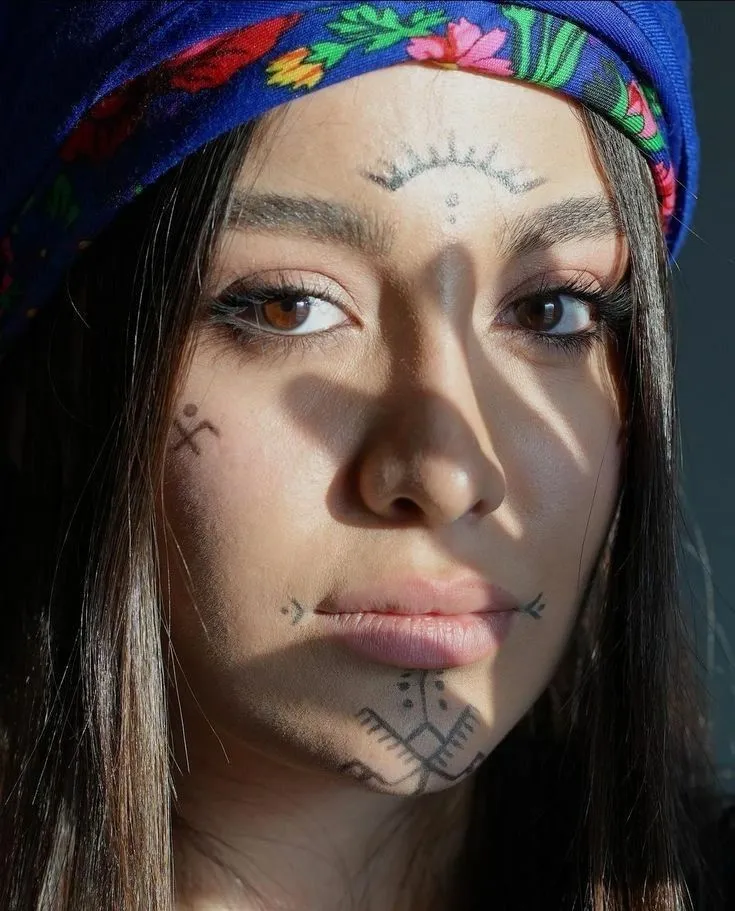
Amazigh tattoos meaning opens a window into a cultural tradition deeply rooted in North Africa’s indigenous Amazigh (Berber) communities. Long before contemporary tattoo culture spread globally, Amazigh societies used permanent markings as a visual language to communicate identity, spirituality, protection, beauty, and social status. Unlike modern body art created primarily for aesthetic reasons, traditional Amazigh tattoos conveyed layers of meaning and served as rites of passage, tribal identifiers, and spiritual talismans.
Today, this ancient tradition is fading across Morocco, Algeria, and Tunisia but its symbols live on in jewelry, textiles, and cultural memory. In this guide, you’ll discover the history, symbolism, placement, and modern interpretations of Amazigh tattoos. Whether you’re a traveler planning a cultural itinerary or a reader fascinated by indigenous arts, this article deciphers the enduring legacy of these remarkable visual symbols.
Who Are the Amazigh People?
Brief History and Geographic Context
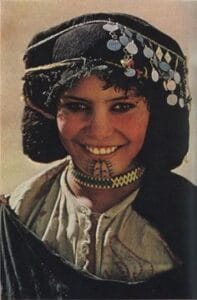
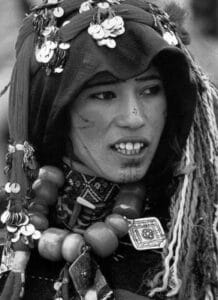
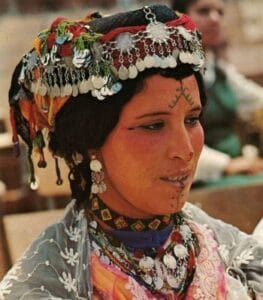
The term “Amazigh” means “free people” and refers to the indigenous inhabitants of North Africa, commonly known as Berbers. Their presence spans the Atlas Mountains, Sahara regions, and Mediterranean coasts across Morocco, Algeria, Tunisia, Libya, and parts of Mali and Niger.
Amazigh culture is ancient, predating both Arab expansion and Islamic influence in North Africa. Their traditions including language (Tamazight), music, weaving, and body art form a tapestry of identity that has endured centuries of external pressures.
Origins of Amazigh Tattooing
Pre-Islamic Roots and Purpose
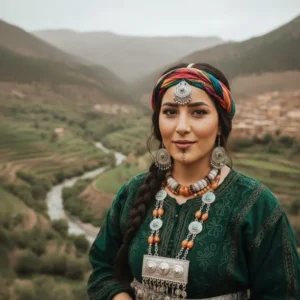
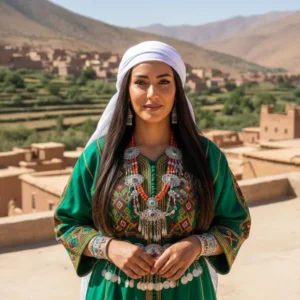
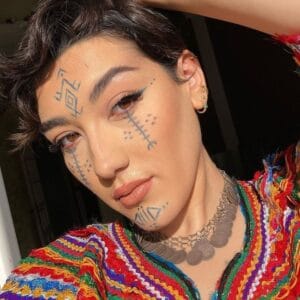
Traditional Amazigh tattoos date back to pre-Islamic times and were practiced for more than a millennium. They were not merely aesthetic; they were deeply symbolic, tied to belief systems that connected the wearer to the earth, ancestors, and spiritual forces.
Tattoos served as social and spiritual markers that signified a person’s place within their community and cosmos. The act of tattooing was often a ceremony involving family support and communal knowledge, reinforcing cultural continuity.
Cultural Significance — More Than Decoration
Identity and Tribal Affiliation
One of the most important aspects of Amazigh tattooing was its role as a tribal identifier. Different clans and regions used distinctive motifs to signal belonging and lineage. These visual cues helped communities maintain cohesion and recognize kinship ties, which was especially important in nomadic and semi-nomadic societies.
Protection and Spiritual Function
Many tattoos were believed to act as protective amulets, guarding the wearer from evil spirits, jinn, jealousy, and misfortune. Designs such as the eye-like motifs functioned similarly to the “evil eye” protection found in other Mediterranean cultures.
Tattoos placed near orifices like the eyes, mouth, and forehead were believed to shield vulnerable spiritual gateways from harm.
Fertility and Womanhood
Designs representing fertility such as triangles and the palm tree motif were commonly placed on women’s chins or foreheads. These symbols linked women to life-giving forces and ancient goddess traditions, embodying their role within family and community.
Beauty and Social Status
In several Amazigh communities, tattoos were considered a mark of beauty and adulthood. Young girls often received their first tattoos during puberty, a rite of passage signaling transition to womanhood and readiness for marriage.
Amazigh Face Tattoo Meaning
The Amazigh face tattoo meaning is deeply rooted in identity, spirituality, and protection within traditional Amazigh people (Berber) culture of North Africa, particularly Morocco. These tattoos, known locally as tichriwin or l’wasem, were historically worn mainly by Amazigh women and served as powerful symbols rather than decoration.
Each tattoo carried a specific meaning depending on its shape, placement, and region. Common symbols included lines, dots, crosses, diamonds, and triangles, often tattooed on the chin, forehead, cheeks, or hands. These designs represented concepts such as protection from evil spirits, fertility, strength, tribal identity, and connection to nature. For example, a vertical line on the chin often symbolized womanhood and maturity, while geometric patterns reflected balance and harmony with the natural world.
Beyond symbolism, Amazigh face tattoos also acted as markers of belonging. They identified a woman’s tribe or region and were sometimes linked to important life stages such as puberty, marriage, or motherhood. The practice blended spiritual beliefs with daily life, combining pre-Islamic traditions, ancestral rituals, and local folklore.
Today, traditional Amazigh face tattoos are no longer commonly practiced, largely due to social change, urbanization, and religious influences. However, their meaning remains culturally significant and continues to inspire modern Amazigh art, jewelry, textiles, and contemporary tattoos as expressions of heritage and pride.
In summary: Amazigh face tattoos symbolized protection, identity, spirituality, and life transitions. While rare today, they remain a powerful cultural emblem of Amazigh history and ancestral wisdom.
Moroccan Tattoos and Meanings
Moroccan tattoos and meanings are deeply connected to the country’s history, spirituality, and indigenous people traditions, particularly those of the Amazigh (Berber) people. Traditionally, these tattoos were symbolic rather than decorative and were most commonly worn by women as marks of identity, protection, and life transitions.
Common Amazigh Tattoo Symbols and Their Meanings

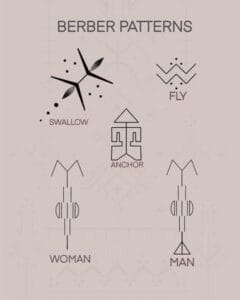

Triangle and Diamond Motifs
The triangle often signifies fertility, femininity, and the womb, standing as a universal symbol of life and creation. Diamonds or lozenge shapes can denote protection and home stability.
Cross (X) Shapes
The X or cross motif may represent the four cardinal directions, harmony between male and female energies, or balance within nature and life cycles.
Eye-like Motifs and Dots
Patterns that resemble eyes or contain dots often have apotropaic (evil-warding) purposes, believed to reflect or deflect negative energy.
Spirals and Natural Forms
Spirals symbolize life’s continuity and cyclical nature, while plant-inspired patterns like palm trees evoke fertility and prosperity.
Placement and Meaning
Facial Tattoos
Facial tattoos on the chin, forehead, or cheeks were among the most significant. Placement could symbolize beauty, protectiveness, maturity, or readiness for marriage.
Hands and Limbs
Tattoos on hands, wrists, or arms often communicated domestic roles, family connections, or tribal identity. Ankle or foot tattoos could signify travel protection and resilience in nomadic life.
amazigh tribal tattoos
Each Amazigh tribal tattoos symbol had a specific meaning, often linked to daily life and beliefs:
Protection from evil spirits and misfortune
Fertility and womanhood
Strength and resilience
Tribal identity and ancestry
Connection to nature (sun, moon, water, earth)
The symbols acted almost like a visual language, understood within Amazigh communities.
Traditional Tools and Techniques
Historical Amazigh tattooing used natural pigments, including charcoal and plant dyes, applied with needles or sharpened bone. These rudimentary tools underscore the deep connection between body art and natural materials available in the environment.
The process was communal, with experienced women tattooists guiding young recipients through cultural rites, enhancing communal bonds and shared identity.
Why the Tradition Declined
From the mid-20th century, influences including urbanization, Islamization, and modernization led to a decline in tattoo practice. Many regions ceased traditional tattooing by the 1980s, and older tattooed women today represent some of the last bearers of this art form.
While tattoos were once celebrated as beauty and cultural identity, in some areas they came to be perceived as outdated or unsuitable under newer social norms.
Contemporary Revival and Interpretation
In the 21st century, there is renewed interest in Amazigh tattoo symbols not necessarily as permanent body art, but through jewelry, textiles, and modern reinterpretations by tattoo artists. Younger Amazigh communities are reclaiming these patterns as expressions of heritage and identity rather than purely traditional markers.
Many travelers now encounter Amazigh motifs inspired by these tattoos in markets, museums, and art festivals, reflecting a broader cultural resurgence.
Cultural Etiquette for Travelers
Appreciating Amazigh tattoo traditions respectfully is essential. If photographing someone’s body art, always ask for permission and understand that tattoos are personal and culturally significant. Do not assume all designs have the same meaning across regions or tribes; meanings can vary widely.
Quick Takeaways
Amazigh tattoos were not simply body art; they communicated identity, protection, fertility, and social roles.
Symbols and motifs had specific meanings and varied by region and tribe.
Tattoo placement (face, hands, feet) carried unique interpretations.
The tradition has declined but is now re-emerging in modern cultural expressions.
As a traveler, approach Amazigh tattoo culture with respect and curiosity.
Conclusion
Understanding Amazigh tattoos meaning offers travelers more than aesthetic curiosity it reveals a living cultural language that weaves together history, spirituality, social identity, and resilience. These symbols, etched into skin for centuries, reflect the values and worldview of the Amazigh people, communicating connections to ancestors and the natural world that transcend time.
Though the practice has diminished in the face of social change, the motifs endure, inspiring contemporary art, jewelry, and cultural pride. For the informed traveler, recognizing these patterns enriches your exploration of North Africa’s cultural landscapes, deepening your appreciation of one of the region’s most enduring indigenous traditions.
─── Your questions, our answers.
Frequently Asked Questions
Our dedicated team is here to answer your Morocco Travel questions and ensure a smooth, memorable journey through Morocco.
What does the Amazigh tattoo triangle symbolize?
Generally, triangles represent fertility and femininity, linked to life and creation in Amazigh visual language.
Were Amazigh tattoos only for women?
Traditionally, tattoos were most common among women, though men sometimes had protective or symbolic marks.
Why did Amazigh tattoo traditions decline?
Urbanization, modernization, and changing religious and social norms led to a decrease in traditional tattoo practices in the 20th century.
What does the Yaz symbol (ⵣ) mean?
While not a tattoo symbol per se, the Yaz character in Tifinagh represents the Amazigh concept of free people and cultural identity.
Are Amazigh tattoos still practiced today?
Rarely as traditional permanent tattoos, but the symbols persist in contemporary art, jewelry, and cultural renewal efforts.

Kate Carter
Family Travel Blogger
Kate Carter is a mom and travel blogger who fell in love with Morocco’s culture and warmth. Through Morocco Family Vacation, she shares tips and stories to help travelers enjoy authentic, stress-free experiences. Join us along the way.
Table of Contents
Our Services
-
Private Family Tours
-
Custom Itineraries
-
Sahara Desert Tours
-
Chefchaouen & Northern Morocco Tours
-
Luxury Desert Camping
-
Multi-Day Tours (2–16 Days)
-
Atlas Mountains Trips
-
Cooking Classes & Market Visits
-
Photography & Heritage Tours
-
Airport Transfers & Private Transport
-
Custom Birdwatching Tour in Morocco
-
24/7 Tour Support & booking Flexibility

At Morocco Family Vacation, we create custom Morocco tour packages designed around your interests and travel style. As a dedicated and independent travel agency, we specialize in private Morocco tours offering memorable desert adventures, cultural experiences, and family friendly itineraries while delivering attentive, personalized service from start to finish.
Popular Tours
Latest Posts



get in touch
#Amazigh tattoo
#Amazigh tattoo meanings
#Amazigh face tattoos
#North African tattoo
#Amazigh woman tattoo