
Best Time of Year to Visit Morocco
Best Time of Year to Visit Morocco
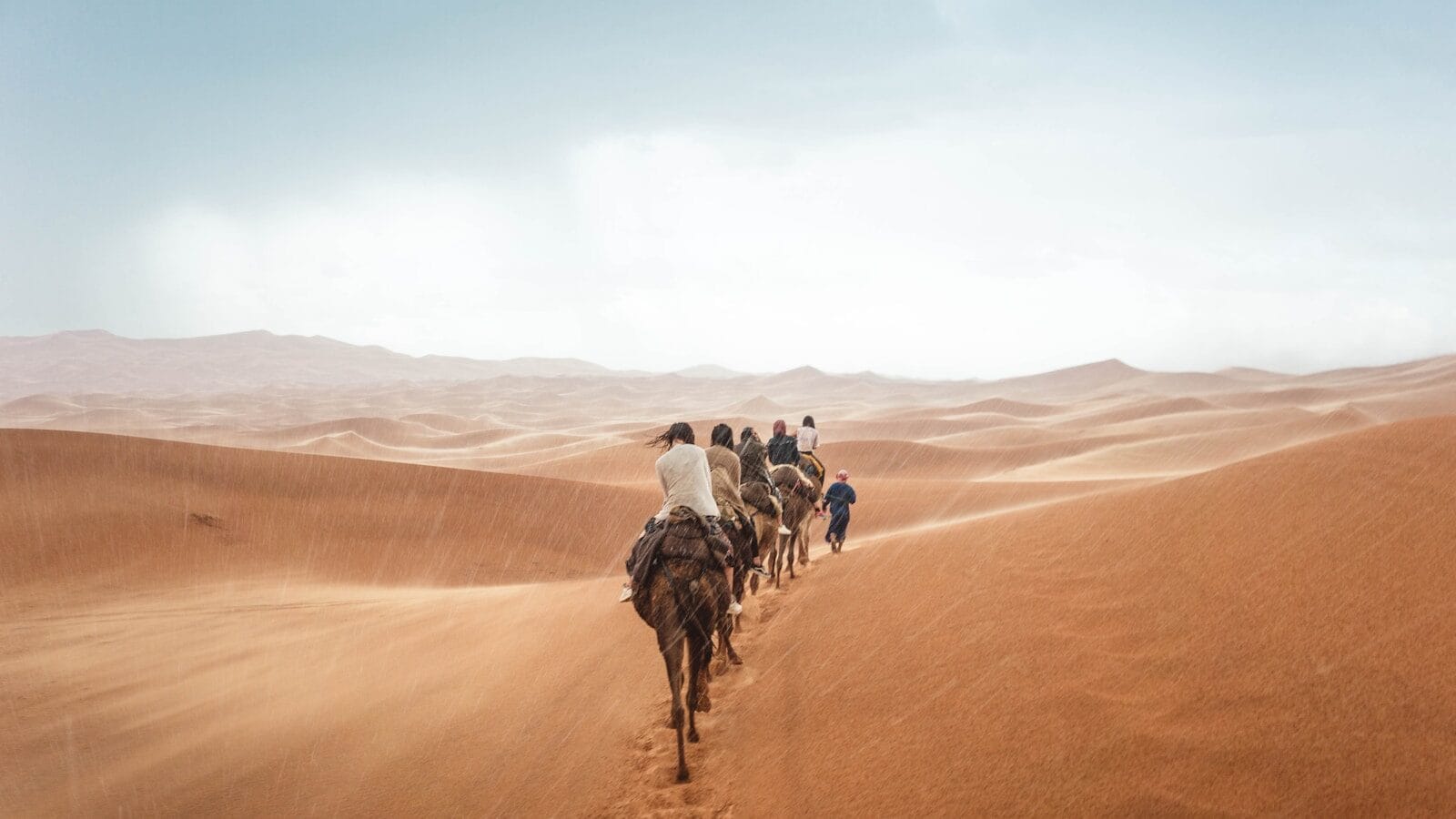
Morocco can feel like five countries packed into one. The Sahara bakes while the Atlas Mountains hold snow on their peaks. The Atlantic coast catches a cool ocean breeze while Marrakech swelters at 45°C inland. So when people ask about the best time of year to visit Morocco, the honest answer depends entirely on what you want to do and where you want to go.
If you’re traveling with kids, that question matters even more. A toddler wilting in 110°F desert heat is no one’s idea of fun, and a teenager getting drenched in the Atlas in February probably won’t write home about it either. The good news is Morocco has real shoulder seasons that work beautifully for families, and a few windows that work for almost anyone regardless of itinerary.
This guide breaks down the best time of year to visit Morocco region by region and month by month. You’ll get specific temperature ranges, cost differences, festival dates worth planning around, and the kind of practical tips you only learn after visiting more than once.
- Explore Morocco with your kids stress-free! Private transport, kid-friendly hotels, and safe meals included. Plan Your Family Tour
10-Day Morocco Family Itinerary: Cities, Mountains, and Desert
- Experience the Atlas Mountains and Sahara Desert with hands-on fun for kids and comfort for parents. Customize Your Adventure
Relaxed 11 days Family Holiday from casablanca
- Enjoy Morocco’s coasts and cities at a calm pace. Perfect for families with young children. Book Your Relaxed Tour
Quick Takeaways
- Best overall window: March through May and mid-September through November give you mild weather across the whole country.
- Avoid mid-summer for inland Morocco: July and August see daytime temperatures over 110°F (43°C) in Marrakech, Fez, and the desert.
- Coastal escape: Essaouira, Asilah, and Tangier stay in the 70s°F all summer thanks to Atlantic breezes.
- Sahara sweet spot: October to early April is the only realistic window for desert overnights with children.
- Cheapest months: January, February, and the first half of November bring the lowest hotel and tour rates.
- Ramadan timing matters: Morocco During Ramadan some restaurants close during daylight, which affects family meal planning.
- Safety: Morocco remains one of the safer countries in North Africa for family travel, with low violent crime rates against tourists.
What is the best month to travel to Morocco?
The single best month to travel to Morocco is April, with October running a very close second. Both months land in the country’s twin shoulder seasons, when the desert is comfortable, the mountains are accessible, the cities are pleasant, and tourist crowds stay manageable.
April delivers daytime highs around 75°F to 82°F (24°C to 28°C) in Marrakech and Fez, with cool evenings perfect for riad courtyards. The Atlas Mountains turn green from winter rains, wildflowers carpet the valleys, and the Sahara is warm during the day but cool enough at night that families with young kids can actually sleep in a desert camp without overheating. October mirrors this with slightly drier conditions and warmer ocean water if a beach day is on your list.
There are real exceptions worth knowing. If your family loves the beach, June or early September will serve you better than April, since the Atlantic only warms up by midsummer. If you have older teens fascinated by snow and mountain culture, January or February in the High Atlas gives you a side of Morocco most travelers never see. And if budget is your top priority, November will save you 20 to 35 percent compared to April.
Quick wins for picking your travel month:
- Pick April or October if you want one trip that covers cities, mountains, and desert comfortably.
- Pick May or September for slightly lower prices with weather that’s still very pleasant.
- Pick June through August only if you’re staying on the Atlantic coast.
- Pick November to February for the cheapest rates and the most local atmosphere.
- Skip July and August for inland travel with kids under 10.
At Morocco Family Vacation, our most-requested itineraries run in April and October for exactly these reasons.
Best Time of Year to Visit Morocco by Region
Morocco isn’t one climate. It’s five, and each one shifts the answer to when is the best time to visit Morocco depending on your route.
The coast (Casablanca, Rabat, Essaouira, Tangier) stays mild year-round. Summers sit in the high 70s°F, winters dip to the 50s°F at night. The Atlantic keeps everything steady but breezy.
The interior plains (Marrakech, Fez, Meknes) deliver wild swings. Summer afternoons regularly hit 100°F to 115°F. Winter mornings can be near freezing. Spring and autumn are the only times the weather feels truly easy.
The High Atlas Mountains see snow from December through March on the higher passes. Imlil, the Berber village base for Toubkal climbs, gets cold winters and cool summers, making it a year-round destination if you pack appropriately.
The Sahara (Merzouga, M’hamid, Erg Chebbi) is brutal in summer. Daytime temperatures of 120°F (49°C) are normal in July. Winter nights can drop to near freezing. October and March are the goldilocks windows.
The northern Rif Mountains (Chefchaouen and surroundings) stay green and cool, with rainy winters and warm summers that rarely get oppressive.
A two-week trip that hits the coast, Marrakech, and the desert in July is going to feel like three different countries climate-wise. That’s why the best times to visit Morocco are spring and fall, when no single zone is at an extreme.
Spring in Morocco: March, April, and May
Spring is the answer most experienced travelers give when asked the best time to visit Morocco for the first trip. March can still bring rain to the north, but by mid-March southern Morocco is reliably warm and dry. April is the peak window, with consistent sunshine, comfortable temperatures, and landscapes at their greenest.
For families, spring works on every level. Kids handle the weather without complaint. Riad pools start to be usable by late April. Desert excursions are comfortable both day and night. Almond blossoms bloom in February in the Anti-Atlas and the Ourika Valley, while the rose harvest in the Dadès Valley peaks in early May, drawing crowds to the Festival of Roses in Kelaa M’Gouna.
There is a downside. April is also peak European school holiday season, which means Easter week can crowd Marrakech and the Atlas Mountains. Booking riads three to four months ahead is wise if you want anything beyond the basic options. Prices also peak in spring alongside October.
If you’re combining Morocco with Spain or Portugal, late April through mid-May is the sweet spot. Andalusia is lovely, ferry crossings from Tarifa are calm, and Morocco hasn’t yet hit the summer wall. This is genuinely the best time to visit Spain, Portugal, and Morocco in one swing.
Summer in Morocco: June, July, and August
Summer in inland Morocco is hard. Marrakech regularly sees 105°F to 115°F in July and August, with hot nights that don’t recover much below 80°F even at 3 AM. Fez and Meknes are similar. The desert is genuinely dangerous in midsummer, with temperatures so high that camel treks shut down or run only at sunrise and sunset.
Summer isn’t off the table if you plan it right. The Atlantic coast stays cool. Essaouira’s average July high is just 73°F (23°C), thanks to a strong sea breeze that locals call the alizée. Asilah, Oualidia, and Mirleft are similar. These towns become summer havens for families who want beach days, fresh seafood, and freedom from extreme heat.
The Atlas Mountains are also pleasant in summer. Imlil and the Aït Bougamez Valley sit high enough that afternoon temperatures rarely exceed 80°F. Hiking, mule trekking, and Berber village stays work beautifully in July and August.
Festival watchers should also note summer’s biggest draws. The Gnaoua World Music Festival in Essaouira runs in late June, and the Festival of Folk Arts in Marrakech happens in early July. If music is your thing, this can shift the calculation.
Autumn in Morocco: September, October, and November
Autumn is the secret weapon. The best time of year to visit Morocco for many returning travelers is October, when temperatures have eased back to spring levels but crowds are thinner than in April. Kids who travel in autumn often get the most relaxed experience.
September is still warm in Marrakech, with highs around 90°F, but evenings cool down enough that walking the medina becomes pleasant. The desert becomes accessible again from mid-September onward. Date harvest season runs through September and October in the Tafilalet region, and you’ll see roadside stalls heavy with fresh dates from old varieties you’ll never find at home.
October is arguably the single most pleasant month. Daytime temperatures sit at 75°F to 82°F across most of the country. The light is gold and long. Riads still have their pools open. November is cooler, with rain possible in the north, but it brings the lowest prices of any pleasant-weather month and remains an excellent option for budget-conscious families.
If you’re asking when is the best time to visit Morocco specifically for desert experiences with kids, mid-October to mid-November is hard to beat. The sand is warm during the day, the nights cool enough for a good night’s sleep, and the Milky Way is brilliant overhead.
Book Your Family Adventure Now — Limited Spots Available!
Book Your Family Adventure Now — Limited Spots Available!
Winter in Morocco: December, January, and February
Winter splits Morocco into two trips. The cities and mountains get cold. The south and the desert remain workable. Marrakech in January has highs around 65°F (18°C) and nights that drop to 45°F (7°C). Riads can feel cold without good heating, so booking quality accommodation matters more in winter than any other season.
The High Atlas turns into a snow destination. Oukaïmeden, an hour from Marrakech, runs as a small ski resort from late December through February. It’s not the Alps, but it’s a fascinating cultural experience and a real novelty for kids who’ve never seen snow in Africa.
The Sahara is at its most photogenic in winter. The desert is cool to cold at night (sometimes near freezing), but the days are clear and mild, and the camps run with thick blankets and heaters. This is also the most affordable time to do a desert trip with a family.
Winter is when many seasoned travelers say is the actual best time to visit Marrakech, Morocco, since the heat is gone, the medina pulses with locals rather than tourists, and outside Christmas and New Year, prices stay reasonable.
Best Time of Year to Visit Morocco for the Sahara with Kids
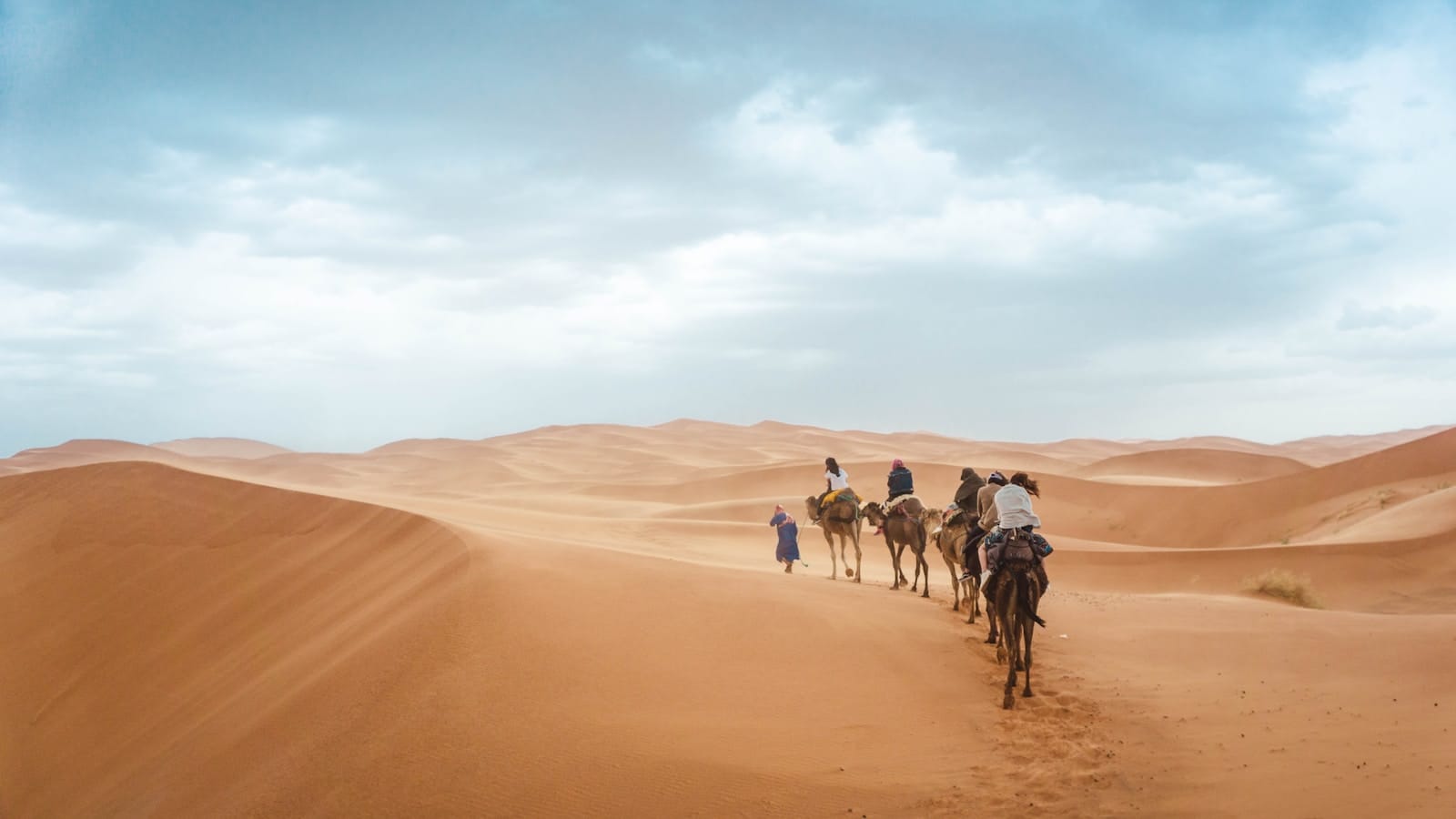
The desert deserves its own answer. The best time of year to visit Morocco’s Sahara with children runs from mid-October through early April, with the absolute peak windows being late October and late March.
In those weeks, daytime highs in Erg Chebbi and Erg Chigaga sit between 70°F and 85°F. Nights cool to the 50s°F, which is comfortable enough for kids to actually sleep in a desert camp. Camel rides run at sunrise and sunset without anyone overheating. Sandboarding works. Stargazing happens in clear, mild conditions rather than freezing or sweltering ones.
Avoid the desert from mid-June through mid-September entirely if you have kids. Even tour operators based in Merzouga reduce their offerings or pause overnight trips during these months because the heat genuinely affects health.
For winter desert trips with children, pack proper layers. Fleece, hats, and warm socks are not optional. The contrast between 75°F afternoons and 35°F pre-dawn is real, and the families who plan for it have the best time.
What is the cheapest month to visit Morocco?
The cheapest months to visit Morocco are January, February, and the first half of November. In these windows you’ll find riads in Marrakech and Fez running 30 to 40 percent below their April and October peaks, and tour operators dropping prices on desert excursions and city tours to fill seats.
January and February also have the cheapest international flights, especially from Europe and North America. Mid-week flights into Casablanca or Marrakech can run half the cost of summer fares. Add in lower demand for guides and drivers, and a winter trip can easily cost 35 to 45 percent less than the same itinerary in spring.
The trade-off is real. You’ll need warmer layers, you’ll lose riad pool time, and northern Morocco can be properly rainy. But for the best time to visit Morocco on a budget, the answer is unambiguous: go between New Year’s and the end of February, or aim for the first two weeks of November.
Is it safe to go to Morocco right now?
Yes, Morocco remains one of the safest countries in the region for tourism, including family travel. Violent crime against tourists is rare, the country has a dedicated tourism police presence, and the government has prioritized tourism safety for over two decades. Petty theft and tourist scams in the souks are the main concerns, and these are easy to manage with basic awareness.
For families specifically, Morocco is welcoming in a way that surprises first-time visitors. Children are genuinely loved in Moroccan culture, and you’ll find shopkeepers, restaurant staff, and locals making fuss over your kids in the kindest possible way. Solo women travelers report that traveling with children actually makes them feel more welcome and safer in public spaces.
Always check current government travel advisories before booking. The US State Department, UK Foreign Office, and Canadian Global Affairs all maintain Morocco travel pages with current information. As of this writing, Morocco sits at standard precaution levels with all three.
Do’s and Don’ts in Morocco
A few rules of thumb that will save you headaches.
Do:
- Dress modestly in medinas and rural areas. Knees and shoulders covered is the easy rule.
- Carry small change for tips and bathroom attendants.
- Greet shopkeepers with “salaam alaikum” before asking about prices.
- Drink bottled water and skip ice in rural areas.
- Negotiate politely in souks. Starting at 30 to 40 percent of the asking price is normal.
Don’t:
- Photograph people without asking. This includes street performers in Jemaa el-Fnaa, who will charge you afterward.
- Show public affection beyond hand-holding.
- Drink alcohol in the street or in conservative areas.
- Wear beachwear away from the beach, including in Essaouira’s old town.
- Refuse mint tea when offered. It’s a real social gesture, not a sales pitch.
Need Help with Transportation in Morocco?
Book a reliable private driver for your Morocco family adventure today – personalized routes designed just for you, and get 30% off as a first-time visitor!
Plan Your Family Adventure with Morocco Family Vacation
Picking the best time of year to visit Morocco is just the first decision. After that comes the harder part: building an itinerary that flows logically, matches your kids’ attention spans, and uses every day on the ground well. Morocco Family Vacation designs custom private Morocco tours for families, with child-friendly experiences, trusted local guides, and comfortable stays from the medinas to the Sahara.
We’ve watched what works and what doesn’t across hundreds of family trips. October desert overnights with seven-year-olds. April Atlas hikes with teenagers who said they didn’t want to come and ended up not wanting to leave. December riad stays in Fez with grandparents along for the ride. Every family is different, and the best time to visit Morocco for yours depends on your specific mix of ages, interests, and travel style.
Conclusion
The best time of year to visit Morocco for most families is March through May or mid-September through November. April and October are the standouts. Summer works for the coast and mountains but not the cities or desert. Winter rewards travelers willing to layer up with the lowest prices and a quieter, more local atmosphere across the country.
If this is your first Morocco trip, aim for spring or fall, give yourselves at least ten days to do it justice, and don’t try to see everything. Pick two or three regions and do them well. The desert deserves at least one overnight. The Atlas Mountains deserve more than a day trip. Marrakech rewards slow exploration over hurried checklists.
Ready to plan? Morocco Family Vacation builds custom private Morocco tours designed for families, with child-friendly experiences, trusted local guides, and comfortable stays from the medinas to the Sahara. Reach out and we’ll match your travel dates to the regions and experiences that fit your family best. The best time to visit Morocco is whenever you can make it happen, and we’ll help you make it count.
─── Your questions, our answers.
Frequently Asked Questions
Our dedicated team is here to answer your Morocco Travel questions and ensure a smooth, memorable journey through Morocco.
What is the best month to travel to Morocco with young children?
April and October are the best times to visit Morocco with young children. Temperatures sit between 70°F and 82°F across most of the country, the Sahara is comfortable for overnight stays, and pools at riads are usable. Avoid July and August, when inland heat becomes genuinely difficult for kids under 10.
What is the cheapest month to visit Morocco?
January, February, and the first half of November are the cheapest months. Hotel rates drop 30 to 40 percent below peak season, flights from Europe and North America are at their lowest, and tour operators offer real discounts. The trade-off is cooler weather and the loss of riad pool time.
Is it safe to go to Morocco right now with my family?
Yes, Morocco is generally safe for family travel. Violent crime against tourists is rare, the country has a dedicated tourism police force, and Moroccan culture genuinely welcomes children. Standard precautions around petty theft in busy souks apply. Always check your government’s current travel advisory before booking.
When is the best time to visit Marrakech, Morocco specifically?
The best time to visit Marrakech, Morocco is October, March, April, or November. Summer in Marrakech sees temperatures over 110°F (43°C), while winter mornings can be in the 40s°F. Spring and autumn give you walkable medina days, comfortable evenings in riad courtyards, and pleasant rooftop dining.
When is the best time to visit Spain, Portugal, and Morocco in one trip?
Late April through mid-May or late September through mid-October are the best times to visit Spain, Portugal, and Morocco together. Andalusia is at its prettiest, ferry crossings from Tarifa to Tangier are calm, and Morocco hasn’t hit summer extremes. Plan at least three weeks if you want to do all three countries justice.

Kate Carter
Family Travel Blogger
Kate Carter is a mom and travel blogger who fell in love with Morocco’s culture and warmth. Through Morocco Family Vacation, she shares tips and stories to help travelers enjoy authentic, stress-free experiences. Join us along the way.
Table of Contents
Our Services
-
Private Family Tours
-
Custom Itineraries
-
Sahara Desert Tours
-
Chefchaouen & Northern Morocco Tours
-
Luxury Desert Camping
-
Multi-Day Tours (2–16 Days)
-
Atlas Mountains Trips
-
Cooking Classes & Market Visits
-
Photography & Heritage Tours
-
Airport Transfers & Private Transport
-
Custom Birdwatching Tour in Morocco
-
24/7 Tour Support & booking Flexibility

At Morocco Family Vacation, we create custom Morocco tour packages designed around your interests and travel style. As a dedicated and independent travel agency, we specialize in private Morocco tours offering memorable desert adventures, cultural experiences, and family friendly itineraries while delivering attentive, personalized service from start to finish.
Popular Tours
Latest Posts



get in touch
#Rabat Morocco
#Things to do in Rabat
#Best restaurants Rabat Morocco
#Hassan Tower Rabat
#Morocco Family Vacation