
Djemaa el Fna, Marrakesh, Morocco
Djemaa el Fna: A Complete Travel Guide to Marrakech’s Iconic Square
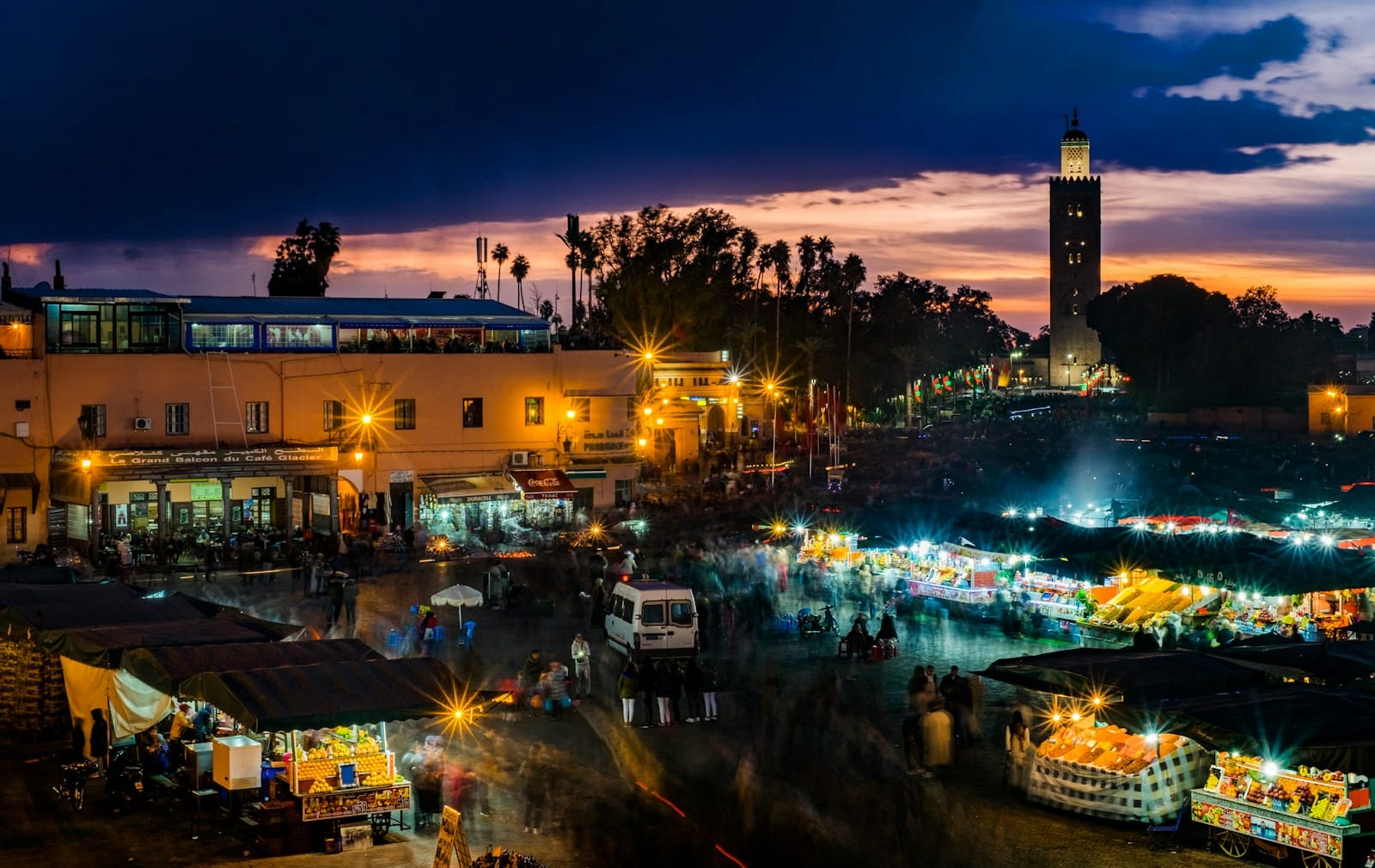
Few places in the world feel as alive, layered, and unforgettable as djemaa el fna. Located at the heart of Marrakech’s ancient medina, this legendary square is not just a tourist attraction it is the cultural heartbeat of Morocco. For female travelers, families, and curious readers, djemaa el fna offers an immersive experience where history, food, music, and everyday Moroccan life unfold in real time.
By day, the square is filled with orange juice vendors, storytellers, snake charmers, and wandering musicians. As sunset approaches, djemaa el fna transforms into one of the most famous open-air food markets in the world, with dozens of food stalls, smoky grills, rhythmic drums, and buzzing crowds. This transformation is what makes the square so unique and so captivating.
In this complete guide, you will discover the history of djemaa el fna, what to expect during the day and night, how to enjoy the food safely, cultural etiquette tips for women travelers, Marrakech nearby attractions, photography advice, and practical insights for parents traveling with children. Whether it’s your first visit or your return to Marrakech, this guide will help you experience djemaa el fna confidently and meaningfully.
- Explore Morocco with your kids stress-free! Private transport, kid-friendly hotels, and safe meals included. Plan Your Family Tour
- Experience the Atlas Mountains and Sahara Desert with hands-on fun for kids and comfort for parents. Customize Your Adventure
- Enjoy Morocco’s coasts and cities at a calm pace. Perfect for families with young children. Book Your Relaxed Tour
What is Djemaa el-Fna?
Djemaa el-Fna is the main public square of Marrakech, located at the entrance of the old Medina. It is famous for its street performers, food stalls, musicians, storytellers, and lively atmosphere, especially in the evening. The square is a cultural hub and a key symbol of Moroccan daily life and traditions.
When was Djemaa el-Fna established?
Djemaa el-Fna was established in the 11th century, during the rule of the Almoravid dynasty, around the time Marrakech was founded. For nearly a thousand years, it has remained a central gathering place and continues to play a vital role in the city’s cultural identity.
Djemaa el Fna During the Day
Djemaa el-Fna is Marrakech’s main square and one of the most famous cultural landmarks in Morocco. Located at the entrance of the old Medina, it is a lively public space where locals and visitors gather throughout the day and night. During the daytime, Djemaa el-Fna is known for fresh juice stalls, street performers, snake charmers, henna artists, and traditional musicians.
In the evening, the square transforms into a huge open-air food market with dozens of stalls serving Moroccan dishes like tagine, grilled meats, harira soup, and sweets. Djemaa el-Fna is recognized by UNESCO as an Intangible Cultural Heritage of Humanity because it preserves oral traditions, music, and popular culture. It is not just a tourist attraction but a living part of Moroccan daily life, offering an authentic glimpse into Marrakech’s history, traditions, and vibrant atmosphere.
How do you pronounce Jemaa el-Fna?
Jemaa el-Fna is pronounced “Juh-MAA el FNAA”. Locals may pronounce it slightly differently depending on dialect, but this pronunciation is widely understood and accepted.
Street Performers and Traditional Entertainment
During daylight hours, djemaa el fna hosts:
Snake charmers
Gnawa musicians
Acrobats and dancers
Traditional storytellers
Henna artists
While fascinating, some performances involve animals. Many travelers choose to observe respectfully without direct interaction.
Fresh Juice Stalls and Light Snacks
One of the most iconic daytime experiences at djemaa el fna is freshly squeezed orange juice. The oranges are sourced locally, and the juice is affordable, refreshing, and energizing especially under the Moroccan sun.
Shopping and Crafts Around the Square
Surrounding djemaa el fna are entrances to the souks of Marrakech. Here you’ll find:
Leather bags and slippers
Handmade jewelry
Spices and herbal remedies
Lanterns and metalwork
Bargaining is expected and part of the cultural experience.
What is the meaning of Jemaa el-Fnaa?
The name Jemaa el-Fnaa is commonly translated as “Assembly of the Dead” or “Gathering Place,” though its exact meaning is debated. Some historians believe it refers to the square’s past use for public gatherings and announcements during medieval times. Today, the name represents a historic meeting place rather than anything literal or dark.
Is Djemaa el-Fna a lively square?
Yes, Djemaa el-Fna is one of the liveliest squares in the world. During the day it is busy, but in the evening it becomes extremely vibrant with food stalls, music, performances, and crowds. The energy, sounds, and smells make it the heart of Marrakech’s social and cultural life.
Djemaa el Fna at Night: A Complete Transformation
The Famous Food Stalls of Djemaa el Fna
As night falls, djemaa el fna becomes one of the world’s largest open-air restaurants. Dozens of numbered food stalls appear, offering:
Lamb and chicken tagine
Harira soup
Grilled kebabs and merguez sausages
Fried eggplant and vegetables
Snails (for adventurous eaters)
The atmosphere is lively, smoky, and full of conversation.
Food Safety Tips for Travelers
To enjoy djemaa el fna comfortably:
Choose stalls that are busy with locals
Eat food that is freshly cooked
Avoid ice in drinks
Use hand sanitizer before eating
Drink bottled water only
These simple steps make street food both safe and enjoyable.
Music, Drums, and Night Performances
After dinner, musicians and performers fill the square with sound. Drum circles, Gnawa music, and traditional chanting create a powerful, almost hypnotic energy that defines djemaa el fna at night.
Ready to Start Your Morocco Journey?
Let us help you design a smooth, affordable, and memorable journey crafted by local travel experts who know Morocco best.
What are Jemaa el-Fna opening hours?
Djemaa el-Fna is an open public square and has no official opening or closing hours. It is accessible 24 hours a day, but the busiest and most exciting time to visit is from late afternoon until late evening, when food stalls and performances are fully active.
Cultural Etiquette and Safety Tips
Dress Code for Women Travelers
While Marrakech is accustomed to tourists, modest dress is appreciated:
Cover shoulders and knees
Avoid overly tight or revealing clothing
Comfortable walking shoes are essential
This helps women feel more comfortable and respected in djemaa el fna.
Navigating Crowds Safely
Keep bags zipped and close to your body
Avoid displaying valuables
Agree on meeting points if traveling in a group
Walk confidently and with purpose
Djemaa el fna is generally safe, but awareness is key in crowded spaces.
Shopping Around Djemaa el Fna and the Souks
What to Buy
Popular souvenirs include:
Argan oil products
Moroccan tea sets
Handwoven scarves
Ceramic bowls
Spices like saffron and cumin
Bargaining Tips
Always negotiate politely
Smile and stay calm
Walk away if the price feels wrong
Agree on a price before accepting services (like henna)
Nearby Attractions to Combine With Djemaa el Fna
Koutoubia Mosque
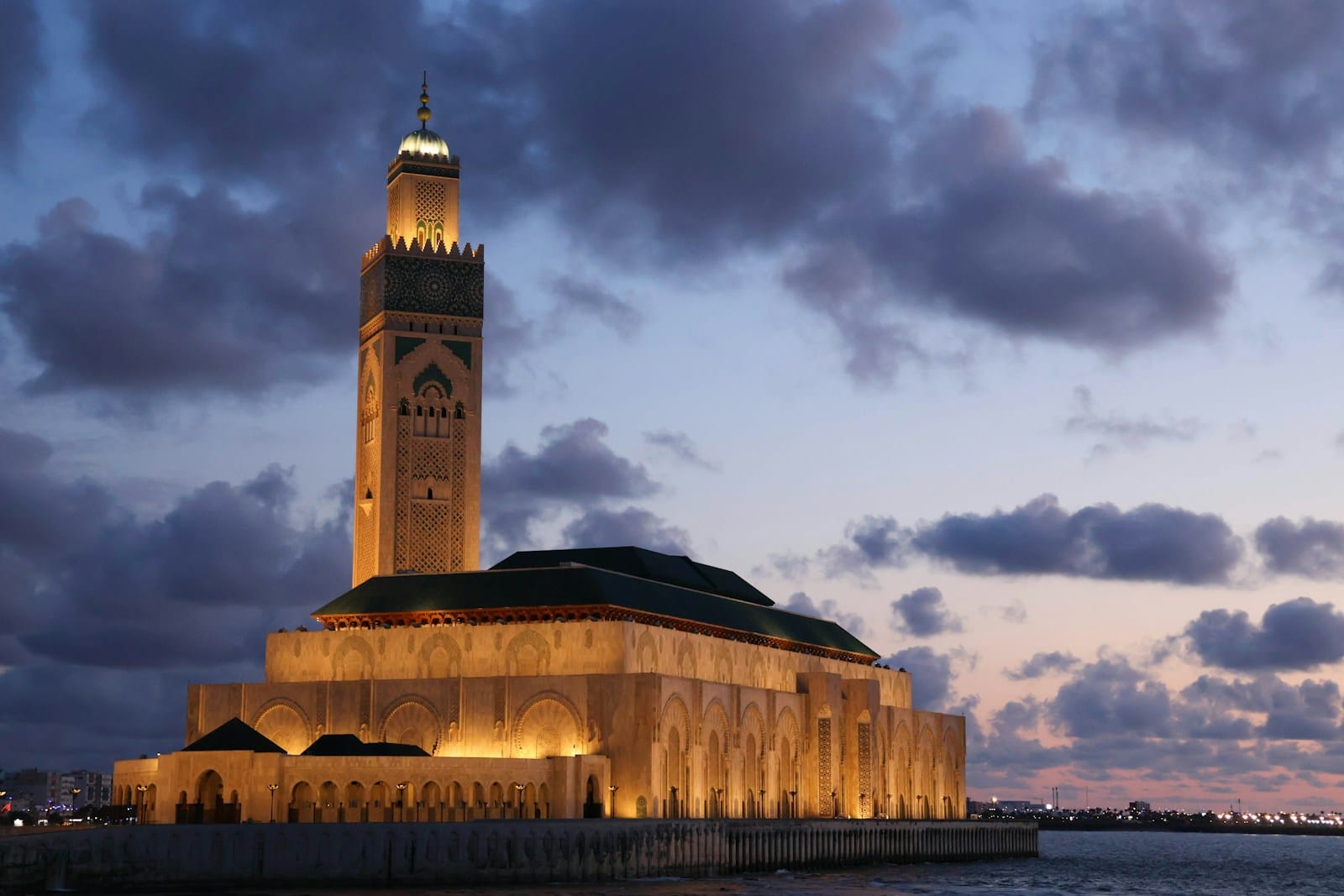
Just steps away from djemaa el fna, the Koutoubia Mosque is Marrakech’s most famous landmark. Non-Muslims cannot enter, but the exterior and gardens are worth visiting.
Riads and Rooftop Cafés
Rooftop cafés around djemaa el fna offer panoramic views of the square perfect for photos, mint tea, and sunset watching.
Museums and Cultural Stops
Maison de la Photographie
Dar Si Said Museum
Marrakech Museum
These provide cultural depth beyond the square.
Photography Tips for Djemaa el Fna
Best Photography Spots
Rooftop cafés overlooking the square
Food stalls at night
Lantern-lit crowds
Sunset silhouettes with the Atlas Mountains
Ethical Photography
Ask permission before close-up photos
Some performers may request a small tip
Avoid photographing children without consent
Need Help with Transportation in Morocco?
Book a reliable private driver for your Morocco family adventure today – personalized routes designed just for you, and get 30% off as a first-time visitor!
Women and Family Travel Advice
Solo Women Travelers
Many women visit djemaa el fna solo and enjoy it fully. Staying aware, dressing modestly, and avoiding isolated alleys at night ensures a positive experience.
Families Traveling With Children
Children often love the energy, food, and music of djemaa el fna. Visit earlier in the evening and stick to familiar foods for younger travelers.
Quick Takeaways
Djemaa el fna is the cultural heart of Marrakech
Visit both day and night for the full experience
Street food is safe when chosen carefully
Modest dress enhances comfort for women travelers
Rooftop views offer unforgettable perspectives
Conclusion
Djemaa el fna is not simply a square it is a living story of Morocco. Every sound, scent, and interaction reflects centuries of tradition blended seamlessly with modern life. For women travelers, families, and curious readers, experiencing djemaa el fna means stepping into the rhythm of Marrakech itself.
Whether you’re sipping orange juice under the sun, sharing tagine under lantern light, or listening to drums echo through the night, djemaa el fna leaves a lasting impression that few places on earth can match. Take your time, stay curious, and allow the square to unfold its magic naturally.
If you are planning a trip to Morocco with family or loved ones, djemaa el fna deserves a central place in your journey.
─── Your questions, our answers.
Frequently Asked Questions
Our dedicated team is here to answer your Morocco Travel questions and ensure a smooth, memorable journey through Morocco.
Is djemaa el fna safe at night?
Yes, it is generally safe, especially in busy areas. Awareness and common-sense precautions are recommended.
What food should I try at djemaa el fna?
Harira soup, lamb tagine, grilled kebabs, and fresh orange juice are must-tries.
Is djemaa el fna suitable for children?
Yes, especially early evening. Avoid very late hours with young children.
Do I need a guide to visit djemaa el fna?
Not required, but guided tours can add cultural insight and ease.

Kate Carter
Family Travel Blogger
Kate Carter is a mom and travel blogger who fell in love with Morocco’s culture and warmth. Through Morocco Family Vacation, she shares tips and stories to help travelers enjoy authentic, stress-free experiences. Join us along the way.
Table of Contents
Our Services
-
Private Family Tours
-
Custom Itineraries
-
Sahara Desert Tours
-
Chefchaouen & Northern Morocco Tours
-
Luxury Desert Camping
-
Multi-Day Tours (2–16 Days)
-
Atlas Mountains Trips
-
Cooking Classes & Market Visits
-
Photography & Heritage Tours
-
Airport Transfers & Private Transport
-
Custom Birdwatching Tour in Morocco
-
24/7 Tour Support & booking Flexibility
At Morocco Family Vacation, we create custom Morocco tour packages designed around your interests and travel style. As a dedicated and independent travel agency, we specialize in private Morocco tours offering memorable desert adventures, cultural experiences, and family friendly itineraries while delivering attentive, personalized service from start to finish.
Popular Tours
Latest Posts
#Morocco in February
#Morocco weather in February
#February temperatures in Morocco
#Weather in Morocco in February
#Morocco travel guide February