
What Is a Fez Hat Used For
What Is a Fez Hat Used For: History, Culture & Modern Meaning
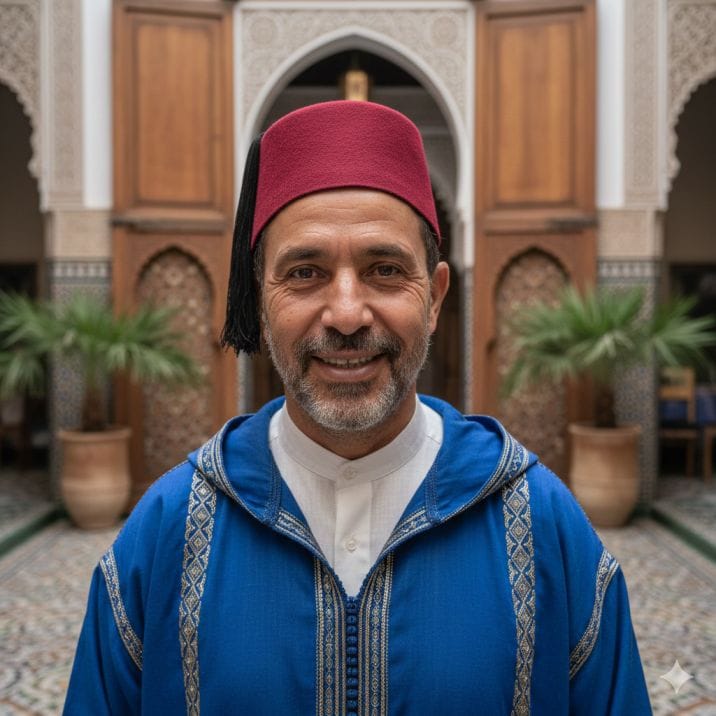
The fez hat is one of the most instantly recognizable pieces of headwear a brimless, cylindrical cap, traditionally red, with a sleek black tassel dancing atop. But beyond its distinctive look, many travelers wonder: what is a fez hat used for culturally, historically, and today? Originating centuries ago and worn across continents, the fez has served practical needs, conveyed deep symbolism, marked status, and connected people to heritage.
Whether you’re exploring Morocco’s bustling souks, wandering Ottoman sites in Turkey, or spotting the hat in parades and festivals, understanding its uses enriches your travel and cultural insight. In this article, we’ll explore everything from its origin and traditional uses to its roles in ceremonies, organizations like the Shriners, and its relevance in modern fashion and travel culture. By the end, you’ll walk away knowing not just what a fez hat is used for, but why it remains a powerful cultural icon around the world.
History of the Fez Hat
The fez also called a tarboosh is a short, cylindrical cap with a flat top and usually a single tassel. Its name comes from the city of Fez in Morocco, where dyes used in early versions were sourced.
Origins and Early Use
Historians debate the exact origins of the fez. Evidence suggests that similar shapes existed in North Africa long before the Ottoman era, possibly worn by Amazigh groups. However, the version familiar today red, felt, and tasseled gained fame during the Ottoman Empire in the 19th century.
In 1826–1827, the Ottoman Sultan Mahmud II instituted the fez as part of military and civil uniforms to replace traditional turbans that signified regional and religious identities. The goal was unity one hat for all citizens.
Ottoman Symbolism and Spread
Once worn across the empire, the fez became synonymous with Ottoman identity and modernity. It wasn’t only practical headwear but also a political symbol, indicating a unified citizenry and progressive reform.
However, when the Republic of Turkey formed in the 1920s under Mustafa Kemal Atatürk, the fez was banned as part of a move toward Western dress as a symbol of modernization.
Traditional Uses of the Fez Hat
The fez’s uses historically span the practical, spiritual, and civic.
Practical Everyday Wear
A brimless design made the fez ideal for daily life, especially for Muslim prayers where the forehead touches the ground. Its felt construction also provided moderate warmth and comfort.
Before modern helmets, it even served under metal headgear in battle as a comfortable lining.
Cultural and Community Identity
In North Africa especially Morocco the fez remains part of traditional attire. Here it’s worn during festivals, Friday prayers, and family gatherings. The color and craftsmanship can signal status or family heritage.
In some societies, people once wore the fez to show respect or humility during religious observances and rites of passage.
Symbolism Across Cultures
The fez is more than a hat it carries layers of meaning depending on where you see it.
Symbol of Modern Identity
During the Ottoman reforms, the fez went beyond headgear to symbolise modernity and a unified national culture.
Cultural Pride and Heritage
In Morocco, the fez often reflects cultural pride and continuity. Its vibrant red color has associations with life force, valor, and nobility.
In parts of the Balkans and Levant, the fez once served as a visual marker for regional or religious identity, though everyday use has declined over time.
Ready to Start Your Morocco Journey?
Book your trip today with our expert planners, enjoy personalized itineraries tailored to your flights and travel needs, and claim 30% off as a first-time visitor!
Military and Institutional Use
The fez wasn’t just civilian headwear it played roles in military and institutional settings too.
Military Uniforms
In many Ottoman and North African military units, soldiers wore variations of the fez as part of formal or ceremonial dress. These were often more rigid and included insignia or regimental colors.
Fraternal Organizations: Shriners
In Western contexts like the Shriner fraternal organization, the fez serves as ceremonial regalia. Adopted in the late 19th century, it represents membership and is worn in parades, meetings, and public outreach initiatives. Each member’s fez may be customized to reflect specific temple affiliations or roles.
The Fez Hat in Modern Times
Today, the fez remains versatile from cultural symbol to tourist attraction and fashion statement.
Don’t wait start your Moroccan journey with our 3 days tour from Fes and create memories that last a lifetime.
Traditional and Touristic Use
In Moroccan medinas and heritage sites, artisans still craft fezzes using traditional methods. Travelers often buy them as souvenirs or wear them for cultural photos and festivals.
Although everyday wear has diminished in many regions, the fez still appears at weddings, local events, and cultural celebrations.
Fashion and Pop Culture
The fez has found its way into global pop culture from comedians to TV shows and occasionally resurfaces in fashion collections blending historic motifs with contemporary style.
Practical Tips for Travelers
If you plan to wear a fez while traveling, a few tips will enhance your experience:
Respect cultural context — what’s meaningful in one place may be casual elsewhere.
Pair the fez with appropriate attire, especially at cultural or religious sites.
Ask locals about traditions — they’ll often appreciate your curiosity.
Quick Takeaways
A fez is a brimless felt hat traditionally worn in North Africa and the Middle East.
What is a fez hat used for? Historically for everyday wear, prayer comfort, and symbolic identity.
It became a symbol of modern identity during Ottoman reforms.
Fraternal groups like Shriners use it as ceremonial regalia.
Today it’s a cultural emblem and traveler favorite souvenir.
Conclusion
Understanding what a fez hat is used for reveals much more than a history of fashion it reveals layers of cultural, religious, and social identity. From its Moroccan beginnings to Ottoman modernization, from battlefield practicality to symbolic pride, the fez embodies a blend of tradition and transformation. Today, it continues to bridge worlds: worn by locals in traditional contexts, by organizations in celebrations, and by travelers seeking a deeper connection to place and history. Next time you encounter a fez in a market or museum, you’ll see not just a hat but a living emblem of centuries of human story and that’s the true meaning behind what a fez hat is used for.
Need Help with Transportation in Morocco?
Book a reliable private driver for your Morocco family adventure today – personalized routes designed just for you, and get 30% off as a first-time visitor!
─── Your questions, our answers.
Frequently Asked Questions
Our dedicated team is here to answer your Morocco Travel questions and ensure a smooth, memorable journey through Morocco.
Who Wears Fez Hats Today?
Today, fez hats are worn by cultural enthusiasts, historians, performers, and travelers. In Morocco and parts of North Africa, they still appear in ceremonies and festivals. They’re also popular in movies, cosplay, parades, and among collectors of traditional headwear.
What Are the Main Types of Fez Hats?
Common types include Moroccan fezzes, Ottoman fezzes, Egyptian tarboosh, and modern decorative versions. Each type has its own unique shape, height, tassel length, and cultural meaning.
Why Are Fez Hats Red?
The classic red fez hat color comes from traditional dyeing methods using natural pigments such as cochineal. Red became associated with status, elegance, and cultural identity, making it the most iconic and recognizable style.

Kate Carter
Family Travel Blogger
Kate Carter is a mom and travel blogger who fell in love with Morocco’s culture and warmth. Through Morocco Family Vacation, she shares tips and stories to help travelers enjoy authentic, stress-free experiences. Join us along the way.
Table of Contents
Our Services
-
Private Family Tours
-
Custom Itineraries
-
Sahara Desert Tours
-
Chefchaouen & Northern Morocco Tours
-
Luxury Desert Camping
-
Multi-Day Tours (2–16 Days)
-
Atlas Mountains Trips
-
Cooking Classes & Market Visits
-
Photography & Heritage Tours
-
Airport Transfers & Private Transport
-
Custom Birdwatching Tour in Morocco
-
24/7 Tour Support & booking Flexibility

At Morocco Family Vacation, we create custom Morocco tour packages designed around your interests and travel style. As a dedicated and independent travel agency, we specialize in private Morocco tours offering memorable desert adventures, cultural experiences, and family friendly itineraries while delivering attentive, personalized service from start to finish.
Popular Tours
Latest Posts

get in touch
#Morocco family friendly tours
#Morocco family holiday
#Morocco with kids
#Morocco travel tips for families
#Morocco Family Vacation