
Do You Have to Wear a Headscarf in Morocco?
Headscarf in Morocco: Do You Have to Wear One?
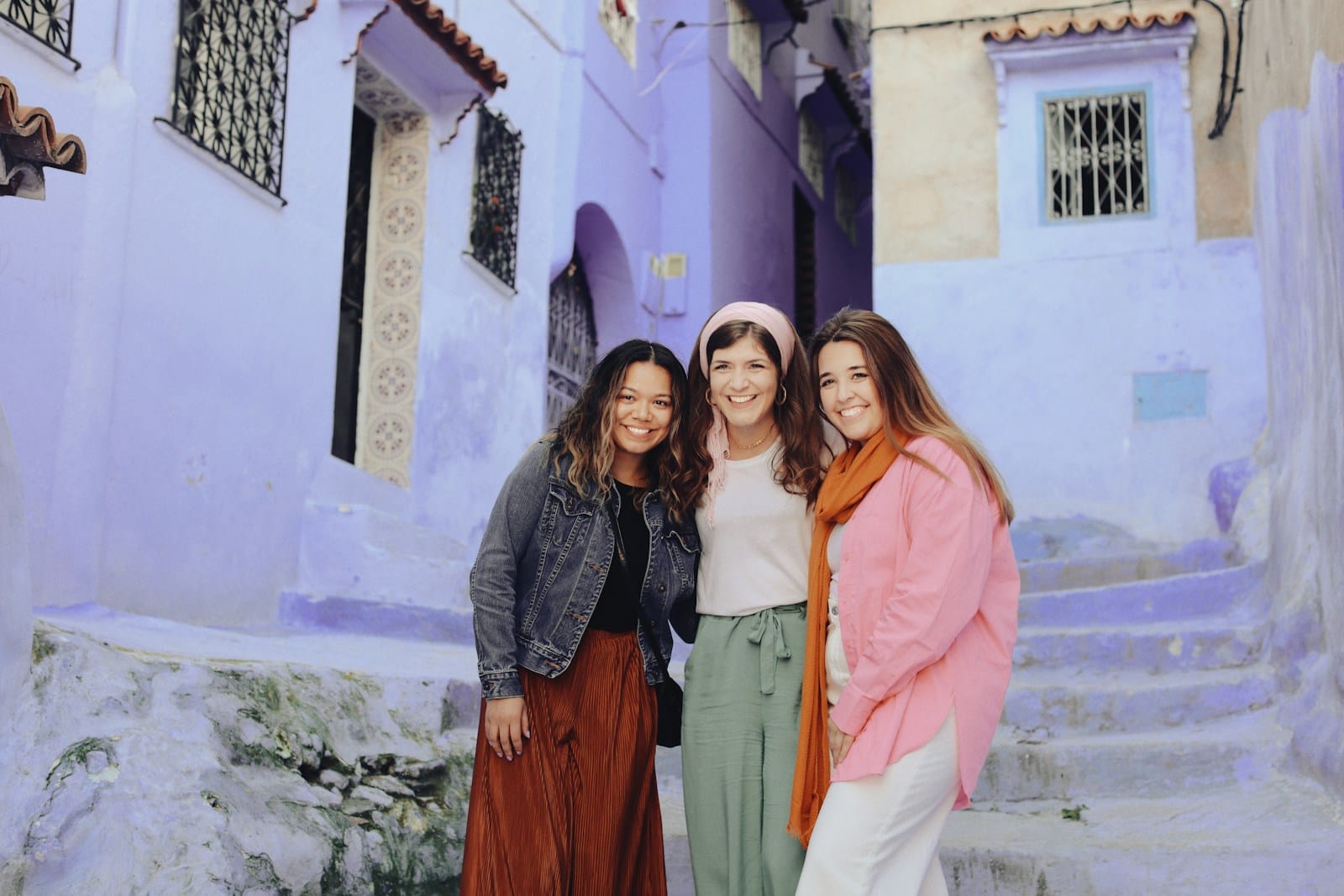
Traveling to Morocco with your family is an exciting adventure full of colorful markets, delicious food, stunning architecture, and rich cultural experiences. One question that often comes up for first-time visitors especially parents and families exploring Marrakech and beyond is whether you have to wear a headscarf in Morocco. Understanding local dress norms can help you feel more comfortable, respectful, and prepared for different settings you’ll encounter on your journey.
Morocco is a Muslim-majority country with traditions rooted in modesty and respect, but it also welcomes millions of international visitors each year with varied styles of dress. For tourists, wearing a headscarf is not legally required, but there are times and places where carrying one even just a lightweight scarf can be incredibly practical and culturally thoughtful. This guide breaks down when and why you might choose to wear a headscarf, how clothing expectations vary between cities and rural areas, practical tips for families with kids, and how to balance cultural respect with comfort during your Moroccan adventure.
Explore Our-Friendly Morocco Tours
Atlas Mountains tours – Discover Morocco’s top snowfall destinations, including Ifrane, Michlifen, and Oukaimeden, known for winter landscapes and seasonal activities.
Custom experiences – Enjoy tailor-made itineraries designed around weather conditions, travel preferences, and personal interests for a comfortable and memorable winter trip.
Do tourists have to wear hijab in Morocco?
No, tourists do not have to wear a hijab in Morocco. There is no legal, religious, or social requirement for foreign visitors to cover their hair. In cities, tourist areas, and resorts, women commonly walk around with uncovered hair without any issues. While many Moroccan women choose to wear the hijab for personal or religious reasons, this expectation does not apply to tourists. Wearing a hijab in Morocco is entirely optional and a personal choice for visitors.
Is a Headscarf Required for Tourists in Morocco?
No, tourists are not required to wear a headscarf in Morocco. There is no law or rule obligating visitors, including women, to cover their hair while traveling in the country. In major cities and tourist destinations such as Marrakech, Casablanca, Rabat, and Fes, you will see locals and tourists dressed in a wide variety of styles, from traditional clothing to modern Western outfits.
That said, dressing modestly is recommended as a sign of cultural respect, especially in smaller towns, rural areas, and traditional neighborhoods. For women, this usually means covering shoulders and knees rather than wearing very revealing clothing. Carrying a light scarf can be helpful, but it is optional and mainly useful when visiting religious sites or conservative areas.
Most mosques in Morocco are not open to non-Muslims, but in places where entry is allowed, modest dress is expected. In these situations, women may be asked to cover their shoulders or hair temporarily.
Overall, Morocco is welcoming and tourist-friendly. Wearing a headscarf is a personal choice, not a requirement, and visitors who dress respectfully will feel comfortable throughout their trip.
Why Modest Clothing Matters in Morocco
Morocco’s cultural expectations around dress are shaped by religious and social norms. Although Moroccans are generally tolerant and accustomed to tourists, dressing modestly shows respect for local traditions and can enhance your family’s travel experience.
What “Modest” Looks Like
For women and girls:
Cover shoulders and knees
Avoid low-cut or tight-fitting outfits
Choose loose, breathable clothes like maxi skirts, wide trousers, or kaftans
For men and boys:
Long pants or modest shorts (especially outside of beach areas)
Shirts with sleeves, even short sleeves, are a respectful choice
Dressing modestly doesn’t mean you must abandon your personal style — it’s about adapting to local contexts in a thoughtful way. Many families describe feeling more welcome and comfortable when they dress respectfully in busy souks, historic sites, and conservative neighborhoods.
When You Might Want to Wear a Headscarf
Even though the headscarf isn’t mandatory, there are situations where having one with you can be useful and respectful:
Visiting Religious Sites
If you plan to visit a mosque or shrine especially inside or around the entrance it’s respectful to cover your hair and wear longer sleeves and pants/skirts. Many mosques ask both men and women to dress conservatively, and women often carry scarves for this purpose.
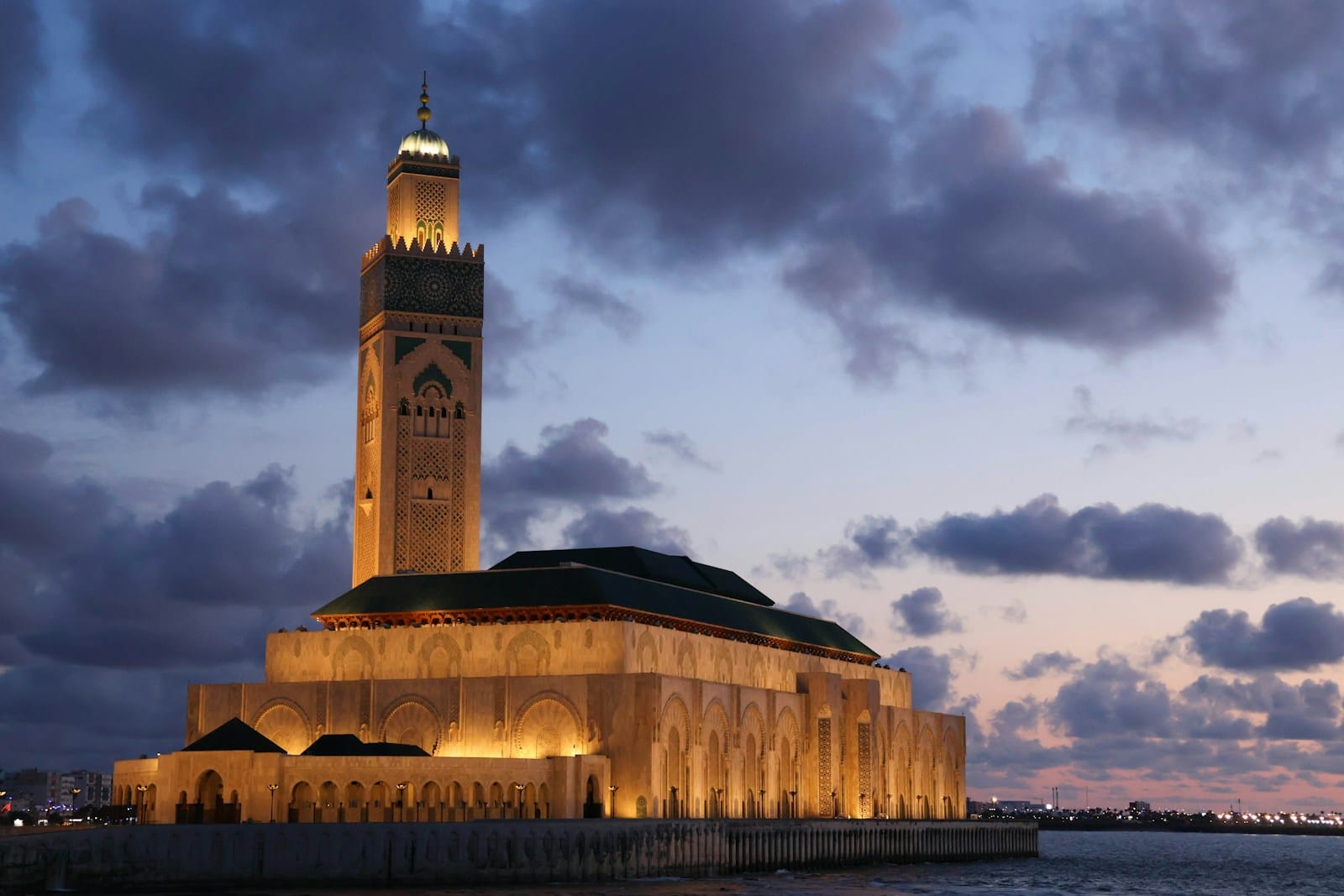
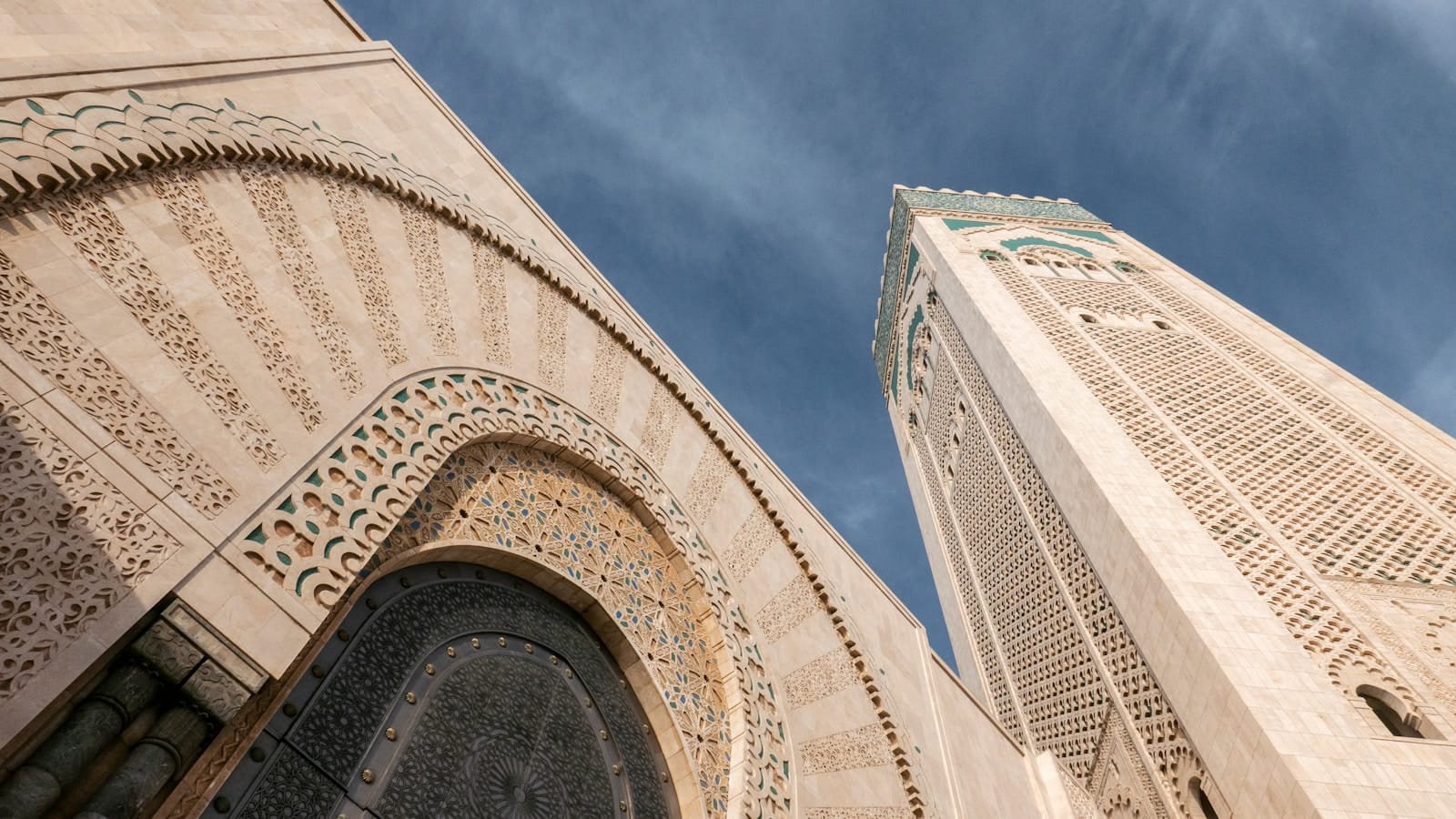
Not all mosques in Morocco are open to non-Muslim visitors, but major sightseeing exceptions like the Hassan II Mosque in Casablanca allow visitors on guided tours where modest attire is required.
Rural or Traditional Communities
Smaller towns and rural areas, such as Berber villages in the Atlas Mountains or remote markets, tend to be more conservative in dress norms. Wearing a headscarf or modest outfit here can show respect and make locals feel more at ease with your presence.
Religious Holidays
During major holidays like Eid al-Fitr or Eid al-Adha, Moroccans may dress particularly modestly or traditionally. While you’re not required to follow all local styles, choosing more modest clothing including a headscarf during celebrations can deepen your cultural connection.
Do female tourists have to cover up in Morocco?
Female tourists are not required to cover up completely, but modest dressing is recommended out of cultural respect. This usually means avoiding very short shorts, low-cut tops, or see-through clothing in public spaces. Dressing modestly helps female travelers feel more comfortable and blend in, especially in traditional neighborhoods, smaller towns, and rural areas. In major cities and tourist hubs, clothing standards are more relaxed.
Can I show my hair in Morocco?
Yes, showing your hair in Morocco is completely acceptable for tourists. Most foreign visitors do not cover their hair, and it is common to see women with uncovered hair in cities, medinas, and tourist sites. There is no expectation for tourists to follow local religious dress practices. Carrying a scarf is optional and mainly useful for sun protection or visiting religious sites.
Dressing in Marrakech and Cities
Marrakech and other big cities like Casablanca or Rabat have a mix of traditional and modern styles. Here’s what most travelers experience:
Tourists can wear Western clothing comfortably
Modest clothes help you blend in better in medinas and markets
Marrakech medina (old city) is more traditional than upscale tourist districts
You’ll see local women in everything from modern dresses to traditional headscarves, and both styles are common. A light scarf can be easy to throw over shoulders or head when needed no heavy or formal covering required.
Kids and Headscarves: What Parents Should Know
For families with children, especially girls:
Young kids aren’t expected to wear headscarves
Comfortable, modest clothing that covers shoulders and knees is sufficient
If you’re entering a religious area, having scarves on hand for everyone shows respect
Children often attract more curiosity than criticism, and locals are generally welcoming to families making a thoughtful effort with dress norms. Many parents find that teaching kids about local customs before travel helps them feel confident rather than restricted.
Practical Packing Tips for Families
Packing smart can help you and your kids stay comfortable and respectful:
Lightweight Scarves
Bring 2–3 breathable scarves (cotton, linen) that can be used as head coverings, shawls, or shoulder wraps. They’re small, lightweight, and versatile.
Ready to Start Your Morocco Journey?
Book your trip today with our expert planners, enjoy personalized itineraries tailored to your flights and travel needs, and claim 30% off as a first-time visitor!
Loose, Breathable Clothing
Maxi skirts, wide pants, tunics, and kaftans are both modest and comfortable in warm Moroccan weather.
Sun Protection
A headscarf can double as sun protection for walks through the medina or desert excursions.
Real Traveler Experiences
Travelers often share that while no one enforces strict headscarf rules, dressing modestly makes interactions smoother, especially in traditional areas. Western outfits without modest coverage may draw stares or attention, which isn’t usually hostile, but can be uncomfortable for kids or shy travelers. Many locals appreciate when visitors make a simple effort to dress respectfully.
Quick Takeaways
Headscarf in Morocco isn’t required for tourists by law.
Modest clothing (shoulders and knees covered) is highly appreciated.
Carry lightweight scarves — practical for mosques and sun protection.
Cities are more relaxed than rural areas.
Kids aren’t expected to follow strict dress rules but modesty helps.
Need Help with Transportation in Morocco?
Book a reliable private driver for your Morocco family adventure today – personalized routes designed just for you, and get 30% off as a first-time visitor!
Conclusion
Visiting Morocco with your family should be an enriching experience, and understanding cultural dress norms especially around the headscarf in Morocco will help you travel confidently and respectfully. While you don’t have to wear a headscarf as a tourist, carrying scarves, embracing modest clothing, and knowing when to cover up can make your journey smoother and more rewarding. In cities like Marrakech, you’ll find a relaxed yet respectful approach to dress, while more traditional towns and religious sites call for thoughtful attire that honors local customs.
Packing breathable clothes, modest options for medina explorations, and scarves for impromptu head or shoulder coverage ensures that your trip is comfortable, culturally aware, and fun for the whole family. Whether you’re wandering colorful souks, visiting historic sites, or enjoying a desert sunset with your kids, a bit of preparation goes a long way toward a meaningful Moroccan adventure.
─── Your questions, our answers.
Frequently Asked Questions
Our dedicated team is here to answer your Morocco Travel questions and ensure a smooth, memorable journey through Morocco.
Do tourists in Morocco have to wear a headscarf?
No tourists aren’t required to wear headscarves, though modest clothing is encouraged.
Should I wear a headscarf when entering a mosque?
Yes modest dress and a head covering is respectful for religious sites.
What clothing is best for kids in Morocco?
Comfortable, modest clothes covering shoulders and knees help kids blend in and stay comfortable.
How should Americans dress in Morocco?
Americans visiting Morocco should dress modestly but comfortably, similar to how they would in Southern Europe or other culturally conservative destinations. Lightweight trousers, long skirts, maxi dresses, and tops that cover shoulders work well. Casual Western clothing is widely accepted in urban areas, but modest styles are appreciated everywhere. Dressing respectfully often leads to more positive interactions with locals.
What should female tourists wear in Marrakech?
Marrakech is very tourist-friendly and fashion-diverse. Female tourists can wear modern outfits such as dresses, skirts, trousers, and blouses while keeping them modest. Loose-fitting clothes that cover shoulders and knees are ideal. While Marrakech is relaxed, dressing respectfully helps reduce unwanted attention and makes exploring markets, medinas, and cultural sites more comfortable.
Is sleeveless ok in Morocco?
Yes, sleeveless tops are generally acceptable in Morocco, especially in cities, hotels, and tourist areas. However, in more conservative settings such as villages or religious sites, it’s better to cover shoulders. Many travelers carry a light scarf or shawl to easily adapt when needed, offering both comfort and cultural sensitivity.
Can I wear a swimsuit in Morocco?
Yes, wearing a swimsuit is perfectly fine in Morocco at hotel pools, riads, resorts, and private beaches. Swimsuits are common in tourist-friendly beach destinations. However, swimwear should not be worn in public streets or non-tourist areas. Covering up when leaving the pool or beach is recommended to respect local customs.

Kate Carter
Family Travel Blogger
Kate Carter is a mom and travel blogger who fell in love with Morocco’s culture and warmth. Through Morocco Family Vacation, she shares tips and stories to help travelers enjoy authentic, stress-free experiences. Join us along the way.
Table of Contents
Our Services
-
Private Family Tours
-
Custom Itineraries
-
Sahara Desert Tours
-
Chefchaouen & Northern Morocco Tours
-
Luxury Desert Camping
-
Multi-Day Tours (2–16 Days)
-
Atlas Mountains Trips
-
Cooking Classes & Market Visits
-
Photography & Heritage Tours
-
Airport Transfers & Private Transport
-
Custom Birdwatching Tour in Morocco
-
24/7 Tour Support & booking Flexibility
At Morocco Family Vacation, we create custom Morocco tour packages designed around your interests and travel style. As a dedicated and independent travel agency, we specialize in private Morocco tours offering memorable desert adventures, cultural experiences, and family friendly itineraries while delivering attentive, personalized service from start to finish.
Popular Tours
Latest Posts


get in touch
#Fez December weather
#Fez weather guide
#Fez travel tips
#Morocco winter travel
#Fez tours