Our dedicated team is here to answer your Morocco Travel questions and ensure a smooth, memorable journey through Morocco.

What to Wear in Morocco as a Woman: (Dress Code, Outfits & Tips)
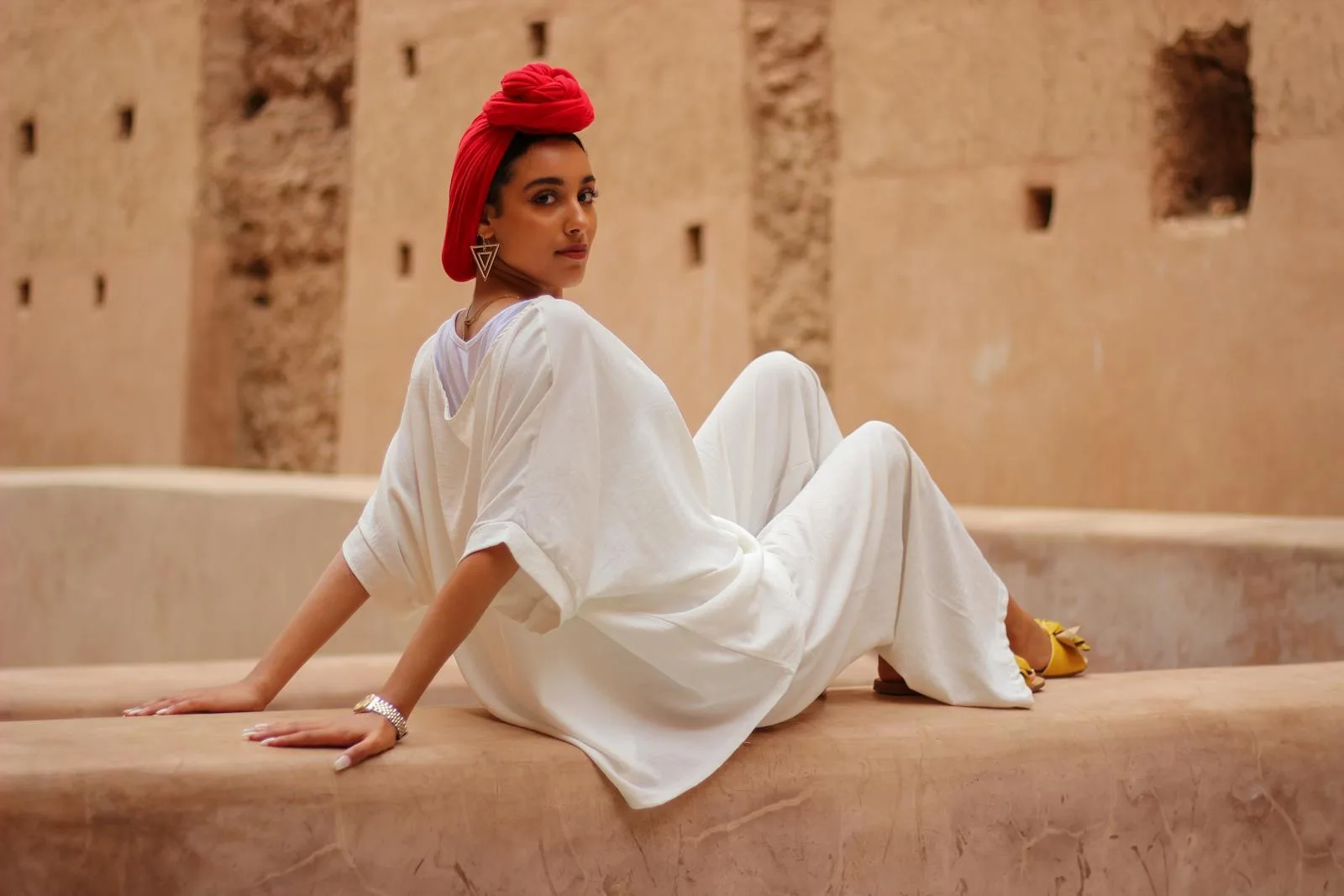
You have a flight booked, a Pinterest board full of saffron sunsets and tiled courtyards, and one nagging question that refuses to leave you alone: what to wear in Morocco as a woman without either looking like you printed a guidebook from 2003 or attracting stares all day in Jemaa el-Fnaa. The honest answer is more relaxed than the internet wants you to believe, and more nuanced than any single packing list can capture. Morocco is not Saudi Arabia, and it is not Ibiza. It sits in its own particular middle, where tourists in linen jumpsuits brush past grandmothers in djellabas, where a teenager in skinny jeans buys saffron from a woman in a hijab, and where the climate shifts more wildly between cities than the dress code does. This guide covers actual outfits for actual situations: a hot July afternoon in Marrakech, a freezing night in Merzouga, a quick mosque visit in Casablanca, a beach day in Essaouira, and the layered pieces that work when you are traveling with kids in tow. No fluff. Just what works.
Quick Takeaways
- Cover shoulders and knees in medinas, villages, and religious sites. Pools, beaches, and most resort grounds are much more relaxed.
- Loose beats tight every time. Form-fitting outfits attract more attention than modest cuts, and they feel hotter on your skin too.
- Pack one lightweight scarf. It triples as sun cover, modesty layer, and an evening shawl when desert temperatures crash after sundown.
- Yes, jeans are fine. Plenty of Moroccan women wear them daily. Just avoid super tight or heavily distressed pairs in rural towns.
- Closed-toe walking shoes are non-negotiable. Medina cobblestones destroy flimsy sandals and your feet by day three.
- Layer for the desert and the Atlas. Sahara nights dip below freezing in winter, and mountain villages surprise visitors year-round.
- Buy a kaftan once you land. It will be the single most useful and photogenic purchase of the trip.
How Should a Female Tourist Dress in Morocco?
A female tourist in Morocco should dress in loose, breathable clothing that covers the shoulders, chest, and knees in public spaces, while keeping the head uncovered unless entering a mosque or spending time in a conservative rural village. That sentence handles roughly 90 percent of the situations you will run into on a two-week trip.
The logic behind the rule matters as much as the rule itself. Morocco is a Muslim-majority country where the average local woman dresses with a baseline of modesty, even when she is wearing skinny jeans and a fitted blouse. As a visitor, you are not expected to mirror her exactly, and no one will hand you a headscarf at the airport. Showing some basic awareness, though, reduces unwanted attention, warms up your interactions with shopkeepers and host families, and keeps you cooler in the strong North African sun. Loose linen with full coverage is more comfortable in a 40°C medina than a tank top and short shorts will ever be. The locals figured that out generations ago.
What to Wear in Morocco as a Woman The rule scales with location. Marrakech, Casablanca, Tangier, and Agadir tolerate far more skin than smaller places. Towns like Moulay Idriss, Tinghir, or any Berber settlement in the High Atlas expect more coverage. Beaches and hotel pools allow swimwear, but always with a cover-up the moment you step beyond the gate. If you are traveling with daughters, the same logic applies, scaled to age. Girls under 10 can wear pretty much anything; older girls benefit from the same modest layering you choose for yourself.
Practical takeaway:
- Cover shoulders and knees in cities, villages, and religious sites.
- Wear swimwear only inside the designated pool or beach zone.
- Loose, pale, natural fabrics handle Moroccan heat better than skin exposure.
- Carry a scarf in your day bag at all times. It solves three different problems in one piece of fabric.
- Read the room. If everyone is in jeans, jeans are fine; if everyone is in a djellaba, layer up.
If you are booking through Morocco Family Vacation, your private guide will quietly cue you on when to add a layer or pull out the scarf, which takes most of the daily second-guessing off your plate.
Reading Moroccan Culture Without Overthinking It
What to Wear in Morocco as a Woman is The biggest mistake first-time visitors make is treating dress code in Morocco like an exam they could fail. It is not. Moroccans are used to tourists, generous about minor missteps, and quick to forgive a forgotten sleeve as long as you are courteous. The smaller mistake is the opposite: assuming nothing matters because Morocco markets itself as liberal, and then wandering through Fez in a sports bra and bike shorts wondering why every conversation feels strained.
What helps is to picture how dress maps to context the same way it does at home. You would not wear a swimsuit to a small-town American church potluck, but you would wear it to the lake. Morocco works the same way, just with the religious-secular line drawn in a slightly different place. A kaftan-style maxi dress with sleeves is the closest universal piece of clothing in the country. It looks elegant for dinner, blends into the medina by day, and you can wear it over a swimsuit straight to the pool.
Knowing what to wear in Morocco as a woman comes down to three variables: where you are, what season it is, and what you are actually doing that hour. Get those three right and the wardrobe almost picks itself.
What to Wear in Morocco as a Woman in Summer
What to Wear in Morocco as a Woman well Summer in Morocco runs roughly from mid-June through early September, and inland temperatures regularly hit 40°C or higher. Marrakech, Fez, and the Sahara are brutal during the day. Coastal cities like Essaouira and Casablanca stay 10 degrees cooler thanks to Atlantic wind. Your wardrobe should account for both ends.
The smart summer formula is loose, long, and pale. Wide-leg linen pants in cream or sand handle the heat better than denim shorts, because they block direct sun and let air move underneath. A breathable cotton tunic with three-quarter sleeves keeps your shoulders covered without trapping heat. Maxi dresses in cotton or rayon are arguably the single best item you can pack for summer travel here. They take you from souk to riad rooftop without a change.
What about shorts and tank tops?
You can wear them inside your riad, by the pool, on a private beach, and in heavy tourist zones like Marrakech’s Gueliz district without any real backlash. The trade-off is sustained attention. Knee-length shorts and t-shirts with sleeves draw far less than micro shorts and a strappy crop top. If staring bothers you (and it bothers most people), the math is easy.
For the Sahara Merzouga, summer counterintuitively calls for more coverage, not less. A long-sleeved cotton shirt with a wide-brim hat or cheche scarf wrapped over your head is what locals wear at noon for a reason. Skin gets cooked fast under a desert sun, and dust is constant. Pair it with light cotton pants and closed shoes that can keep sand out.
Book Your Family Adventure Now — Limited Spots Available!
Book Your Family Adventure Now — Limited Spots Available!
Cool Season Layering: October Through March
Morocco gets cold. Many travelers refuse to believe this until they spend a January night shivering in a riad with marble floors and no central heating. From late October through March, the country runs on layers.
Daytime temperatures in Marrakech can hover around 18 to 22°C, which feels lovely until the sun drops at 6 p.m. and it plummets to 7°C. Fez and Chefchaouen get colder. The Atlas Mountains are properly snowy in midwinter. Even the Sahara, which most people picture as eternally hot, drops to near-freezing at night between December and February.
Pack a mid-weight cardigan or fleece, a packable down jacket, jeans or warm trousers, long-sleeve tops, and a thicker scarf. Closed-toe boots or sneakers replace sandals for most of the day. A pair of thermal leggings under your jeans is genuinely useful for desert camp nights, and any traveler who has spent a January in a Berber tent will tell you the same.
This is the period where knowing what to wear in Morocco as a woman becomes about temperature swings rather than modesty. The cultural rules barely change. The thermometer drops 20 degrees between lunch and dinner, and you need to be ready.
What to Wear in Marrakech as a Woman
Marrakech is the city most travelers ask about, partly because it is hot, partly because it draws every kind of dress code at once. You will see French tourists in halter tops, Moroccan women in jeans and headscarves, Gulf visitors in full abayas, and surf-bro travelers in board shorts. The city absorbs all of it.
Your default for Marrakech should still be loose, covered, and comfortable. The Medina sees the most foot traffic and the most narrow streets where you brush against vendors, donkeys, and motorbikes. A long flowy dress, breathable trousers with a tucked blouse, or jeans with a long shirt all work. Add a scarf and supportive walking shoes and you are set for ten hours of exploring.
For evenings in modern districts like Gueliz or Hivernage, you can dress up considerably. Restaurants like Nomad or rooftop bars are full of women in fitted dresses and heels. The line you draw between medina daywear and Gueliz nightwear can be as wide as you want.
Specific items that actually work in Marrakech
- A maxi dress in cotton or viscose, ideally with sleeves
- Wide-leg linen pants in cream, taupe, or olive
- Two soft cotton tees with sleeves to layer under a kimono or cardigan
- One long button-down shirt that doubles as an open layer
- A cross-body bag worn front-facing in crowded souks
Outfits for the Sahara Desert
The Sahara has its own rules. Sand, sun, and temperature swings of 25 degrees in a single 24-hour period mean your wardrobe needs to flex hard.
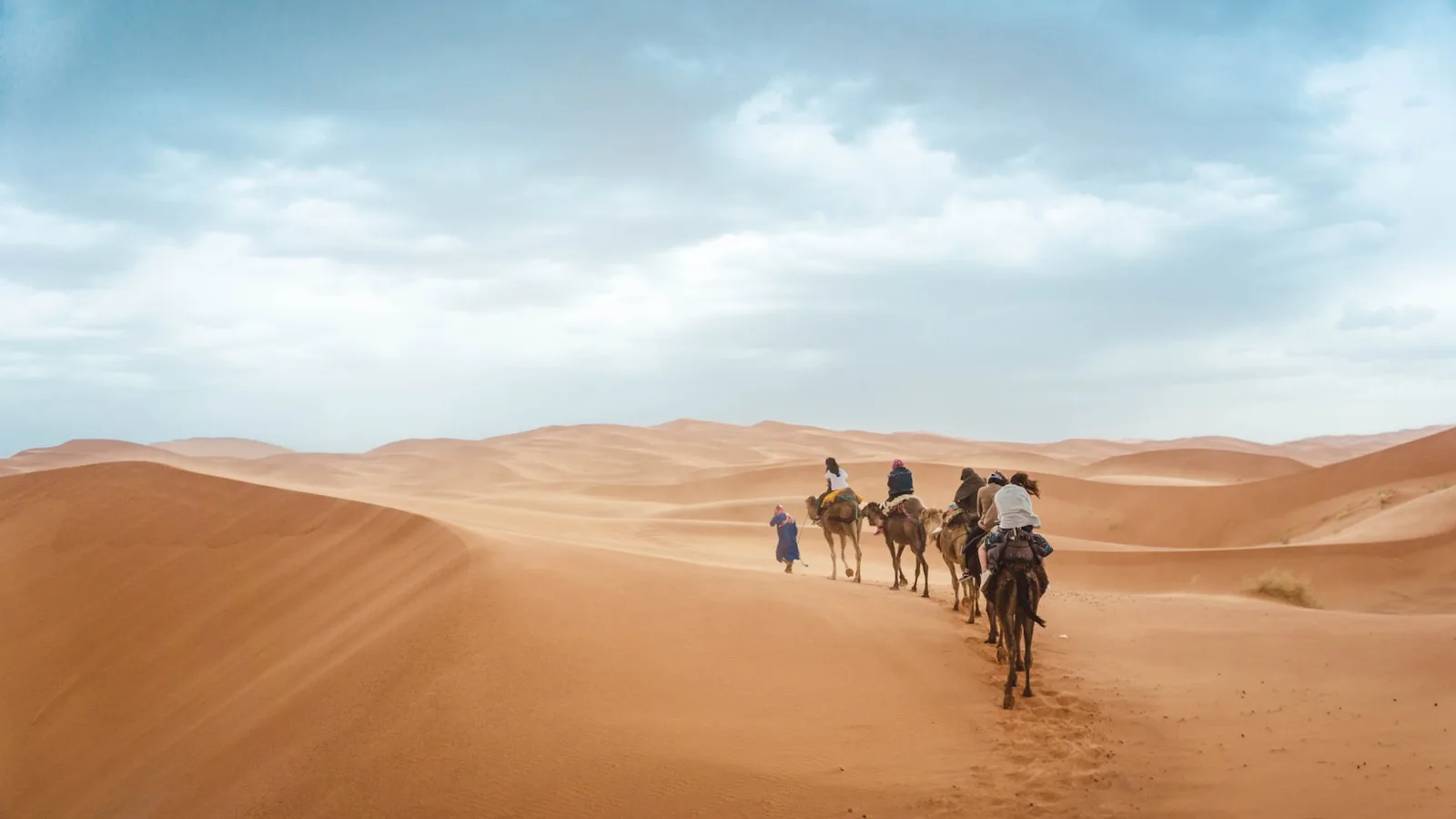
Daytime in Erg Chebbi or Erg Chigaga calls for full coverage in light fabric. A long-sleeve cotton shirt, light pants, and a wrapped scarf protect you from sun and wind-driven sand. Closed shoes are critical, since open sandals fill with sand within minutes and the surface temperature in summer can scorch your feet. A turban or cheche, which guides will help you tie, both shields your face and looks great in photos.
Nighttime is the surprise. Desert temperatures drop fast after sundown. Even in May, you will want a fleece, a warm jacket, and socks. In December and January, layers on layers and a wool hat are smart additions. Berber camp tents have heavy blankets, but you should not rely on them alone. Remember that knowing what to wear in Morocco as a woman in the Sahara specifically is less about modesty (the desert is empty) and more about survival comfort.
Coastal Towns: Essaouira, Asilah, and Tangier
The Atlantic coast runs cooler, breezier, and more relaxed than the inland cities. Essaouira in particular is famous among Moroccans as a laid-back beach town where surf culture meets old fortified walls. You will see women in shorts and tank tops here without any side-eye. The wind is the bigger consideration than the dress code.
A versatile coastal kit looks something like this: a midi cotton dress, a denim or chambray jacket for the wind, jeans or capri pants, two t-shirts, a swimsuit, a beach cover-up, and sneakers or sturdy sandals. Add a lightweight scarf for cool evenings on the medina ramparts.
Tangier is more cosmopolitan and slightly more conservative than Essaouira but more relaxed than Fez. Casual modest dress works perfectly. Asilah is a small whitewashed coastal town with murals and fishing boats, and visitors there blend in with simple, quiet outfits.
Visiting Mosques and Religious Sites
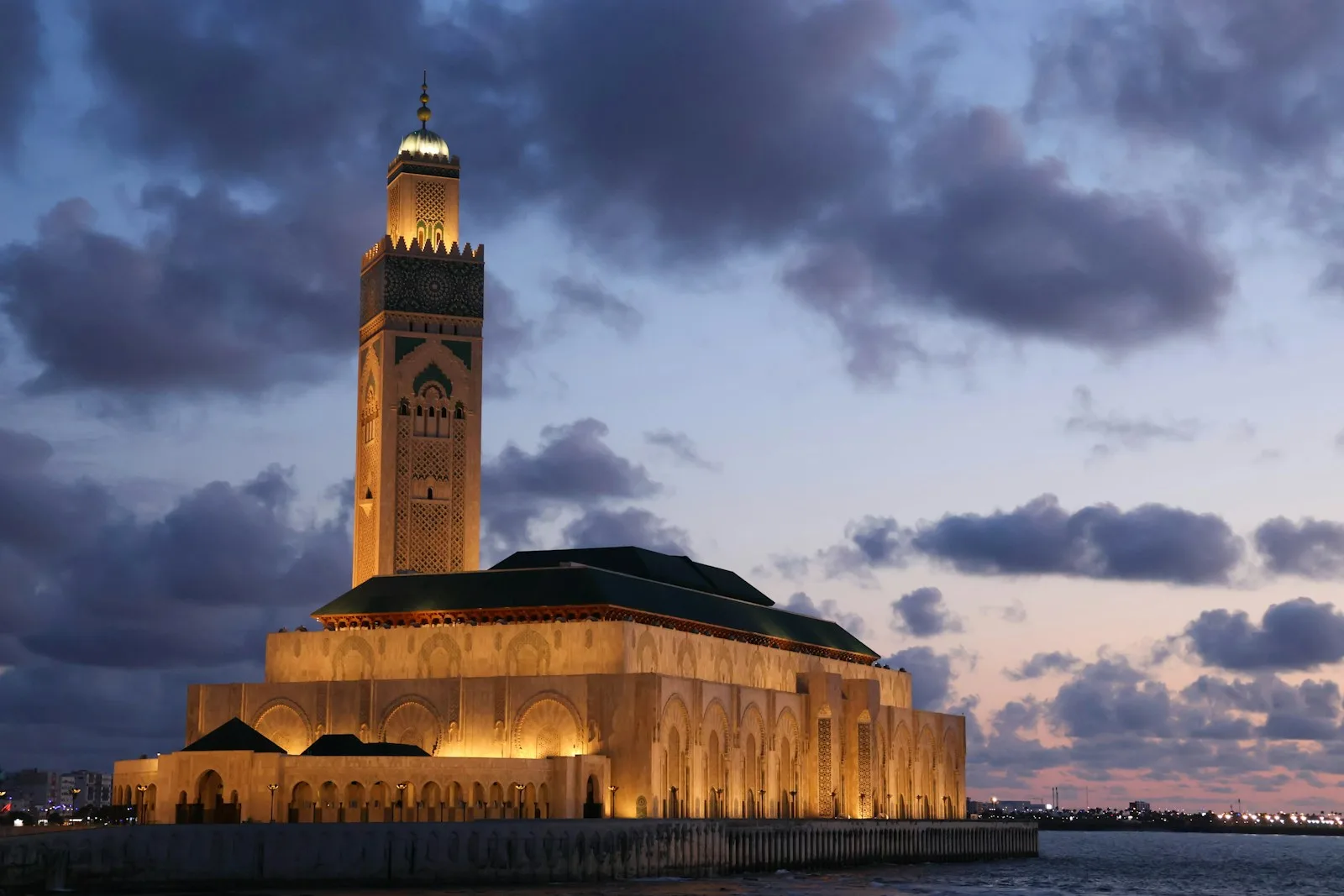
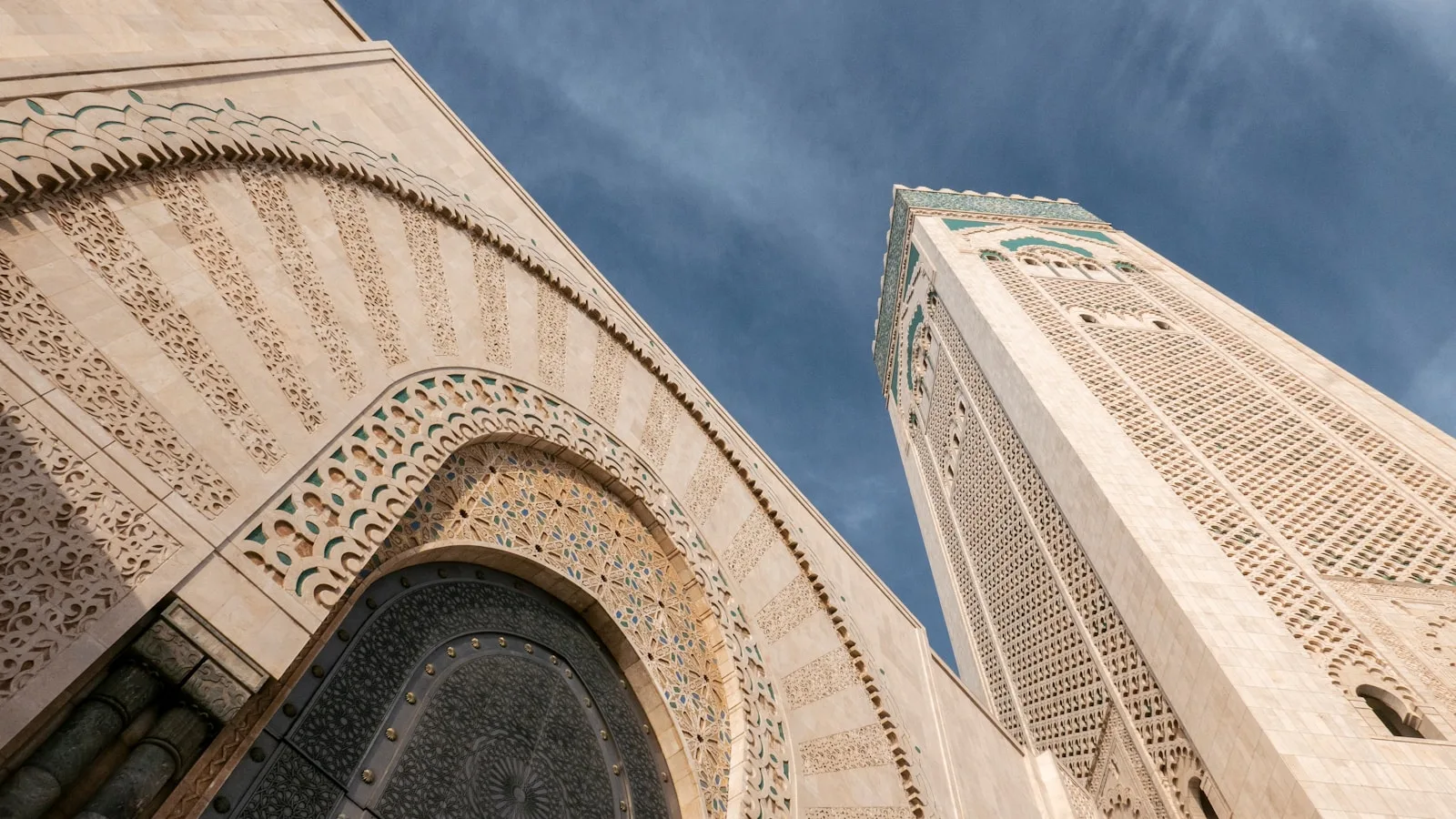
Most active mosques in Morocco are closed to non-Muslim visitors. The few exceptions, like the Hassan II Mosque in Casablanca, have firm dress requirements that you cannot bend. Women must cover arms, legs, and hair. A long skirt or pants, a long-sleeve top, and a scarf wrapped over your head will get you through the entrance without issue. They will hand you a disposable head covering if you forget yours, but bringing your own is the polite move.
For shrines, marabouts, and mausoleums you may pass during your travels (the Saadian Tombs in Marrakech, the Mausoleum of Mohammed V in Rabat), the same coverage rule applies. Slip a scarf over your shoulders and you are fine.
This is the only context in Morocco where what to wear becomes genuinely non-negotiable. Everywhere else is a sliding scale; mosques are a hard line.
Are Jeans OK in Morocco? And Other Common Worries
Yes, jeans are absolutely fine in Morocco. Plenty of local women wear them every day. The only adjustments worth making: avoid the very tight or heavily distressed styles in rural areas, and skip white denim if you are headed to the desert (it will be ruined by lunch). Pair jeans with a longer top that covers your hips and you have a uniform that works in almost every Moroccan city.
Can you show cleavage in Morocco?
Practically speaking, deep necklines invite the kind of attention most travelers actively want to avoid. In tourist-heavy zones of Marrakech or Casablanca, a modest V-neck is fine. Anything lower, and you will feel the difference in how locals respond to you. There is no law against it. There is just a tangible shift in the energy around you. Pack a few crew-neck or boat-neck tops and save the plunging styles for resort dinners.
What are the rules for female tourists in Morocco?
There are no formal legal rules requiring tourists to dress a certain way (mosque entry being the one exception). Public displays of affection are technically illegal, alcohol is restricted to licensed venues, and unmarried couples sharing rooms is technically forbidden but rarely enforced for tourists. None of this directly relates to clothing, but it shapes the broader vibe.
Does dressing provocatively as a woman in Morocco actually cause problems?
It does not get you arrested or fined. It does, statistically, increase street harassment, longer stares, and louder comments. Moroccan women, including local feminists, will tell you the same. None of this is your fault if it happens. It is also a real pattern that affects how comfortable your trip feels day to day.
What to Wear in Morocco as a Woman Traveling with Kids
Family travel changes the wardrobe equation. Chasing a toddler through a souk demands different clothes than a couples’ weekend in a Marrakech riad. Practical fabrics, machine-washable colors, and pieces you can wear three days running become your best friends.
For moms, a kit of two pairs of stretchy wide-leg pants, three loose t-shirts with sleeves, one nicer dress for evenings, sturdy sneakers, and a sun hat will carry you through a 10-day family trip from Casablanca. Add a packable rain shell in spring or a fleece in winter. Cross-body bags or small backpacks beat tote bags when you have a kid on each hip.
For girls, comfort first. Leggings, t-shirts, and modest dresses work everywhere from the Atlas Mountains to a Marrakech rooftop pool. Boys can wear shorts and tees freely; long pants are nicer in mosques and rural towns but not required.
Choosing the right tour operator removes a huge layer of stress. Morocco Family Vacation designs custom private Morocco tours with child-friendly experiences, trusted local guides, and comfortable stays from the medinas to the Sahara, which means you spend energy on memories rather than logistics. Ready to plan your family adventure? Reach out for a tailored itinerary.
The Practical Woman Packing List: 12 Pieces That Cover Every Situation
Here is the actual capsule wardrobe that handles every scenario you will face during a typical 10-day trip:
- Two pairs of wide-leg or relaxed pants in linen, cotton, or stretch fabric
- One pair of jeans
- Three short-sleeve or three-quarter-sleeve tops with modest necklines
- One long-sleeve breathable shirt for sun protection and mosque visits
- One maxi dress with sleeves
- One nicer outfit for dinners (a dress or smart top with pants)
- One cardigan, kimono, or light jacket
- One packable warm layer (fleece or down jacket if traveling November to April)
- Two scarves: one lightweight cotton, one warmer pashmina
- Comfortable closed-toe walking shoes or sneakers
- One pair of leather sandals or flats for evenings
- Swimsuit plus cover-up
This is the foundation for any trip. From here, you adjust by season and itinerary.
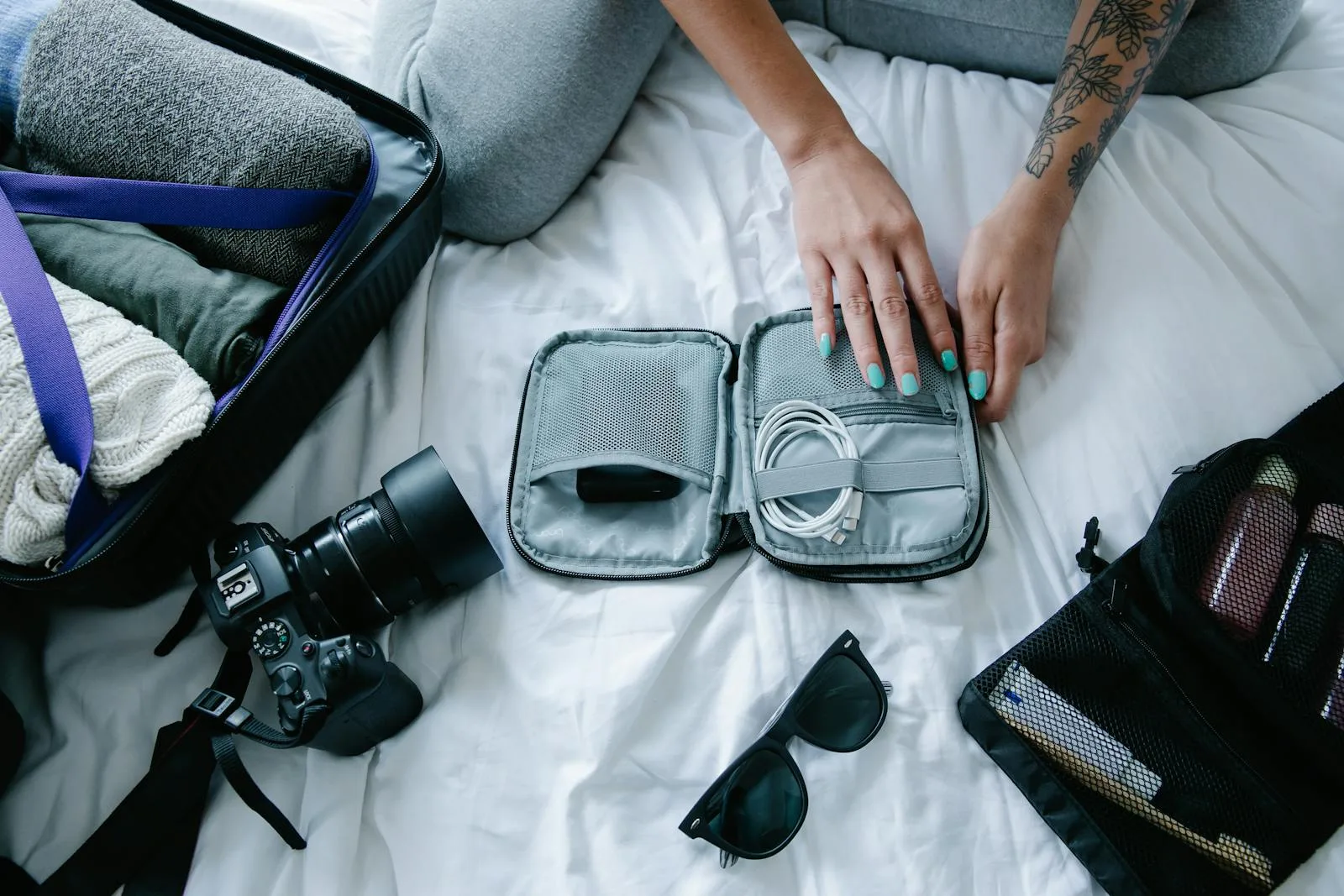
Pro Tip: Dress modestly with lightweight, loose clothes. Cover shoulders and knees to stay respectful and comfortable.
The Fabric Question: What Actually Works in Moroccan Heat
Natural Fabrics Win Every Time
Linen and cotton are the two best options for most of Morocco. They are breathable, easy to wash and dry, look elegant even after hours of walking, and provide full coverage without feeling suffocating. For cooler seasons or mountain trips, merino wool is excellent it regulates temperature well and resists odour, making it ideal for multi-day trips.
Fabric | Best For | Avoid When |
Linen | Summer, cities, souks | High humidity (wrinkles badly when wet) |
Cotton | Year-round, everyday wear | Very humid days (slow to dry) |
Merino Wool | Winter, mountains, desert nights | Peak summer heat |
Moisture-wicking synthetics | Active days, hiking | Religious or traditional sites |
Sheer fabrics | Never as standalone in public | Always needs a layer |
Stick to light colors in summer they reflect heat. Darker tones work well in winter and for evening wear.
Buy It There: Kaftans, Babouches, and Scarves Worth the Trip
One of the smartest moves any visiting woman can make is buying clothing once she lands. Moroccan kaftans run from simple cotton everyday styles to embroidered showpieces. A simple cotton kaftan from a local souk costs around 200 to 800 dirhams (roughly USD 20 to 217 USD) and instantly upgrades both your wardrobe and your photos. They are the most universally appropriate piece of clothing in the country.
Scarves are another easy buy. Cotton or agave-fiber wraps come in every color imaginable, work for sun cover and modesty layers, and pack flat. Babouches (the soft leather slippers) are great for evenings inside your riad, though I would not walk a medina in them.
If you only buy two things, make them a kaftan and a good scarf. The rest of your wardrobe becomes more versatile around them.
What Not to Wear
A short, honest list of pieces I would leave at home:
- Very short shorts and miniskirts
- Spaghetti-strap tank tops worn alone
- Crop tops that show midriff
- Sheer fabrics without an opaque layer underneath
- High heels (the cobblestones will eat them)
- Anything you would be sad to lose to dust, henna stains, or souk crowds
You can technically wear these in tourist zones. The trade-off is comfort and how much energy you want to spend managing reactions all day.
Final Thoughts: Dress Like You Belong
Figuring out what to wear in Morocco as a woman is less a rulebook and more a posture. You are dressing for a country that values modesty without demanding uniformity, that has been hosting visitors for centuries, and that responds warmly to people who arrive curious and prepared. Loose pants, a few good tops, a scarf, comfortable shoes, and one knockout kaftan you bought in Fez. That is genuinely the formula. Add layers for cold, swap to lighter fabrics in summer, and read the room as you move from a Marrakech rooftop to a Berber village to a Sahara dune.
The women I have watched travel Morocco best are not the ones who packed every modesty rule into a spreadsheet. They are the ones who showed up with five well-chosen pieces, picked up a kaftan on day two, learned to tie a scarf by day four, and walked through every neighborhood with curiosity and ease.
If you want a trip that feels effortless, especially with children in tow, Morocco Family Vacation specializes in custom private Morocco tours designed for families, with child-friendly experiences, trusted local guides, and comfortable stays from the medinas to the Sahara. Ready to plan your family adventure? Reach out and we will build the itinerary around your dates, your kids’ ages, and your travel style.
─── Your questions, our answers.
Frequently Asked Questions
: Do I need to cover my hair as a female tourist in Morocco?
No female tourists are not required to wear a hijab or cover their hair in Morocco. However, carrying a lightweight scarf is strongly recommended. You’ll need it when visiting mosques or more conservative religious areas, and you’ll quickly discover how useful it is for sun protection in the desert or on hot days.
Can women wear shorts in Marrakech?
Yes, women can wear shorts in Marrakech, especially in tourist areas, hotels, resorts, and modern neighborhoods. However, knee-length shorts or loose-fitting styles are more culturally appropriate than very short or tight shorts. In the medina or less touristy areas, longer shorts, skirts, or lightweight trousers are recommended.
What is the best fabric for what to wear in Morocco as a woman in the heat?
Cotton and linen, in pale colors, with loose cuts. They breathe, dry fast, and protect you from direct sun better than synthetic blends. Avoid polyester and rayon-heavy pieces in summer; they trap heat and show sweat.
What should I wear in the Sahara Desert on a camel trek?
Light, breathable fabrics, a scarf or turban for dust, and long sleeves to protect from the sun are essential. Add a warm fleece or packable puffer jacket for the evening camel ride and overnight camp desert nights can drop to near-freezing in winter and get surprisingly cold even in summer. Sturdy sandals or trainers work well on soft sand.
Is it okay to buy clothes in Morocco if I've under-packed?
Absolutely and honestly, it’s one of the best things you can do. Moroccan scarves, kaftans, and lightweight tunics are affordable, beautiful, and perfectly suited for the trip. Shopping in the Marrakech or Fes souks is an experience in itself. Many travelers end up buying a djellaba or two to wear for the rest of their trip.
Do female travelers need to cover their hair in Morocco?
Female travelers do not need to cover their hair in Morocco. Headscarves are optional and mostly used for comfort, sun protection, or when entering religious sites. Carrying a lightweight scarf is recommended, as it allows women to adapt easily to different cultural situations.
What should women wear when visiting mosques in Morocco?
When visiting mosques or religious sites in Morocco, women should wear long pants or a long skirt, long sleeves, and clothing that covers the chest and shoulders. Some mosques may request a scarf to cover hair. Dressing respectfully ensures access and shows cultural awareness.
Can women wear swimsuits in Morocco?
Yes Women can wear swimsuits at hotel pools, riads, resorts, and some beaches, especially in tourist areas. However, bikinis should be modest, and a cover-up should be worn when leaving the beach or pool area. Topless sunbathing is not acceptable in Morocco.
What to wear in Morocco as a woman tourist visiting in July or August?
Lightweight, loose, long. Cotton or linen wide-leg pants, a maxi dress with sleeves, breathable tops with modest necklines, a sun hat, and a scarf. Counterintuitively, more coverage in light fabric keeps you cooler than tank tops and shorts under the Moroccan sun.

Kate Carter
Family Travel Blogger
Kate Carter is a mom and travel blogger who fell in love with Morocco’s culture and warmth. Through Morocco Family Vacation, she shares tips and stories to help travelers enjoy authentic, stress-free experiences. Join us along the way.
Table of Contents
Our Services
-
Private Family Tours
-
Custom Itineraries
-
Sahara Desert Tours
-
Chefchaouen & Northern Morocco Tours
-
Luxury Desert Camping
-
Multi-Day Tours (2–16 Days)
-
Atlas Mountains Trips
-
Cooking Classes & Market Visits
-
Photography & Heritage Tours
-
Airport Transfers & Private Transport
-
Custom Birdwatching Tour in Morocco
-
24/7 Tour Support & booking Flexibility
At Morocco Family Vacation, we create custom Morocco tour packages designed around your interests and travel style. As a dedicated and independent travel agency, we specialize in private Morocco tours offering memorable desert adventures, cultural experiences, and family friendly itineraries while delivering attentive, personalized service from start to finish.
Popular Tours
Latest Posts
get in touch
#dress code
#Female travel Morocco
#Morocco travel wardrobe
#Morocco vacation packing