
Morocco Tours from Australia
Morocco Tours from Australia: The Complete Family Guide
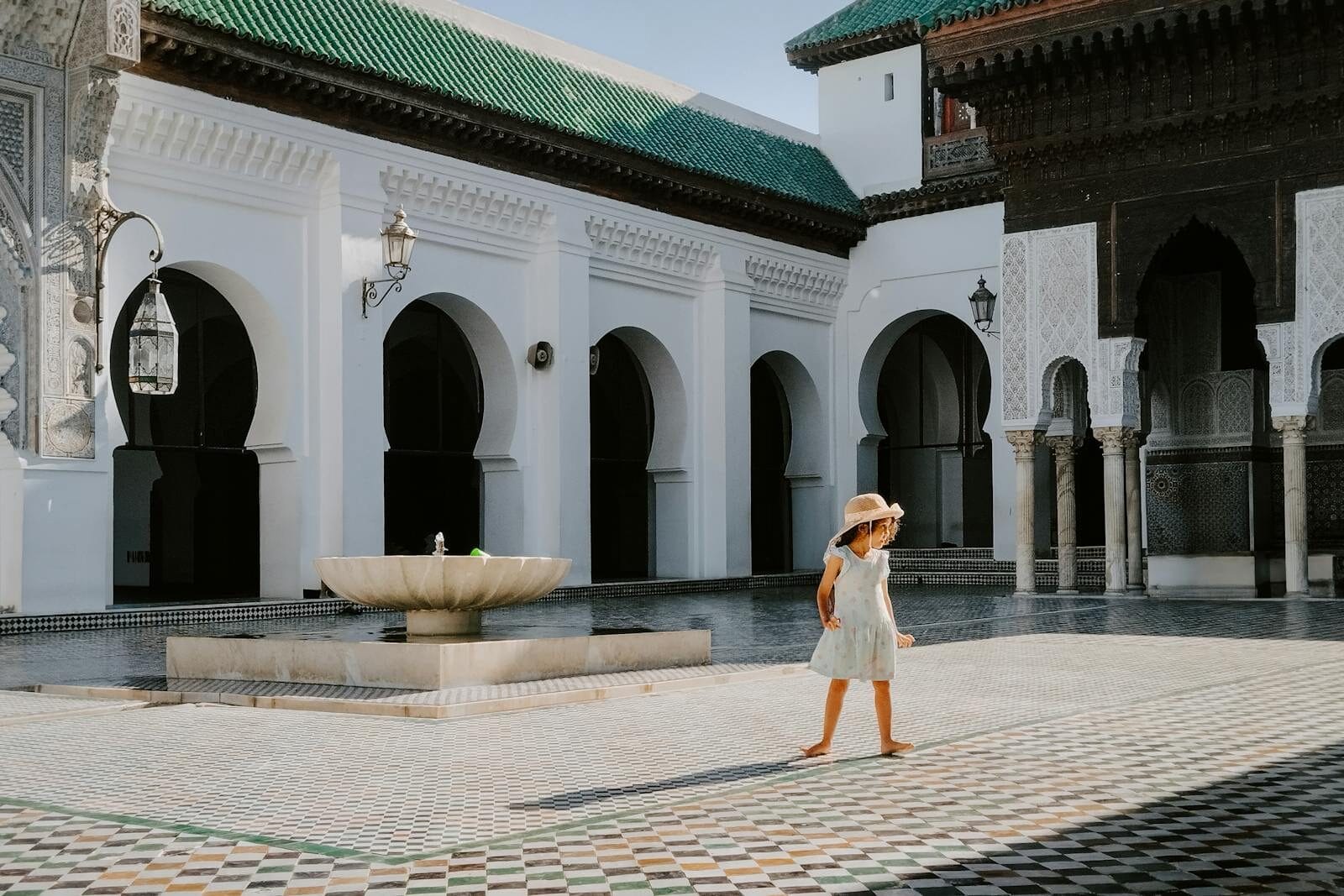
Somewhere between a 25-hour flight and the first whiff of cumin-dusted lamb drifting through a Marrakech laneway, something shifts. Morocco has a way of doing that, quietly rearranging your sense of what travel can feel like. For Australian families, Morocco tours represent one of the most genuinely different journeys you can take without crossing into truly demanding territory. The distance is real, but so is the reward.
This guide covers everything you need to plan Morocco tours from Australia with confidence: how to get there, when to go, what a well-structured itinerary actually looks like, and how to make the trip work brilliantly for families with kids of any age. You will find practical flight advice, honest guidance on accommodation, a breakdown of the country’s most compelling regions, and the cultural knowledge that turns a good trip into an unforgettable one.
Whether you are drawn by the terracotta towers of Marrakech, the blue-washed alleys of Chefchaouen, or the idea of sleeping under Saharan stars, there is a Morocco tour from Australia to match exactly what your family needs.
Discover Morocco together in comfort with private transfers, family-friendly riads, and memorable experiences designed for all ages. Plan Your Family Trip
10 Day Culture & Desert Family Journey
Share unforgettable moments from the Atlas Mountains to the Sahara Desert. Camel rides, desert camp nights, and handpicked stays perfect for families. Customize Your Journey
11 Day Relaxed Family Vacation Retreat
Unwind along Morocco’s coasts and historic cities at a gentle pace. Perfect for families seeking comfort, connection, and lasting memories together. Book Your Escape
Why Morocco Tours from Australia Are Worth Every Hour in the Air
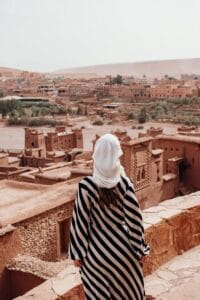
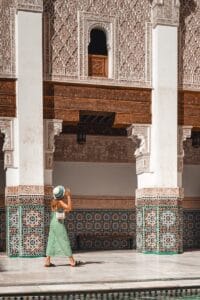
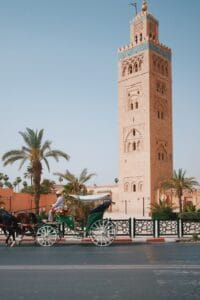
The flight from Australia to Morocco is not short. Depending on your departure city and your chosen hub, you are looking at roughly 24 to 33 hours of travel time, including a stopover. Sydney to Casablanca via Dubai, for instance, clocks in around 29 to 33 hours total. Melbourne to Marrakech via Doha or Abu Dhabi sits in a similar range.
That sounds daunting. But consider what waits at the other end.
Morocco sits at the intersection of three continents worth of influence: Amazigh Berber tradition, Arab Islamic culture, Andalusian architecture, and sub-Saharan trade routes. The result is a country where ancient walled cities operate as living urban centres, where hand-tiled fountains anchor the courtyards of centuries-old universities, and where the desert begins just a few hours from the coast. You will not find this combination anywhere closer to Australia.
The practical case is compelling too. Australian passport holders do not need a visa for stays of up to 90 days. The Moroccan dirham is affordable against the Australian dollar. And while Morocco is distinctly unfamiliar, it has solid tourism infrastructure: reliable highways, a network of comfortable riads, good domestic flight connections, and an established community of knowledgeable local guides.
For families in particular, Morocco tours from Australia deliver an experience that is genuinely educational, visually extraordinary, and logistically manageable when planned well. Moroccan culture is deeply family-oriented, and children are welcomed with warmth almost everywhere you go.
Are Morocco tours suitable for families?
Yes, Morocco tours can be an excellent choice for families, offering a mix of culture, adventure, and relaxation that appeals to both adults and children. Many family-friendly Morocco tours include comfortable private transportation, flexible pacing, and accommodations such as riads and desert camps that welcome children. Families can enjoy camel rides in the Sahara, explore ancient medinas, visit the blue streets of Chefchaouen, and discover the Atlas Mountains together. A well-designed itinerary balances sightseeing with downtime, making travel easier with kids. Private tours are especially popular for families because they can be customized around children’s ages, interests, and travel style, creating a safe, enriching, and memorable experience.
How to Get There: Flights from Australia to Morocco
There are no direct flights from Australia to Morocco, so every journey involves at least one stopover. That is not necessarily a disadvantage. A well-chosen layover in Dubai, Doha, or Abu Dhabi can break the long haul into two manageable legs, and for families traveling with children, an overnight stopover can make the difference between arriving exhausted and arriving ready to go.
The main airline options from Australia include:
- Emirates via Dubai (DXB) to Casablanca or Marrakech. This is one of the most popular routes, with multiple daily departures from Sydney, Melbourne, Brisbane, and Perth.
- Qatar Airways via Doha (DOH) to Casablanca. Qatar’s network means good connection options, and the airline is consistently well-rated for long-haul comfort.
- Etihad Airways via Abu Dhabi (AUH) to Casablanca. A solid option with multiple daily departures from Australian cities.
- Turkish Airlines via Istanbul, connecting through Singapore or another Australian gateway. A longer route but sometimes competitively priced.
Round-trip fares from Australia typically start around AUD 1,500 to AUD 2,500 per person depending on the season, cabin class, and how far in advance you book. School holiday periods and peak spring and autumn dates tend to push prices higher, so booking four to six months in advance is advisable for Morocco tours from Australia that coincide with Australian school breaks.
A practical tip for families: if your journey involves a long layover in Dubai or Doha, consider a brief stopover hotel stay. Even eight hours of rest, a shower, and a proper meal can reset small travellers before the second leg. Both airports have family-friendly transit hotels available.
Entry point choices matter. Most tours begin in either Casablanca or Marrakech. Casablanca is Morocco’s largest city and its primary international gateway, well-suited for tours heading north toward Fez, Rabat, and Chefchaouen. Marrakech has a more tourist-ready arrival experience and works better as the starting point for itineraries heading south toward the Atlas Mountains and the Sahara.
What is the best time for Morocco tours from Australia?
The best time for Morocco tours from Australia is generally during spring (March to May) and autumn (September to November). These seasons offer mild temperatures, making it comfortable to explore imperial cities, mountain villages, and the Sahara Desert. Spring brings green landscapes and pleasant weather, while autumn offers warm days and cooler desert nights. For Australians escaping winter, June to August can also be attractive, especially for coastal areas and mountain regions, though some inland cities can be hot. Winter travel from December to February is great for fewer crowds and desert experiences, but mountain areas may be cold. Choosing the best season depends on whether you prioritize weather, school holidays, or specific experiences.
Best Time to Visit Morocco: Planning Around Australian School Holidays
Timing a Morocco tour from Australia well is not complicated, but it does require some thought.
Spring (March to May) is broadly considered the best window. Temperatures sit between 20 and 28 degrees Celsius across most regions, the countryside is green after winter rains, and the desert is warm without becoming prohibitive. Easter school holidays fall within this window, making it a popular choice for Australian families.
Autumn (September to November) is equally strong. The summer heat has broken, the Sahara has cooled to comfortable overnight temperatures, and the light in the south is remarkable. For families who can travel outside of Australian school holidays, September and October offer slightly thinner crowds at major sites.
Summer (June to August) brings intense heat, particularly inland and in the Sahara where temperatures can exceed 45 degrees Celsius. Coastal cities like Essaouira remain far more manageable, but summer tours through the desert or Atlas region can be genuinely uncomfortable for children.
Winter (December to February) is mild in the cities but cold in the mountains and at night in the desert. The Atlas Mountains can receive snow, which is either an adventure or an inconvenience depending on your itinerary.
Ramadan deserves a mention. The timing shifts each year, but if your trip falls during the holy month, expect reduced dining hours and a more contemplative atmosphere in cities. Many restaurants remain closed until after sunset. Some travellers find this an enriching cultural experience; others prefer to avoid it with young children who need regular meals on a schedule.
Choosing the Right Morocco Tour from Australia: Group, Private, or Custom
When planning Morocco tours from Australia, one of the first decisions is whether to join a group tour, book a private tour, or build a self-directed itinerary.
Group tours are offered by operators including Intrepid Travel, Trafalgar, Insight Vacations, Wendy Wu Tours, and TripADeal. These packages typically include return flights from Australia, accommodation, a local guide, and transport between cities. They work well for solo travellers and couples who enjoy the social aspect of group travel, and they offer the convenience of having logistics handled end to end.
Private tours are increasingly popular for Australian families and are particularly well-suited to travel with children. A private itinerary means you move at your own pace, stop when the kids need a break, skip attractions that don’t land, and add extra time at the places everyone loves. Accommodation choices are typically better too, with family-run riads that can be selected specifically for their space, courtyards, and child-friendly setups.
Custom private Morocco tours designed for families, with child-friendly experiences, trusted local guides, and comfortable stays from the medinas to the Sahara are exactly what Morocco Family Vacation specialises in. If you want a trip where nothing is left to chance and every day is built around what actually works for your family, a custom tour is the approach worth exploring. Plan Your Family Adventure with a team that knows Morocco from the ground up.
Self-drive tours are possible and some families choose this route, particularly for exploring the south. Roads in Morocco are generally in good condition, GPS works well, and the scenery between cities is worth experiencing slowly. That said, city driving, particularly in and around the medinas of Marrakech and Fez, requires confidence and patience.
Must-Visit Destinations in Morocco
Morocco is packed with iconic destinations. Marrakech is known for its vibrant markets and historic palaces. Fes offers a deeper cultural experience with its ancient medina.
The Sahara Desert is often the highlight, where travelers can ride camels and spend nights under the stars. Chefchaouen, the blue city, provides a quiet and scenic contrast.
Each destination adds a unique layer to your journey, making Morocco tours from Australia diverse and memorable.
Ready to Start Your Morocco Journey?
Let us help you design a smooth, affordable, and memorable journey crafted by local travel experts who know Morocco best.
Marrakech: Where Most Morocco Tours Begin
Marrakech is many visitors’ introduction to Morocco, and it earns that position. The city is layered, noisy, and enormously entertaining, particularly for families arriving with curious kids.
The medina sits at its core, a tightly woven maze of souks, workshops, mosques, and residential alleys that has been continuously inhabited for nearly a thousand years. The main square, Djemaa el-Fna, changes character across the day. In the morning it’s relatively calm; by late afternoon, food stalls assemble, performers gather, and the whole thing becomes one of the great public spectacles in travel. Children tend to love it, particularly the street food, the acrobats, and the unpredictable energy of the crowd.
Specific highlights for families in Marrakech:
- Jardin Majorelle: the cobalt-blue garden and villa designed by French artist Jacques Majorelle and later restored by Yves Saint Laurent. The colour alone is worth the visit, and the garden is peaceful enough to enjoy with smaller children.
- Le Palais de la Bahia: a sprawling 19th-century palace whose scale gives children a concrete sense of historical wealth and power in a way that textbook descriptions never quite manage.
- The souks: overwhelming at first, genuinely fascinating once you have a guide. Leather workshops, spice stalls, metalwork, carpet weavers, and pottery yards are all within walking distance of each other.
- A cooking class: many riads offer family-friendly sessions where you learn to make a basic tagine and perhaps some harira soup. It’s interactive, it produces lunch, and kids remember it long after they’ve forgotten what colour the palace walls were.
Give Marrakech at least two full days, three if it’s your first visit. The pace of the medina rewards slowness.
Do Australians need a visa for Morocco?
Australian passport holders generally do not need a visa for tourist visits to Morocco for stays of up to 90 days, which makes travel planning relatively simple. Travelers typically need a passport valid for at least six months beyond their entry date and may be asked to show proof of onward travel and accommodation details. Since entry rules can change, it is always wise to check the latest requirements before departure through official government sources or Moroccan consular information. For most Australians visiting on guided tours or independent holidays, Morocco’s visa-free access makes it a convenient destination. Tour operators often assist with travel preparation, including practical advice on arrival procedures, customs, and travel documentation.
Fez: The Most Intact Medieval City in the World
Fez el-Bali, the old city of Fez, has around 9,400 streets, lanes, and alleys within its walls. Most of them are too narrow for any vehicle wider than a loaded donkey. It is, by any honest measure, the most disorienting urban environment most Australians will ever walk through.
It is also exceptional.
The medina of Fez was founded in the 9th century and has changed relatively little in its essential character since then. The Qarawiyyin mosque and university, established in 859 CE, is considered by many historians to be the oldest continuously operating university in the world. Tanneries that you can look down on from surrounding leather shops have been producing Moroccan leather using pit-dyeing methods for over six centuries.
For families: a good guide is not optional in Fez, it’s essential. The medina is genuinely difficult to navigate without local knowledge, and a knowledgeable local guide turns what could be a frustrating afternoon into a coherent and memorable experience. Look for guides who can pitch their explanations at a level that works for both adults and curious ten-year-olds.
Kids are particularly fascinated by the tanneries, the way dye pits are arranged by colour, the workers standing waist-deep in liquid, and the overwhelming smell (which the mint sprigs handed out at leather shop entrances only partially address). It’s the kind of sensory experience that lingers in memory.
Plan two nights in Fez at minimum. The food scene is excellent and slightly underrated compared to Marrakech.
Chefchaouen: The Blue City in the Rif Mountains
Chefchaouen sits in the Rif Mountains in northern Morocco and is, visually, one of the most striking places in the country. The medina’s buildings are painted in layers of blue, from pale sky tones to deep indigo, and the effect as you walk through its stepped alleyways is genuinely arresting.
The city was founded in 1471 and served for centuries as a refuge for Moorish and Jewish refugees from Andalusia. The Jewish community that settled here brought the tradition of painting buildings blue, a practice that continues today and gives the city its distinctive character.
For families, Chefchaouen offers something different from the imperial cities. It’s smaller, calmer, and easier to navigate. Children can roam the alleyways with less anxiety about getting separated, the pace is slower, and the surrounding Rif Mountains offer hiking opportunities that suit families with older kids. The local goat cheese, produced in the region, is worth seeking out at the morning market.
One or two nights is typically enough, though many families wish they had stayed longer.
The Sahara Desert: The Experience Children Never Forget
Ask anyone who has done Morocco tours from Australia what their children talk about most after returning home, and the answer is almost always the same: the desert.
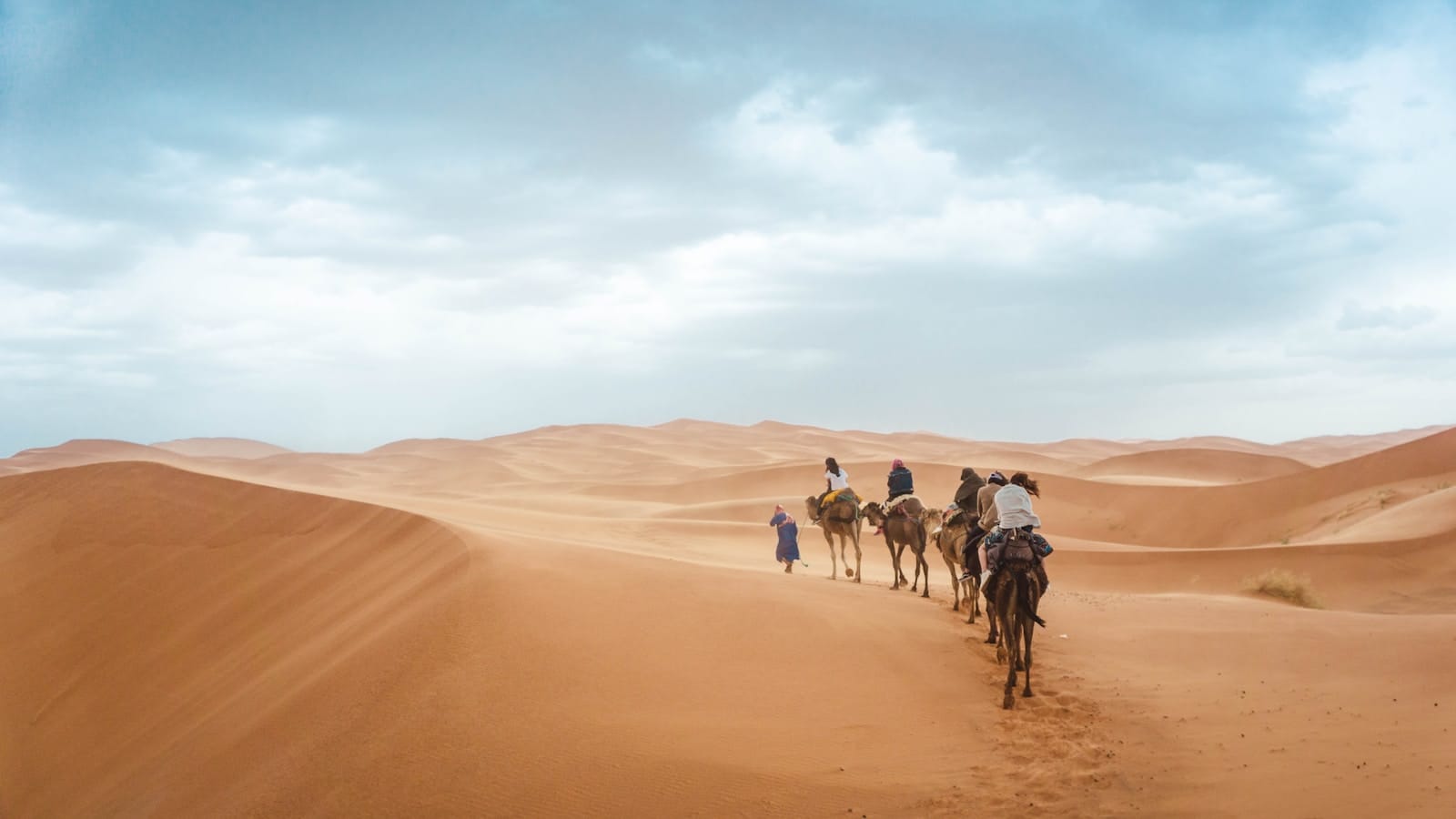
The main access point for Saharan experiences is the Erg Chebbi dune field near Merzouga, in the southeastern corner of Morocco. The dunes here rise to around 150 metres, their colour shifting between gold and deep amber as the sun moves across the sky.
The standard Sahara experience from Merzouga includes:
- An afternoon camel ride into the dunes, timed to arrive at camp around sunset
- An overnight stay in a desert camp, ranging from basic shared tents to genuinely comfortable private glamping setups
- A pre-dawn climb to watch the sunrise over the dune ridge
- Optional quad biking, sandboarding, and fossil hunting in the surrounding area
For families, private desert camps are worth the additional cost. They allow you to keep the children in your own space, eat at times that suit your schedule, and retreat if small people hit a wall at 10pm. The star visibility in the Sahara, away from any meaningful light pollution, is extraordinary and makes for a science lesson that no classroom could replicate.
Getting to Merzouga from Marrakech or Fez takes either a long drive (a full day) or a combination of driving and domestic flying. For families with young children, breaking the journey with a night in the Dades Valley, which runs along a river gorge through dramatically eroded rock formations, is a good option.
Morocco for Families: What Actually Works with Kids
Morocco is a more natural fit for family travel than many Australians expect. Moroccan culture is genuinely family-centred, and children attract warmth from locals in a way that smooths over the more awkward moments of navigating an unfamiliar country.
What works particularly well:
- Riads as accommodation. Traditional courtyard houses converted into small hotels, riads offer more space than a standard hotel room, often with a rooftop terrace, a shaded courtyard, and staff who are accustomed to families and their rhythms.
- Food. Moroccan cuisine is not aggressively spiced, and dishes like couscous, tagines with chicken and preserved lemon, fresh bread, and grilled meats are almost universally accepted by children who eat at all. Restaurants in tourist areas can also accommodate dietary needs.
- Private transport. Booking a private vehicle with a driver for intercity travel means you stop when you need to, manage the pace to suit the group, and avoid the complications of navigating public transport with luggage and tired kids.
- Cooking classes and craft workshops. Activities that involve making something, bread baking, tile painting, pottery, leather tooling, hold children’s attention and give them a direct connection to what they’re experiencing.
The main caution is the medinas. In busy tourist medinas, particularly those of Marrakech and Fez, the narrow alleys carry motorbike and cart traffic that does not slow down for pedestrians. Keep children close, move in a group, and stay oriented. It’s manageable, but it requires attention.
One thing many families underestimate when planning: build in genuine rest days. The long flight, the time zone adjustment (Morocco runs 8 to 10 hours behind Australian eastern time), and the sensory intensity of the cities mean that everyone, adults included, will need occasional downtime. A quiet afternoon at the riad is not wasted time; it’s the thing that keeps the rest of the trip enjoyable.
Spain, Portugal and Morocco Tours from Australia: The Three-Country Option
A growing number of Australians are combining Morocco with Spain and Portugal to create a broader North Africa and Iberian Peninsula itinerary. Spain, Portugal and Morocco tours from Australia make geographic sense: the three countries are closely linked historically, separated only by the Strait of Gibraltar, and each adds something distinct.
The standard combined route typically looks like this: fly into Lisbon, travel through Portugal’s cities and coastline, cross into southern Spain (Seville, Granada, Andalusia), cross to Morocco via ferry or flight, and spend eight to ten days in Morocco before flying home. Some operators run this as a single guided tour; others leave it to travellers to connect the pieces.
What makes this combination work:
The Moorish influence that shaped southern Spain, particularly Granada’s Alhambra palace, makes a great deal more sense after you have spent time in Morocco. Conversely, the Andalusian influence on Moroccan cities like Chefchaouen and Fez, from architecture to the presence of Arabic words with Spanish roots, is easier to appreciate when you have just come from the other side of the strait.
For families, the combined itinerary works best at 18 to 22 days total, which gives enough time in each country to move at a pace that suits children. Shorter versions feel rushed; longer versions require kids who genuinely enjoy constant travel. Spain, Portugal Morocco tours from Australia require a bigger budget, but the depth of experience is difficult to replicate any other way.
Morocco Tour Packages from Australia: What to Look For
When evaluating Morocco tour packages from Australia, it’s easy to get lost in itinerary comparisons. A few key factors matter more than the rest.
Guide quality. A knowledgeable, personable local guide changes the entire experience. Ask operators how guides are selected and trained, what languages they speak fluently, and whether they have experience with families specifically.
Pace. Too many stops in too many cities in too few days is the most common complaint in post-trip reviews of Morocco group tours. A well-paced family itinerary spends at least two nights in each major city and builds in genuine downtime.
Accommodation. Riads in the medina are generally preferable to international hotels on the city outskirts, particularly for families who want to feel the texture of the place rather than view it from a distance. Ask specifically about family room configurations and whether properties have internal courtyards where children can play safely.
What’s included. Some Morocco tour packages from Australia include international flights; others price the ground tour separately. Both models work, but know which you’re pricing. Entrance fees to major sites, internal transport, and tipping expectations should all be clear before you book.
Support. What happens if something goes wrong? For families traveling from Australia, having a tour operator with 24-hour local support, a clear plan for medical emergencies, and transparent cancellation terms is not a minor detail.
Morocco Family Vacation builds : custom private Morocco tours designed for families, with child-friendly experiences, trusted local guides, and comfortable stays from the medinas to the Sahara. Plan Your Family Adventure today and start with a conversation about what your family actually wants from the trip.
Practical Travel Essentials for Morocco from Australia
Currency: Morocco uses the Moroccan Dirham (MAD). Australian dollars can be exchanged at airports, banks, and exchange offices in Morocco. ATMs are widely available in cities. Markets and smaller vendors generally prefer cash.
Power adapters: Morocco uses Type C and Type E plugs, running on 220V. Australian plugs are Type I, so a universal adapter is essential.
Time zone: Morocco operates on Western European Time (UTC+0), which puts it 10 to 11 hours behind Australian Eastern Standard Time depending on daylight saving. The jet lag adjustment is real, particularly for children, and is worth planning for with an easier first day.
Mobile connectivity: International roaming works but can be expensive. A local SIM card purchased in Morocco is inexpensive and gives good data coverage in cities and along major routes.
Health: No specific vaccinations are required for Morocco from Australia, though it’s worth confirming with your travel doctor before departure. Drink bottled water consistently, carry a basic first aid kit, and bring any prescription medications in sufficient supply for the full trip. Travel insurance with comprehensive medical coverage is non-negotiable on any trip of this distance.
Safety: Morocco is generally safe for family travel, particularly on guided tours. Exercise the same awareness you would in any unfamiliar city: watch for pickpockets in crowded medinas, keep children within sight, and follow your guide’s advice on which areas to avoid at night. The tourist police (dial 190 for police, 15 for ambulance) are responsive in major tourist cities.
Dress: Morocco is a Muslim-majority country and modest dress is appreciated, particularly in religious areas and smaller towns. Shoulders and knees covered is the baseline. In Marrakech and other tourist-heavy cities there is more variation, but dressing respectfully costs nothing and earns you notably warmer interactions.
Need Help with Transportation in Morocco?
Book a reliable private driver for your Morocco family adventure today – personalized routes designed just for you, and get 30% off as a first-time visitor!
Quick Takeaways: Morocco Tours from Australia
- No visa required for Australian passport holders staying up to 90 days
- Best time to go: March to May or September to November for families
- Flight time: 24 to 33 hours with one to two stopovers via Dubai, Doha, or Abu Dhabi
- Ideal trip length: 10 to 14 days for Morocco alone; 18 to 22 days for a Spain, Portugal and Morocco combination
- Private tours work better than group tours for most families with children under 16
- Riads are the right call for family accommodation: more space, more character, and better local service than chain hotels
- Book four to six months in advance to secure preferred flights and quality riad accommodation during Australian school holiday periods
Conclusion: Time to Start Planning Your Morocco Family Tour from Australia
Morocco is not a destination that delivers a mild experience. It asks something of you, a willingness to accept disorientation as part of the deal, to follow your nose down a laneway without knowing where it leads, to sit with the unfamiliarity long enough for it to become something you genuinely appreciate. For families, that asking is actually a gift. Children who travel through Morocco come home with a reference point for difference that no curriculum can provide.
The logistics are manageable when you plan well. The flight is long but not unbearable, particularly when broken with a considered stopover. The best Morocco tour packages from Australia handle the complexity so that you arrive into each new place ready to engage, not just to recover.
Whether your family spends ten days in the imperial cities and desert, or extends into a broader Spain, Portugal and Morocco tour from Australia, the investment of distance and planning pays off with experiences your children will describe to their own children one day.
Morocco Family Vacation designs custom private Morocco family tours built around what families actually need: trusted guides, child-friendly pacing, comfortable and interesting places to sleep, and experiences that hold attention at every age. If you are ready to stop thinking about it and start building the itinerary, Plan Your Family Adventure with a team that knows this country well.
─── Your questions, our answers.
Frequently Asked Questions
Our dedicated team is here to answer your Morocco Travel questions and ensure a smooth, memorable journey through Morocco.
How long should a Morocco tour from Australia be to make the trip worthwhile?
Given the travel time involved in Morocco tours from Australia, most experienced travellers recommend a minimum of ten days on the ground in Morocco. This allows time in at least two major cities, an Atlas Mountain experience, and a Sahara overnight without feeling rushed. Fourteen days is the sweet spot for most families, giving enough pace to actually absorb what you are seeing rather than racing through it. If you are combining with Spain and Portugal, allow eighteen to twenty-two days total.
Is Morocco safe for Australian families with young children?
Yes, with appropriate planning. Morocco tour packages from Australia designed for families typically include private transport, licensed guides, and vetted accommodation, which eliminates most of the variables that could create difficulty. The medinas require supervision of children due to motorbike traffic in narrow alleys, but Moroccan locals are genuinely welcoming toward families with kids, and the country has solid tourism infrastructure in all major destinations. Travel insurance with medical coverage is essential.
What is the best Morocco tours from Australia option for first-time visitors?
For first-time visitors, a structured itinerary that includes Marrakech, Fez, the Atlas Mountains, and the Sahara covers the country’s most distinct environments and gives a solid foundation for understanding Morocco. Whether you choose a group tour or a private custom itinerary depends on your family’s travel style. Families with children under fifteen tend to find private tours to Morocco from Australia significantly more comfortable, as they allow flexible pacing and accommodation choices tailored to family needs.
When are the best Morocco tours from Australia departures for Australian school holidays?
April departures, aligned with Australian school Easter holidays, are the most popular for families, and they overlap with one of Morocco’s best weather windows. September and October departures work well for families who can travel during the first Australian school term break. Book Morocco tour packages from Australia for these periods at least four to six months in advance, as quality riad accommodation and preferred flight routes fill quickly during Australian school holiday periods.
Can you combine Morocco with Spain and Portugal on a single trip from Australia?
Absolutely. Spain, Portugal and Morocco tours from Australia are a natural combination and some of the most rewarding itineraries available. The historical connections between the three countries give the combined trip a coherent through-line: Moorish architecture appears on both sides of the Strait of Gibraltar, and the cross-pollination of food, language, and design across the three cultures becomes visible once you have experienced all three. The combination requires eighteen to twenty-two days on the ground to do properly and a budget that reflects three-country travel, but the depth of experience justifies both.

Kate Carter
Family Travel Blogger
Kate Carter is a mom and travel blogger who fell in love with Morocco’s culture and warmth. Through Morocco Family Vacation, she shares tips and stories to help travelers enjoy authentic, stress-free experiences. Join us along the way.
Table of Contents
Our Services
-
Private Family Tours
-
Custom Itineraries
-
Sahara Desert Tours
-
Chefchaouen & Northern Morocco Tours
-
Luxury Desert Camping
-
Multi-Day Tours (2–16 Days)
-
Atlas Mountains Trips
-
Cooking Classes & Market Visits
-
Photography & Heritage Tours
-
Airport Transfers & Private Transport
-
Custom Birdwatching Tour in Morocco
-
24/7 Tour Support & booking Flexibility
At Morocco Family Vacation, we create custom Morocco tour packages designed around your interests and travel style. As a dedicated and independent travel agency, we specialize in private Morocco tours offering memorable desert adventures, cultural experiences, and family friendly itineraries while delivering attentive, personalized service from start to finish.
Popular Tours
Latest Posts

#Morocco in February
#Morocco weather in February
#February temperatures in Morocco
#Weather in Morocco in February
#Morocco travel guide February