
Who Are the Nomads in Morocco?
Exploring the Heritage, Lifestyle, and Resilience of the Nomads of Morocco
A Deep Dive Into Nomad Transhumance, Desert Life, and the Echoes of Ancient Traditions

Morocco is often described as a crossroads of civilizations, where Africa, the Arab world, and the Mediterranean meet. Yet beyond the imperial cities, surf towns, and famous desert camps lies a deeper, older way of life that continues to shape the country’s identity. To truly understand Morocco, travelers often ask an essential question: who are the nomads in Morocco?
Moroccan nomads are communities whose traditions are rooted in movement, seasonal migration, and a close relationship with nature. For centuries, they have traveled across deserts, mountains, and semi-arid plains in search of pasture for their animals, water for survival, and trade opportunities. Their lifestyle predates modern borders, cities, and even many of the villages that now dot the Moroccan landscape.
In this in-depth guide, you’ll discover who Morocco’s nomads really are, where they live, how they survive in extreme environments, and how modernization is changing their world. You’ll also learn how travelers can respectfully encounter nomadic culture today. Whether you’re planning a Sahara desert tour, trekking in the Atlas Mountains, or simply curious about Morocco’s human heritage, this article offers a complete and authentic perspective.


What Does “Nomad” Mean in Morocco?
At its core, nomadism refers to a way of life based on mobility rather than permanent settlement. In Morocco, nomads traditionally move with their livestock camels, goats, sheep, and sometimes cattle following seasonal grazing routes known as transhumance.
Nomadic vs. Sedentary Life
Unlike settled farmers or city dwellers, Moroccan nomads historically avoided fixed homes. Their movement allowed them to:
Adapt to harsh climates
Prevent overgrazing
Survive drought years
Maintain independence from centralized authority
Today, many Moroccan nomads are semi-nomadic, combining seasonal movement with part-time settlement in villages or towns.
Why Mobility Is Essential
In arid regions like the Sahara or the pre-Saharan plateaus, rainfall is unpredictable. Mobility has always been the key to survival, making nomadism not a romantic choice, but a practical and deeply intelligent adaptation to Morocco’s geography.
A Brief History of Nomadism in Morocco
Understanding who are the nomads in Morocco requires looking far into the past.
Ancient Amazigh Roots
The earliest nomads in Morocco were Amazigh (Berber) peoples, indigenous to North Africa for thousands of years. Long before Arab expansion, Amazigh tribes moved seasonally across mountains and deserts, herding animals and trading with oasis communities.
Arab and Saharan Influences
From the 7th century onward, Arab tribes migrated westward, introducing:
Arabic language
Islamic scholarship
Camel-based desert nomadism
In southern Morocco, Arab-Amazigh interaction gave rise to distinct nomadic cultures such as the Sahrawi.
Caravan Trade and Nomads
Nomads played a crucial role in trans-Saharan trade, guiding caravans carrying:
Gold
Salt
Textiles
Cities like Rissani, Zagora, and Marrakech flourished because of nomadic trade networks.
Major Nomadic Groups in Morocco
the Ait Atta
The Ait Atta are one of the largest Amazigh (Berber) tribal confederations in Morocco, historically based in the Anti-Atlas Mountains and southeastern oases, where they controlled trade routes, grazing lands, and collective governance systems. Known for their strong tribal organization, the Ait Atta traditionally practiced pastoralism, oasis agriculture, and caravan trade, shaping much of southern Morocco’s social and territorial structure.
Meet Morocco’s nomadic families and explore the Sahara like a true traveler
Discover immersive cultural journeys, desert camps, and family-friendly adventures with Morocco Family Vacation.
Ait Khebbach
The Ait Khebbach are an Amazigh tribal group native to southeastern Morocco, particularly the Tafilalt region and pre-Saharan zones, where oasis farming and caravan trade shaped their way of life. Historically, they played a key role in trans-Saharan commerce and developed strong social ties around water management, palm groves, and desert survival.
Ait Marghad
The Ait Marghad are an Amazigh tribe originating from the eastern High Atlas Mountains and the upper Ziz Valley, traditionally combining mountain pastoralism with small-scale agriculture. Their lifestyle was shaped by seasonal movement, fortified villages, and adaptation to rugged terrain, making them a key part of Morocco’s high-altitude tribal history.
Ait Seghrouchen
The Ait Seghrouchen are an Amazigh tribal confederation historically based in Morocco’s Middle Atlas region, especially around Taza, Sefrou, and surrounding plateaus. Traditionally semi-nomadic, they relied on agriculture, livestock herding, and transhumance, while maintaining a strong tribal identity rooted in Amazigh language, customary law, and land stewardship.
Aït Yafelmane
The Aït Yafelmane are a lesser-known Amazigh tribe of the High Atlas Mountains, traditionally organized around kinship ties, communal land use, and seasonal movement between mountain pastures. Their history reflects the broader High Atlas pattern of subsistence farming, herding, and cultural resilience in isolated mountain environments.
Aït Izdeg
The Aït Izdeg are an Amazigh (Berber) tribe native to central Morocco’s Middle Atlas region, historically centered around Azrou, El Hajeb, and surrounding plateaus, where they practiced agriculture, livestock herding, and seasonal transhumance. Their social organization was traditionally based on tribal councils and customary Amazigh law, reflecting a long-standing adaptation to forested and highland environments.
Sahrawi Nomads
The Sahrawi Nomads are traditionally nomadic Arab-Amazigh communities from southern Morocco’s Sahara, whose culture developed around camel herding, desert navigation, and seasonal movement across arid landscapes. Their identity is strongly linked to oral poetry, tribal lineage, and deep knowledge of desert survival, making them central to Saharan cultural heritage.
Where Do Nomads Live in Morocco?
Nomads in Morocco primarily live in the Sahara and pre-Saharan regions of the south and southeast, as well as parts of the High Atlas and Middle Atlas Mountains, where seasonal movement supports grazing and livestock herding. The largest nomadic and semi-nomadic communities are found around the Moroccan Sahara (Laâyoune, Dakhla, and surrounding desert areas), the Drâa–Tafilalt region, and high-altitude mountain pastures used during warmer months.
Their locations change throughout the year, as nomadic groups move between desert plains, oasis zones, and mountain grazing areas depending on climate, water availability, and pasture conditions.
The Sahara Desert
Southern Morocco, especially regions around:
Merzouga
M’Hamid El Ghizlane
Zagora
is home to desert nomads adapted to extreme heat and scarcity.
Atlas and Anti-Atlas Mountains
Mountain nomads migrate vertically rather than horizontally, moving livestock to higher elevations in summer and lower valleys in winter.
Oases and Semi-Arid Plains
Nomads often stop near oases like Tafilalet, where water, palm groves, and trade opportunities exist.
Traditional Nomadic Lifestyle
Herding and Livestock
Livestock is central to nomadic life:
Camels for transport and milk
Sheep and goats for meat and wool
Animals represent wealth and social status
Seasonal Migration
Nomads follow established routes passed down through generations, guided by weather patterns, vegetation, and ancestral knowledge.
Nomadic Housing
Traditional tents are:
Made from goat or camel hair
Insulating against heat and cold
Easy to assemble and dismantle
These tents are both functional and symbolic of nomadic identity.
are there still nomads in morocco?
Yes, there are still nomads in Morocco, particularly in the southern Sahara, pre-Saharan regions, and parts of the High Atlas and Middle Atlas Mountains, where some communities continue a nomadic or semi-nomadic lifestyle based on livestock herding and seasonal movement. While many families have settled due to modern infrastructure, education, and climate changes, nomadic traditions remain active among Sahrawi groups and Amazigh pastoralists, especially in remote desert and mountain areas.
Adapting to Climate Change
Climate change is hitting these arid regions hard. We’re seeing more droughts and less predictable rainfall, which directly impacts the grazing lands their animals depend on. This scarcity puts a lot of pressure on resources and can even lead to conflict. The Ait Khabbash community, for example, are pastoralists whose traditional way of life is directly threatened by desertification and water shortages.
Initiatives for Sustainable Livelihoods
Thankfully, there are efforts underway to help. Organizations and some tour operators are working with nomadic communities to create sustainable income streams. This often involves promoting cultural tourism, where visitors can experience nomadic life firsthand and contribute economically. There’s also a focus on supporting traditional crafts, like weaving, and finding ways to market them. These initiatives aim to help preserve the unique culture while providing a more stable future for these communities. Some programs focus on:
Supporting traditional crafts like carpet weaving.
Developing eco-tourism that benefits local communities.
Providing access to resources and training for modern challenges.
The nomadic lifestyle is a living testament to human adaptability. While facing modern pressures, the spirit of these communities remains strong, seeking balance between tradition and the evolving world around them.
Experiencing Nomadic Culture
So, you want to get a real feel for what life is like for Morocco’s nomadic communities? It’s more than just seeing them from afar; it’s about connecting and learning. This is your chance to step into their world, even if just for a little while.
Cultural Exchange with Communities
Spending time with nomadic families offers a unique window into their daily lives. You can learn about their traditions firsthand, often through shared meals and conversations. It’s a chance to see how they manage their herds, prepare food, and maintain their homes on the move. Many communities welcome visitors, and participating in a cultural exchange can be incredibly rewarding. It’s a way to support them directly, too.
Camel Treks in the Sahara
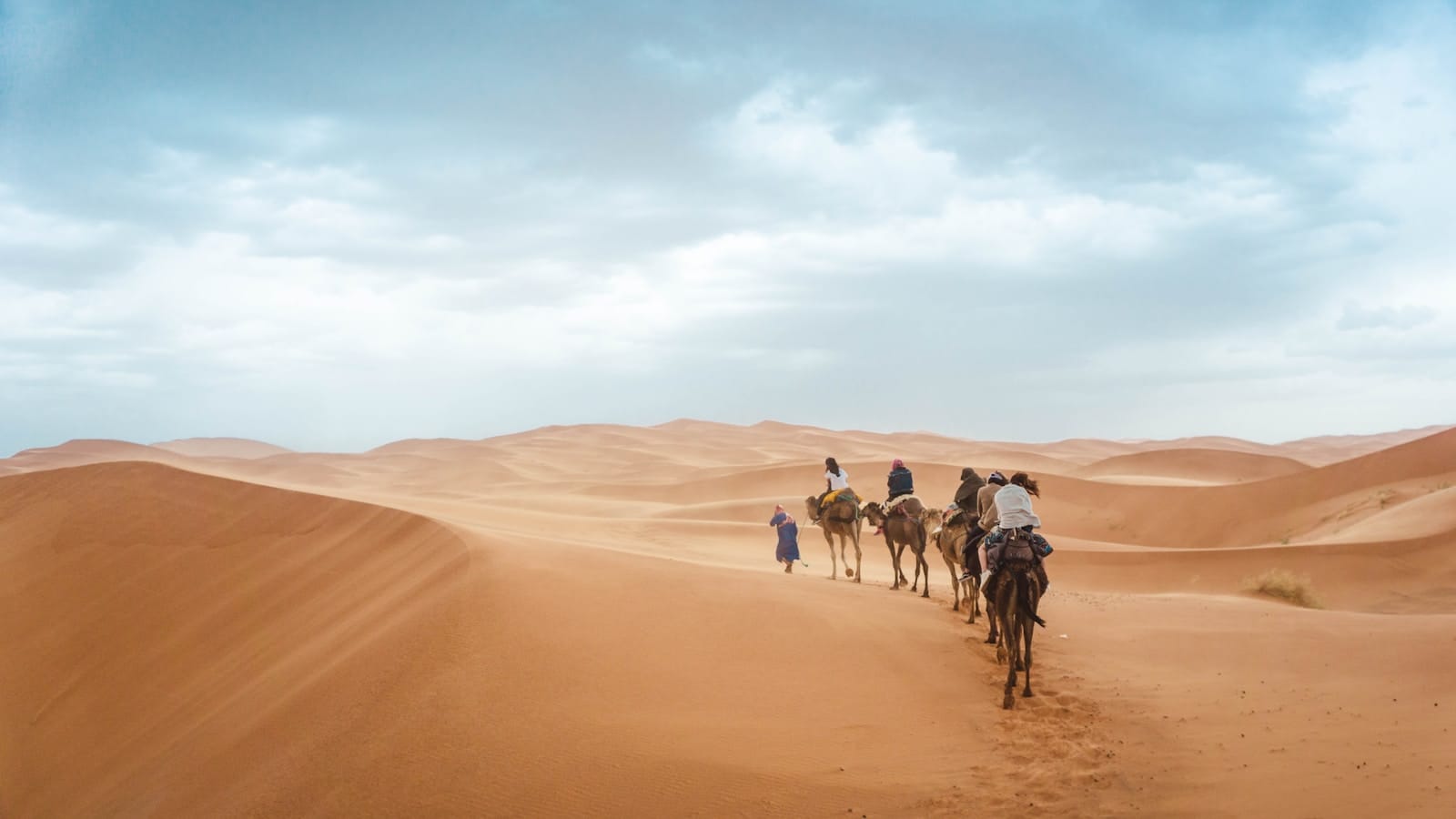
What’s a trip to the desert without a camel trek? It’s not just about the ride; it’s about experiencing the vastness of the Sahara in a way that feels ancient. Imagine traveling across the dunes as the sun sets, just as people have done for centuries. These treks often include overnight stays in desert camps, where you can gaze at the stars and listen to traditional music. It’s a truly memorable way to connect with the landscape and the nomadic way of life. You can find some amazing Sahara tours that focus on this authentic glimpse into nomadic life.
Learning Ancient Crafts
Nomadic communities are known for their incredible craftsmanship. Think intricate carpets, pottery, and other handmade goods. Participating in a workshop allows you to try your hand at these skills. You might learn the basics of weaving a Berber rug, understanding the symbols and stories woven into each piece. Or perhaps you’ll try your hand at preparing a traditional tagine. These activities are a great way to appreciate the skill and artistry involved.
Here’s a look at some common crafts you might encounter:
Carpet Weaving: Learning about the different patterns and their meanings.
Pottery Making: Understanding traditional techniques.
Traditional Cooking: Preparing dishes like couscous and tagine.
Leatherwork: Seeing how practical items are made.
Engaging with these crafts isn’t just about making something; it’s about understanding the history and cultural significance behind each technique. It’s a hands-on way to appreciate the resourcefulness and creativity of nomadic peoples.
Quick Takeaways
Most Moroccan nomads are Amazigh in origin
Nomadism is an ecological adaptation
Amazigh tribes practiced mountain and desert migration
Language, poetry, and oral law define identity
Responsible tourism can help preserve traditions
A Lasting Impression
Understanding who are the nomads in Morocco ultimately means understanding the Amazigh people themselves. Nomadism was never just movement it was a philosophy of freedom, balance, and respect for nature. Though modern pressures have transformed this lifestyle, Amazigh nomadic values continue to shape Moroccan culture at its deepest level.
For travelers, encountering Amazigh nomadic heritage is not about nostalgia. It is about witnessing one of humanity’s most successful adaptations to a challenging world. By traveling consciously and respectfully, you help keep this heritage alive—not frozen in time, but evolving with dignity.
Want to meet Morocco’s nomadic families and explore the Sahara like a true traveler?
Join one of our specially crafted desert tours for unforgettable camel treks, starry nights, and real cultural encounters.
─── Your questions, our answers.
Frequently Asked Questions
Our dedicated team is here to answer your Morocco Travel questions and ensure a smooth, memorable journey through Morocco.
Who are the nomads in Morocco?
The nomads in Morocco are groups of people who have traditionally moved from place to place, often with their herds of animals. They are known for their deep connection to the land and their ancient way of life, which has been passed down through many generations. These communities, often called the Imazighen or Berbers, have unique customs and traditions that are a vital part of Morocco’s culture.
Where do Moroccan nomads live?
Nomadic communities in Morocco are often found in the rugged and vast landscapes of the country. This includes the high Atlas Mountains, the dry plains, and the expansive Sahara Desert. Their homes are not fixed buildings but rather tents or temporary shelters that they can easily move.
Why do nomads move around?
Nomads move primarily to find the best resources for their survival and their animals. This means finding fresh water and grazing land for their sheep, goats, and camels. Their movements are often seasonal, following patterns that have been understood for centuries to make the most of the environment.
What are some traditions of Moroccan nomads?
Nomadic traditions are rich and varied. They are famous for their intricate carpet weaving, where patterns often tell stories. They also have delicious traditional foods, like flavorful tagines, and possess a wealth of ancient knowledge about nature and survival that they share through stories and practices.
Are nomadic ways of life changing?
Yes, like many cultures around the world, nomadic life in Morocco is facing changes. Modern ways of living, shifts in the climate, and how land is used are presenting new challenges. However, many efforts are underway to help these communities keep their traditions alive and find new ways to support themselves sustainably.
How can I respectfully experience nomadic culture?
To experience nomadic culture respectfully, it’s important to be open and curious. Engage with communities through guided cultural exchanges, perhaps by joining a camel trek or trying a craft workshop. Always ask permission before taking photos of people, and be mindful of their customs and way of life. Supporting local crafts and traditions is also a great way to show respect.

Kate Carter
Family Travel Blogger
Kate Carter is a mom and travel blogger who fell in love with Morocco’s culture and warmth. Through Morocco Family Vacation, she shares tips and stories to help travelers enjoy authentic, stress-free experiences. Join us along the way.
Table of Contents
Our Services
-
Private Family Tours
-
Custom Itineraries
-
Sahara Desert Tours
-
Chefchaouen & Northern Morocco Tours
-
Luxury Desert Camping
-
Multi-Day Tours (2–16 Days)
-
Atlas Mountains Trips
-
Cooking Classes & Market Visits
-
Photography & Heritage Tours
-
Airport Transfers & Private Transport
-
Custom Birdwatching Tour in Morocco
-
24/7 Tour Support & booking Flexibility
At Morocco Family Vacation, we create custom Morocco tour packages designed around your interests and travel style. As a dedicated and independent travel agency, we specialize in private Morocco tours offering memorable desert adventures, cultural experiences, and family friendly itineraries while delivering attentive, personalized service from start to finish.
Popular Tours
Latest Posts





get in touch
#Nomads in Morocco
#Moroccan nomads
#Nomadic culture Morocco
#The last nomads in Morocco
#Touareg nomads