
Moroccan Black Soap
How Moroccan Black Soap Transforms Your Skin Through Deep Cleansing and Nourishment
Moroccan Black Soap: The Traditional Hammam Secret Every Traveler Should Know
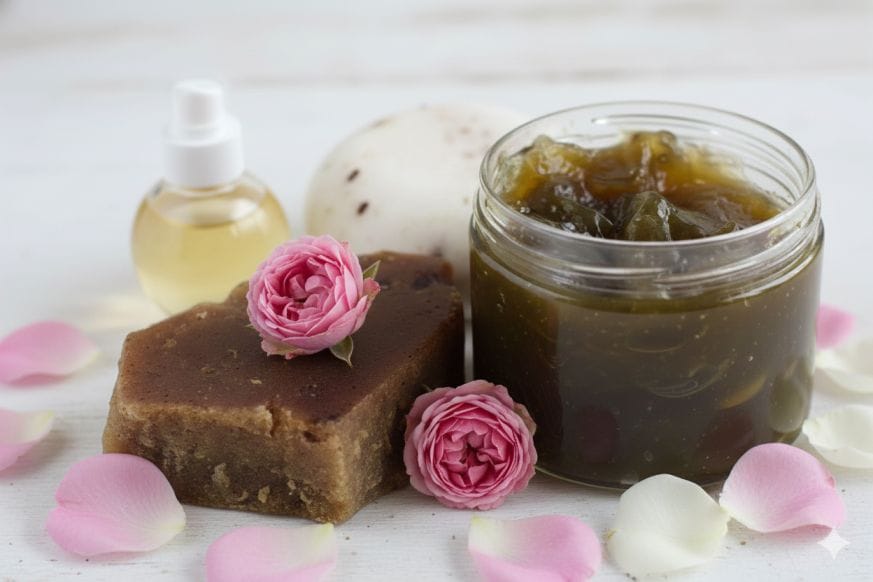
If you are planning a trip to Morocco, you will quickly discover that the country is famous not only for its vibrant souks, stunning landscapes, and rich culture, but also for its traditional beauty rituals. One of the most iconic of these traditions is Moroccan black soap, a natural skincare product used for centuries in Moroccan hammams.
Unlike regular soap bars, Moroccan black soap has a soft, paste-like texture made mainly from olives and olive oil. This unique formula gently cleanses and softens the skin, preparing it for deep exfoliation during a traditional hammam ritual. The result is incredibly smooth, refreshed skin that feels renewed after just one treatment.
For travelers visiting Morocco, trying Moroccan black soap is more than a beauty treatment. It is a cultural experience that locals have practiced for generations. Moroccan families often visit the hammam weekly as part of their wellness routine, and the use of Moroccan black soap plays a central role in this ritual.
In this guide, you will learn everything about Moroccan black soap, including its history, ingredients, benefits, and how it is used in a traditional Moroccan hammam. We will also share tips for travelers who want to try this experience during their visit to Morocco.
What is Moroccan Black Soap?
Moroccan black soap is a traditional natural soap that originates from Morocco and is widely used in hammams, the country’s famous steam bathhouses.
Unlike conventional soaps, Moroccan black soap is not a solid bar. Instead, it has a smooth, gel-like consistency that looks similar to a thick paste. Its color ranges from dark brown to greenish black, which is where it gets its name.
The Benefits of Moroccan Black Soap
Moroccan black soap is a traditional natural soap that originates from Morocco and is widely used in hammams, the country’s famous steam bathhouses.
Unlike conventional soaps, Moroccan black soap is not a solid bar. Instead, it has a smooth, gel-like consistency that looks similar to a thick paste. Its color ranges from dark brown to greenish black, which is where it gets its name.
Traditional Name: Savon Beldi
In Morocco, Moroccan black soap is commonly called Savon Beldi. The word beldi means “traditional” or “authentic,” highlighting its long history in Moroccan culture.
Main Ingredients
Authentic Moroccan black soap is made using simple natural ingredients, including:
• Olive oil
• Crushed black olives
• Water
• Potassium hydroxide for saponification
• Optional eucalyptus essential oil
These ingredients create a nourishing soap that cleanses deeply while keeping the skin hydrated.
A Key Element of Moroccan Hammams
The primary purpose of Moroccan black soap is to prepare the skin for exfoliation during a hammam ritual. When applied to warm, damp skin, it softens dead skin cells and opens pores, making it easier to remove impurities during exfoliation.
Because of this unique use, Moroccan black soap is not typically used like regular soap for everyday washing. Instead, it is used as part of a deep cleansing and exfoliating routine.
Ready to Start Your Morocco Journey?
Book your trip today with our expert planners, enjoy personalized itineraries tailored to your flights and travel needs, and claim 30% off as a first-time visitor!
What does Moroccan black soap do?
Moroccan black soap is a natural skincare product traditionally used in Moroccan hammams to deeply cleanse and prepare the skin for exfoliation. Made mainly from olive oil and crushed olives, it softens dead skin cells and helps open the pores when applied to warm, damp skin. After leaving it on for several minutes, the skin is usually exfoliated with a special glove called a kessa, which removes dead skin and impurities. This process leaves the skin feeling smoother, softer, and refreshed. Because it is rich in olive oil, Moroccan black soap also helps hydrate and nourish the skin instead of drying it out like many regular soaps.
The History of Moroccan Black Soap
The history of Moroccan black soap dates back centuries and reflects Morocco’s long tradition of natural wellness and skincare.
Hammams in Moroccan Culture
Hammams have been an essential part of Moroccan life for generations. These traditional steam bathhouses serve as places for cleansing, relaxation, and social connection.
In the past, many Moroccan homes did not have private bathrooms, so people regularly visited hammams for bathing. Over time, these bathhouses developed unique rituals, including the use of Moroccan black soap.
Beauty Traditions Passed Down Through Generations
Moroccan women have traditionally used Moroccan black soap as part of their weekly skincare routine. It is often combined with other natural Moroccan beauty products such as:
• Argan oil
• Rhassoul clay
• Rose water
• Kessa exfoliating gloves
These natural treatments form the foundation of Moroccan beauty rituals that have been passed down from mother to daughter.
Pre-Wedding Hammam Rituals
Before weddings, Moroccan brides traditionally visit the hammam for a special beauty treatment. During this ritual, Moroccan black soap is applied to cleanse and soften the skin before exfoliation, leaving the skin glowing for the celebration.
Today, this tradition continues in many Moroccan communities and has become popular with visitors who want to experience authentic Moroccan wellness.
Can black soap help with acne?
Yes, Morocco black soap may help improve acne for some people because it helps deeply cleanse the skin and remove excess oil and impurities that can clog pores. The natural ingredients, especially olive oil, contain antioxidants and vitamins that support healthy skin. When used as part of an exfoliating routine, moroccan black soap can help remove dead skin cells that may contribute to breakouts. However, it is not specifically designed as an acne treatment, and results may vary depending on skin type. People with sensitive or acne-prone skin should use it gently and avoid over-exfoliating, as too much scrubbing can irritate the skin.
Benefits of Moroccan Black Soap
One of the main reasons moroccan black soap has become popular worldwide is its many skin benefits.
Deep Cleansing
Moroccan black soap helps remove dirt, sweat, oils, and other impurities from the skin. The olive oil base dissolves buildup while keeping the skin moisturized.
Gentle Exfoliation
Although the soap itself does not contain scrubbing particles, it softens the skin so that exfoliation with a kessa glove becomes very effective. This process removes layers of dead skin cells.
Hydration
Because it is made from olive oil, Moroccan black soap nourishes and hydrates the skin rather than drying it out like many commercial soaps.
Improved Skin Texture
Regular use of Moroccan black soap can help improve skin texture, leaving it smoother and brighter.
Supports Healthy Skin Renewal
Olives naturally contain antioxidants and vitamin E, which support healthy skin renewal and protect the skin from environmental damage.
Many people who try Moroccan black soap notice that their skin feels softer and looks more radiant after just one treatment.
How Moroccan Black Soap Is Used in a Hammam
Using Moroccan black soap in a traditional hammam follows a specific ritual designed to cleanse and rejuvenate the skin.
Step 1: Steam and Warm Water
The process begins in a warm steam room. The heat helps open pores and soften the skin.
Step 2: Application of Moroccan Black Soap
A thin layer of moroccan black soap is applied to the entire body. It is usually left on the skin for about 5 to 10 minutes.
During this time, the soap softens dead skin cells and prepares the body for exfoliation.
Step 3: Exfoliation with a Kessa Glove
After the soap is rinsed off, the skin is scrubbed using a rough exfoliating glove called a kessa.
This step removes dead skin and stimulates circulation.
Many first-time visitors are surprised to see small rolls of dead skin coming off during this process.
Step 4: Rinse and Moisturize
Finally, the body is rinsed with warm water. Many hammams finish the treatment with natural oils such as argan oil to hydrate the skin.
The result is soft, smooth skin that feels deeply cleansed.
Can Moroccan black soap be used daily?
In most cases, Moroccan black soap is not intended for daily use. It is traditionally used about once a week as part of a deep cleansing routine in Moroccan hammams. Because it prepares the skin for exfoliation, using it too often could lead to over-exfoliation or skin irritation, especially if combined with a kessa glove. For most people, using moroccan black soap once or twice per week is enough to keep the skin clean, smooth, and refreshed. On days in between treatments, a gentle cleanser or regular soap can be used instead. Following the treatment with a moisturizer or natural oil can help keep the skin balanced.
Can black soap help with acne?
Yes, Moroccan black soap may help improve acne for some people because it helps deeply cleanse the skin and remove excess oil and impurities that can clog pores. The natural ingredients, especially olive oil, contain antioxidants and vitamins that support healthy skin. When used as part of an exfoliating routine, moroccan black soap can help remove dead skin cells that may contribute to breakouts. However, it is not specifically designed as an acne treatment, and results may vary depending on skin type. People with sensitive or acne-prone skin should use it gently and avoid over-exfoliating, as too much scrubbing can irritate the skin.
Moroccan Black Soap vs African Black Soap
Many people confuse Moroccan black soap with African black soap, but the two products are very different.
Moroccan Black Soap
• Made from olives and olive oil
• Soft paste texture
• Used mainly in hammam rituals
• Designed to prepare the skin for exfoliation
African Black Soap
• Made from plantain skins and cocoa pods
• Usually sold as a solid bar
• Often used for acne treatment
• More commonly found in West Africa
Understanding this difference helps travelers avoid confusion when shopping for authentic Moroccan black soap in Morocco.
Where Travelers Can Buy Moroccan Black Soap in Morocco
Visitors traveling through Morocco will find Moroccan black soap in many places.
Traditional Souks
Markets in cities like Marrakech, Fes, and Casablanca sell many natural skincare products, including Moroccan black soap.
Local vendors often offer different varieties, including versions with eucalyptus or herbal oils.
Hammams
Many hammams sell the same Moroccan black soap used in their treatments. Buying it here is a great way to take part of the experience home.
Argan Oil Cooperatives
Argan oil cooperatives often sell authentic Moroccan beauty products, including Moroccan black soap, rhassoul clay, and natural oils.
Travelers often purchase these products as souvenirs because they represent Morocco’s rich natural beauty traditions.
Need Help with Transportation in Morocco?
Book a reliable private driver for your Morocco family adventure today – personalized routes designed just for you, and get 30% off as a first-time visitor!
Quick Takeaways
• Moroccan black soap is a traditional olive-based soap used in Moroccan hammams.
• It helps soften skin and prepare it for exfoliation.
• The soap is made primarily from olives and olive oil.
• It provides deep cleansing while keeping the skin hydrated.
• The hammam ritual includes steam, soap application, exfoliation, and moisturizing.
• Authentic Moroccan black soap can be found in Moroccan markets and hammams.
• Many travelers consider the hammam experience one of the highlights of visiting Morocco.
Conclusion
Experiencing Moroccan black soap is one of the most authentic wellness traditions travelers can enjoy in Morocco. This natural product has been used for centuries in Moroccan hammams to cleanse, soften, and rejuvenate the skin.
The ritual of applying Moroccan black soap, relaxing in steam, and exfoliating with a kessa glove is more than a beauty treatment. It is a cultural experience that reflects Morocco’s deep traditions of relaxation and self-care.
For visitors exploring Morocco, adding a traditional hammam visit to your itinerary is highly recommended. After days of discovering bustling markets, historic medinas, and beautiful desert landscapes, a hammam treatment can be the perfect way to relax and recharge.
Families traveling with children can also enjoy the experience, and many hammams offer private family sessions for comfort and privacy.
If you are planning a family vacation in Morocco, our tours can help you discover authentic experiences like hammams, traditional markets, desert adventures, and cultural cities. We offer customizable itineraries so you can travel at your own pace, and we provide car seats upon request to make family travel easier.
For first-time travelers, we currently offer 30% off select Morocco tours, making it the perfect time to explore this beautiful country.
─── Your questions, our answers.
Frequently Asked Questions
Our dedicated team is here to answer your Morocco Travel questions and ensure a smooth, memorable journey through Morocco.
How do you use Moroccan black soap?
To use Moroccan black soap, apply it to warm, damp skin, leave it on for 5–10 minutes, then exfoliate with a kessa glove and rinse. This replicates the traditional Moroccan hammam ritual.
Is Moroccan black soap good for the skin?
Yes, Moroccan black soap is good for the skin because it cleans deeply without stripping natural oils and is gentle enough for all skin types. Its natural ingredients help hydrate, soften, and brighten the skin.
What is Moroccan black soap made of?
Moroccan black soap is made from olive oil, crushed black olives, and natural plant extracts. This gives it a soft, paste-like texture and high vitamin E content.
Can Moroccan black soap be used on the face?
Yes, Moroccan black soap can be used on the face, but only in small amounts and without scrubbing. It’s gentle, but exfoliating with a kessa glove should be reserved for the body.

Kate Carter
Family Travel Blogger
Kate Carter is a mom and travel blogger who fell in love with Morocco’s culture and warmth. Through Morocco Family Vacation, she shares tips and stories to help travelers enjoy authentic, stress-free experiences. Join us along the way.
Table of Contents
Our Services
-
Private Family Tours
-
Custom Itineraries
-
Sahara Desert Tours
-
Chefchaouen & Northern Morocco Tours
-
Luxury Desert Camping
-
Multi-Day Tours (2–16 Days)
-
Atlas Mountains Trips
-
Cooking Classes & Market Visits
-
Photography & Heritage Tours
-
Airport Transfers & Private Transport
-
Custom Birdwatching Tour in Morocco
-
24/7 Tour Support & booking Flexibility

At Morocco Family Vacation, we create custom Morocco tour packages designed around your interests and travel style. As a dedicated and independent travel agency, we specialize in private Morocco tours offering memorable desert adventures, cultural experiences, and family friendly itineraries while delivering attentive, personalized service from start to finish.
Popular Tours
Latest Posts
get in touch
#Morocco family friendly tours
#Morocco family holiday
#Morocco with kids
#Morocco travel tips for families
#Morocco Family Vacation