
Can I eat safely in Morocco with allergies?
Can I eat safely in Morocco with allergies? A Safe Guide for Travelers & Families
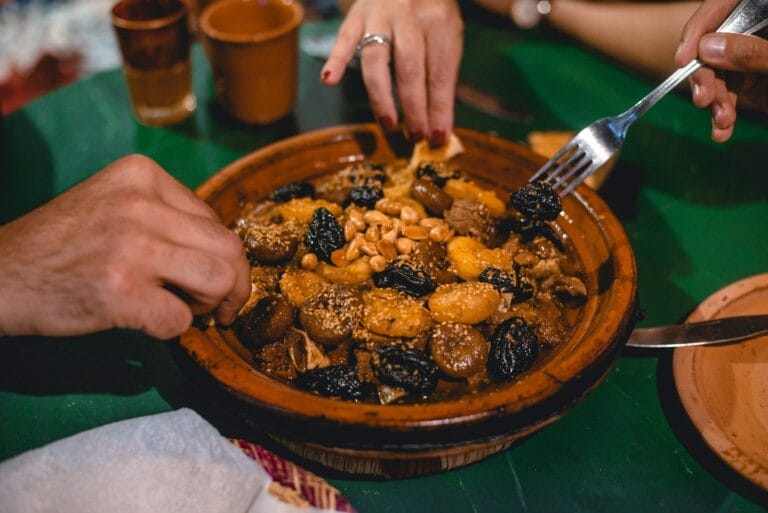
Traveling to Morocco is a sensory adventure colorful souks, warm hospitality, and deeply flavorful cuisine. But if you or a family member has food allergies, it’s completely normal to ask: Can I eat safely in Morocco with allergies?
The short answer is yes, but it requires preparation, awareness, and smart choices. Moroccan food is largely fresh and made from simple ingredients, which can work in your favor. However, food allergies are not always understood in the same way as in North America or Europe, and cross-contamination is common in traditional kitchens.
This in-depth guide is designed specifically for families and travelers navigating Morocco with allergies. You’ll learn what foods are safest, which dishes to approach with caution, how to communicate allergies clearly, and how to eat confidently in restaurants, markets, and even on guided tours. Whether you’re managing nut allergies, gluten intolerance, dairy sensitivity, or traveling with allergic children, this article will help you enjoy Morocco without unnecessary stress.
- Explore Morocco with your kids stress-free! Private transport, kid-friendly hotels, and safe meals included. Plan Your Family Tour
- Experience the Atlas Mountains and Sahara Desert with hands-on fun for kids and comfort for parents. Customize Your Adventure
- Enjoy Morocco’s coasts and cities at a calm pace. Perfect for families with young children. Book Your Relaxed Tour
Can I eat safely in Morocco with allergies?
Yes, most travelers can eat safely in Morocco with food allergies, especially with proper preparation. Moroccan cuisine relies heavily on fresh ingredients, and common allergens like nuts, dairy, seafood, and gluten can usually be avoided if clearly communicated. It’s recommended to learn or carry allergy translations in French or Arabic, inform restaurants in advance, and choose reputable eateries or hotels that are familiar with dietary restrictions. Travelers with severe allergies should carry medication such as antihistamines or an EpiPen and consider booking guided tours or accommodations that can accommodate special diets for added peace of mind.
Is Morocco safe for nut allergies?
Yes, Morocco can be safe for travelers with nut allergies if proper precautions are taken. While nuts are used in some traditional dishes and desserts, many meals do not contain nuts, and restaurants are generally willing to accommodate dietary needs when informed clearly. Carrying allergy translation cards in French or Arabic and choosing reputable restaurants or hotels greatly reduces risk.
Understanding Food Allergies in Morocco
How Food Allergies Are Viewed Locally
In Morocco, food allergies are not widely discussed in everyday life. While medical professionals understand allergies, restaurant staff may not always grasp the severity or long-term risks. Allergies are sometimes confused with dislikes or preferences rather than medical conditions.
This doesn’t mean people are unwilling to help it simply means clear communication is essential when traveling in Morocco with allergies.
Common Allergens in Moroccan Cuisine
Moroccan food relies on traditional ingredients that can be problematic depending on your allergy:
Nuts (especially almonds, peanuts, sesame)
Gluten (bread, couscous, flour-thickened soups)
Dairy (milk, butter, yogurt)
Eggs
Legumes (lentils, chickpeas)
Understanding where these ingredients typically appear will help you make safer decisions.
Cross-Contamination Risks
Shared cooking surfaces, reused utensils, and open kitchens increase the risk of cross-contact. This is particularly important for travelers with severe allergies or anaphylaxis.
Does Moroccan food have a lot of nuts?
Some Moroccan dishes include nuts, especially in pastries, desserts, and festive meals, but everyday foods like tagines, grilled meats, couscous, and salads are often nut-free. Nuts are not automatically added to most savory dishes unless specified.
Does Morocco produce nuts?
Yes, Morocco produces almonds, walnuts, peanuts, and argan nuts, mainly in rural and agricultural regions. These are commonly used in traditional sweets, cooking oils, and local snacks, especially in markets and bakeries.
Preparing for Morocco with Allergies
Medical Preparation Before You Travel
Before your trip:
Consult your healthcare provider
Carry prescribed medication (including epinephrine)
Bring extra doses in case of delays
Pack medication in carry-on luggage
If you’re traveling as a family, ensure all adults know how to respond in an emergency.
Food Allergy Translation Cards
One of the most important tools for Morocco with allergies is a printed allergy card in:
French
Arabic
Moroccan Arabic (Darija)
Your card should clearly state:
What you are allergic to
That even small amounts can be dangerous
That cross-contamination must be avoided
Learn a Few Key Phrases
Even basic phrases go a long way:
“I am allergic to…” (French or Arabic)
“This makes me very sick”
“No nuts, no flour, no dairy”
Navigating Moroccan Menus Safely
Generally Safer Dishes
These are often safer options when clearly explained:
Vegetable tagines
Grilled chicken or lamb
Grilled fish
Simple salads (without dressing)
Moroccan meals are typically cooked to order, which allows flexibility.
Foods to Approach with Caution
Some dishes commonly contain hidden allergens:
Couscous (gluten)
Harira soup (flour, legumes)
Pastilla (nuts, eggs, gluten)
Pastries and desserts (almost always nuts)
When in doubt, avoid sweet items entirely if you have nut allergies.
Ask About Garnishes
Nuts are sometimes added as a final garnish—even to savory dishes. Always confirm before eating.
Does Moroccan oil have nuts in it?
Argan oil is made from argan nuts and is widely used in Morocco for cooking and cosmetics. Olive oil is also very common and nut-free. Travelers with nut allergies should always ask which oil is used in food preparation.
What should I avoid in Morocco with a nut allergy?
Avoid Moroccan pastries, sweets, and desserts such as baklava-style pastries, almond briouats, and chebakia unless confirmed nut-free. Be cautious at local bakeries, street food stalls, and markets where cross-contamination may occur.
Communicating Allergies in Restaurants
How to Talk to Restaurant Staff
When dining in Morocco with allergies:
Show your allergy card before ordering
Speak slowly and simply
Repeat your allergy after ordering
Avoid complex requests
Best Types of Restaurants for Allergy Safety
Tourist-friendly restaurants
Riads and hotels
Higher-end establishments
Restaurants used to international travelers
These places are generally more familiar with dietary restrictions.
Strategic Dining Tips
Choose grilled dishes
Avoid sauces unless confirmed safe
Sit where you can see food preparation if possible
Ready to Start Your Morocco Journey?
Let us help you design a smooth, affordable, and memorable journey crafted by local travel experts who know Morocco best.
Traveling in Morocco with Allergic Children
Extra Precautions for Families
Parents traveling in Morocco with allergies should:
Carry snacks from home
Avoid street food with children
Keep medication accessible at all times
Teach children not to accept food from strangers
Kid-Friendly Allergy-Safe Foods
Plain rice
Grilled chicken
Fresh fruit you peel yourself
Yogurt (if dairy is safe)
Family travel is very welcome in Morocco, and locals are generally kind and attentive once they understand a child’s needs.
Does chicken tagine have nuts in it?
Chicken tagine does not usually contain nuts, but some variations include almonds or are cooked with nut-based sauces. Always ask the restaurant if nuts are included, as recipes vary by region and household.
Is there pollen in Morocco?
Yes, Morocco has pollen, particularly in spring. Grass, olive trees, and flowering plants can trigger seasonal allergies, especially in rural areas and during windy conditions.
When is allergy season in Morocco?
Street Food and Food Markets
Is Street Food Safe with Allergies?
For travelers with severe allergies, street food is not recommended due to:
Shared cooking oil
Unclear ingredients
High cross-contamination risk
Shopping for Safe Foods
Large supermarkets in major cities stock:
Packaged snacks with ingredient lists
Gluten-free products
International brands
This is a reliable option when managing Morocco with allergies independently.
Managing Specific Allergies
Nut Allergies
Nut use is widespread in Moroccan desserts and some savory dishes. Avoid:
Pastries
Cookies
Sweets
Dishes with almond garnish
Stick to grilled foods and simple tagines.
Gluten Intolerance or Celiac Disease
Gluten is common but manageable with caution:
Avoid bread and couscous
Ask about flour in soups
Choose rice, vegetables, and meats
Dairy and Egg Allergies
These are easier to manage, as many traditional dishes are naturally dairy-free unless butter is added.
Emergency Preparedness in Morocco
Pharmacies are common in cities
Medical care is available but varies by region
Know the location of hospitals in major cities
Carry emergency contact information
Preparation significantly reduces risk.
Quick Takeaways
Morocco with allergies is manageable with preparation
Carry allergy translation cards
Choose grilled and simple dishes
Avoid desserts if you have nut allergies
Tourist restaurants are more allergy-aware
Always carry medication
Families should bring backup snacks
Need Help with Transportation in Morocco?
Book a reliable private driver for your Morocco family adventure today – personalized routes designed just for you, and get 30% off as a first-time visitor!
Conclusion: Eating Confidently in Morocco with Allergies
Traveling to Morocco with allergies does not mean missing out on its incredible food culture. With preparation, awareness, and smart dining choices, you can safely enjoy Moroccan cuisine while protecting your health and your family’s well-being.
Understanding which dishes are safest, communicating clearly, and avoiding high-risk foods allows you to experience Morocco confidently. Families, in particular, benefit from planning ahead and choosing reliable restaurants and accommodations.
Morocco is welcoming, vibrant, and deeply rewarding and morocco with allergies can still be a positive, delicious, and memorable experience when approached thoughtfully.
If you’re planning a trip and need personalized guidance, choosing a tour operator experienced with dietary requirements can make all the difference. Book your Morocco tour with us and enjoy a safe, stress-free journey across Morocco, with thoughtfully customized meals for travelers and families managing food allergies.
─── Your questions, our answers.
Frequently Asked Questions
Our dedicated team is here to answer your Morocco Travel questions and ensure a smooth, memorable journey through Morocco.
Can I go to Morocco with a nut allergy?
Yes, many travelers with nut allergies visit Morocco safely each year. Planning ahead, communicating clearly with restaurants, carrying emergency medication, and choosing allergy-aware accommodations or guided tours can make the trip safe and enjoyable.
Is Morocco safe for nut allergies?
It can be, but desserts and pastries should be avoided entirely.
Are gluten-free options available in Morocco?
Yes, especially in cities, but you must ask carefully.

Kate Carter
Family Travel Blogger
Kate Carter is a mom and travel blogger who fell in love with Morocco’s culture and warmth. Through Morocco Family Vacation, she shares tips and stories to help travelers enjoy authentic, stress-free experiences. Join us along the way.
Table of Contents
Our Services
-
Private Family Tours
-
Custom Itineraries
-
Sahara Desert Tours
-
Chefchaouen & Northern Morocco Tours
-
Luxury Desert Camping
-
Multi-Day Tours (2–16 Days)
-
Atlas Mountains Trips
-
Cooking Classes & Market Visits
-
Photography & Heritage Tours
-
Airport Transfers & Private Transport
-
Custom Birdwatching Tour in Morocco
-
24/7 Tour Support & booking Flexibility

At Morocco Family Vacation, we create custom Morocco tour packages designed around your interests and travel style. As a dedicated and independent travel agency, we specialize in private Morocco tours offering memorable desert adventures, cultural experiences, and family friendly itineraries while delivering attentive, personalized service from start to finish.
Popular Tours
Latest Posts





#Morocco in February
#Morocco weather in February
#February temperatures in Morocco
#Weather in Morocco in February
#Morocco travel guide February