13 Best Beaches in Morocco You’ll Never Want to Leave
The Best Beaches in Morocco for Every Type of Traveler
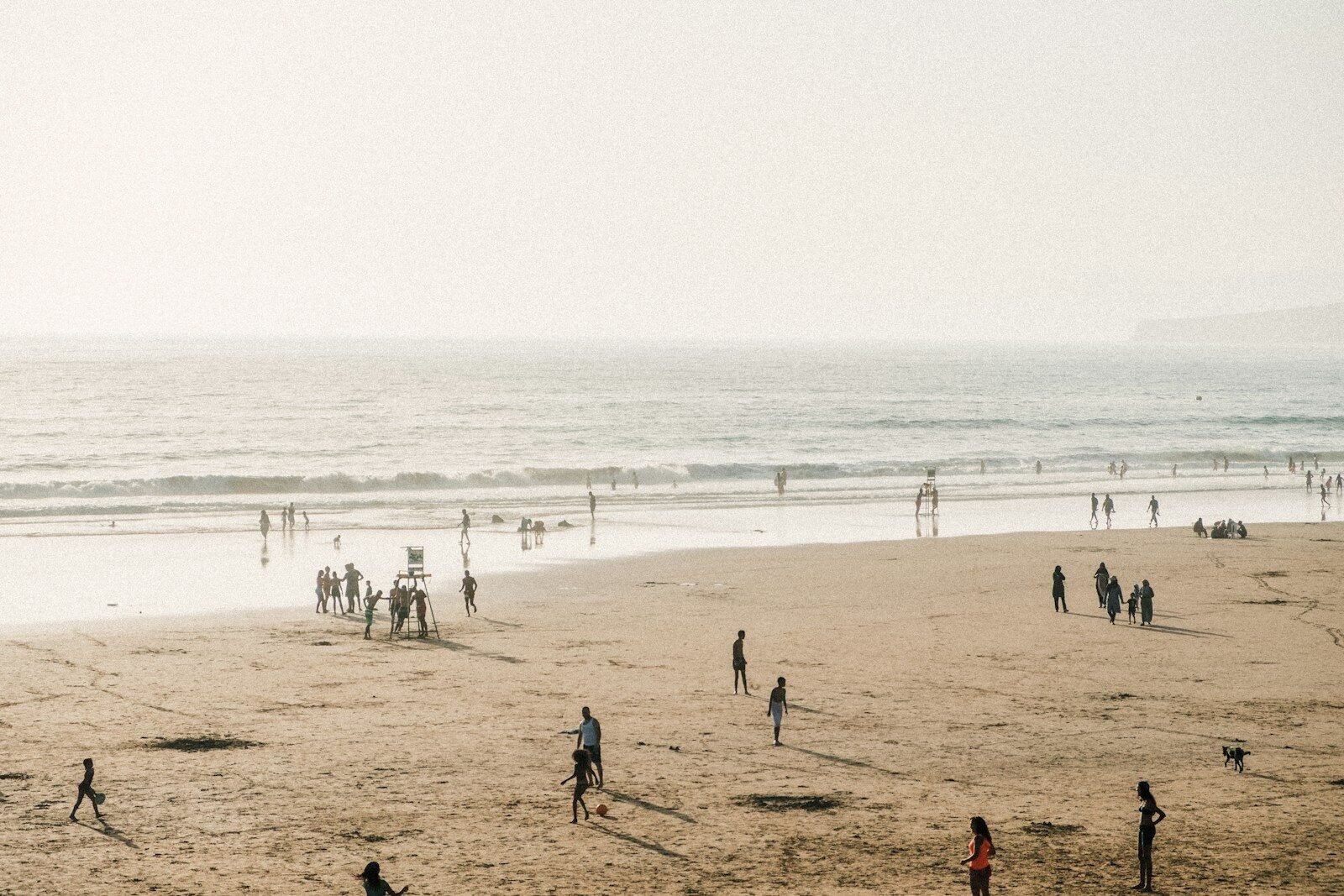
The best beaches in Morocco depend on what you want from your time by the sea. Some offer long stretches of sand and convenient facilities, while others are known for surfing, dramatic rock formations, quiet fishing villages or clear Mediterranean water. From Agadir, Essaouira and Taghazout on the Atlantic coast to Saïdia, Martil, Amtar and Belyounech along the Mediterranean, Morocco offers a wide range of coastal experiences. Imsouane is another popular stop for its laid-back fishing village atmosphere and surf culture, while Legzira and the White Dune near Dakhla stand out for their dramatic scenery. Further north, El Jebha sits between the Mediterranean Sea and the rugged Rif Mountains.
For families, the most important differences are swimming conditions, accessibility, wind, nearby facilities and how much travel is needed to reach the coast. Beaches near larger towns may offer more services, while smaller coastal villages can be quieter but require more planning. Before choosing a beach, consider the ages of your children, whether they want to swim or play in the sand, and how much time you want to spend travelling.
Morocco has both Atlantic and Mediterranean coastlines, and they offer different experiences. The Atlantic is often cooler, windier and more exposed to waves, particularly around surf destinations such as Taghazout, Essaouira and Imsouane. The Mediterranean coast can have warmer water during summer, although swimming conditions vary from beach to beach. Whether you are looking for a convenient family beach holiday, a scenic coastal road trip or a quieter seaside village, this guide will help you choose the right destinations for your trip.
Quick Takeaways
For an easy beach holiday: Agadir has a long sandy beach, a promenade and convenient facilities.
For culture and coastal scenery: Essaouira combines a historic medina, fishing port and wide, windswept beach.
For surfing: Taghazout is a well-known destination, but its waves are not suitable for every swimmer.
For summer swimming: Saïdia and the Mediterranean coast are worth considering, while local sea conditions still need checking.
For dramatic landscapes: Legzira is known for its sandstone formations, while Dakhla offers a distinctive lagoon and desert setting.
For a quieter northern coast: El Jebha sits between the Rif Mountains and the Mediterranean, with a small-town atmosphere and rocky coastal scenery.
For families with young children: Choose a beach with suitable facilities and check for lifeguards, currents, waves and access before settling in.
Agadir Beach: A Practical Choice for Families
A long sandy beach with convenient facilities
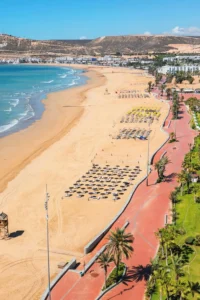
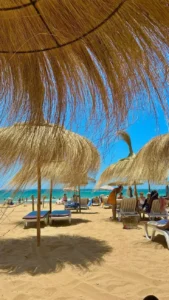
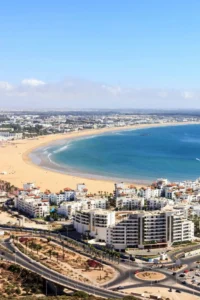
Agadir is one of the beaches in Morocco with most convenient destinations for travelers who want to spend several days by the sea. Its broad sandy beach curves along the city, with a promenade, cafés, restaurants and accommodation within easy reach.
The city is particularly practical for families because beach time does not have to involve a complicated excursion. You can spend the morning on the sand, return for lunch or a rest, and head back toward the waterfront later in the day.
Agadir is also a useful base for exploring other parts of the Atlantic coast. Taghazout lies farther north, while trips inland can introduce visitors to the landscapes of the Souss region.
However, the Atlantic is not a tropical sea. Water can feel cool, and waves and currents vary. Although parts of Agadir’s bay can be more sheltered than exposed surf beaches, conditions are never guaranteed to be safe. Follow local advice and swim only where permitted.
Best for: Families wanting a convenient beach stay, travelers who prefer easy access to restaurants and services, and multigenerational groups looking to avoid a demanding schedule.
Essaouira Beach: Coastal Scenery and Culture
A beach that works best as part of a wider visit
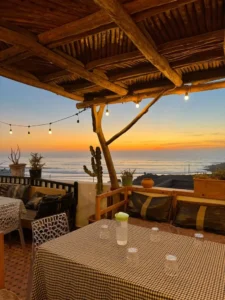
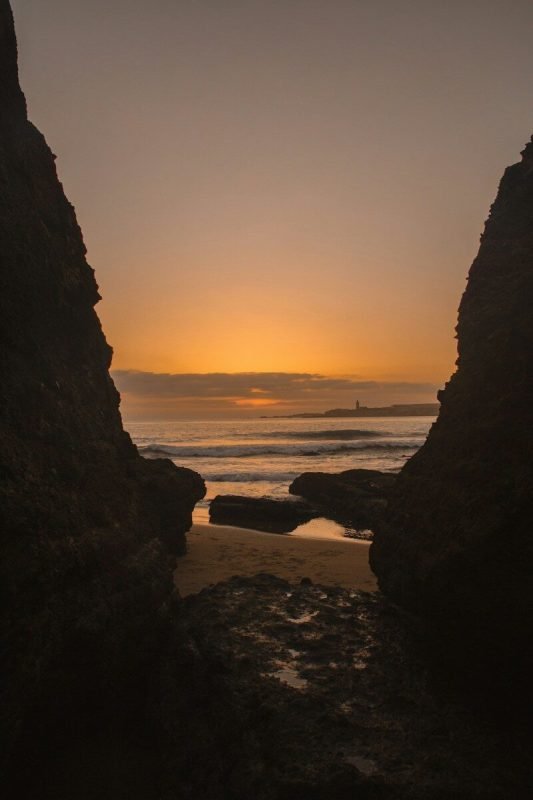
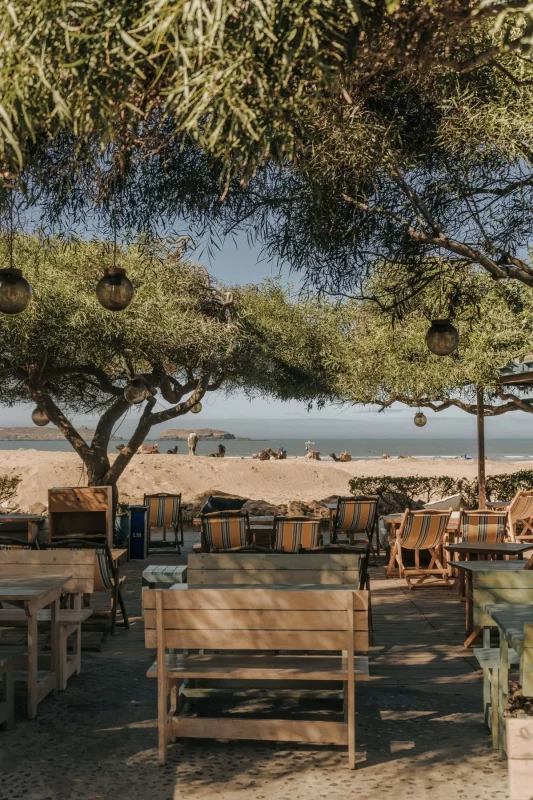
Essaouira is an excellent option for travelers who want more than swimming. Its wide Atlantic beach sits beside a historic port and medina, making it easy to combine a walk along the sand with exploring the town’s streets, markets and waterfront.
The beach is known for its wind, which attracts windsurfers and kitesurfers. That same wind can make it less comfortable for small children who want to sit on the sand or for visitors expecting calm, warm water.
Families can enjoy walking, watching the activity near the harbor and exploring the old town between beach visits. Teenagers may enjoy trying a supervised watersport lesson, depending on the weather and their swimming ability.
For a first visit to Morocco’s coast, Essaouira is especially appealing because it combines a beach setting with a strong sense of place. Allow enough time to enjoy the town rather than treating it as a quick stop between cities.
Best for: Families interested in culture, coastal walks, photography and watersports, rather than a holiday built entirely around swimming.
For a more detailed comparison, see our guide to Agadir or Essaouira for families
Taghazout Beach: A Favorite for Surfing
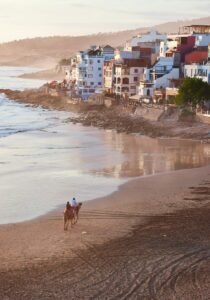
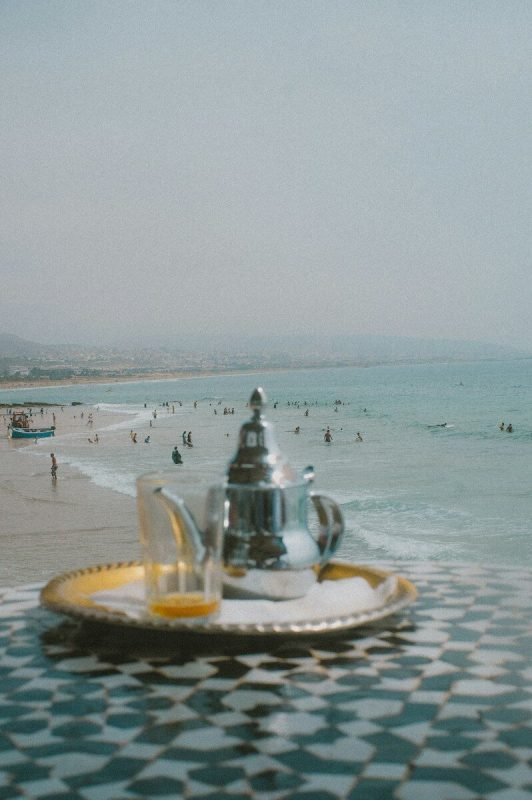
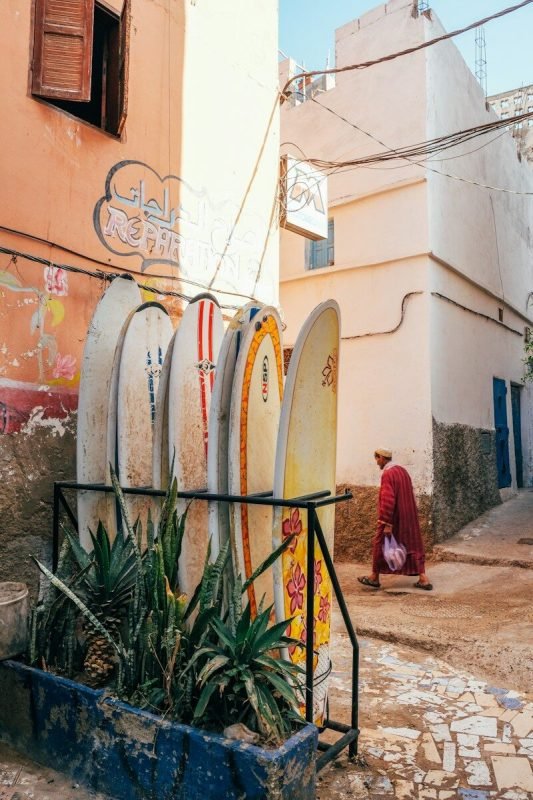
relaxed coastal town with an active surf scene
Taghazout is a small coastal town north of Agadir that has become widely associated with surfing. Its beaches and nearby surf breaks attract beginners, experienced surfers and travelers who enjoy a more laid-back coastal atmosphere.
For families with teenagers, a supervised surf lesson can add an active element to a beach holiday. Lessons should be chosen according to the participant’s experience and the conditions on the day. A beach popular with surfers is not automatically suitable for inexperienced swimmers.
The town is also a good place to enjoy ocean views, watch surfers and spend time in local cafés. Families with younger children should consider how exposed the chosen beach is to wind and waves before planning a full day there.
Taghazout is relatively close to Agadir, so the two destinations can be combined without trying to cross the country. However, the journey and activities should still be planned around children’s energy levels.
Best for: Surfing, older children, teenagers and families who enjoy an active coastal atmosphere.
Saïdia Beach: Mediterranean Sand and Summer Swimming
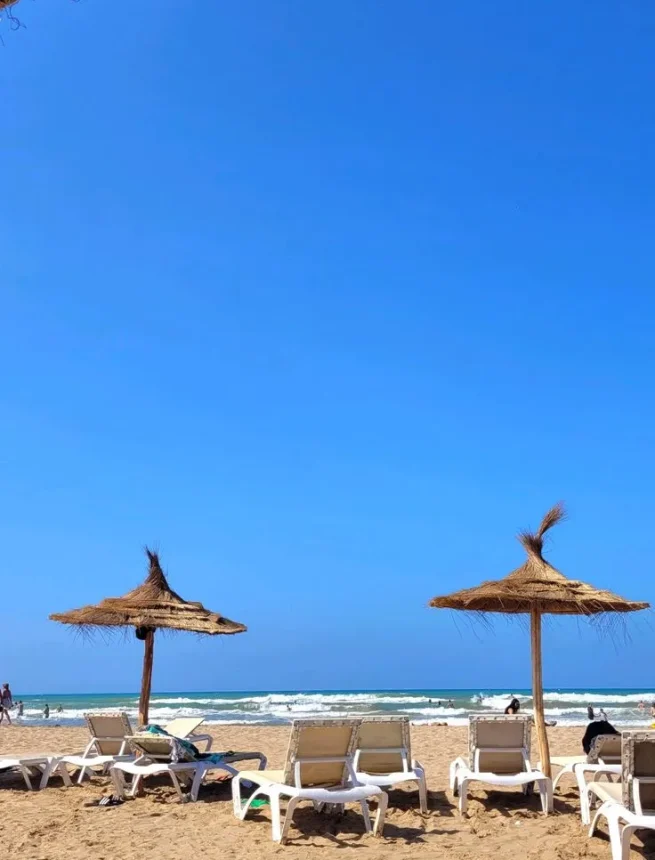
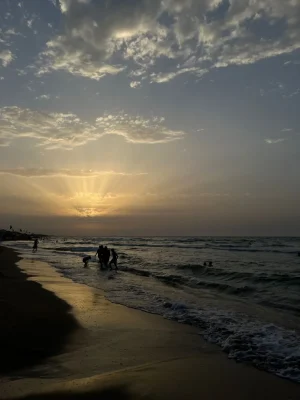
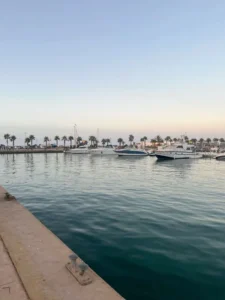
Saïdia lies on Morocco’s northeastern Mediterranean coast, close to the Algerian border. Its long sandy shoreline makes it a popular summer destination for Moroccan families and visitors looking for a classic seaside holiday.
Compared with many exposed Atlantic beaches, the Mediterranean coast can offer warmer water during summer. This can make Saïdia appealing to families who expect to spend plenty of time swimming and playing in the shallows.
July and August are busy periods, particularly during school holidays. If you prefer a quieter atmosphere, consider traveling outside the busiest weeks and checking accommodation availability before finalizing your plans.
Sea conditions still vary, and calm-looking water should not be treated as a guarantee of safety. Look for lifeguarded areas when available, follow local instructions and keep children within close reach.
Saïdia is in the northeast of Morocco, so it may fit naturally into a northern or eastern itinerary but is not a convenient short excursion from Marrakech or Agadir.
Best for: Summer beach holidays, families who prioritize swimming and travelers exploring northeastern Morocco.
Moulay Bousselham Beach: A Coastal Escape
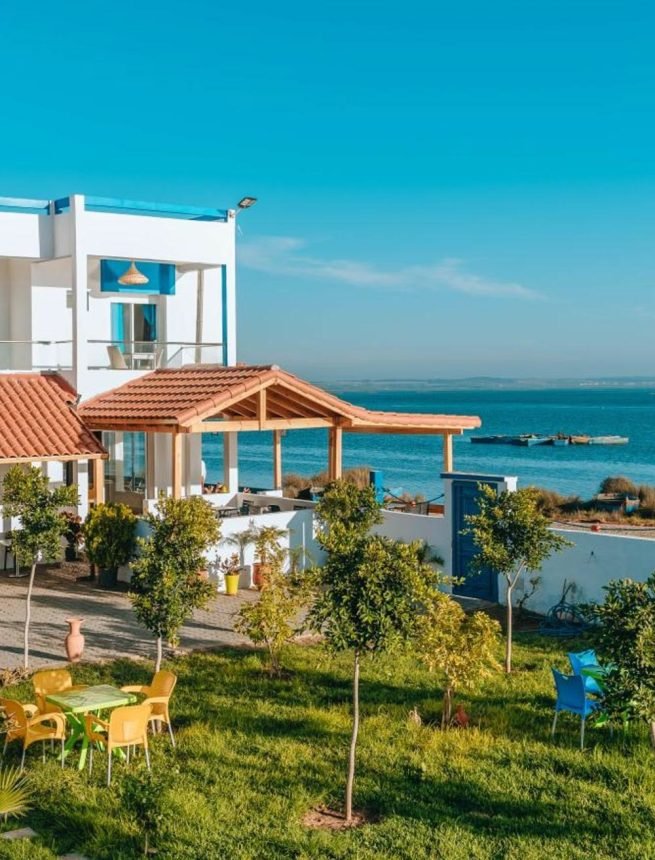
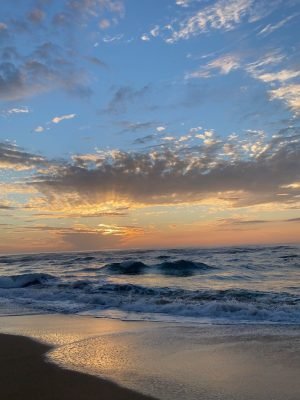
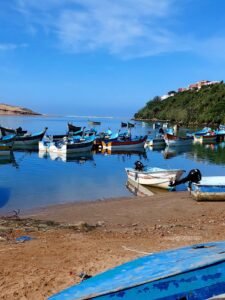
Moulay Bousselham is a small coastal destination on Morocco’s northwestern Atlantic coast. It is especially associated with its lagoon and the nearby Merja Zerga wetland, an important area for birdlife.
The setting offers a different kind of beach experience from the larger urban beaches. Instead of focusing only on sunbathing, visitors can enjoy the coastal scenery, observe birds and explore the village at a slower pace.
The lagoon and the open Atlantic beach are not interchangeable. Water conditions differ, and the exposed beach can experience strong waves and currents. Families should establish which area is suitable for their planned activities before entering the water.
Moulay Bousselham is a good choice for travelers who enjoy nature and quieter destinations. It can also be a useful stop on a longer road journey along Morocco’s Atlantic coast.
Facilities and services may be more limited than in a larger seaside city, so plan meals, transport and beach time accordingly.
Best for: Nature lovers, birdwatching, coastal walks and travelers looking for a smaller destination away from major beach cities.
Rabat, Skhirat and El Harhoura: Beaches Near the Capital
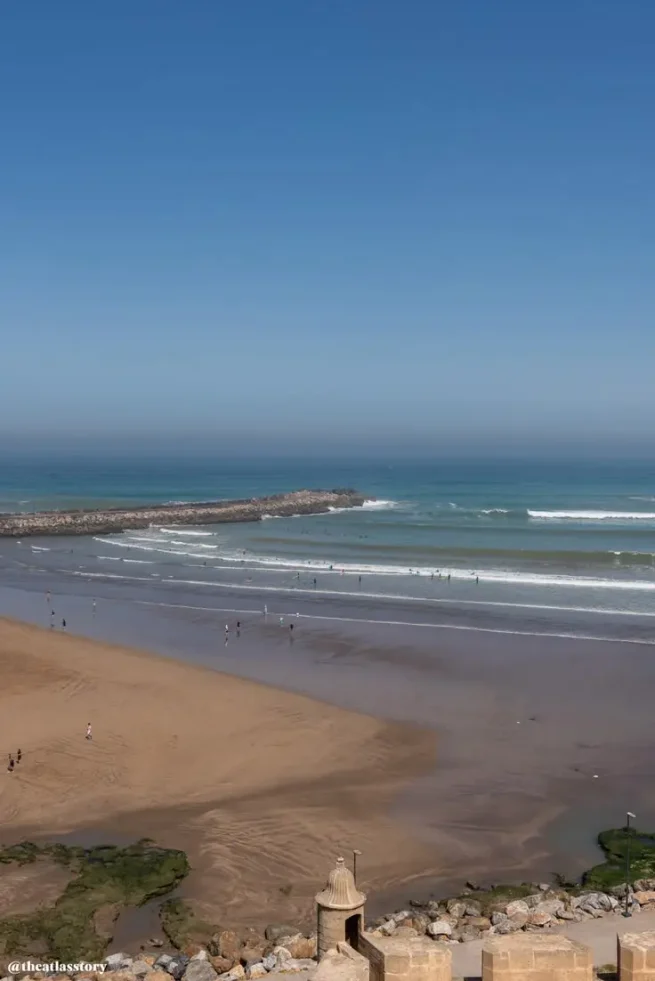
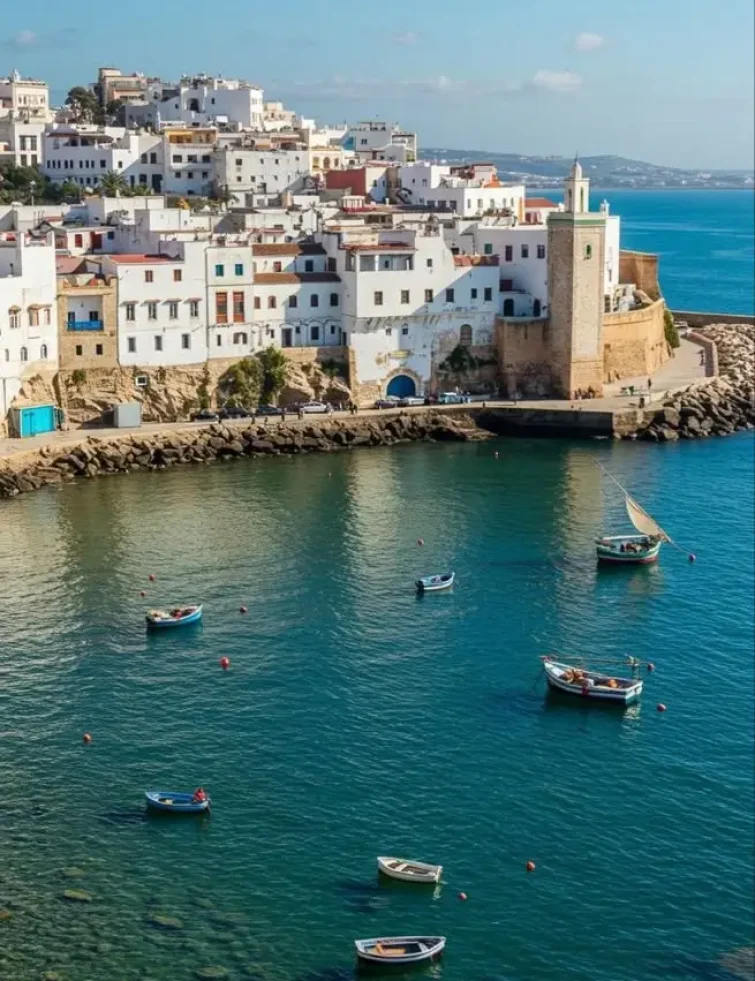
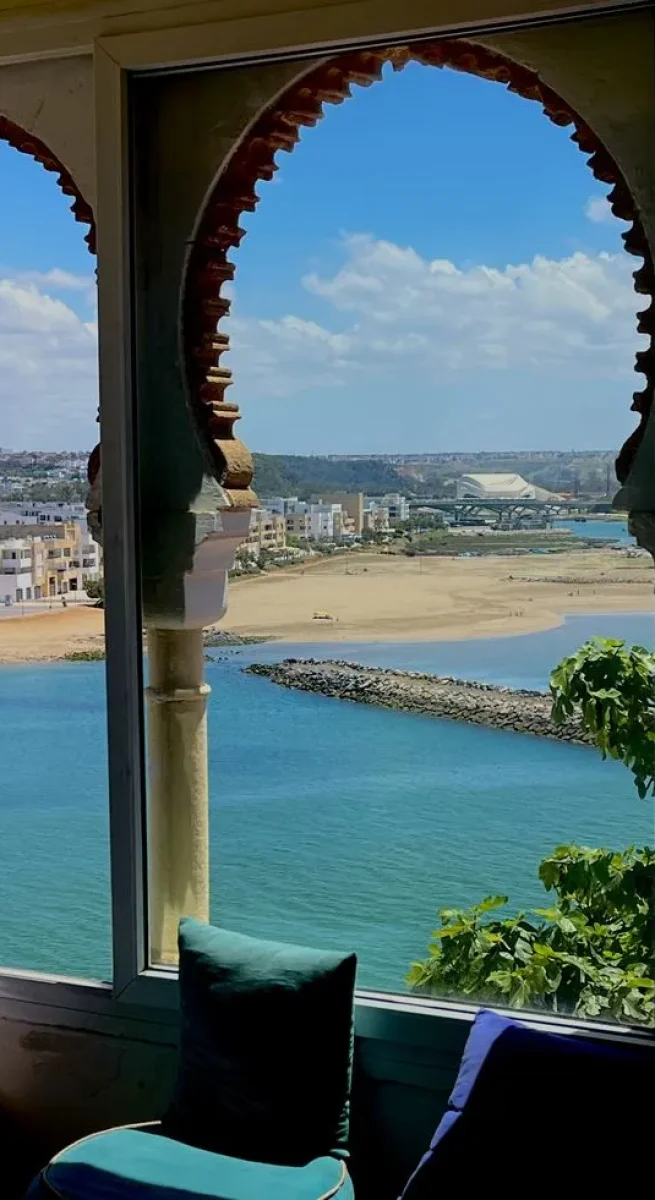
Rabat Beach
Rabat offers a convenient combination of city sightseeing and coastal scenery. Visitors can explore historic landmarks, gardens and the medina before spending time near the ocean.
The beach and nearby coastline can be exposed to Atlantic waves, so swimming conditions need to be checked locally. Rabat is a better choice for travelers who want a mix of city and coast than for those seeking an isolated beach holiday.
Skhirat Beach
Skhirat lies south of Rabat and is known for its sandy shoreline. It can be a useful option for people staying in or traveling through the Rabat area who want time by the sea without heading far down the Atlantic coast.
Conditions change with weather and tide, so do not assume the beach will always be calm. Check local swimming guidance and available facilities before visiting, especially with children.
El Harhoura Beach
El Harhoura, near Témara, offers another coastal option close to Rabat. Its shoreline includes sandy areas and rocky stretches, making it useful for coastal walks and enjoying the sea.
As with other beaches around the capital, the specific access point matters. Some sections may be more convenient than others for families, and not every stretch is suitable for swimming.
These destinations are particularly useful when you want a beach visit without adding a long-distance transfer to your itinerary.
Best for: Visitors staying in Rabat, short coastal outings and families who want to combine sightseeing with time near the sea.
For official local information, consult Visit Rabat’s beach guide
Martil Beach and Tamuda Bay: A Mediterranean Family Holiday
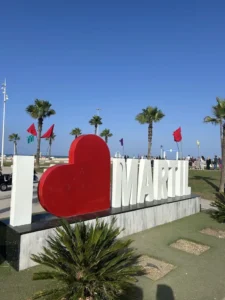
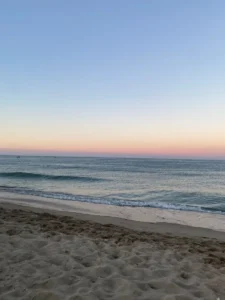
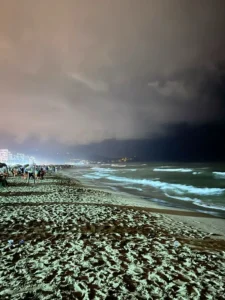
Martil is a lively seaside town near Tétouan on Morocco’s Mediterranean coast. During summer, the beach and promenade attract families who come to swim, walk, enjoy snacks and spend time outdoors.
The Mediterranean setting can provide warmer summer swimming than many Atlantic destinations. The town also offers a more local seaside atmosphere, particularly outside the busiest holiday weeks.
Nearby Tamuda Bay includes coastal areas around M’Diq and Cabo Negro. Depending on where you stay, you can combine beach time with restaurants, waterfront walks and excursions around northern Morocco.
This part of the coast works well for travelers exploring Tétouan, Chefchaouen or other northern destinations. It is less convenient if your entire itinerary is centered on Marrakech and southern Morocco.
During peak summer, expect more visitors and busier roads. Plan beach visits earlier in the day if you prefer a quieter setting, and check local swimming conditions when you arrive.
Best for: Summer swimming, families exploring northern Morocco and travelers who prefer Mediterranean coastal towns.
Legzira Beach: Dramatic Atlantic Scenery

Sandstone formations and wide ocean views
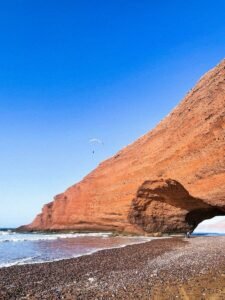
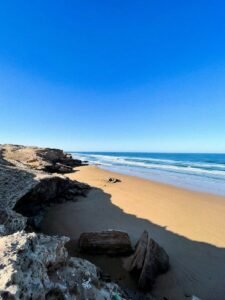
Legzira Beach, near Sidi Ifni on Morocco’s southern Atlantic coast, is known for its striking red sandstone formations and expansive ocean views. It is one of the most visually distinctive beaches in the country.
The beach is a strong choice for photography, coastal walks and watching the changing light across the cliffs and sand. The rock formations are the main attraction, so visitors do not need to plan a swimming day to appreciate the location.
Legzira’s coastline is exposed to Atlantic conditions. Waves, tides and erosion can affect access around the formations, so visitors should respect barriers and local warnings. Do not walk beneath unstable cliffs or approach the arches when the tide or sea conditions make it unsafe.
Families may enjoy the open space and scenery, but the beach is less suitable for carefree swimming than a sheltered, supervised swimming area. Bring water, sun protection and suitable footwear, and check the return journey before setting out.
Best for: Photography, dramatic scenery, coastal walks and travelers who want to see a different side of Morocco’s Atlantic coast.
The White Dune in Dakhla: Lagoon and Desert Landscapes
A distinctive natural setting in southern Morocco
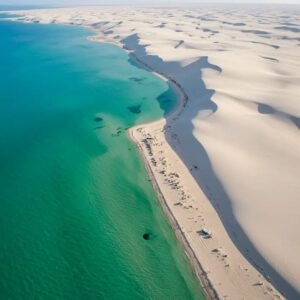
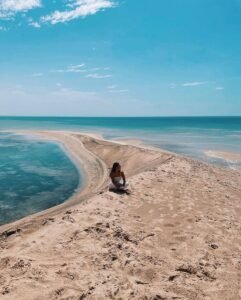
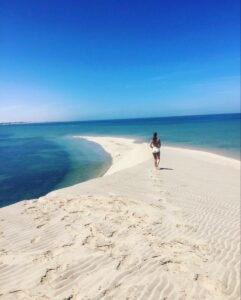
Dakhla offers a different coastal landscape from Morocco’s northern beaches. Located on the Atlantic coast in the far south, it is known for its lagoon, desert surroundings and wind-based watersports.
The White Dune is one of the area’s recognizable natural attractions. Its pale sand contrasts with the water and surrounding landscape, creating a memorable setting for photographs and nature-focused excursions.
Dakhla is particularly well known for kitesurfing, and wind conditions are an important part of its appeal. However, it is not simply a traditional beach destination where every visitor should expect warm, sheltered swimming. Conditions vary by location, and the lagoon, open coast and excursion sites need to be treated separately.
Reaching the White Dune usually requires arranging local transport or an excursion. Ask about the route, weather, tides and conditions before setting out, and do not assume that every part of the lagoon is suitable for swimming.
Because Dakhla is far from Morocco’s main northern and central cities, it is usually better to plan a dedicated stay than squeeze it into a short trip with several distant destinations.
Best for: Nature, photography, kitesurfing and travelers looking for an unusual combination of desert and sea.
You can explore the Moroccan National Tourist Office’s Dakhla guide for more destination information.
El Jebha: A Beach Between the Rif Mountains and the Mediterranea
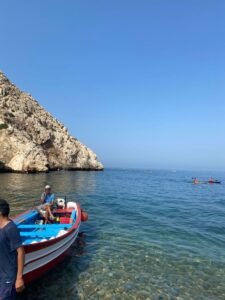
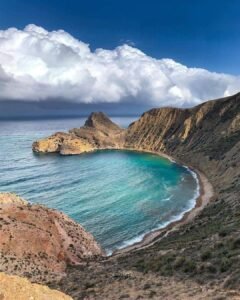
A small coastal town with rugged scenery
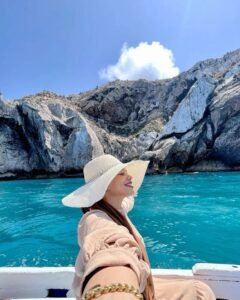
El Jebha, also written as Jebha, is a coastal town on Morocco’s Mediterranean shore in the central Rif region. Set between steep mountain slopes and the sea, it offers a very different atmosphere from the more developed beach areas around Agadir or Saïdia.
The town’s small harbor and surrounding coves give the area a strong connection to fishing and coastal life. The mountainous landscape is a major part of its appeal, with winding roads and views across the Mediterranean.
El Jebha can suit travelers who enjoy discovering less familiar destinations and do not need a large selection of beach facilities. However, visitors should not assume that every cove has lifeguards, easy access, restaurants or other services close by. Check the specific beach and available facilities before arriving.
The journey itself also deserves consideration. The Rif coast road is scenic but winding, so allow enough time and avoid planning a rushed transfer between distant destinations. Families traveling with younger children may prefer to break up the drive and bring snacks, water and anything they need during the journey.
As with the rest of Morocco’s coast, swimming conditions vary. Rocky shorelines, changing sea conditions and limited services in some areas make local advice especially important.
Best for: Travelers interested in mountain and sea scenery, quieter coastal towns and exploring the Mediterranean side of the Rif.
Amtar Beach: A Quiet Escape on the Mediterranean Coast
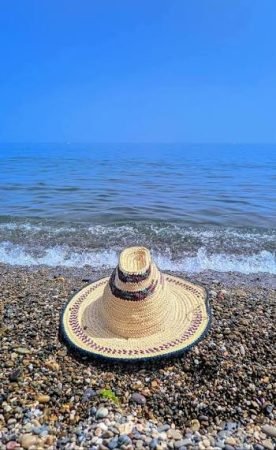
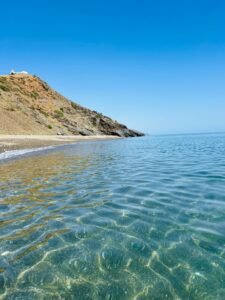
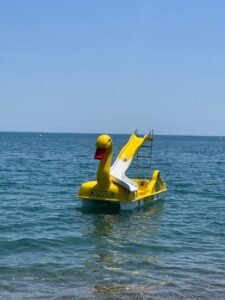
Amtar is a small coastal destination on Morocco’s northern Mediterranean shore, offering a quieter alternative to the busier summer beach towns. Surrounded by the rugged landscapes of the Rif region, it appeals to travelers who enjoy peaceful coastal scenery and a more local atmosphere. It can be a pleasant stop on a road trip along northern Morocco’s coastline, particularly for visitors exploring smaller seaside communities rather than large resort areas.
If you are visiting with children, check beach access, available facilities and sea conditions before you arrive. Smaller coastal destinations may have fewer services than Agadir or Martil, and swimming conditions can change with the weather. Bring drinking water, sun protection and any essentials you may need for the day.
Best for: Travelers looking for a quieter Mediterranean setting, scenic coastal stops and a less developed beach experience.
Belyounech Beach: Where the Rif Mountains Meet the Sea
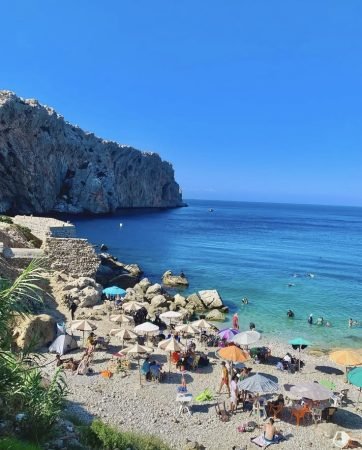
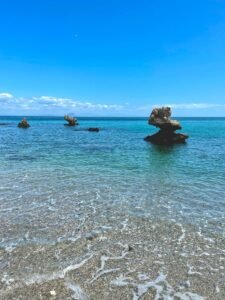
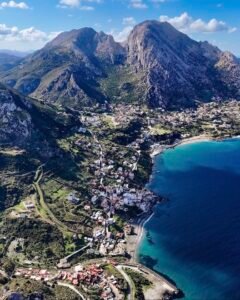
Belyounech is a small coastal village in northern Morocco, close to the Strait of Gibraltar and the border with Spain’s Ceuta. Its setting is especially appealing, with the Rif Mountains rising behind the Mediterranean shoreline. The surrounding scenery makes it a worthwhile option for travelers exploring the far north of Morocco and looking for a beach experience away from larger urban waterfronts.
Belyounech is better approached as a scenic coastal visit than as a beach with guaranteed facilities. Before planning a swimming day, check local conditions and access, particularly if traveling with young children. Bring your own essentials and allow time to enjoy the views without rushing onward to another destination.
Best for: Coastal scenery, a quieter village atmosphere and travelers exploring northern Morocco near the Strait of Gibraltar.
Imsouane Beach: A Relaxed Coastal Escape for Families
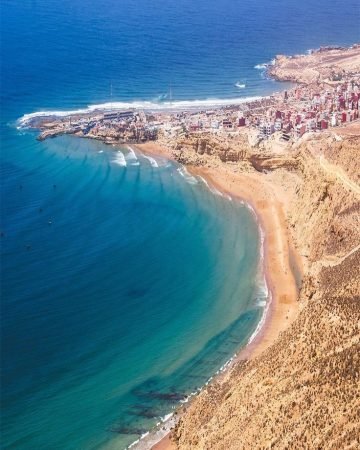
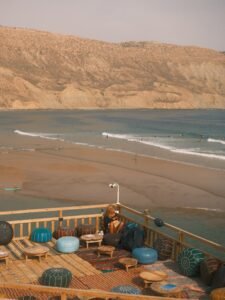
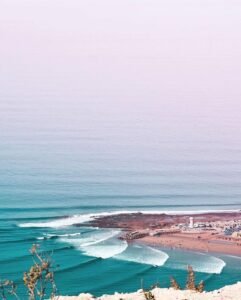
Imsouane is a small fishing village on Morocco’s Atlantic coast, between Agadir and Essaouira. It is known for its beautiful bay, laid-back atmosphere, and long waves that attract surfers from around the world. For families exploring Morocco’s coastline, Imsouane offers a quieter alternative to larger seaside resorts.
The village is especially appealing to families who enjoy coastal scenery, fresh seafood options, and a slower pace of travel. Children may enjoy watching the fishing boats and walking along the shore, while older children and adults interested in surfing can explore local surf schools and lessons.
However, Imsouane is not the best choice for every family. The Atlantic can have strong waves and currents, and the surf conditions that make the area popular with surfers can be unsuitable for young children swimming. Always check local conditions, follow lifeguard advice where available, and keep children away from rough water. Facilities and services may also be more limited than in larger destinations such as Agadir.
Best for: Families who enjoy quieter coastal villages, ocean views, and surfing, especially when Imsouane is part of a wider road trip between Agadir and Essaouira.
How to Choose the Right Beach for Your Family
The best beach for your family depends on your children’s ages, your preferred activities and how much time you want to spend traveling.
For toddlers and young children, convenience matters. Look for easy access, shade, nearby toilets and food, and a designated swimming area with lifeguards when available. A beautiful remote beach may be less practical if you need to carry everything a young child requires.
School-age children may enjoy a mix of sand play, coastal walks and simple activities. Teenagers may be more interested in surfing, watersports, photography or exploring smaller coastal towns.
Grandparents and multigenerational groups may appreciate destinations with a promenade, restaurants and short distances between the beach and accommodation. These features make it easier for everyone to enjoy the day at their own pace.
As a starting point:
For a convenient city beach, consider Agadir.
For culture alongside the coast, consider Essaouira.
For surfing, look at Taghazout and choose lessons appropriate to the conditions.
For summer Mediterranean swimming, consider Saïdia or Martil.
For dramatic scenery, consider Legzira or the White Dune.
For a quieter northern coastal experience, consider El Jebha.
No beach is automatically safe for children just because it is popular with families. Conditions and available supervision matter more than a destination’s reputation.
When Is the Best Time to Visit Morocco’s Beaches?
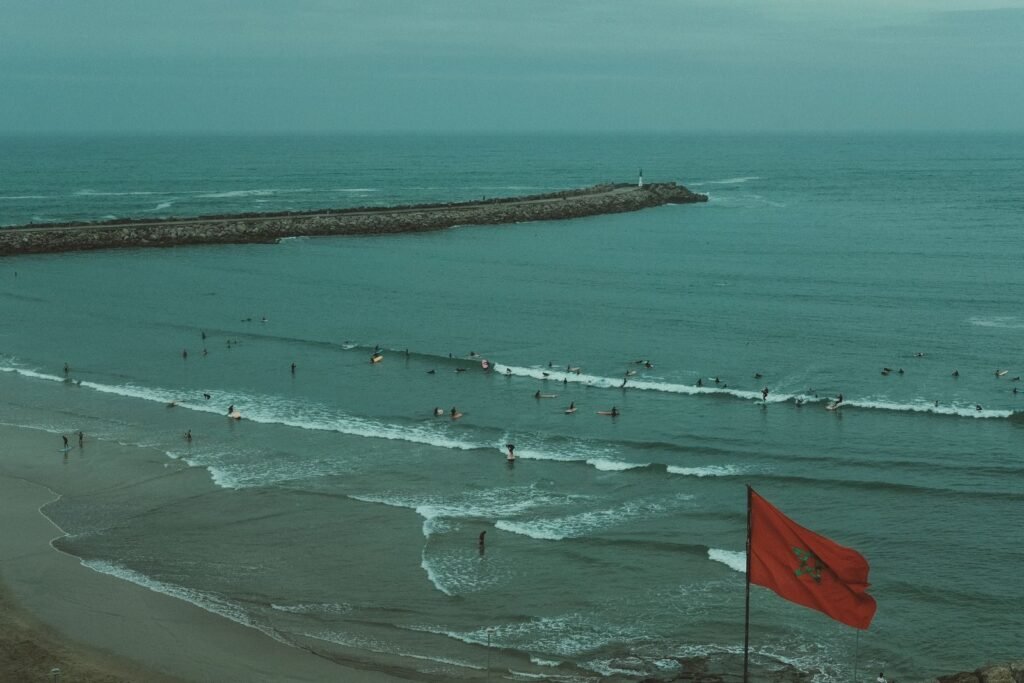
The best time depends on whether you want to swim, surf, walk or simply enjoy the coastal scenery.
Late spring through early autumn is a useful general period for many beach trips. The Mediterranean coast is especially popular during summer, when swimming conditions are often more appealing. July and August can also be busy, so accommodation and transport may need to be arranged well ahead of time.
The Atlantic coast can remain windy and the water can feel cool even in summer. Essaouira is known for its wind, while Taghazout attracts surfers because of its waves. These conditions may be excellent for watersports but less comfortable for a relaxed day of swimming with small children.
Agadir is often a practical option outside the peak summer season because its coastal setting and city facilities allow visitors to combine beach time with other activities. However, the weather and sea conditions still vary.
Before traveling, check the forecast and local swimming advice rather than relying only on the month. If swimming is the main purpose of the trip, choose the specific coast and beach with that priority in mind.
For broader seasonal planning, read our Morocco weather guide for October.
Getting to Morocco’s Beaches
Morocco is a large country, and the coastal destinations are spread over a long distance. Trying to visit too many of them in one trip can leave you spending more time in the car than on the beach.
A private driver can be useful for families who want flexibility, luggage space and the ability to stop when children need a break. A rental car offers independence, but drivers should be comfortable with local roads, parking and the longer distances involved.
Trains can be useful between connected cities, but they do not reach every beach town directly. You may still need a taxi or road transfer for the final part of the journey.
Think about the wider itinerary before choosing a beach. Agadir and Essaouira may fit a trip based around Marrakech, while Rabat, Martil and El Jebha make more sense within a northern route. Saïdia and Dakhla are far apart, so combining them in a short holiday is usually impractical.
With younger children, fewer stops and longer stays can make the trip more enjoyable. If you have only a week, choose one coastal region rather than trying to visit beaches at opposite ends of the country.
You can use our Morocco with kids guide to help plan the wider trip.
What to Bring for a Beach Day in Morocco
A little preparation can make a beach visit more comfortable, particularly when traveling with children.
Pack sunscreen, hats, drinking water, lightweight clothing and towels. A windproof layer is useful for Atlantic destinations such as Essaouira, where the breeze can make the beach feel cooler than expected.
For younger children, bring snacks, spare clothes and anything needed for naps or rest breaks. A sunshade can be useful where permitted, but check local rules and conditions before setting one up.
If you plan to swim, choose appropriate flotation equipment only as an additional precaution, not as a substitute for direct adult supervision. Children should remain within close reach in and around the water. Never rely on inflatable toys to keep a child safe.
For remote beaches such as some areas around El Jebha or Legzira, bring enough water and supplies for the visit and confirm what facilities are available before you arrive.
Beachwear also depends on the setting. Swimwear is normal at established beaches, but it can be useful to carry a light cover-up for walks through nearby towns and villages.
Finally, keep valuables secure and avoid leaving phones, wallets or bags unattended while swimming.
Common Mistakes to Avoid When Visiting Morocco’s Beaches
One common mistake is assuming every beach in Morocco offers the same experience. The Atlantic and Mediterranean coasts differ in wind, water temperature, waves and seasonal crowds. Choose a beach based on what you actually want to do.
Another mistake is assuming that a beautiful beach is suitable for swimming. Legzira is known for its scenery, Taghazout for surfing, and the White Dune for its distinctive landscape. None should be treated as automatically safe for inexperienced swimmers.
Families sometimes underestimate travel distances as well. A journey that looks manageable on a map can take longer on winding coastal roads or when stops are needed. Plan realistic driving days and avoid combining faraway beaches just to increase the number of destinations.
It is also easy to overlook the weather. A sunny forecast does not guarantee warm water or calm seas, and wind can affect comfort even when temperatures are pleasant.
Finally, do not assume that remote beaches have the same facilities as city beaches. Before leaving, check access, parking, food options, toilets, mobile coverage where relevant and the availability of local assistance.
The best beach trip is not necessarily the one with the most destinations. It is the one that fits your interests, travel time and comfort level.
Conclusion
Morocco offers a wide variety of coastal experiences, from Agadir’s convenient city beach and Essaouira’s historic atmosphere to the sandstone scenery of Legzira, the lagoon landscapes of Dakhla and the mountain-backed Mediterranean coast around El Jebha.
The right choice depends on what matters most to you. Families who want easy access to services may prefer Agadir, while travelers interested in culture may enjoy Essaouira. Saïdia and Martil are worth considering for a summer Mediterranean stay, and Legzira or the White Dune are better suited to travelers drawn to distinctive landscapes.
Before deciding, consider the season, travel distances, facilities and swimming conditions. With realistic planning, Morocco’s beaches can be a rewarding part of a wider trip, whether you are traveling with young children, teenagers or several generations of family.
Frequently Asked Questions
Our dedicated team is here to answer your Morocco Family Travel questions and ensure a smooth, memorable journey through Morocco.
What is the best beach in Morocco for families?
Agadir is a practical choice for many families because it has a long sandy beach, a promenade and convenient services nearby. Saïdia and Martil are also worth considering for summer swimming. The best option depends on the season, local sea conditions and the facilities your family needs.
Are Morocco’s beaches safe for swimming?
Some beaches have designated swimming areas and seasonal lifeguards, but conditions vary. Atlantic beaches can have strong waves and currents, and even Mediterranean beaches require care. Check local warnings, swim where permitted and supervise children closely.
Which Moroccan beaches are best for scenery?
Legzira is known for its sandstone formations, the White Dune near Dakhla for its lagoon and desert setting, and El Jebha for its combination of Mediterranean coastline and Rif Mountain scenery. These destinations are especially appealing for photography and coastal walks.
Is the Atlantic or Mediterranean coast better for swimming?
The Mediterranean coast generally offers warmer water during summer, while the Atlantic is often cooler and more exposed to waves and wind. Conditions differ by location, so check the specific beach before planning to swim.
Can I visit several Moroccan beaches in one week?
Yes, if you choose destinations within the same region. Agadir and Taghazout can be combined, as can Rabat and nearby Skhirat or El Harhoura. Traveling between distant destinations such as Saïdia and Dakhla takes considerably more planning, so it is usually better to focus on one coastal region during a short trip.
Table of Contents
-
Private Family Tours
-
Custom Itineraries
-
Sahara Desert Tours
-
Chefchaouen & Northern Morocco Tours
-
Luxury Desert Camping
-
Multi-Day Tours (2–16 Days)
-
Atlas Mountains Trips
-
Cooking Classes & Market Visits
-
Photography & Heritage Tours
-
Airport Transfers & Private Transport
-
Custom Birdwatching Tour in Morocco
-
24/7 Tour Support & booking Flexibility

At Morocco Family Vacation, we create custom Morocco tour packages designed around your interests and travel style. As a dedicated and independent travel agency, we specialize in private Morocco tours offering memorable desert adventures, cultural experiences, and family friendly itineraries while delivering attentive, personalized service from start to finish.