
Moroccan Tiles Zellige
How centuries-old craftsmanship continues to shape modern Moroccan architecture and décor.
Moroccan Tiles Zellige the beauty, history, and modern charm
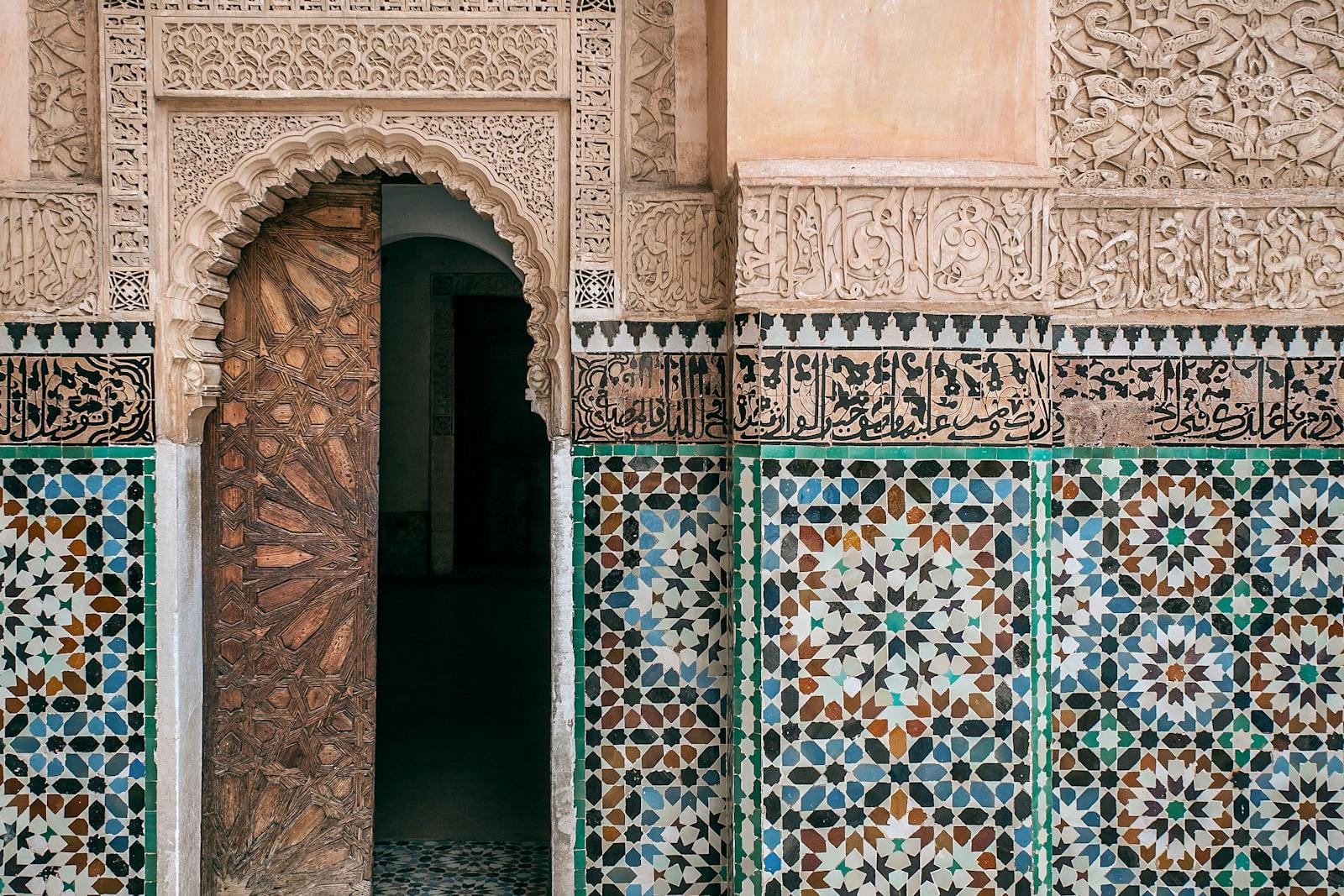
Walk through the ancient medinas of Morocco and you will quickly notice one artistic detail that defines the country’s architectural soul: moroccan tiles zellige. From palace courtyards to intimate riads, these shimmering handmade tiles reflect light in a way that feels almost alive. Each piece carries slight variations in color, thickness, and glaze not flaws, but proof of craftsmanship shaped by hand, earth, and fire.
For travelers, design enthusiasts, and curious readers, moroccan tiles zellige offer more than decoration. They represent centuries of cultural exchange, Andalusian influence, Islamic geometry, and artisanal mastery passed down through generations. In this guide, you will explore the history of moroccan tiles zellige, how they are made, where to see them in Morocco, how designers use them globally, and what you should know if you want to buy or install them. Whether you’re planning a family trip to Morocco or redesigning your kitchen back home, this article will help you understand why this timeless craft continues to captivate the world.
The Origins of Moroccan Tiles Zellige
A Craft Born in Imperial Morocco
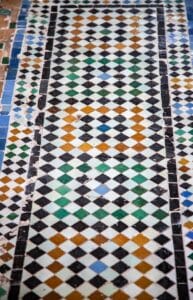
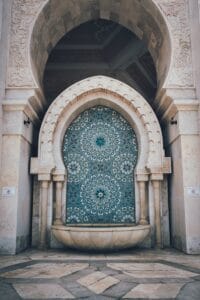
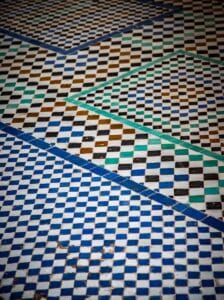
The history of moroccan tiles zellige dates back to the 10th century, flourishing during the Almoravid and Almohad dynasties. The craft reached artistic refinement in imperial cities such as Fes and Marrakech, where geometric decoration became a defining feature of Islamic architecture.
Zellige evolved from earlier mosaic traditions introduced through Andalusia. Over time, Moroccan artisans refined the technique, developing intricate star and polygon patterns that required mathematical precision and extraordinary patience. Unlike mass-produced ceramic tiles, moroccan tiles zellige are cut and assembled by hand into elaborate compositions.
Zellige vs. Other Tile Traditions
Travelers often compare zellige to Mediterranean ceramics, but there are key differences:
Zellige is hand-chiseled after firing.
Tiles are slightly irregular in thickness.
The glaze creates subtle tonal variation.
Patterns are assembled like mosaics, not printed.
These distinctions give moroccan tiles zellige their signature texture and organic charm something machine-made tiles cannot replicate.
Tradition Meets Modern Revival
Today, while rooted in heritage, moroccan tiles zellige are used globally in modern kitchens, boutique hotels, and luxury bathrooms. Designers appreciate their depth, imperfection, and ability to reflect light dynamically.
Unique Insight: The slight unevenness of zellige actually enhances light reflection. In bright Moroccan sunlight, the surface subtly shifts tone throughout the day making walls feel alive.
Why are Moroccan zellige tiles so expensive?
Authentic Moroccan zellige tiles are expensive because they are entirely handmade by skilled artisans using traditional techniques passed down for centuries, especially in cities like Fez. Each tile is cut, shaped, glazed, and fired individually from natural clay, making production slow and labor-intensive. Variations in color, texture, and size are intentional and add to their character. The cost also reflects artisan expertise, limited production capacity, and international shipping. Unlike mass-produced ceramic tiles, zellige offers unique craftsmanship, durability, and timeless beauty, making it a premium material valued for authenticity, heritage, and long-lasting architectural appeal.
How Moroccan Tiles Zellige Are Made
Understanding the production process deepens appreciation for moroccan tiles zellige.
Step 1: Clay Extraction
Artisans source natural clay from regions around Fes, where mineral composition gives tiles their durability. The clay is soaked, filtered, and hand-shaped into square molds.
Step 2: Sun-Drying and Firing
Tiles dry naturally in the sun before being fired in traditional kilns. The firing process is critical temperature variations create the subtle color shifts characteristic of authentic Moroccan tiles zellige.
Step 3: Hand Glazing
Artisans apply natural mineral glazes. Traditional colors include:
Deep cobalt blue
Emerald green
Honey yellow
Chalk white
Terracotta red
These tones were historically symbolic, representing spirituality, nature, and protection.
Step 4: Hand-Cutting (Taqchit)
After glazing, each tile is hand-cut using a sharp hammer into precise shapes: squares, stars, crosses, and octagons. This is where the magic happens. The mosaic is assembled face-down like a puzzle.
Unique Insight: No two tiles are identical. This variability increases installation complexity but dramatically improves visual richness.
What are the downsides of zellige tiles?
Zellige tiles offer unique beauty, but they come with a few drawbacks. Because they are handmade, each tile varies slightly in size, thickness, and color, which can make installation more complex and time-consuming. The uneven surface and glossy glaze may highlight imperfections and require experienced installers. Grout lines are usually wider, and sealing may be needed in certain applications. Zellige is also more expensive than standard tiles and may chip if cut improperly. While durable, it’s not always ideal for perfectly uniform or ultra-modern designs where precision, flatness, and consistency are essential for the desired aesthetic.
Where to See Moroccan Tiles Zellige in Morocco
For travelers, seeing moroccan tiles zellige in context is unforgettable.
Historic Monuments
The finest examples can be found in:
Al Quaraouiyine Mosque
Bahia Palace
Saadian Tombs
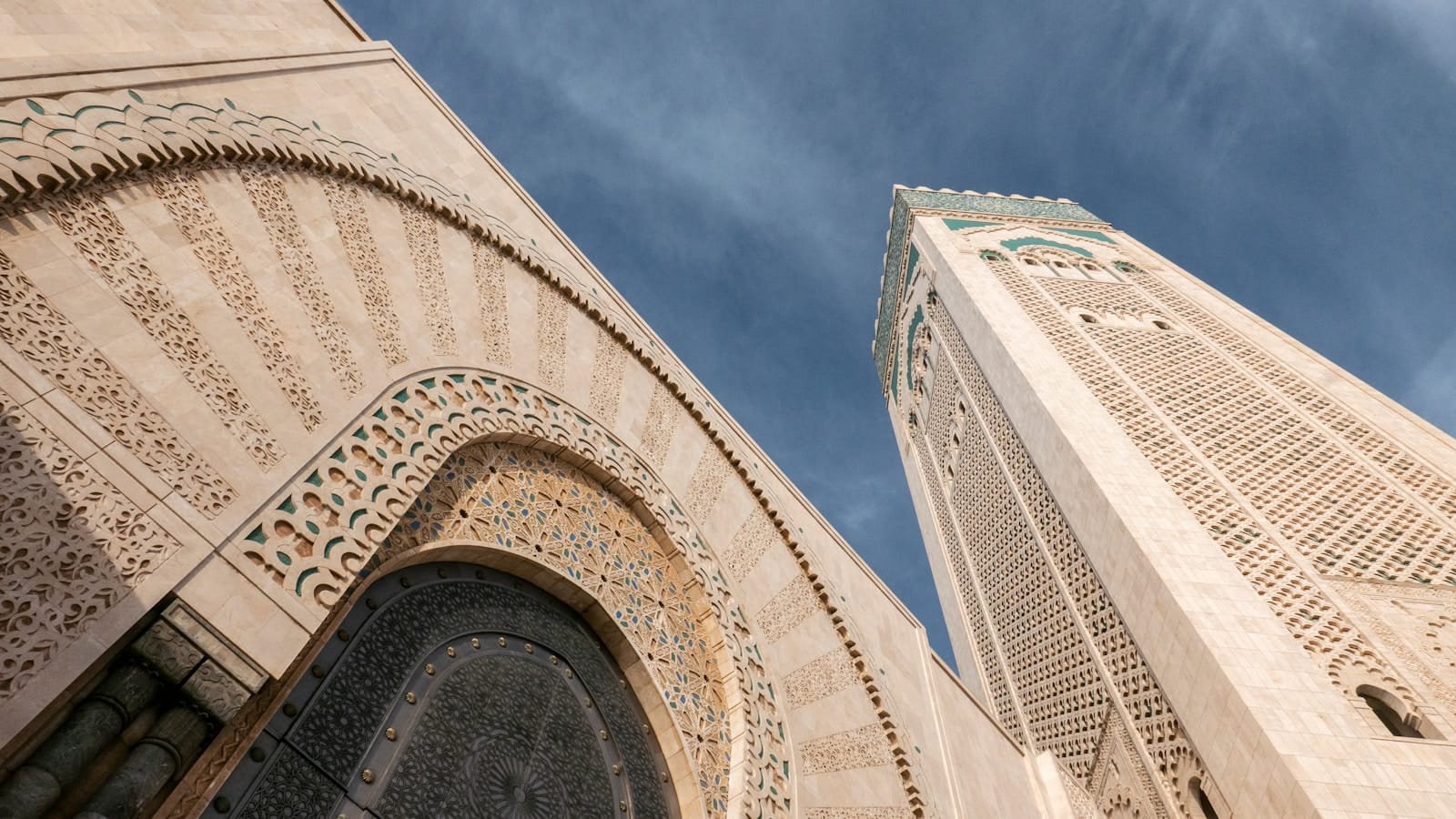
Walls, fountains, and courtyards are entirely adorned with geometric masterpieces.
Artisan Workshops
Visit tile workshops in Fes or Safi to watch artisans cut and assemble tiles manually. Families traveling with children often find this educational it demonstrates patience, geometry, and traditional craftsmanship.
Riads & Boutique Hotels
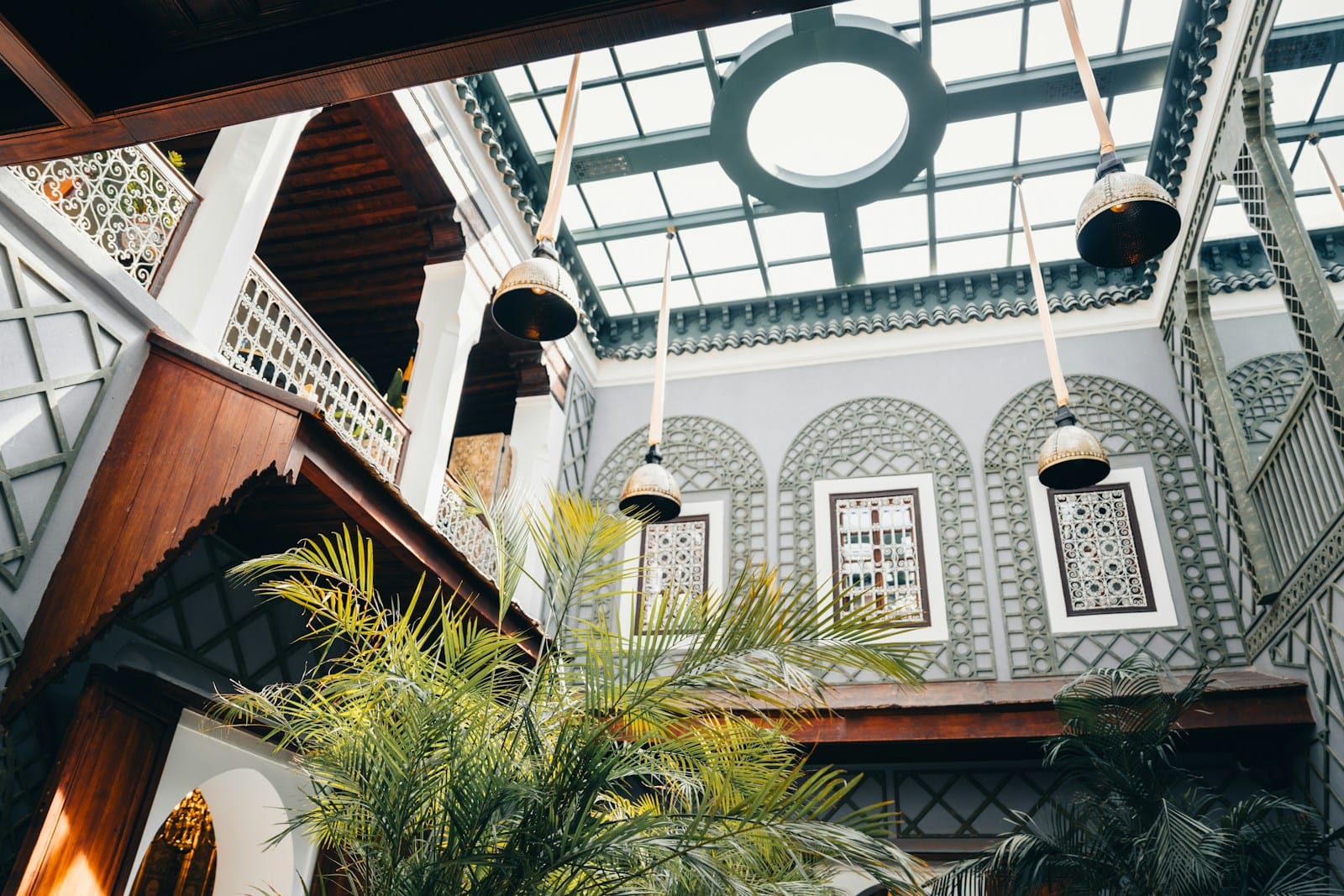
Many riads in Marrakech showcase stunning tile work in bathrooms and courtyards. Staying in one offers immersive design inspiration.
Unique Insight: When children see artisans working, they begin to understand that architecture is handmade not just something that appears magically.
Is Zellige tile too trendy?
Zellige may appear trendy in modern interiors, but its origins date back over a thousand years in Moroccan architecture, particularly in historic sites across Marrakech. Its handcrafted look and natural variation give it a timeless, artisanal quality rather than a short-lived design trend. While it’s currently popular in kitchens and bathrooms, zellige’s appeal comes from its heritage, durability, and unique texture. When used in classic colors or traditional patterns, it remains elegant for decades. Instead of being a passing trend, zellige is best seen as a long-lasting design choice rooted in cultural craftsmanship.
Design & Decor with Moroccan Tiles Zellige
Today, moroccan tiles zellige are widely used in global interior design.
Interior Applications
Kitchen backsplashes
Bathroom walls
Fireplace surrounds
Accent walls
Because of their glossy finish, they are especially popular for kitchens.
Outdoor Applications
Courtyard fountains
Garden walls
Pool borders
Zellige performs well outdoors in dry climates but must be sealed in wetter regions.
Modern vs Traditional Patterns
Traditional Moroccan mosaics emphasize geometric symmetry. Modern design trends favor:
- Solid-color installations
- Vertical stacking
- Minimal grout lines
Unique Insight: Designers increasingly use single-color zellige to create texture rather than pattern allowing light variation to become the focal point.
Buying Authentic Moroccan Tiles Zellige
How to Identify Authentic Tiles
Authentic moroccan tiles zellige:
Show minor imperfections
Have slight size variation
Feature hand-cut edges
Display tonal glaze differences
Machine-made imitations appear too uniform.
Price Factors
Costs depend on:
Size and thickness
Complexity of cut shapes
Color rarity
Shipping logistics
Shipping Tips for Travelers
If you plan to purchase during your trip:
Confirm international freight options
Request extra 10–15% tiles for breakage
Ask about sealing recommendations
Ready to Start Your Morocco Journey?
Book your trip today with our expert planners, enjoy personalized itineraries tailored to your flights and travel needs, and claim 30% off as a first-time visitor!
Installing Moroccan Tiles Zellige
Unlike standard ceramic tiles, moroccan tiles zellige require skilled installation.
Key Differences
Surface leveling is crucial
Tiles are installed tightly (minimal grout)
White mortar enhances brightness
Professional Recommendation
Hire installers experienced with handmade tiles. Irregular thickness can complicate alignment.
Unique Insight: Installers often “wet lay” zellige to allow micro-adjustments, accommodating variation.
Caring for Moroccan Tiles Zellige
Maintenance ensures longevity.
Sealing
Natural clay requires sealing, especially in kitchens and bathrooms.
Cleaning
Use:
Mild soap
Soft cloth
Avoid acidic cleaners
Preventing Damage
Regular resealing protects against staining.
Moroccan Tiles Zellige Around the World
Design studios in Europe and North America increasingly feature moroccan tiles zellige in high-end residential projects. Boutique hotels incorporate them for authenticity and texture.
Global appreciation has grown thanks to social media and architectural magazines highlighting handcrafted elements over industrial finishes.
Unique Insight: Zellige’s rise reflects a broader shift toward sustainable handmade materials consumers now value imperfection as authenticity.
Need Help with Transportation in Morocco?
Book a reliable private driver for your Morocco family adventure today – personalized routes designed just for you, and get 30% off as a first-time visitor!
Practical Travel Tips for Tile Lovers
If you’re traveling to Morocco with children:
Visit artisan quarters in Fes
Encourage kids to sketch geometric patterns
Discuss how math connects to design
Respect workshop etiquette always ask before photographing artisans.
Quick Takeaways
Moroccan tiles zellige date back over 1,000 years.
Each tile is handmade, glazed, and hand-cut.
Imperfections are intentional and desirable.
Best seen in Fes and Marrakech monuments.
Installation differs significantly from ceramic tiles.
Proper sealing ensures longevity.
Zellige blends tradition with contemporary design trends.
Conclusion
Moroccan tiles zellige represent more than decorative surfaces they embody Morocco’s artistic heritage, mathematical precision, and generational craftsmanship. From the ancient courtyards of Fes to modern kitchens around the world, these tiles bridge past and present through texture and light.
For travelers and families visiting Morocco, experiencing zellige firsthand transforms appreciation into understanding. Watching artisans shape clay and assemble mosaics reveals the patience behind beauty. If you’re planning a trip, include a workshop visit in your itinerary. If you’re designing your home, consider how moroccan tiles zellige can add warmth and authenticity to your space.
Craft, culture, and creativity meet in every glazed surface and that is why zellige continues to enchant the world.
─── Your questions, our answers.
Frequently Asked Questions
Our dedicated team is here to answer your Morocco Travel questions and ensure a smooth, memorable journey through Morocco.
What makes authentic Moroccan tiles zellige different?
They are handmade, hand-cut, and feature natural glaze variation unlike machine-made ceramic tiles.
Are Moroccan tiles zellige suitable for kitchens?
Yes. With proper sealing, they are ideal for backsplashes and walls.
Where can I buy authentic Moroccan tiles zellige?
The best places include artisan workshops in Fes and Safi.

Kate Carter
Family Travel Blogger
Kate Carter is a mom and travel blogger who fell in love with Morocco’s culture and warmth. Through Morocco Family Vacation, she shares tips and stories to help travelers enjoy authentic, stress-free experiences. Join us along the way.
Table of Contents
Our Services
-
Private Family Tours
-
Custom Itineraries
-
Sahara Desert Tours
-
Chefchaouen & Northern Morocco Tours
-
Luxury Desert Camping
-
Multi-Day Tours (2–16 Days)
-
Atlas Mountains Trips
-
Cooking Classes & Market Visits
-
Photography & Heritage Tours
-
Airport Transfers & Private Transport
-
Custom Birdwatching Tour in Morocco
-
24/7 Tour Support & booking Flexibility

At Morocco Family Vacation, we create custom Morocco tour packages designed around your interests and travel style. As a dedicated and independent travel agency, we specialize in private Morocco tours offering memorable desert adventures, cultural experiences, and family friendly itineraries while delivering attentive, personalized service from start to finish.
Popular Tours
Latest Posts





get in touch
#Morocco family friendly tours
#Morocco family holiday
#Morocco with kids
#Morocco travel tips for families
#Morocco Family Vacation