Morocco Etiquette: 15 Dos and Don’ts for Respectful Travelers
What Should Tourists Know About Morocco Etiquette?
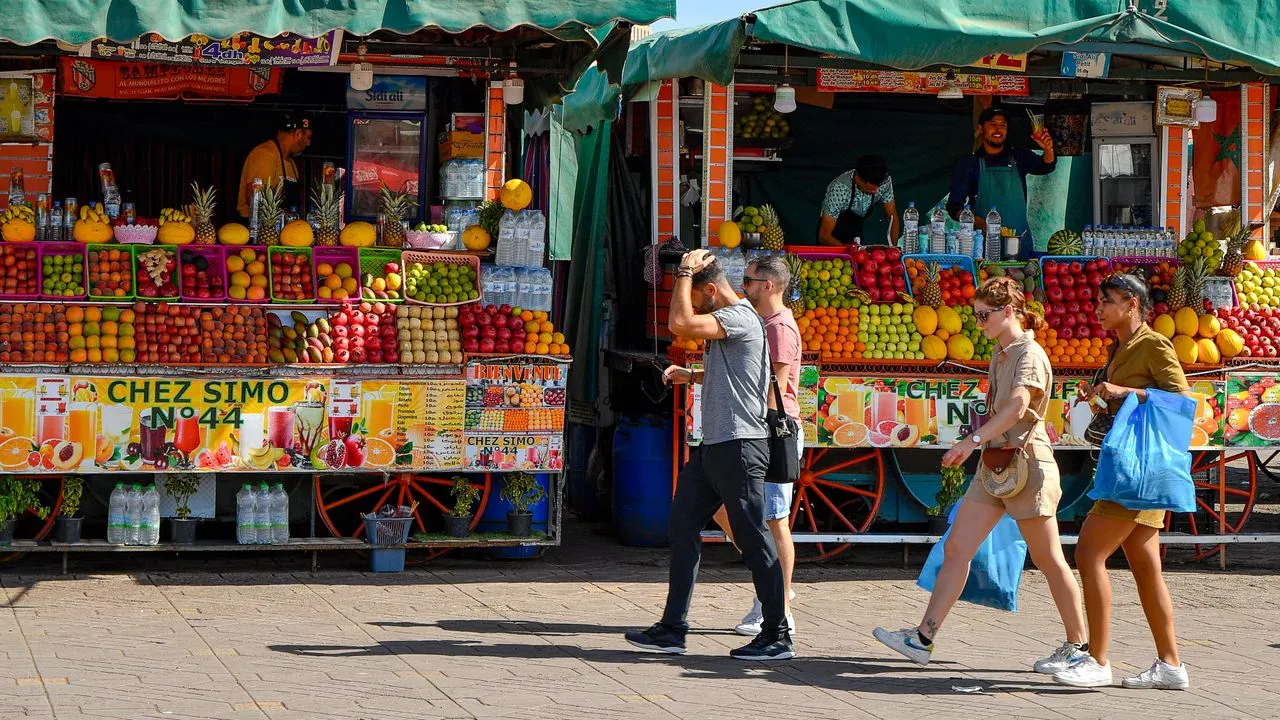
Morocco etiquette is about understanding local customs, respecting religious and cultural traditions, and knowing how to behave in everyday situations. Visitors do not need to follow every local tradition, but a little cultural awareness can make conversations, meals, shopping and sightseeing more comfortable.
Morocco is a diverse country with modern cities, traditional villages, coastal communities and mountain regions. Customs vary between families, generations and locations, so there is no single rule that describes every Moroccan interaction.
For most visitors, the basics are straightforward: greet people politely, dress appropriately for the setting, ask before taking photographs, keep public affection discreet, and show consideration during Ramadan.
Families should also prepare children and teenagers for different social expectations, particularly when visiting medinas, religious sites and traditional communities.
This guide explains 15 practical dos and don’ts, including answers to common questions about clothing, kissing in public, hotel rooms, dining, hammams and local laws.
Quick Takeaways: Morocco Etiquette at a Glance
Dress with consideration in medinas, rural communities and religious settings. Beachwear is generally better kept to beaches and pools.
Begin conversations with a polite greeting rather than immediately asking for directions or prices.
Ask permission before photographing people, especially children, and avoid photographing sensitive government or military sites.
Keep public displays of affection discreet and understand that Moroccan laws may differ from those in your home country.
Use your right hand when sharing food or handing something to someone in traditional settings.
During Ramadan, be considerate around people who are fasting and check local opening hours.
Teach children to respect personal space, religious practices and local customs without making them feel that ordinary cultural differences are something to fear.
Greet People Politely Before Starting a Conversation
Why greetings matter in Morocco
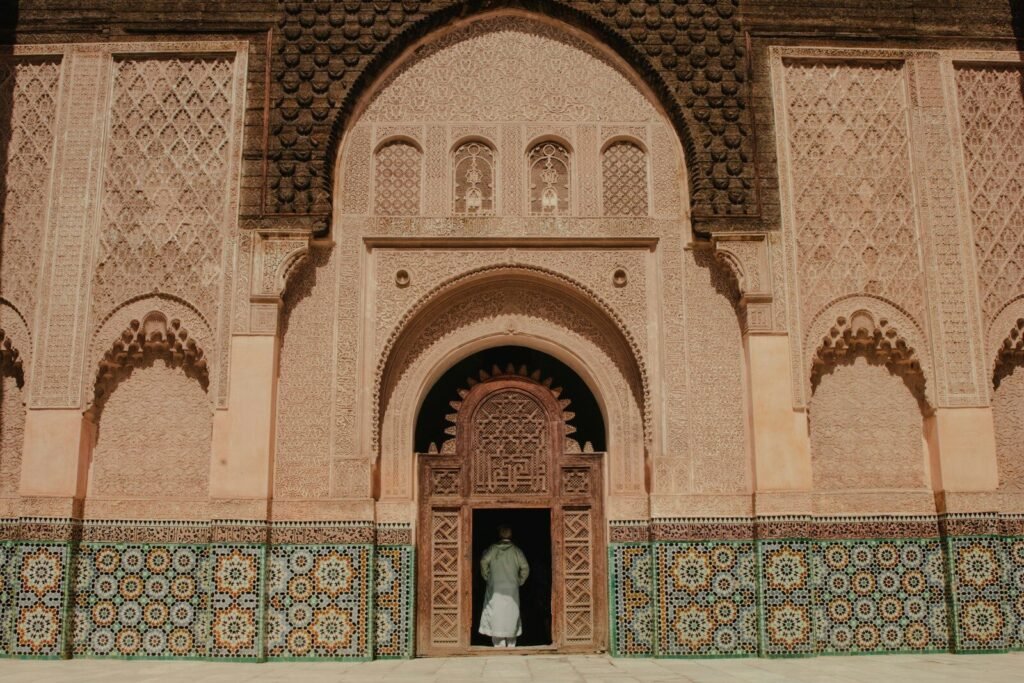
A greeting is a simple way to show respect. In Morocco, people commonly use Salam Alaikum, meaning “peace be upon you.” A typical response is Wa Alaikum Salam.
You do not need to speak fluent Arabic or Darija to make a good impression. A friendly hello, a smile and a moment of patience are often enough.
The Moroccan National Tourist Office provides additional examples of useful greetings and everyday expressions in its Moroccan language guide
When entering a small shop, greeting the shopkeeper before asking about a product is a considerate approach. The same applies when meeting a host, driver or local guide.
Accept Hospitality Graciously, but Know You Can Decline
Moroccan hospitality often involves offering mint tea, refreshments or food. Tea can be an important part of welcoming guests and creating a relaxed conversation.
If someone invites you for tea, accepting when you feel comfortable can be a lovely way to connect. If you are tired, full or unable to accept, thank them politely and explain.
You are not required to accept every invitation or purchase something simply because someone has been friendly.
For families, it is helpful to explain to children that hospitality is a gesture of welcome, not an obligation to eat everything offered.
Read more about Moroccan hospitality and traditional tea customs from the national tourism authority.
Dress Respectfully Without Feeling You Must Wear Traditional Clothing
What should women wear in Morocco?
There is no single outfit that every female tourist must wear. In cities such as Marrakech, Casablanca and Rabat, clothing styles vary considerably.
Lightweight trousers, skirts, dresses and tops that provide comfortable coverage are practical choices for exploring medinas and traditional neighborhoods. Covering the shoulders and knees is a useful guideline, particularly in conservative settings.
Showing cleavage is not automatically a criminal offence simply because a visitor wears a low-cut top. However, more revealing clothing may attract unwanted attention or feel out of place in some communities.
What should men wear in Morocco?
T-shirts, trousers, jeans and ordinary shorts are common practical choices. Walking around towns shirtless or wearing swimwear away from the beach or pool is best avoided.
Can tourists wear shorts and swimwear?
Yes. Shorts are worn by visitors and locals, particularly in warmer weather and tourist areas. Swimwear is appropriate at beaches and swimming pools, while ordinary clothing is more suitable for streets, shops and restaurants.
For more detailed packing advice, see our guides on what women should wear in Morocco and what men should wear in Morocco.
Do women need to cover their hair?
Women do not generally need to cover their hair in everyday public spaces. Requirements and expectations depend on the specific religious site, so check its visitor rules before entering.
Keep Public Displays of Affection Discreet
Can you kiss your wife in public in Morocco? Married couples should still be considerate of their surroundings. Holding hands may be accepted in many tourist areas, but kissing and more intimate displays of affection can attract disapproval, particularly in conservative communities.
There is an important distinction between social expectations and the law. Moroccan laws concerning public decency and sexual conduct can have legal consequences, and same-sex sexual relations are criminalized. Visitors should read current official travel advice rather than assume that the rules are identical to those in their home country.
For couples traveling with children, keeping affection discreet is a straightforward way to avoid unnecessary discomfort.
Ask Permission Before Photographing People
Morocco offers many opportunities for photography, from colorful souks to mountain villages and historic architecture. However, not everyone wants to appear in a visitor’s photographs.
Ask before taking close-up pictures of shopkeepers, artisans, performers or other residents. Be especially careful with children and follow a parent’s decision if they decline.
If someone refuses, thank them and move on. Do not assume that someone standing in a public place has agreed to be photographed.
Avoid taking photographs near sensitive political or military sites, where restrictions may apply. The UK government’s Morocco travel advice provides further guidance on photography and local laws
Bargain Politely in the Souks
Negotiation is part of shopping in many traditional Moroccan markets. It can be enjoyable when both sides remain friendly and understand that the price is being discussed.
If you are interested in an item, ask its price and make a reasonable counteroffer. If the price is outside your budget, you can politely decline.
Avoid insulting the seller, pretending to be angry just to negotiate, or feeling pressured to buy something you do not want.
Families should agree on a budget before shopping and keep an eye on children in busy market lanes.
For additional context, the Moroccan National Tourist Office explains the shopping traditions found in Marrakech’s souks
Follow Basic Moroccan Dining Etiquette
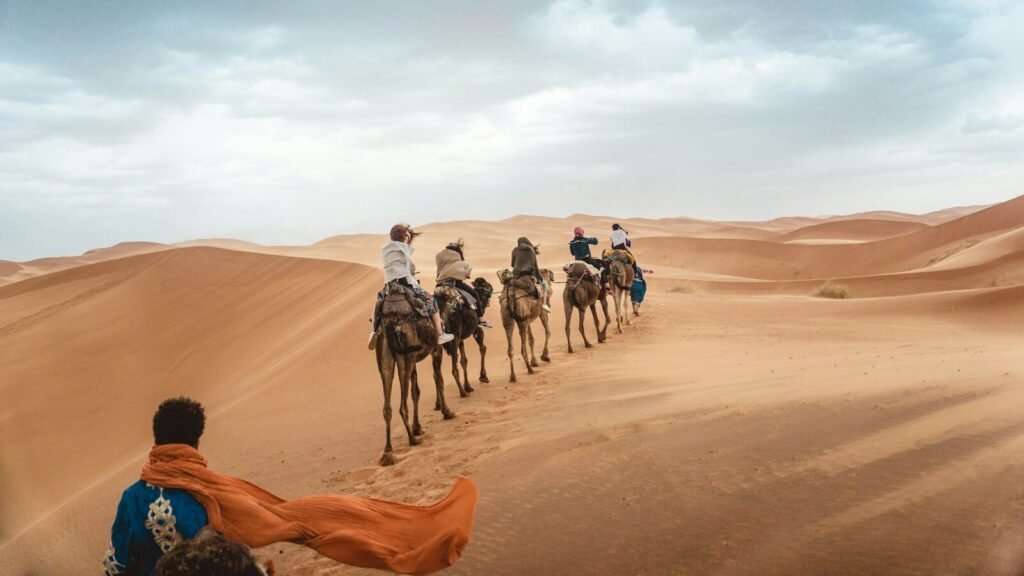
Use your right hand when sharing food
At traditional meals where people eat from a shared dish, follow your host’s lead and generally use your right hand. Eat from the portion nearest you rather than reaching across the dish.
Restaurants and contemporary dining venues may provide individual plates and cutlery, so adapt to the setting.
Should you finish everything on your plate?
There is no universal rule requiring guests to finish every bite. Take a comfortable portion and thank your host for the meal.
If you have allergies, dietary restrictions or food preferences, explain them clearly before ordering. Families should do the same when arranging meals for young children.
What should visitors know about Moroccan food?
Meals may include tagine, couscous, soups, salads and bread, depending on the location and occasion. Ingredients and preparation vary between households and restaurants.
Explore the Moroccan National Tourist Office’s overview of Moroccan cuisine and dining traditions
Respect Ramadan and Religious Practices
Can tourists eat and drink during Ramadan?
Ramadan is a month of fasting for Muslims from dawn until sunset. Visitors who are not fasting should be considerate when eating, drinking or smoking in public during daylight hours, particularly away from tourist-focused venues.
This does not mean every restaurant closes or every visitor must fast. Opening hours and services can change, so check locally and plan meals accordingly.
What should families expect during Ramadan?
Some businesses may open later or operate on different schedules. People who are fasting may also be tired near the end of the day.
Families can make outings easier by allowing extra time, carrying water for appropriate settings and checking meal availability in advance.
The official UK travel advice for Morocco outlines relevant customs and practical considerations during Ramadan.
Understand Hammam Etiquette Before Visiting
A traditional hammam is a communal bathing experience that may involve warm rooms, washing and exfoliation. It is not identical to a hotel spa, and procedures differ between establishments.
Before booking, ask whether the hammam has separate sessions or facilities for men and women, what clothing is required, whether towels and toiletries are supplied, and whether treatments are included in the price.
Follow the establishment’s instructions, respect other visitors’ privacy and avoid taking photographs in bathing areas.
Families should confirm age policies and whether children are permitted. A traditional hammam may not suit every child, especially if the rooms are very hot or the experience is unfamiliar.
Understand the Rules on Alcohol and Illegal Drugs
Morocco has laws regulating alcohol and strict penalties for illegal drugs. Alcohol may be available through licensed venues, but drinking in public places such as streets can be illegal.
Do not assume that substances permitted in your home country are permitted in Morocco. Cannabis remains illegal, and drug-related offences can carry serious consequences.
Keep any alcohol consumption within the law, follow venue rules and never drive after drinking.
For current information, consult the UK government’s official Morocco safety and security guidance
Be Respectful Around Mosques and Religious Sites
Religious sites deserve particular care. Some mosques are not open to non-Muslim visitors, while certain religious or historic sites have specific visitor rules.
Check access requirements before visiting, dress appropriately and follow instructions from staff. Do not enter restricted areas or interrupt people who are praying.
Ask before photographing worshippers, religious ceremonies or private gatherings.
Children can visit cultural and religious sites, but explain beforehand that quiet voices, respectful behavior and following instructions are important.
Teach Children to Respect Local Customs
Traveling with children does not mean avoiding traditional neighborhoods or cultural experiences. It means adapting the pace and explaining expectations in a way children can understand.
Before visiting a market, for example, explain that people may be working, shopping or carrying goods, so they should stay close to their parents and avoid blocking narrow walkways.
When visiting a family home, encourage children to greet their hosts, thank them for food and ask before touching personal belongings.
Allow breaks when children become tired. A relaxed visit is often more rewarding than trying to fit several cultural activities into one afternoon.
If you are planning a longer family itinerary, explore our family tours in Morocco to see how cities, cultural visits and other experiences can be combined around your family’s needs.
Follow Basic Moroccan Business Etiquette
Business interactions can be more formal than casual holiday conversations. When meeting a local business contact, arrive on time, greet everyone politely and allow a little time for introductions before discussing the main purpose of the meeting.
Use a professional tone and avoid assuming that every person or company follows exactly the same customs. Language preferences also vary, so confirm whether the meeting will take place in English, French or another language.
If you are exchanging business cards or documents, present them neatly and take a moment to acknowledge anything you receive.
For important negotiations, contracts or legal matters, rely on professional advice rather than treating general cultural guidance as a substitute.
Tip Appropriately Without Feeling Pressured
Tipping is customary in many tourism and hospitality settings, although the amount depends on the service and circumstances.
At a café, you might round up the bill or leave a small amount. At a sit-down restaurant, check whether a service charge is included before deciding whether to add more.
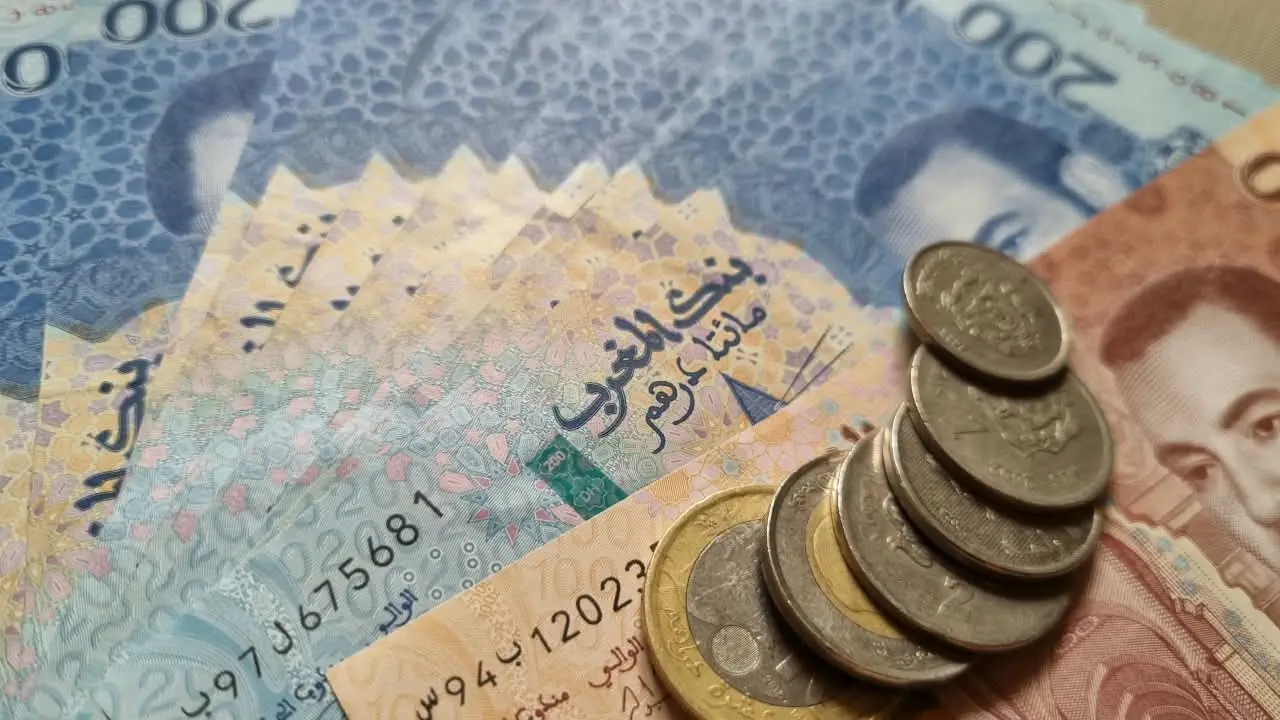
Travelers may also choose to tip hotel staff, drivers and guides when they have provided good service. Carrying small Moroccan dirham notes makes these transactions easier.
You do not need to agree to every request for money. If a service was unsolicited or you do not wish to use it, decline politely.
Our guide to tipping in Morocco explains common situations and suggested amounts in more detail.
Respect Hotel Privacy and Local Laws
Hotels, riads and guesthouses have their own policies regarding identification, visitors, room occupancy and check-in. Confirm requirements with the property before arrival, particularly if your booking involves multiple adults sharing a room.
Can two men share a hotel room in Morocco? Two male friends can generally book shared accommodation, but they should confirm the property’s room policy and check-in requirements. Sharing a room does not itself establish that two people are in a sexual relationship. However, same-sex sexual relations are criminalized under Moroccan law, so travelers should understand the current legal situation and relevant safety advice.
Do not assume that rules for unmarried couples, foreign visitors and Moroccan citizens are identical in every circumstance. If you have a specific concern about your reservation, ask the hotel directly and consult an authoritative source.
For families, confirm bedding arrangements, child occupancy rules, quiet hours and any requirements for children’s identification documents before traveling.
Conclusion: Travel Respectfully and Enjoy Morocco
Understanding Morocco etiquette does not require memorizing dozens of rules. Greeting people politely, dressing appropriately for the setting, respecting privacy, adapting to local customs and following the law will help you navigate many everyday situations.
Remember that Morocco is diverse. Customs can differ between cities, villages, households and generations, so observe your surroundings and ask questions when you are unsure.
For families, the most useful approach is to prepare children for unfamiliar situations without making cultural differences feel intimidating. Leave enough time for conversations, meals and breaks, and choose experiences that suit everyone’s needs.
If you are planning a family holiday, Morocco Family Vacation can help you organize a private itinerary that reflects your family’s interests, preferred pace and practical requirements. You can contact Morocco Family Vacation to discuss your plans.
Frequently Asked Questions
Our dedicated team is here to answer your Morocco Family Travel questions and ensure a smooth, memorable journey through Morocco.
What are the main dos and don'ts in Morocco?
Greet people politely, dress appropriately, ask permission before photographing residents, respect religious sites, bargain calmly and keep public affection discreet. Follow local laws and be considerate during Ramadan.
Can I kiss my wife in public in Morocco?
Couples should keep public displays of affection discreet. Social attitudes vary by location, and public conduct may also have legal implications. Check current local guidance rather than assuming that every behavior accepted elsewhere is treated the same way in Morocco.
Can women show cleavage or wear shorts in Morocco?
Women can wear a range of clothing, including shorts, particularly in tourist and coastal areas. However, modest clothing is often more comfortable for visiting traditional neighborhoods, villages and religious sites. There is no single dress code that applies identically everywhere.
Can two men share a hotel room in Morocco?
Male friends can generally arrange shared accommodation, subject to the property’s booking requirements. Confirm the policy with the hotel in advance. Moroccan law criminalizes same-sex sexual relations, so visitors should also understand the current legal context.
What should tourists avoid doing during Ramadan?
Be considerate around people who are fasting, particularly when eating or drinking in public during daylight hours. Check opening hours, allow for changes in daily schedules and follow local guidance. Non-Muslim visitors are not generally required to fast.
Table of Contents
-
Private Family Tours
-
Custom Itineraries
-
Sahara Desert Tours
-
Chefchaouen & Northern Morocco Tours
-
Luxury Desert Camping
-
Multi-Day Tours (2–16 Days)
-
Atlas Mountains Trips
-
Cooking Classes & Market Visits
-
Photography & Heritage Tours
-
Airport Transfers & Private Transport
-
Custom Birdwatching Tour in Morocco
-
24/7 Tour Support & booking Flexibility
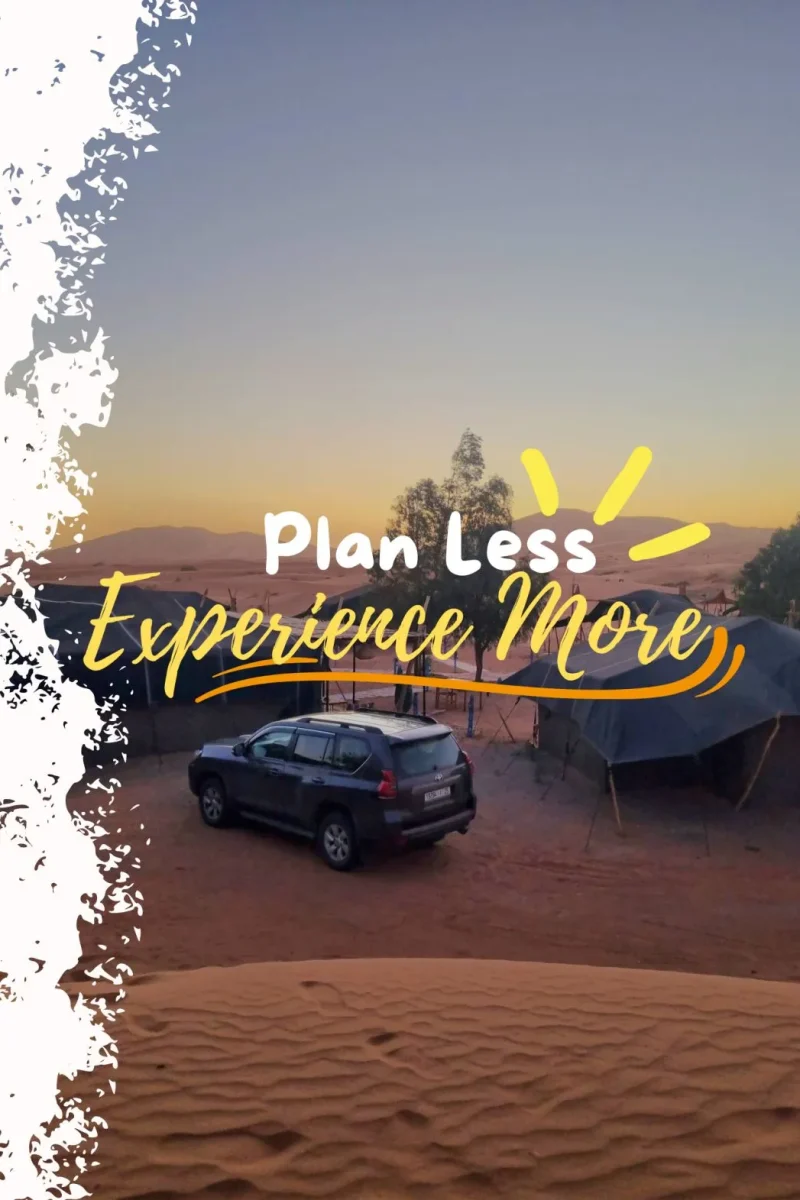
At Morocco Family Vacation, we create custom Morocco tour packages designed around your interests and travel style. As a dedicated and independent travel agency, we specialize in private Morocco tours offering memorable desert adventures, cultural experiences, and family friendly itineraries while delivering attentive, personalized service from start to finish.