
What Is the National Flower of Morocco? The Rose Explained
What Is the National Flower of Morocco?
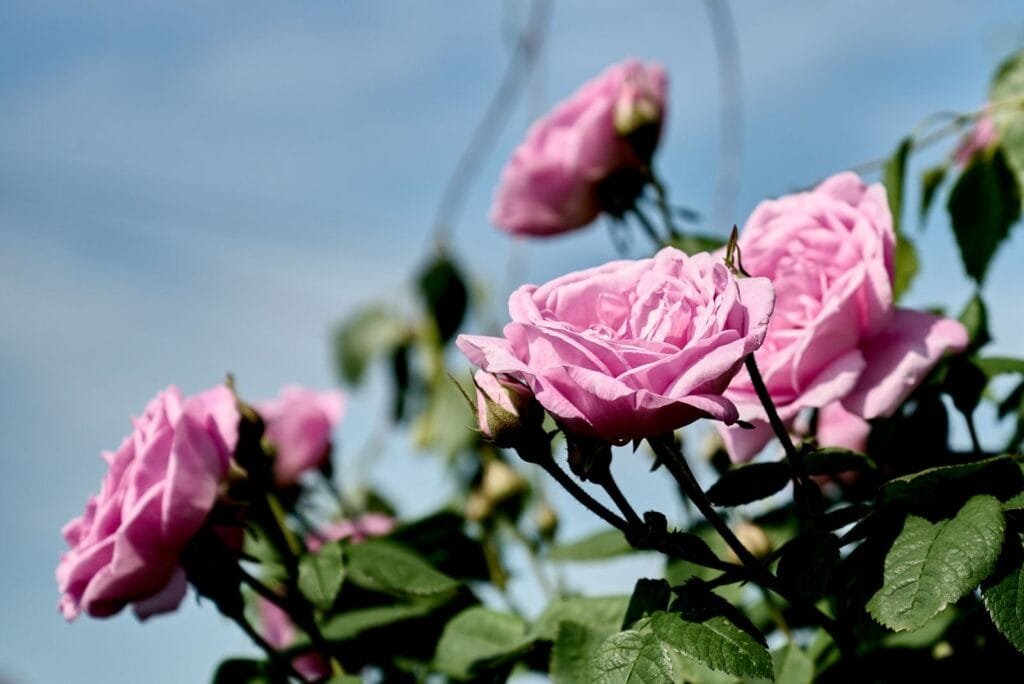
If you are wondering what is the national flower of Morocco, the answer needs a small clarification. Morocco does not appear to have an officially designated national flower in the same way that some countries have a flower formally recognized by law or government decree. However, the rose is widely associated with Morocco and is often described as the country’s national or symbolic flower.
That connection is especially strong in southern Morocco, where roses are cultivated in the Dades Valley around Kelaat M’Gouna. The region is known for its rose gardens, rosewater, cosmetics and annual Rose Festival. Morocco’s national tourism office also highlights rosewater as an important traditional Moroccan product.
So, if someone asks what is Morocco’s national flower, the simplest answer is the rose, with the important qualification that it is better described as a widely recognized floral symbol rather than a formally designated national flower.
TL;DR,What is the national flower of Morocco?
Here are the main points to know:
- The rose is widely associated with Morocco.
- Morocco does not appear to have an officially designated national flower.
- The Dades Valley is one of the country’s best known rose growing areas.
- Kelaat M’Gouna is closely associated with Moroccan rose production.
- Rosewater is an important traditional Moroccan product.
- The annual Rose Festival celebrates the local rose harvest.
- Roses are used in Moroccan cosmetics, perfumes and traditional products.
- The argan tree is another important Moroccan plant, but it should not automatically be described as the country’s official national tree.
Why is the rose associated with Morocco?
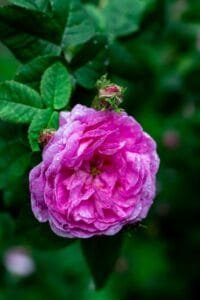
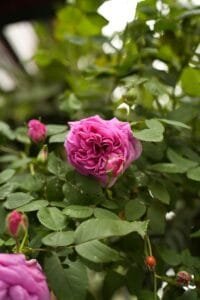
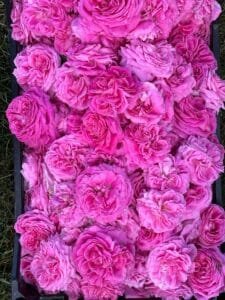
The connection between roses and Morocco comes from much more than the appearance of the flower.
Rose cultivation has become closely connected with the communities of the Dades Valley. The Moroccan National Tourist Office describes villages between Kelaat M’Gouna and Boumalne Dades as areas where rose cultivation is an important local activity. It also identifies rosewater as an icon of traditional Moroccan cosmetics.
This explains why searches for what is the national flower of Morocco so often lead to the rose.
The flower has also become part of the identity of southern Morocco. During the harvest season, roses are collected and processed into products such as rosewater and other fragrant preparations.
The association is therefore cultural, agricultural and commercial rather than simply symbolic.
What flower represents Morocco?
If you are asking what flower represents Morocco, the rose is the strongest answer.
It is particularly connected with the country’s southern valleys, where rose cultivation has been practiced for generations. The Dades Valley is commonly called the Valley of Roses, and the landscape around Kelaat M’Gouna includes rose gardens along with Amazigh villages and mountain scenery. The national tourism office specifically recommends the area for walking and trekking among rose gardens.
This makes the rose different from a flower that is simply popular in gardens.
In Morocco, roses are connected to local agriculture, traditional products, tourism and annual celebrations. That combination has helped make the rose one of the country’s best known floral symbols.
Does Morocco officially have a national flower?
This is where many online articles become confusing.
There is a difference between an official national flower and a flower that is widely considered symbolic of a country.
For what is the national flower of Morocco, many websites simply answer “the rose.” However, reliable information should make the distinction clear. There does not appear to be a Moroccan government designation establishing one flower as the official national flower.
Instead, the rose has gained its reputation through cultural importance and the country’s long association with rose cultivation.
For a travel article, therefore, it is more accurate to say:
The rose is widely regarded as Morocco’s floral symbol, although Morocco does not appear to have an officially designated national flower.
That answer is both useful for travelers and more precise than presenting the rose as an official government designation.
What is a Moroccan rose?
The term “Moroccan rose” can refer to roses cultivated in Morocco, particularly the fragrant roses associated with the country’s southern rose growing areas.
The Dades Valley has a major role in this industry. Morocco’s Agency for Agricultural Development reports that perfume roses occupy thousands of linear kilometers as hedges and borders around agricultural plots in the Dades Valley. The same government source identifies Morocco as a significant producer of perfume roses.
One rose commonly associated with Moroccan rose products is Rosa damascena, also known as the Damask rose. However, travelers should be careful about treating one particular species as an officially designated national flower.
The broader story is about Morocco’s perfume rose industry and the traditions that developed around it.
Where are roses grown in Morocco?
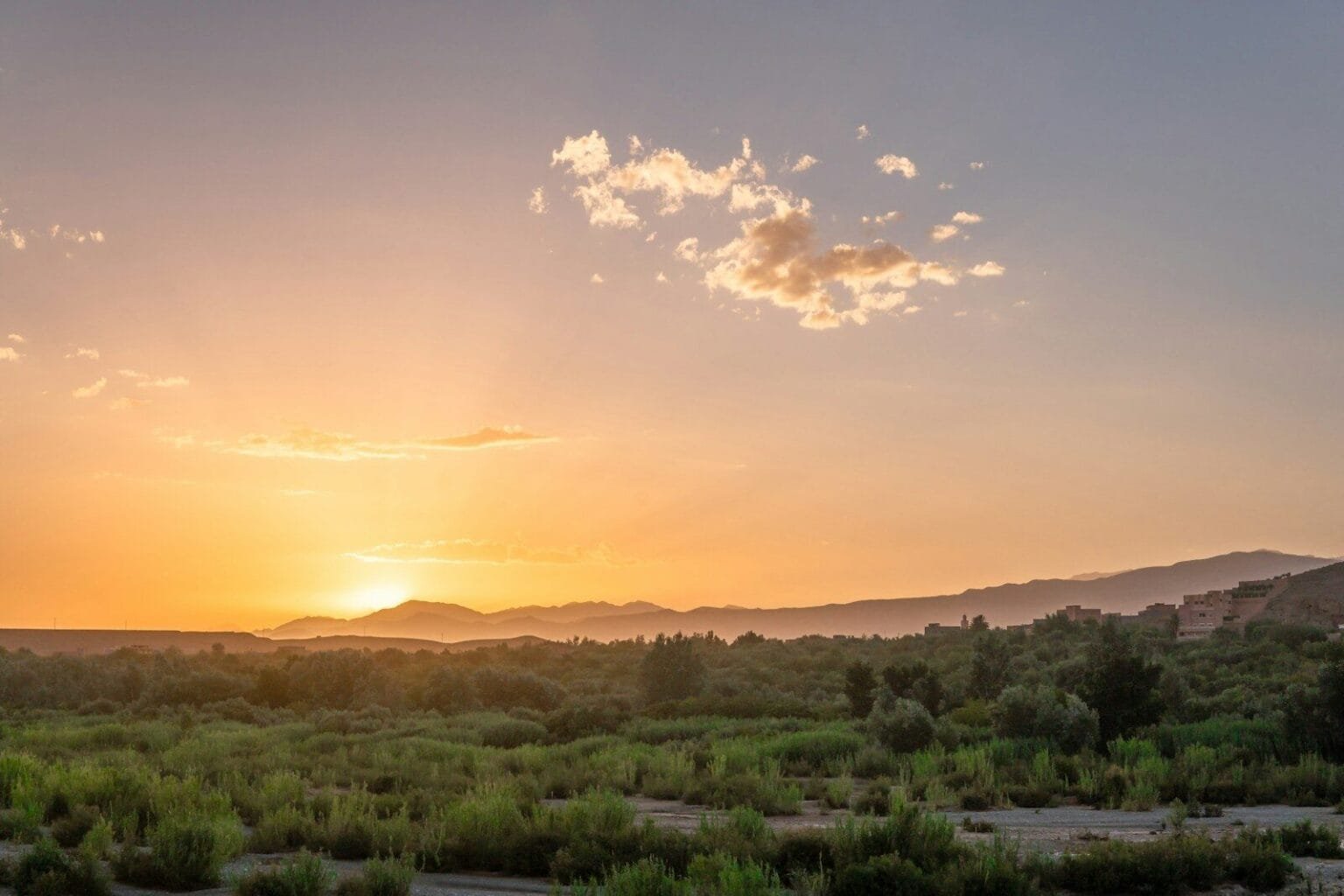
The best known rose growing area is the Dades Valley in the Drâa Tafilalet region.
Kelaat M’Gouna is particularly famous for roses. The town sits in an area where rose gardens are found alongside mountain valleys and Amazigh villages.
The Moroccan National Tourist Office describes the Valley of Roses as being at the foot of the High Atlas and recommends the area for walking among rose gardens and visiting during the Rose Festival.
If you are planning a Morocco trip and want to see this landscape, the rose growing region can fit naturally into a route that includes Ouarzazate, the Dades Valley and the Todra Gorge.
This is one reason the question what is the national flower of Morocco can lead travelers beyond the usual Marrakech and Fes itineraries.
What is the Valley of Roses in Morocco?
The Valley of Roses is the name commonly used for the rose growing area around Kelaat M’Gouna and the Dades Valley.
The landscape is very different from the image many first time visitors have of southern Morocco. Instead of only dry mountains and desert, the valley includes agricultural land, villages, gardens and rose fields.
The Moroccan National Tourist Office describes the area as a place for walks through rose gardens, canyons and Amazigh villages.
The region becomes especially interesting during the rose harvest, when the flowers are collected and processed.
For families, the area can also add variety to a longer Morocco itinerary because children can see how a traditional agricultural product is grown and transformed rather than simply visiting another monument.
What is the Rose Festival in Morocco?
The Rose Festival is held in Kelaat M’Gouna to celebrate the local rose harvest.
The event has become an important cultural occasion in the region. The Moroccan National Tourist Office describes it as a multi day celebration connected with the end of the rose harvest, including local music, dancing, food and cultural activities.
The exact dates can change from year to year, so travelers should check current information before planning a trip specifically around the festival.
If your travel dates coincide with the celebration, Kelaat M’Gouna can be particularly interesting because you see the flower in its local agricultural and cultural setting rather than only as a packaged product in a shop.
What is rosewater used for in Morocco?
Rosewater is one of the most recognizable products associated with Moroccan roses.
The Moroccan National Tourist Office describes rosewater from the Dades Valley as an important traditional cosmetic product. It is also used in Moroccan households and can appear in culinary and hospitality traditions.
You may encounter rosewater in:
- Traditional cosmetics
- Perfumes and fragrance products
- Household hospitality
- Some Moroccan food preparations
- Local beauty products
- Souvenirs from the Valley of Roses
The production process can vary depending on the producer. If you visit a local cooperative or distillation facility, you can learn more about how freshly harvested roses are transformed into fragrant products.
Ready to Plan Your Morocco Family Adventure?
Book your Morocco family adventure today with our expert planners personalized itineraries designed just for you, and get 30% off as a first-time visitor!
What scents is Morocco known for?
Morocco is associated with several distinctive natural scents, not just roses.
Rosewater is strongly connected with the Dades Valley and Kelaat M’Gouna.
Orange blossom water is another important Moroccan fragrance. The national tourism office notes that it is grown and distilled in the Khemisset region and is used in cooking and cosmetics.
Argan is also strongly associated with Morocco because the argan tree is endemic to the country and its oil is widely used in food and cosmetics.
Saffron is another distinctive Moroccan product, particularly associated with Taliouine.
These products help explain why the answer to what is the national flower of Morocco is closely connected with Morocco’s broader tradition of natural fragrances and plant based products.
What is Morocco's national symbol?
Morocco has several important national symbols, and the rose should not be confused with the country’s official state symbols.
The Moroccan flag, for example, has a green five pointed star on a red background. The national emblem and other symbols have their own historical and constitutional significance.
The rose is different.
When people call the rose Morocco’s national flower, they are generally referring to its cultural association with the country rather than an official state symbol.
This distinction is important when answering what is Morocco’s national symbol. A country’s national symbols can include official state emblems, flags and other formally recognized elements, while plants and flowers may become cultural symbols without receiving an official designation.
What is the most popular flower in Morocco?
There is no single official ranking that establishes the most popular flower in Morocco.
However, roses have an unusually strong cultural and economic association with the country. The Dades Valley’s rose industry, Kelaat M’Gouna and the Rose Festival have all contributed to that reputation.
Other flowers are also important in Morocco.
Orange blossoms are used to produce orange blossom water, while saffron comes from the flowers of the saffron crocus. Gardens across Moroccan cities also contain many ornamental plants.
So if the question is what is the national flower of Morocco, the rose remains the most recognizable answer, but it should be described as a cultural floral symbol rather than an officially designated national flower.
Is the argan tree Morocco's national tree?
The argan tree is one of Morocco’s most important and recognizable trees, but the wording “national tree” should also be used carefully.
Morocco’s Ministry of Economy and Finance describes the argan tree as endemic to Morocco, particularly associated with areas around Souss and the edge of the Sahara.
The Moroccan National Tourist Office also highlights the importance of argan trees and argan oil in the country.
For that reason, the argan tree is often described in travel and educational material as a national tree or national symbol of Morocco. However, as with the rose, it is better not to claim an official designation unless a government source specifically establishes one.
Can you visit the Valley of Roses with children?
Yes. The Valley of Roses can work well for families who enjoy nature, villages and shorter outdoor activities.
It is particularly useful as part of a southern Morocco road trip rather than as an isolated destination.
Families can combine the area with:
- Ouarzazate
- Dades Valley
- Todra Gorge
- Ait Ben Haddou
- Atlas Mountain map routes
- Merzouga and the Sahara
The Moroccan National Tourist Office specifically highlights walking routes, rose gardens, canyons and Amazigh villages in the Valley of Roses.
For younger children, keep outdoor walks flexible, particularly during warmer periods. A private itinerary also makes it easier to adjust driving times and stops around family needs.
You can also compare the region with other family destinations using family friendly cities in Morocco.
When is the best time to see Moroccan roses?
The best time depends on what you want to experience.
If your main goal is to see the rose harvest and attend the Rose Festival, May is the key period to investigate. The festival is linked to the end of the local rose harvest, although dates can vary.
Spring is also useful for travelers interested in combining the rose growing areas with mountain landscapes and other southern Moroccan destinations.
Before traveling, check the current festival dates and local conditions because agricultural timing can vary.
If you are already considering May for your trip, our guide to Morocco weather in May can help with broader planning.
How to include the Valley of Roses in a Morocco itinerary
The Valley of Roses works best as part of a southern Morocco route.
A practical itinerary could connect Marrakech with the High Atlas, Ait Ben Haddou, Ouarzazate, Dades Valley, the Valley of Roses and then continue toward the Sahara.
The exact route depends on how much time you have.
For families, it is usually better to avoid turning every day into a long drive. Adding an overnight stay in the Dades or Ouarzazate area can make the journey more comfortable.
If you are also planning Marrakech, our guide to things to do in Marrakech with kids provides ideas for balancing sightseeing with family downtime.
Need Help with Transportation in Morocco?
Book a reliable private driver for your Morocco family adventure today – personalized routes designed just for you, and get 30% off as a first-time visitor!
Why the rose matters to Morocco
The importance of the rose is not simply about having a flower that looks attractive.
It connects several parts of Moroccan life: agriculture, local communities, traditional products, tourism and seasonal celebrations.
In the Dades Valley, roses are part of the agricultural landscape. In Kelaat M’Gouna, they are connected with local industry and the annual festival. Rosewater connects the flower with traditional cosmetics and household practices.
That is why the answer to what is the national flower of Morocco is more interesting than simply saying “rose.”
The more accurate explanation is that the rose has become one of Morocco’s strongest floral symbols, even though there is no clear evidence of a formal government designation making it the country’s official national flower.
Conclusion, So, what is the national flower of Morocco?
The best answer is the rose, particularly the fragrant roses associated with the Dades Valley and Kelaat M’Gouna. However, it is more accurate to call the rose a widely recognized floral symbol of Morocco rather than an officially designated national flower.
The country’s connection with roses can be seen in the Valley of Roses, local rose cultivation, rosewater production and the annual Rose Festival. For travelers, these traditions offer another side of Morocco beyond the major cities and desert landscapes.
If you are planning a family trip, the Valley of Roses can also fit naturally into a route through the Atlas Mountains, Ouarzazate, Dades Valley and the Sahara.
Morocco Family Vacation creates private, tailor made trips through Morocco for families. Routes can include Marrakech, Fes, the Atlas Mountains, riads and desert camps while allowing the schedule to follow your family’s pace rather than a fixed group itinerary.
─── Your questions, our answers.
Frequently Asked Questions
Our dedicated team is here to answer your Morocco Travel questions and ensure a smooth, memorable journey through Morocco.
What is the national flower of Morocco?
The rose is widely regarded as Morocco’s floral symbol, particularly because of the country’s famous rose growing areas in the Dades Valley. Morocco does not appear to have an officially designated national flower.
What flower represents Morocco?
The rose is the flower most strongly associated with Morocco. The Dades Valley and Kelaat M’Gouna are particularly famous for rose cultivation and rosewater production.
What is a Moroccan rose?
A Moroccan rose generally refers to fragrant roses cultivated in Morocco, especially those associated with the perfume rose industry of southern Morocco. Rosa damascena is one variety commonly connected with rose products.
What is Morocco's national symbol?
Morocco has several official and cultural symbols. The rose is a cultural floral symbol, but it should not be confused with official state symbols such as the Moroccan flag and national emblem.
What is the most popular flower in Morocco?
There is no official national ranking of flower popularity. Roses are among the flowers most strongly associated with Morocco because of the country’s rose growing regions and Rose Festival.
What is the national tree of Morocco?
The argan tree is widely associated with Morocco and is endemic to the country. However, it is safer to describe it as an important national and cultural symbol unless referring to a specific official designation.
What scents is Morocco known for?
Morocco is particularly associated with rosewater, orange blossom water, argan and saffron. Rosewater is strongly connected with the Dades Valley and Kelaat M’Gouna.

Kate Carter
Family Travel Blogger
Kate Carter is a mom and travel blogger who fell in love with Morocco’s culture and warmth. Through Morocco Family Vacation, she shares tips and stories to help travelers enjoy authentic, stress-free experiences. Join us along the way.
Table of Contents
Our Services
-
Private Family Tours
-
Custom Itineraries
-
Sahara Desert Tours
-
Chefchaouen & Northern Morocco Tours
-
Luxury Desert Camping
-
Multi-Day Tours (2–16 Days)
-
Atlas Mountains Trips
-
Cooking Classes & Market Visits
-
Photography & Heritage Tours
-
Airport Transfers & Private Transport
-
Custom Birdwatching Tour in Morocco
-
24/7 Tour Support & booking Flexibility

At Morocco Family Vacation, we create custom Morocco tour packages designed around your interests and travel style. As a dedicated and independent travel agency, we specialize in private Morocco tours offering memorable desert adventures, cultural experiences, and family friendly itineraries while delivering attentive, personalized service from start to finish.
Popular Tours
Latest Posts
get in touch
#LawnCare
#Succulents
#GardenGoals
#Autumn
#SummerLandscaping