
Morocco People and Culture
Unveiling the Rich Heritage of Morocccan Culture and People
Morocco People and Culture: A Traveler’s Authentic Guide
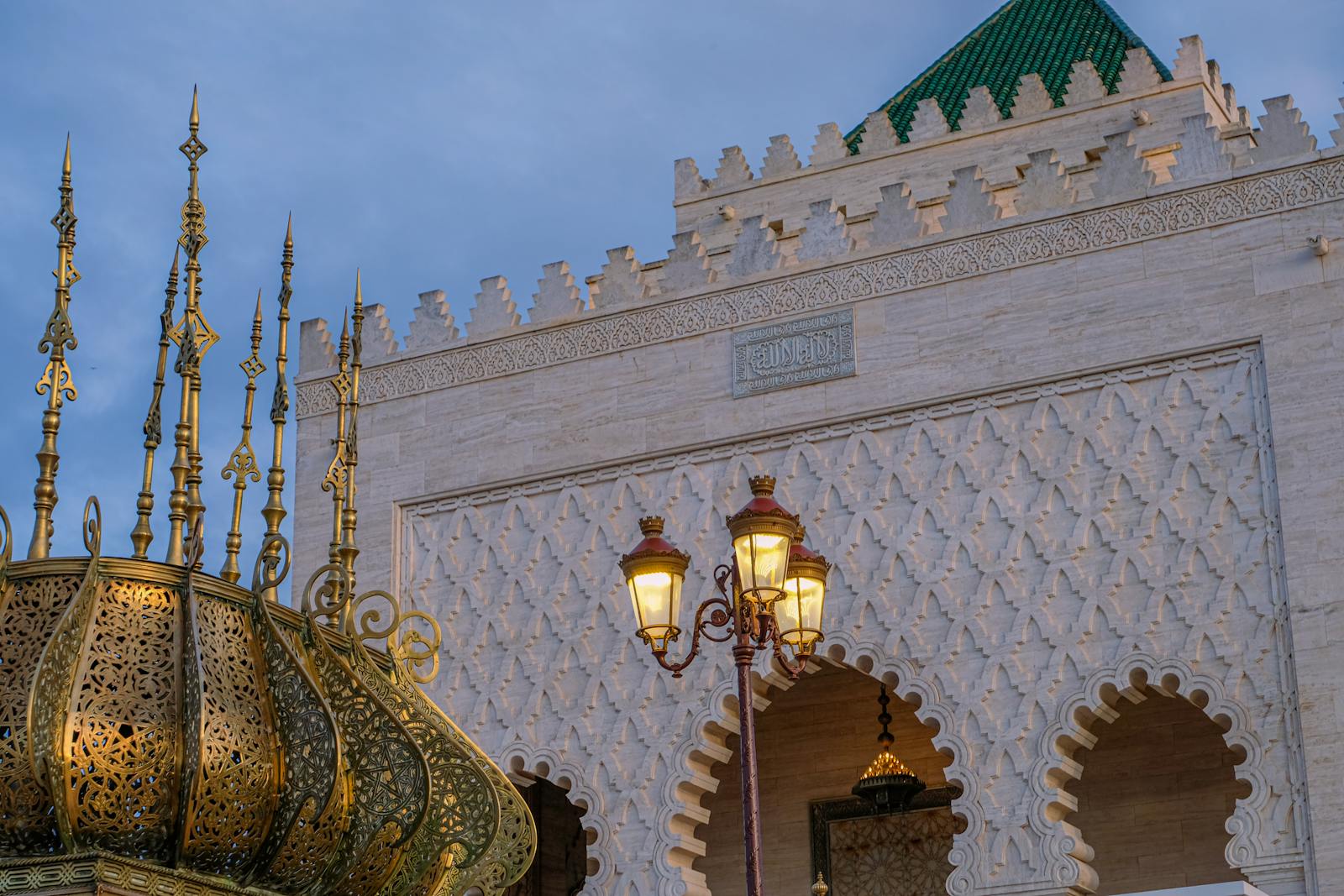
Morocco is a land where diversity, warmth, and history collide in every souk, mountain village, and riad courtyard. From the rhythmic beat of Gnawa music echoing through coastal towns to the aromatic steam rising from a tagine in a family kitchen, Morocco people and culture are woven into every aspect of daily life. This guide offers an in-depth look at what makes Moroccan society unique from Moroccan languages, customs, and religion to cuisine, arts, and social etiquette so you can understand and appreciate the heart of this vibrant North African nation before you travel.
In the chapters that follow, you’ll discover how Moroccan traditions and customs reflect a blend of Berber (Amazigh), Arab, Sahrawi, and Mediterranean influences, how hospitality defines social interactions, and what travelers should know to engage respectfully and meaningfully with locals. Whether you’re planning your first trip or simply curious about Moroccan identity and lifestyle, this guide will immerse you in culture and community from a traveler’s perspective.
- Explore Morocco with your kids stress-free! Private transport, kid-friendly hotels, and safe meals included. Plan Your Family Tour
- Experience the Atlas Mountains and Sahara Desert with hands-on fun for kids and comfort for parents. Customize Your Adventure
- Enjoy Morocco’s coasts and cities at a calm pace. Perfect for families with young children. Book Your Relaxed Tour
Understanding Moroccan People
Ethnic Roots and Diversity
The Moroccan population is a dynamic blend of ethnic groups, primarily Amazigh (Berbers) and Arabs . The Amazigh are indigenous to North Africa, preserving languages, crafts, and cultural practices that date back millennia. Arabic, introduced during early Islamic expansion, now intermingles with Amazigh influences across society.
Saharan and sub-Saharan African heritage also contributes to Morocco’s cultural mosaic, especially visible in music forms like Gnawa, which combines African rhythms with spiritual Sufi traditions.
Despite urban development and globalization, many rural communities retain traditional patterns of life seasonal agricultural rhythms, extended family structures, and strong communal bonds that reflect resilience and heritage.
Language and Communication
Darija and Amazigh Dialects
Language lies at the core of Moroccan identity. The everyday speech pattern is Moroccan Arabic (Darija), distinct from Classical Arabic in pronunciation and use. Many Moroccans also speak variants of Amazigh languages (Tamazight, Tashelhit, Tarifit), each with its own unique dialect and presence in regional life.
In cities and tourism hubs, French often functions as a bridge language, especially in business and education, while Spanish is still spoken in northern regions. English is increasingly learned by younger Moroccans, making simple interactions easier for visitors.
Listening for local words like salam (hello) and shukran (thank you) goes a long way in connecting with people and showing respect.
What is Moroccan culture known for?
Moroccan culture is known for its rich blend of Arab, Amazigh (Berber), African, and Mediterranean influences. It is famous for colorful souks, traditional crafts, flavorful cuisine, and warm hospitality. Music, festivals, and family traditions play an important role in daily life. Visitors also experience stunning architecture, historic medinas, and desert landscapes. Cultural life varies by region, from imperial cities to mountain villages and coastal towns. This diversity is especially visible in cultural centers like Marrakech and Fes.
Religion and Spiritual Life
Islam’s Influence
Islam shapes much of Moroccan culture and social structure. Most Moroccans are Sunni Muslims, following practices that guide daily rhythms, values, and celebrations. The call to prayer (adhan) punctuates each day and Fridays are traditionally times for community prayer and rest.
Religious celebrations like Ramadan, Eid al-Fitr, and Eid al-Adha are major cultural markers, bringing families together for shared meals and special rituals. During Ramadan, fasting from sunrise to sunset is observed by many, and communal meals like iftar forge deep social bonds.
Morocco also has small but historic Jewish and Christian communities, reflecting its broader historical depth.
Ready to Start Your Morocco Journey?
Book your trip today with our expert planners, enjoy personalized itineraries tailored to your flights and travel needs, and claim 30% off as a first-time visitor!
Are Moroccan people friendly?
Yes, Moroccan people are widely known for their friendliness and hospitality toward visitors. It is common for locals to offer help, give directions, or even invite guests for tea. Tourism is an important part of the economy, and many people enjoy sharing their culture with travelers. Polite greetings and respectful behavior are appreciated and often lead to positive interactions. Visitors frequently highlight the warmth of the local population, especially in welcoming destinations like Chefchaouen and Marrakech.
Hospitality and Social Customs
The Ritual of Mint Tea
Few experiences define Moroccan culture like the offering of mint tea. Known by locals as atay, this green tea sweetened with mint leaves symbolizes hospitality, friendship, and generosity. Serving tea to guests often poured from a height to create foam is not just a gesture but a cultural custom woven into everyday interactions.
Family and Community Life
Family remains the cornerstone of Moroccan life. Extended families frequently live close together, and daily meals are often communal events. Respect for elders, collective decision-making, and neighborly support reflect deep-rooted community values.
Moroccans tend to engage actively in conversations, ask about each other’s health, family, and work, and may invite visitors to share not only food but stories and laughs.
Food Culture: A Taste of Heritage
Signature Dishes and Dining Experience
Moroccan cuisine is a delicious expression of cultural history and geography. Staples like tagine (slow-cooked stew), couscous, and pastilla blend spices such as cumin, turmeric, and cinnamon into rich, layered flavors. Soups like harira are central during Ramadan, while sweet treats like shebakia are often crafted for special occasions.
Eating is often a shared experience: platters are passed around, bread is used as both utensil and accompaniment, hands (usually the right) are used respectfully, and leftovers are rarely seen reflecting hospitality and respect for sustenance.
Visiting bustling markets (souks) in Marrakech and Fez offers a sensory journey through fresh produce, spices, and vendor calls that illustrate the vibrancy of Moroccan gastronomy.
Arts, Music, and Festivals
Music as Cultural Expression
Music permeates Moroccan life from joyous weddings to spiritual gatherings. Gnawa music, rooted in West African rhythm and Sufi ritual, invites participants to experience trance-like melodies played on instruments like the guembri and krakeb.
Other vibrant forms include Andalusian classical music, a refined expression dating to medieval Iberia, and Chaabi, the lively folk music heard at celebrations. Regional folk forms like Aita sung traditionally by women continue to evolve, signaling cultural resilience and creativity.
Festivals and Cultural Events
Morocco’s festival calendar is packed with events celebrating music, religion, and harvest cycles. Highlights include the Fes Festival of World Sacred Music and the Sefrou Cherry Festival, which celebrates folkloric traditions and dance while uniting communities in celebration.
Traditional Dress and Craftsmanship
Dress codes vary from casual djellabas worn daily to elaborate kaftans worn on special occasions. These garments reflect regional styles, weather, and tradition.
Handcrafted arts flourish in Morocco. From zellige tilework and carved wood to leather goods and hand-woven textiles, artisanal craftsmanship remains a valued cultural heritage showcased in souks and workshops across the country.
Is Morocco mostly Arab or African?
Morocco is both Arab and African, reflecting a diverse cultural and ethnic heritage. The population includes Amazigh (Berber) and Arab, along with influences from sub-Saharan Africa and the Mediterranean. Geographically, Morocco is located in North Africa, and its identity combines African roots with Arab language and cultural traditions. This unique mix is seen in music, cuisine, architecture, and daily life. The country’s cultural diversity is evident across regions, from the Atlas Mountains to major cities like Casablanca.
Modern Moroccan Society
Balancing Tradition and Change
Morocco’s youth are at the forefront of blending tradition with modern influences embracing digital culture, contemporary music, and global trends while maintaining deep ties to language, festival practices, and social courtesies.
Urban life in Casablanca, Rabat, and Marrakech contrasts rural rhythms, yet shared values of hospitality, family, and community persist across settings.
Cultural Etiquette for Travelers
Respectful Practices to Know
Understanding cultural etiquette enhances travel experiences. Greet with salam alaykum, dress modestly in medinas and religious sites, and be mindful of local expectations during religious periods such as Ramadan. Offering thanks, accepting tea with gratitude, and learning a few phrases in Darija or French are appreciated gestures.
When photographing people, always ask permission especially in rural areas and follow local cues for personal space and social interaction.
Need Help with Transportation in Morocco?
Book a reliable private driver for your Morocco family adventure today – personalized routes designed just for you, and get 30% off as a first-time visitor!
Unique Traveler Experiences with Moroccan People
Hammam Rituals and Social Baths
Visiting a traditional hammam offers cultural insight beyond relaxation. These communal spaces are central to social life places where stories are shared, routines are upheld, and communities interact beyond the family circle.
Storytelling in Jemaa el-Fna
Marrakech’s Jemaa el-Fna square is more than a marketplace it’s a living cultural stage where storytellers, musicians, and performers gather, echoing traditions of oral storytelling that have captivated Moroccans and visitors alike for centuries.
Quick Takeaways
Moroccan culture blends Amazigh,Arab, Sahrawi, and Mediterranean influences.
Language diversity includes Darija Arabic and Amazigh dialects.
Islamic traditions shape daily life and celebrations.
Hospitality is central expect mint tea and warm welcomes.
Culinary traditions are communal, vibrant, and nuanced.
Music and festivals reflect deep cultural roots.
Respectful travel etiquette enhances meaningful cultural connection.
Conclusion
Exploring Morocco people and culture is a journey into a rich tapestry of tradition, hospitality, and creative expression. From the warm greetings in souks to the spiritual cadence of prayer calls, Moroccan life intertwines the past with contemporary energies. Understanding language, religion, cuisine, and social customs not only enriches travel experiences but also nurtures genuine connection and respect.
Whether you sample a tagine in a family kitchen or sway to Gnawa rhythms at a festival, the authentic spirit of Moroccan culture welcomes you with open arms. By embracing local practices and showing cultural respect, travelers can gain not only memories but meaningful insight into the hearts and lives of Morocco’s people.
─── Your questions, our answers.
Frequently Asked Questions
Our dedicated team is here to answer your Morocco Travel questions and ensure a smooth, memorable journey through Morocco.
What languages do Moroccan people speak?
Most Moroccans speak Darija (Moroccan Arabic) and Amazigh dialects; French and Spanish are common, especially in business and urban areas.
Why is hospitality so important in Moroccan culture?
Hospitality signifies respect, generosity, and social reciprocity values deeply rooted in family and community life.
What traditional foods should travelers try?
Try tagine, couscous, pastilla, harira, and mint tea as staples of Moroccan cuisine.
How does religion influence Moroccan daily life?
Islam informs routines, celebrations, and many cultural norms, with festivals like Ramadan and Eid central to community life.

Kate Carter
Family Travel Blogger
Kate Carter is a mom and travel blogger who fell in love with Morocco’s culture and warmth. Through Morocco Family Vacation, she shares tips and stories to help travelers enjoy authentic, stress-free experiences. Join us along the way.
Table of Contents
Our Services
-
Private Family Tours
-
Custom Itineraries
-
Sahara Desert Tours
-
Chefchaouen & Northern Morocco Tours
-
Luxury Desert Camping
-
Multi-Day Tours (2–16 Days)
-
Atlas Mountains Trips
-
Cooking Classes & Market Visits
-
Photography & Heritage Tours
-
Airport Transfers & Private Transport
-
Custom Birdwatching Tour in Morocco
-
24/7 Tour Support & booking Flexibility
At Morocco Family Vacation, we create custom Morocco tour packages designed around your interests and travel style. As a dedicated and independent travel agency, we specialize in private Morocco tours offering memorable desert adventures, cultural experiences, and family friendly itineraries while delivering attentive, personalized service from start to finish.
Popular Tours
Latest Posts
get in touch
#Moroccan people
#Morocco culture
#Moroccan people facts
#Moroccan language
#Amazigh people