
What Is Agadir Morocco Famous For?
What Is Agadir Morocco Famous For? Family Travel Guide
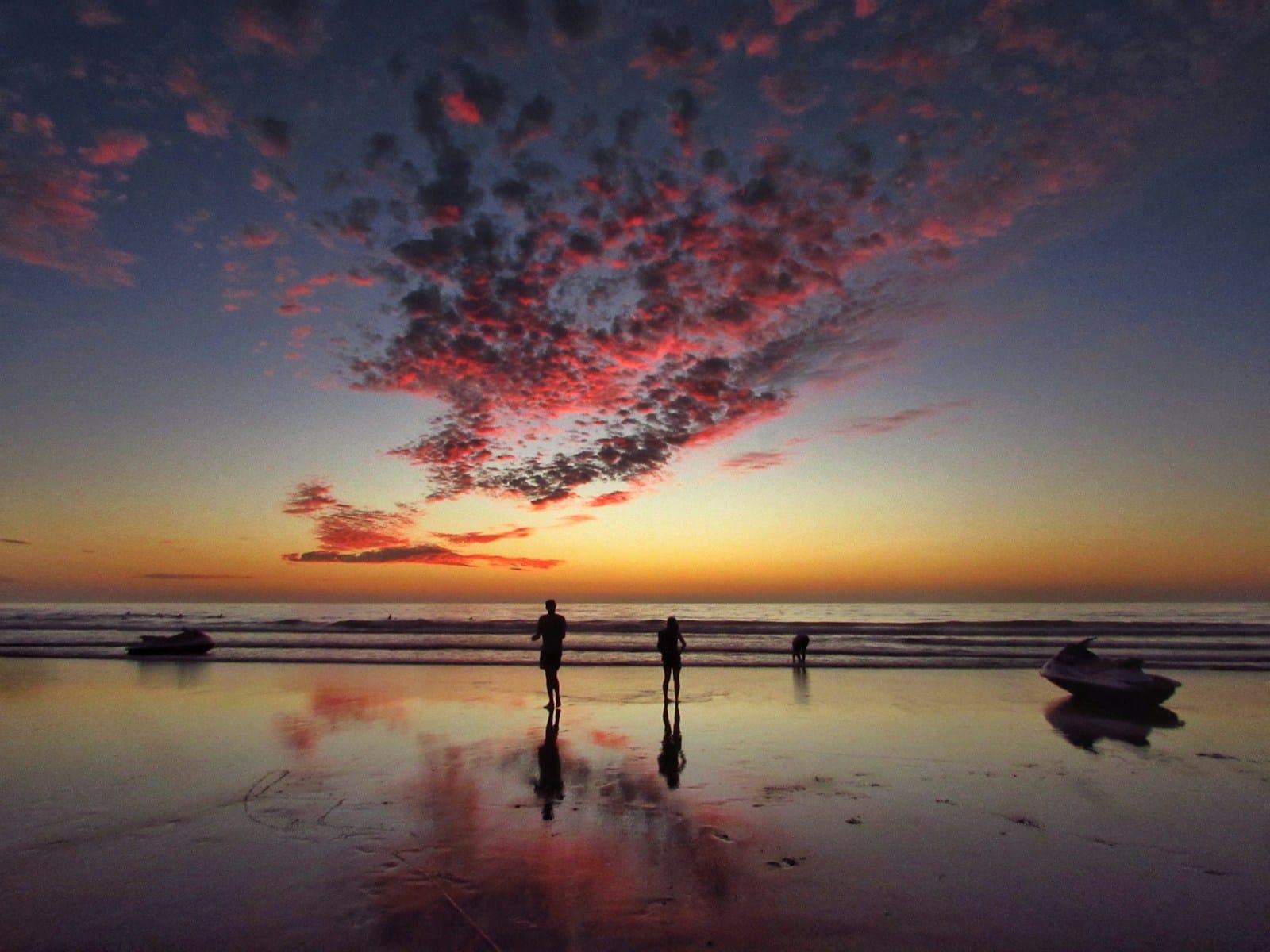
Ask any Moroccan family where they go for their summer holiday and there is a good chance they will say Agadir. This is Morocco’s beach city, a place of 10 kilometer sands, big all inclusive resorts, and Atlantic breezes that keep the temperature comfortable when the rest of the country is baking. It is not the Morocco of postcards. There are no ancient medinas full of donkeys, no snake charmers in the main square, no camel silhouettes against pink walls. What Agadir Morocco offers is something different: a modern coastal city with year round sunshine, family friendly hotels, world class surf breaks just up the coast, and easy access to the Anti Atlas Mountains.
This guide walks through what makes Agadir Morocco different from Marrakech and Fes, what to actually do here beyond the pool, where to stay for families, when to visit, and the practical questions that come up every day: safety, alcohol, tap water, prices, and how the reconstructed city works.
- Explore Morocco with your kids stress-free! Private transport, kid-friendly hotels, and safe meals included. Plan Your Family Tour
- Experience the Atlas Mountains and Sahara Desert with hands-on fun for kids and comfort for parents. Customize Your Adventure
- Enjoy Morocco’s coasts and cities at a calm pace. Perfect for families with young children. Book Your Relaxed Tour
Quick takeaways
- Agadir Morocco is a beach city, not a medina city. The entire town was rebuilt after the 1960 earthquake, so architecture is modern and streets are wide, unlike Marrakech or Fes.
- The beach runs 10 km along the bay. Fine sand, calm swimming, gentle surf, and a palm lined corniche promenade that gets busy in the evenings.
- Roughly 300 sunny days a year. Winter highs stay around 20 to 22 Celsius. Summer averages 26 to 28 Celsius with Atlantic breezes.
- Surf is a short drive away. Taghazout and Tamraght, 19 km north, are among the top surf spots in Africa, with beginner schools and pro breaks.
- Family friendly by design. Big resort hotels with pools, kid clubs, and beach access make Agadir Morocco the easiest Moroccan city for families with young children.
- Souk El Had is one of the largest markets in Morocco. Over 6,000 stalls covering food, clothes, spices, and souvenirs.
- Alcohol is legal and available. Hotels, licensed restaurants, and specific supermarkets sell it. Tap water is treated but many travelers still stick to bottled.
Is Agadir in Morocco worth visiting?
Yes, Agadir is worth visiting if you want a beach holiday in Morocco with modern comfort, easy family logistics, and a break from the intensity of Marrakech or Fes. It is not a good pick if you came to Morocco only for ancient medinas and traditional Moroccan architecture.
The city sits on the southern Atlantic coast, in the foothills of the Anti Atlas Mountains, with a 10 km beach, warm weather nearly year round, and direct flights from most major European airports. Big all inclusive resorts, kid clubs, and full sized pools make it the softest landing in the country for families with young children or first time visitors to Morocco.
However, if you are traveling with older kids or adults who want cultural depth, Agadir on its own can feel light. The old city was destroyed by the 1960 earthquake, and the reconstructed medina, while charming, is not the real thing. Most travelers pair Agadir with a few days in Marrakech (2.5 hours by road) or Essaouira (3 hours north on the coast) for a mix of beach and culture.
Practical takeaways:
- Come for the beach, sun, and family logistics rather than for traditional Moroccan culture
- Add Marrakech or Essaouira to get the cultural side of the country
- Book an all inclusive resort if you want everything on site and near the beach
- Plan surf lessons at Taghazout if you have older kids or teens
- Skip Agadir only if you want cold weather, otherwise 20 to 22 Celsius in winter is comfortable
For families thinking of pairing a beach base with Moroccan culture, Morocco Family Vacation designs private trips that combine an Agadir stay with day trips to Paradise Valley, Taroudant, and even Marrakech in a week.
What makes Agadir Morocco different
This is Morocco’s biggest beach resort city, and the most European feeling of any major Moroccan destination. Wide boulevards, palm lined avenues, modern hotels, and a marina full of yachts give it a texture closer to a Spanish Costa town than a traditional Moroccan medina.
The city sits on a natural bay between the Atlantic and the foothills of the Anti Atlas. Population is around 700,000, making it Morocco’s fifth or sixth largest city depending on how you count. The old town was flattened in 1960, so almost every building you see went up after that date. This is why the city has a different feel from Marrakech, Fes, and Tangier, where medinas and imperial architecture dominate.
What draws families here specifically:
Beach access. The 10 km bay is safe for swimming, wide enough for a walk, and gentle enough for kids to play in the surf without much risk.
Consistent weather. Around 300 days of sunshine per year. Winter afternoons stay warm enough for outdoor lunch, summer afternoons stay cool enough for beach walks thanks to Atlantic breezes.
Modern resort infrastructure. Big pool hotels with kid clubs, buffet dinners, evening entertainment, and full sized rooms. Not the boutique riad experience of Marrakech, but very easy with young kids.
Direct flights. London, Manchester, Paris, Brussels, and Madrid all fly direct to Agadir Al Massira Airport. The city is the second most connected airport in Morocco after Casablanca.
Argan oil country. The wild argan tree grows only in this region of Morocco. Women’s cooperatives produce oil in the small towns around Agadir, and visiting one is often the most memorable cultural stop of a beach trip.
This is not the Morocco you see on Instagram. It is the Morocco locals go to for a family holiday, and the Morocco that European families have been quietly returning to for decades.
A brief history of Agadir Morocco after the earthquake
To understand Agadir today, you have to know what happened on February 29, 1960. Just after midnight, a magnitude 5.7 earthquake hit the city. The shallow depth and old construction made it far more destructive than the magnitude suggested. Roughly 15,000 people died, about a third of the population at the time. Most of the old medina, the original kasbah, and the historic quarters collapsed in less than 15 seconds.
King Mohammed V made a decision that shaped the modern city. Rather than rebuild on the old site, he ordered the new Agadir to be built two kilometers south, on solid ground. Only the outer walls of the Agadir Oufella Kasbah, sitting high on the hill above the bay, were left standing as a memorial.
The new city rose through the 1960s and 1970s. Modernist architects designed wide streets, low rise apartment blocks, and a beachfront promenade shaped by French and Italian influences. The tourism boom started in the 1980s when European charter airlines began direct flights to fill new beach resorts. By the 1990s, the city had become Morocco’s most popular beach destination.
The reconstructed medina, La Médina d’Agadir, is a small tribute to the old city. Italian architect Coco Polizzi began building it in 1992 using local materials and traditional Berber techniques. It is worth an afternoon, especially with kids who want to see craft workshops without navigating the crowds of Marrakech.
The famous hillside inscription visible from the corniche reads, in Arabic, “God, Homeland, King.” It was added after the earthquake as a symbol of Moroccan resilience. You can hike or take a cable car up to see it close.
Agadir beach and the corniche
The beach is the reason most people come to Agadir. It runs 10 km along the bay, with fine sand, gentle surf, and Atlantic water that sits around 18 to 21 Celsius depending on the month. Cool for swimming in winter, refreshing in summer, kid friendly for playing in the shallows year round.
The corniche is the palm lined promenade that runs the length of the beach. Wide sidewalks, cafés, ice cream shops, small carnival rides for kids at the south end, joggers at dawn, families walking after dinner. This is where the city gathers, and it is genuinely lovely.
Best sections of the beach:
- South end: More residential, quieter, closer to big hotels like the Sofitel Royal Bay and Riu Tikida Beach
- Central section: Busiest, most beach clubs, most rentals for umbrellas and sunbeds
- North end (downtown): Rougher, more local, fewer tourists, better for wave watching than swimming
Beach clubs offer sunbed rental for 50 to 100 dirhams per day, usually with a small food and drink minimum. Waiter service brings mint tea, fresh orange juice, or a light lunch to your lounger. This is the standard beach day for most visitors.
Touts do work the beach. Vendors selling sunglasses, mint tea, small pastries, or henna services walk the sand and can be persistent. A firm “no thank you” (la shukran in Arabic) usually ends the conversation. Most touts are respectful and there is a strong tourist police presence that keeps things comfortable.
Watersports on offer:
- Jet skis and banana boat rides at the central beach
- Kayak and paddleboard rentals in calmer morning water
- Kite surfing and windsurfing in stronger afternoon winds
- Surfing lessons for beginners on softer waves near town
- Camel rides for photos along the sand at sunset
The evenings on the corniche are the local favorite. Families come out to walk, kids ride small electric cars for rent, and cafés fill up until 10 or 11 pm. Very safe, very calm, very family focused.
What is Agadir like for tourists?
Agadir is very tourist-friendly, offering a wide range of hotels, restaurants, beach clubs, and guided excursions. Tourists enjoy activities such as beach walks, camel rides, surfing, boat trips, and visits to nearby natural attractions. The city is easy to navigate, locals are used to international visitors, and English and French are commonly spoken in tourist areas.
The Agadir Oufella Kasbah and the cable car
Behind the marina, at the north end of the bay, a hill rises 236 meters above sea level with the outer walls of the old Kasbah at the top. This is Agadir Oufella, the original fortified city that predated the earthquake. Everything inside the walls was flattened in 1960, but the walls themselves survived and now give you one of the best viewpoints in the country.
You can get up two ways.
Cable car (Téléphérique d’Agadir): Opened in 2023, this is the easy way. A ten minute ride from the marina base to the Kasbah top. Round trip tickets cost around 100 dirhams for adults and 60 dirhams for kids. Panoramic gondolas with big windows. Kids love it, and the summit views over the bay are the highlight of most Agadir trips.
Hiking: A 2.1 km trail winds up the hill from below. Takes about 45 minutes at a steady pace. Do it early in the morning before the sun gets strong. Bring water. Not recommended with kids under six or in summer midday heat.
At the top, you walk along the old walls, look down at the bay stretching south to the marina, and see the famous hillside inscription lit up at night: “God, Homeland, King” in Arabic script. There is a small café at the summit and a scattering of vendors selling souvenirs, but the site is otherwise low key.
Sunset is the peak visiting time. The sun drops into the Atlantic, the lights of the corniche come on below, and the whole city lights up. Bring a light jacket, the wind at the top is stronger than at sea level even in summer.
Ready to Start Your Morocco Journey?
Book your trip today with our expert planners, enjoy personalized itineraries and travel needs, and claim 30% off as a first-time visitor!
Souk El Had and the reconstructed medina
Souk El Had is the largest market in Agadir Morocco and one of the biggest in the country. Over 6,000 stalls spread across a walled compound of about 13 hectares. Fruit, vegetables, spices, argan oil, clothing, leather goods, ceramics, rugs, electronics, second hand books, live chickens, and everything else you can think of.
The souk is open Tuesday to Sunday, closed Monday. Mornings, from 8 am to noon, are the busiest and most authentic. Afternoons quieter but hotter.
How to shop:
- Prices double or triple for tourists. Haggle. Start at one third of the asking price and settle around half.
- Wear closed shoes. The floors get wet and slippery in the food sections.
- Bring cash in small bills. Vendors will “not have change” for 200 dirham notes.
- Kids under eight can find it overwhelming. Consider a stroller or backpack carrier for shade and safety.
- Best buys: Argan oil, dried fruits, saffron, leather bags, ceramics, tagine pots.
The reconstructed medina, La Médina d’Agadir, sits about 5 km north of the city center. Italian architect Coco Polizzi began it in 1992 as a tribute to the pre earthquake old town. It is smaller and calmer than a real Moroccan medina, and craft workshops are demonstrating live: leatherworkers, silversmiths, weavers, wood carvers. Entry costs 40 dirhams. Good for a two hour visit with kids.
Local shopping tips:
- Souk El Had for local grocery and everyday goods
- La Médina d’Agadir for crafts and demonstrations
- Uniprix and Marjane supermarkets for beach supplies and basics
- Marina Agadir for European style boutiques and cafés
This is the closest the city gets to the traditional Moroccan shopping experience. It is not Marrakech and it never will be. But for a first taste of a Moroccan souk, it works well, and it is more manageable with young kids than the Djemaa el Fna at rush hour.
Surfing in Agadir Morocco and Taghazout
Surfing is where the city earns its international reputation. Twenty kilometers north of the corniche, the villages of Taghazout and Tamraght have grown from small Berber fishing communities into some of the most popular surf destinations in Africa.
The waves here run year round, but the peak season is October through April, when Atlantic swells build and consistent overhead sets roll in. Summer is smaller and better for beginners.
Main surf breaks:
- Anchor Point: The most famous break in Morocco. A long right point that peels for 300 meters on a good swell. Advanced only.
- Killer Point: North of Anchor. Long, powerful right. Named for killer whales seen offshore, not for surfers who died there.
- Hash Point: In front of Taghazout village. Beginner and intermediate friendly on smaller days.
- Panoramas: Just south of Taghazout. Consistent, softer, great for improvers.
- Devil’s Rock: For advanced surfers only, big walls.
- Banana Point: Long right, gentler, good for longboarders.
Surf schools cluster in Taghazout and Tamraght. Group lessons run 250 to 400 dirhams for two hours, including board and wetsuit. Private lessons 500 to 800 dirhams. Most schools also offer week long camps with accommodation, food, and daily lessons for 400 to 700 euros per person.
For families, the beach in front of Tamraght is easier and more relaxed than Taghazout village, which gets busy with international surfers. Kids as young as seven can take beginner lessons on softer waves. Older teens who already surf will find plenty of challenge at Anchor Point on a big day.
Getting there from Agadir is straightforward. A grand taxi from the corniche costs around 15 dirhams per seat, or 60 dirhams for the whole car one way. Uber and Careem also work in the area and to the surf villages.
Paradise Valley and day trips from Agadir Morocco
The best day trip from town takes you 30 km north into the Anti Atlas foothills to Paradise Valley. It is not a secret anymore, but it lives up to its name. A palm lined river cuts through a rocky gorge, with clear freshwater pools deep enough to jump into and small waterfalls between them.
Getting to Paradise Valley:
- Rental car: About 45 minutes on paved road, then a 20 minute walk into the valley from the parking area
- Organized tour: Around 300 to 500 dirhams per person, includes transport and a lunch stop
- Grand taxi: Cheaper but slower, arrange for the driver to wait
Best months: October to May when water flows well. Summer dries down but still swimmable in the main pool.
Bring water shoes for the rocks and a towel. There is a small café at the top of the walk selling drinks and simple food. No real facilities beyond that.
Other day trips worth taking:
Taroudant: 90 km inland, the walled city sometimes called “little Marrakech.” Old souks, city walls, quieter than Marrakech. Half day trip or overnight.
Massa Lagoon: 60 km south, a coastal wetland reserve, birdwatching, quiet beaches, small Berber villages. Good for families who want empty coast.
Essaouira: 175 km north. The walled coastal city, three hours by road. Long day trip or better as an overnight.
Marrakech: 250 km inland, three hours by highway. Big day trip or, better, a two night side trip.
Immouzer waterfalls: 60 km northeast, dramatic 90 meter falls in wet season (Nov to April). Dry the rest of the year.
For families with young kids, Paradise Valley and Immouzer are the two most popular half day options. Both are doable in a morning if you leave early, giving you afternoons back on the beach in town.
Need Help with Transportation in Morocco?
Book a reliable private driver for your Morocco family adventure today – personalized routes designed just for you, and get 30% off as a first-time visitor!
Agadir Morocco with kids
Of all the Moroccan cities, Agadir is the easiest with children. The infrastructure is built for tourism, English is widely spoken in the resort areas, the beach is safe, and the medical system in this region is solid.
What kids love in Agadir:
- Beach days with sand, gentle surf, and shell collecting
- Hotel pool complexes with slides and shallow ends
- Cable car up to the Kasbah for the ride and the views
- Crocoparc near Drarga, 13 km from town, with over 300 crocodiles and a botanical garden. Entry around 60 dirhams for adults, 30 dirhams for kids.
- Camel rides on the beach at sunset, short and photogenic
- Paradise Valley for older kids who can swim, jumping into the pools
- Corniche in the evening with small carnival rides and electric cars for rent
Practical family tips:
- Pick a hotel with a pool. This is essential, especially in winter when Atlantic water is cold.
- Bring wetsuits or rash guards for kids. Hotel pools are rarely heated.
- Book a room with a kettle for baby formula and warm bottles.
- Stock up at the supermarket on day one for snacks, water, and any specialty items.
- Slow down. Two activities per day is enough with young kids. Beach in the morning, siesta after lunch, corniche walk in the evening.
Older kids and teens will find more to do:
- Surf lessons in Tamraght
- Golf lessons at Golf du Soleil (kids programs available)
- Quad biking on inland dunes
- Boat trips from the marina
- Hammam visits at family friendly spas
Restaurants across the city cater to families. High chairs are standard, kids menus are common in tourist areas, and Moroccan food itself, especially couscous and tagine, is naturally kid friendly. Ask for spice to be reduced or served on the side if your kids are not used to it.
Food, argan oil, and local culture
Agadir sits at the northern edge of the argan belt, the only region in the world where the argan tree grows wild. Women’s cooperatives in the villages around the city produce argan oil the traditional way, cracking the nuts by hand between two stones. A visit to a cooperative on the way to Paradise Valley or Taroudant is one of the most memorable cultural stops of an Agadir trip.
What to eat in Agadir Morocco
- Tajine of grilled sardines with tomato, garlic, and preserved lemon. The Atlantic sardines here are among the best in the world.
- Berber tagine slow cooked with lamb, prunes, and almonds
- Seafood pastilla with shrimp and vermicelli in a light pastry
- Amlou: The local answer to Nutella, a spread of argan oil, almonds, and honey. Kids love it on bread for breakfast.
- Msemen and beghrir: Moroccan flatbreads and pancakes, standard breakfast on the corniche
- Panaché: A layered fruit juice cocktail (apple, orange, avocado, banana), served everywhere
The Berber, or Amazigh, culture is strong in this region. The Amazigh Cultural Village and the small Amazigh Heritage Museum in central Agadir offer a soft introduction. Both are family friendly and can be visited in under two hours.
Music worth catching: Berber wedding drumming during summer festivals in surrounding villages, live Gnaoua musicians at some marina restaurants, and Moroccan pop at the corniche cafés.
Coffee culture is European style. Cafés open at 7 am and stay busy until midnight. Order a “nous nous” (half coffee, half milk) or a mint tea and take a seat. Locals watching the sea is the standard afternoon activity, and no one hurries you along.
Alcohol is available. Hotels serve it. Licensed restaurants serve it. Beer costs 25 to 40 dirhams in a bar, and a decent Moroccan wine costs 80 to 150 dirhams in a restaurant. Public drinking outside licensed venues is not appropriate.
Where to stay in Agadir Morocco
Accommodation splits sharply into three groups: all inclusive resort hotels, mid range beach hotels, and small guesthouses in the local neighborhoods.
All inclusive resorts are the bulk of the market. Big pools, kid clubs, buffet dinners, evening entertainment, and beach access all in one price. Standards vary. The reliable names for families:
- Sofitel Agadir Royal Bay Resort: High end, big pool, direct beach, 5 star service
- Riu Tikida Beach: 4 star all inclusive, family focused, good value
- Hotel Riu Palace Tikida Agadir: Adults only, higher standard
- Iberostar Founty Beach: Reliable Spanish chain, family friendly, decent pools
- Robinson Club Agadir: German family focused, kids club programming
Prices for all inclusive during high season (Christmas, February half term, Easter) run 130 to 250 euros per family room per night. Off season drops to 70 to 130 euros.
Mid range beach hotels without all inclusive plans give more flexibility. Anezi Tower Hotel, Timoulay Hotel, and Hotel Kenzi Europa are solid mid range picks. Prices run 50 to 100 euros per night, with breakfast usually included.
Small guesthouses in Talborjt or downtown offer local flavor at 25 to 60 euros per night. Not right on the beach, but genuine and often walking distance from the corniche.
Where to base yourself:
- Central corniche for maximum walkability and beach access
- South end (Sofitel/Riu area) for higher end resorts and calmer beach
- Marina area for European style dining and yacht views
- Talborjt or downtown for local flavor and lower prices
Booking timing: European school holidays are the busiest weeks. Book three to four months ahead for February and Easter. Winter weekdays outside holidays have decent last minute availability.
For families building a longer Moroccan trip, Morocco Family Vacation designs private itineraries that combine an Agadir beach stay with Marrakech, Essaouira, and the desert, all with kid tested logistics and drivers who know the roads.
Practical tips: safety, prices, and getting around Agadir Morocco
Safety in Agadir has improved sharply in the past decade. The tourist police presence along the corniche and beach is visible, hotel staff move touts along, and violent crime against tourists is rare. Petty theft in the souk and on the beach is the main concern, so keep bags closed and phones in front pockets. Solo women feel comfortable walking the corniche day and night, though catcalling still happens occasionally.
Prices in dirham:
- Coffee at a corniche café: 15 to 25 MAD
- Beer in a bar or restaurant: 25 to 40 MAD
- Full seafood dinner for two at a mid range restaurant: 400 to 700 MAD
- Beach club sunbed for the day: 50 to 100 MAD
- Grand taxi across town: 15 to 30 MAD
- Uber airport transfer: 100 to 150 MAD
The city is cheaper than Marrakech for eating out and about the same for hotels.
Alcohol is legal, licensed, and available in hotels, restaurants with a proper license, and specific shops (Uniprix, Marjane, some corner shops). Not sold in local grocery stores in Muslim neighborhoods. Drinking in public outside a licensed venue is not appropriate.
Tap water is treated and safe for locals. but not for tourists and some find it upsets their stomach in the first few days. Bottled water costs 5 to 8 MAD for a 1.5 liter bottle. If in doubt, drink bottled.
Getting around:
- On foot: The corniche is walkable end to end
- Grand taxi: Yellow, shared or private, negotiate before entering
- Petit taxi: Orange, meter based, faster around town
- Uber and Careem: Available and reliable
- Rental car: Useful for day trips to Paradise Valley or Taroudant
- Bus: CTM long distance to Marrakech, Casablanca, Essaouira
Language: Arabic and Berber (Tamazight) are the local languages. French is widely spoken by anyone in tourism. English is common in resort hotels and among younger staff. A few Arabic greetings go a long way.
Best time to visit: October to May for comfortable weather. Winter (December to February) is sunny but the water is cool. Summer (June to August) is hotter and busier, but Atlantic breezes keep it comfortable. Avoid the July peak if you want quieter days.
Final thoughts on Agadir Morocco
Agadir Morocco is a genuine coastal city with its own rhythm, and the easiest place in the country for a family beach holiday. It is not the Morocco of postcards. What it gives you instead is 10 km of Atlantic sand, big pools, honest sunshine, argan oil country, and a straightforward starting point for exploring the rest of the country.
For most families, the ideal trip pairs three or four days in Agadir with two or three days in Marrakech and one day in Essaouira. That gives you the beach base your kids will thank you for, plus the cultural depth adults come to Morocco for.
If you have never been, and you want the softest possible landing in a new country, this is the one. If you have been, and you want to slow down after a busy week in Marrakech and Fes, Agadir Morocco is where you exhale.
Morocco Family Vacation designs Private Family Tours in Morocco for Kids, Teens & Toddlers. Plan your perfect family trip to Morocco with custom private tours built for families traveling with toddlers, kids, and teens. You get family friendly experiences, trusted local guides, and handpicked comfortable stays from the medinas all the way to the Sahara.
─── Your questions, our answers.
Frequently Asked Questions
Our dedicated team is here to answer your Morocco Travel questions and ensure a smooth, memorable journey through Morocco.
Is Agadir Morocco safe for tourists?
Yes, Agadir is one of the safest cities in the country for tourists. Visible tourist police along the corniche, hotel security that moves touts along, and low violent crime rates make it comfortable for families and solo travelers. Petty theft in the souk and on the beach is the main concern, so keep bags closed and valuables in your hotel safe.
Can I drink alcohol in Agadir Morocco?
Yes, alcohol is legal and widely available in Agadir Morocco. Hotels, licensed restaurants, and specific supermarkets (Uniprix and Marjane) sell it. Beer runs 25 to 40 dirhams in a bar, and Moroccan wine costs 80 to 150 dirhams in restaurants. Drinking in public outside a licensed venue is not appropriate.
What is Agadir Morocco best known for?
Agadir Morocco is best known for its 10 km Atlantic beach, all inclusive resort hotels, and roughly 300 sunny days per year. It is also famous for surfing at nearby Taghazout, argan oil production, and Souk El Had, one of the largest markets in the country. Most travelers visit for a family beach holiday.
Is Agadir expensive?
No, Agadir is one of the more affordable beach destinations in the country. All inclusive family rooms run 70 to 250 euros per night depending on season, dinner for two costs 400 to 700 dirhams in a mid range restaurant, and beach club sunbeds are 50 to 100 dirhams for the day. Prices are lower than Marrakech for food and about the same for hotels.
When is the best time to visit Agadir Morocco?
The best time to visit Agadir Morocco is October through May for comfortable temperatures and open pools. Winter days sit around 20 to 22 Celsius with cool Atlantic water. Summer runs 26 to 28 Celsius with steady sea breezes. July and August are busiest with European families, while November and February are quieter and cheaper.

Kate Carter
Family Travel Blogger
Kate Carter is a mom and travel blogger who fell in love with Morocco’s culture and warmth. Through Morocco Family Vacation, she shares tips and stories to help travelers enjoy authentic, stress-free experiences. Join us along the way.
Table of Contents
Our Services
-
Private Family Tours
-
Custom Itineraries
-
Sahara Desert Tours
-
Chefchaouen & Northern Morocco Tours
-
Luxury Desert Camping
-
Multi-Day Tours (2–16 Days)
-
Atlas Mountains Trips
-
Cooking Classes & Market Visits
-
Photography & Heritage Tours
-
Airport Transfers & Private Transport
-
Custom Birdwatching Tour in Morocco
-
24/7 Tour Support & booking Flexibility

At Morocco Family Vacation, we create custom Morocco tour packages designed around your interests and travel style. As a dedicated and independent travel agency, we specialize in private Morocco tours offering memorable desert adventures, cultural experiences, and family friendly itineraries while delivering attentive, personalized service from start to finish.
Popular Tours
Latest Posts

get in touch
#Morocco alcohol laws
#Drinking in Morocco
#Cultural etiquette Morocco
#Morocco nightlife
#Local beer Morocco