
How Many Days Should You Spend in Rabat?
How Many Days Should You Spend in Rabat?
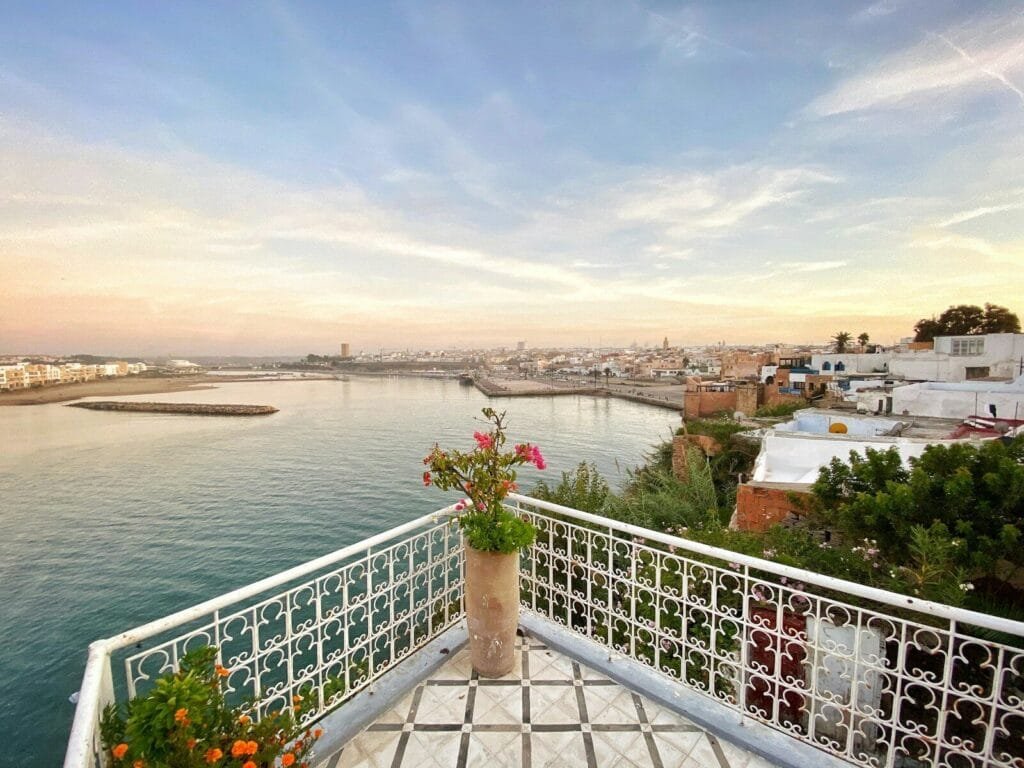
For most first time visitors, 2 days in Rabat is the best balance. That gives you enough time to visit Hassan Tower, the Mausoleum of Mohammed V, the Kasbah of the Udayas, the medina and Chellah without turning the trip into a race between attractions. If you are traveling with children or prefer a slower pace, 3 days can be even better.
One day works if Rabat is a short stop between other Moroccan cities. Four days or more makes sense if you want to use Rabat as a base for nearby excursions or simply prefer a relaxed holiday.
So, how many days should you spend in Rabat? For a typical vacation, I would plan 2 nights and 3 days, especially for families.
TL;DR, how many days do you need in Rabat?
- 1 day: Enough for the major highlights, but the schedule will be fairly full.
- 2 days: The best choice for most first time visitors.
- 3 days: Better for families, slower travelers and visitors who want museums, beaches or Salé.
- 4+ days: Useful if Rabat is your base for day trips or you want a very relaxed stay.
- Best areas to explore: Kasbah of the Udayas, Hassan district, Rabat Medina and Chellah.
- Families: Two full days gives children more breaks and avoids rushing between sights.
- Accommodation: Current hotel pricing varies considerably by property and date, with Booking.com currently showing average prices around $96 per night for 3 star hotels, $126 for 4 star hotels and $321 for 5 star hotels.
Is one day enough in Rabat?

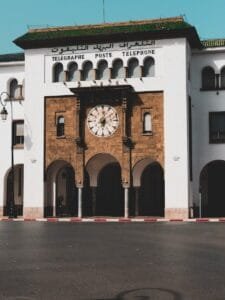
Yes, but you will need to concentrate on the most important sights.
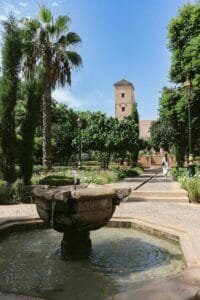
A practical one day itinerary can begin at the Kasbah of the Udayas, where you can walk through the historic streets and visit the Andalusian Garden. Continue toward the medina for lunch and some time in the traditional shops.
In the afternoon, visit Hassan Tower and the Mohammed V Mausoleum, which are next to each other. Finish with a walk around the Bouregreg waterfront or along the coast.
One day works particularly well if Rabat is a stop between Casablanca and another Moroccan destination. It is less suitable if you want to visit several museums or explore the city slowly.
Is 2 days enough for Rabat?
For most travelers, two days is enough to see Rabat’s main attractions without rushing.
Current Rabat itineraries commonly organize the city around the Kasbah of the Udayas, medina, Hassan Tower, Mohammed V Mausoleum, Chellah and museums.
Ready to Plan Your Morocco Family Adventure?
Book your Morocco family adventure today with our expert planners personalized itineraries designed just for you, and get 30% off as a first-time visitor!
Day 1: Kasbah, medina and Hassan Tower
Start with the Kasbah of the Udayas and its views toward the Atlantic and Bouregreg River.
Afterward, explore the medina and have lunch nearby. Rabat’s medina is also useful for shopping for traditional crafts such as textiles, leather goods, jewelry and carpets.
Spend the afternoon around Hassan Tower and the Mohammed V Mausoleum.
Day 2: Chellah, museum and Salé
Use your second morning for Chellah, one of Rabat’s most important archaeological sites.
Later, visit the Mohammed VI Museum of Modern and Contemporary Art or the Museum of History and Civilizations, depending on your interests. The National Tourist Office lists both museums among Rabat’s cultural attractions.
If you still have time, cross the Bouregreg River to Salé by tram or another local transport option.
This two day plan covers the main historical and cultural experiences without requiring you to move constantly between neighborhoods.
Is 3 days in Rabat better?
For travelers asking How Many Days Should You Spend in Rabat for a comprehensive visit, three days is my preferred option.
The extra day gives you space to explore places that are easy to skip when you only have a weekend.
Day 3: Choose your own pace
You could spend the third day visiting the Rabat Zoo, relaxing near the coast, exploring more of the modern city or taking a trip across the river to Salé.
Rabat also has extensive green areas. The Moroccan National Tourist Office highlights the Andalusian Garden, Ibn Sina Forest, Botanical Test Garden, Chellah and the Rabat Zoo, while the Exotic Gardens of Bouknadel are located outside the city.
For families, this third day is particularly useful because children do not have to spend every morning inside historic monuments.
Rabat is also UNESCO World Book Capital for 2026, with literary and cultural activities taking place throughout the year.
What are the must see sights in Rabat for a short stay?
If you only have limited time, prioritize these places:
Hassan Tower and Mohammed V Mausoleum
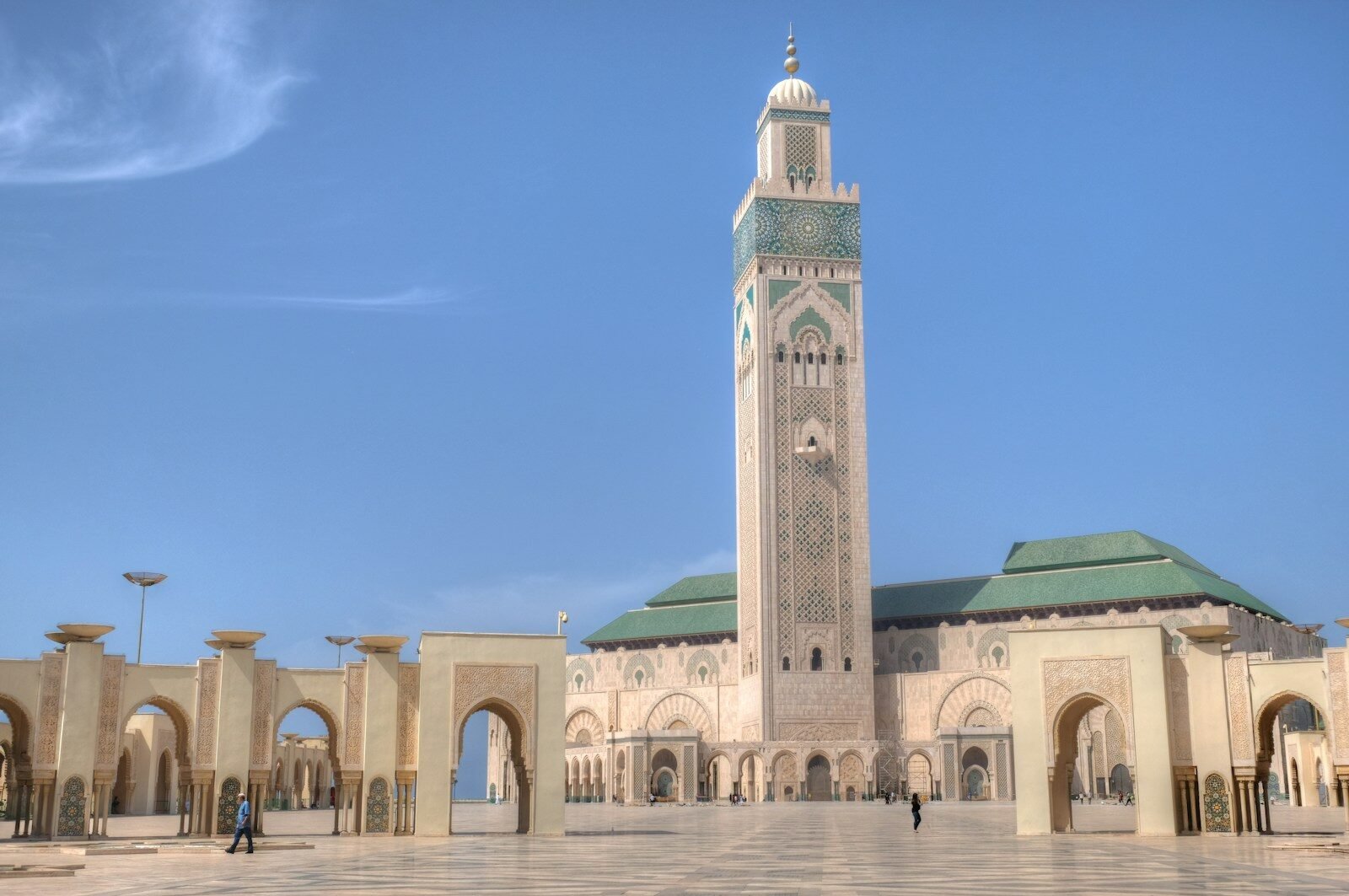
These are among the city’s most recognizable landmarks and can conveniently be visited together. Hassan Tower forms part of the historic World Heritage area, while the nearby mausoleum is one of Rabat’s major monuments.
Kasbah of the Udayas
Allow at least one to two hours to walk through the kasbah, visit the garden and enjoy the views over the river and Atlantic.
Rabat Medina
The medina is useful for combining sightseeing with shopping and lunch.
Chellah
Chellah is the strongest choice if you want to add archaeology and older layers of Moroccan history to your visit.
Mohammed VI Museum
This is a good addition for visitors interested in Moroccan and contemporary art.
You do not need to visit every attraction to have a complete Rabat experience.
What is the ideal itinerary for a 3 day trip to Rabat?
A simple three day plan looks like this:
| Day | Morning | Afternoon | Evening |
|---|---|---|---|
| Day 1 | Kasbah of the Udayas | Medina and Hassan Tower | Bouregreg or coast |
| Day 2 | Chellah | Mohammed VI Museum | Dinner in the city |
| Day 3 | Rabat Zoo, gardens or Salé | Flexible sightseeing | Relaxed final evening |
Keep the schedule flexible if you are traveling with children. A family itinerary does not need to include another attraction every time you finish one.
For families, Rabat’s gardens, beaches, zoo and historic sites make it possible to alternate cultural visits with outdoor time.
How many days should families spend in Rabat?
Families should consider three days if they have enough time.
Two days can cover the main sights, but three days makes the experience easier with young children because you can leave room for lunch, naps, playgrounds, beach time or an early return to the hotel.
The city also has modern public transportation, including tram services, and the tourism office highlights its infrastructure, restaurants, shopping areas and coastline.
Families with older children may enjoy spending more time at Chellah, museums and the medina. Younger children may prefer combining one historical attraction with the zoo, gardens or beach each day.
For more family specific planning, see our guide to Rabat with kids.
Is Rabat safer than Marrakech?
Four days is more than most visitors need for the main attractions, but it can be worthwhile if you prefer a slower holiday.
You can spend the first two days seeing Rabat’s historic core, use the third for museums, parks and Salé, then reserve the fourth for a nearby excursion or simply enjoy the city without a schedule.
This length works particularly well for travelers who dislike changing hotels frequently.
It also allows you to use Rabat as part of a longer Morocco itinerary rather than treating it as a quick overnight stop.
What does a 4 day trip to Rabat look like?
Four days is more than most visitors need for the main attractions, but it can be worthwhile if you prefer a slower holiday.
You can spend the first two days seeing Rabat’s historic core, use the third for museums, parks and Salé, then reserve the fourth for a nearby excursion or simply enjoy the city without a schedule.
This length works particularly well for travelers who dislike changing hotels frequently.
It also allows you to use Rabat as part of a longer Morocco itinerary rather than treating it as a quick overnight stop.
weather in rabat month by month
Rabat has a coastal climate, so temperatures are generally more moderate than inland cities such as Marrakech.
Approximate daytime highs are:
| Month | Average daytime high |
|---|---|
| weather in rabat in January | 17°C |
| weather in rabat in February | 18°C |
| weather in rabat in March | 19 to 20°C |
| weather in rabat in April | 20 to 21°C |
| weather in rabat in May | 22 to 24°C |
| weather in rabat in June | 24 to 26°C |
| weather in rabat in July | 27 to 28°C |
| weather in rabat in August | 28°C |
| weather in rabat in September | 27°C |
| weather in rabat in October | 24°C |
| weather in rabat in November | 21°C |
| weather in rabat in December | 18°C |
Climate sources show Rabat’s warmest period is generally July through September, while winter is cooler and wetter.
For Rabat with kids, spring and early autumn are particularly comfortable for walking. Summer can also work, especially if your family likes the coast, but plan outdoor sightseeing around the hotter parts of the day.
What are typical accommodation costs for 4 days in Rabat?
Accommodation prices vary according to season, neighborhood, room type and hotel category.
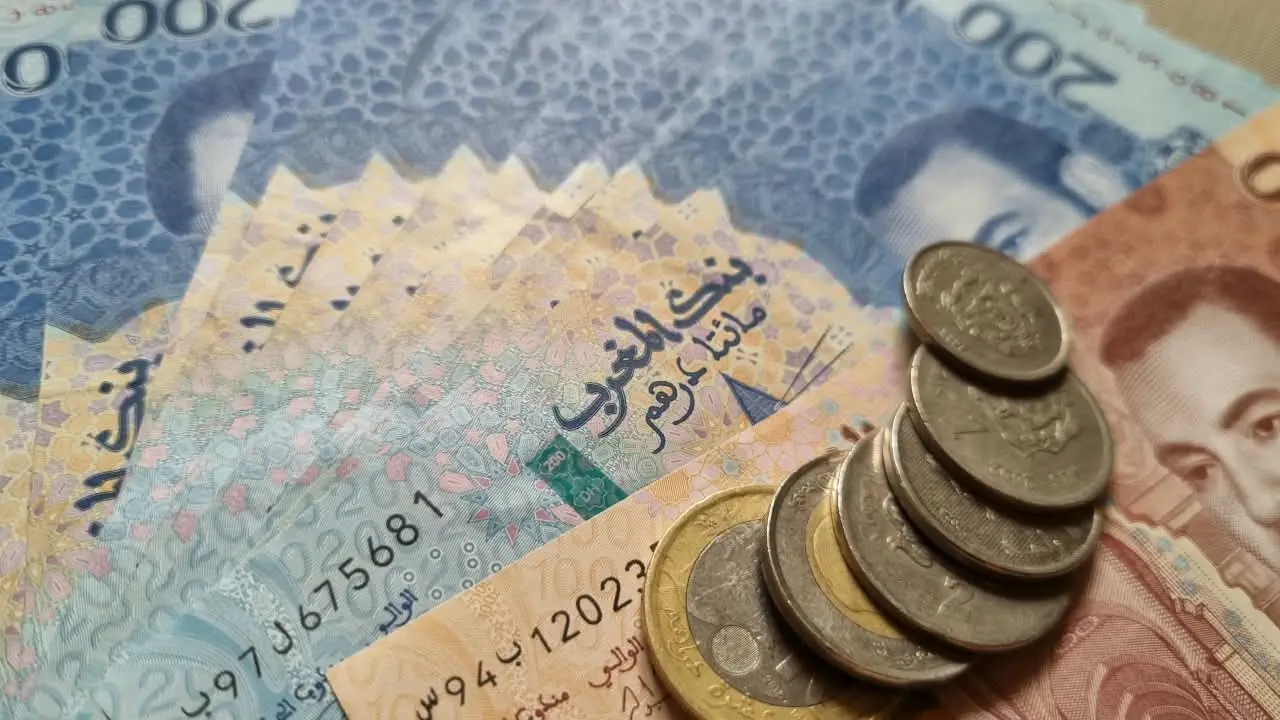
Current accommodation data puts the average Rabat hotel price at about $81 per night, with budget hotels averaging around $43 and mid range hotels around $90. High season can be considerably more expensive.
For a four day trip with three nights, that works out approximately to:
| Accommodation | Approximate 3 night cost |
|---|---|
| Budget | $129 |
| Average hotel | $243 |
| Mid range | $270 |
| Luxury average | About $534 |
These figures are useful for planning rather than guaranteed booking prices. Taxes, dates, room size and availability can change the final amount.
Families should also compare family rooms and apartments rather than looking only at the cheapest room rate.
Is Rabat worth visiting for families?
Yes. Rabat is worth visiting for families if you want to combine Moroccan history with parks, coastal areas and a manageable city environment.
The city is recognized by UNESCO as a modern capital and historic city, with major attractions including Hassan Tower, the Mohammed V Mausoleum, Chellah and the Kasbah of the Oudayas.
It also has significant green space. Morocco’s tourism office states that Rabat has around 230 hectares of green spaces, including the Andalusian Garden, Ibn Sina Forest and the Botanical Test Garden.
That variety is useful when traveling with children because you do not have to spend an entire day visiting monuments.
Should you stay in Rabat or just visit for the day?
If you are traveling between major Moroccan cities, a day trip can work.
However, staying two nights gives you much more flexibility. You can see the major landmarks without spending the entire day watching the clock.
Rabat is also well connected to other major Moroccan destinations. The official tourism office lists Casablanca at about 87.5 km away and Tangier at about 251.4 km, with rail connections forming part of the wider national transport network.
For families, staying overnight is usually more comfortable than arriving in the morning and leaving immediately after sightseeing.
Where should you stay in Rabat?
For a short visit, staying near the Medina, Hassan area or Agdal can make sightseeing easier.
The Medina and Kasbah are useful if you want to be close to historic attractions. Hassan is convenient for the Hassan Tower and nearby landmarks. Agdal offers a more modern setting with restaurants and services.
The best area depends on whether your priority is walking, restaurants, family space, transportation or a quieter hotel.
Is Rabat worth spending 3 days in?
Yes, especially if you want more than a quick look at the major monuments.
Three days gives you enough time for the historic center, museums, Chellah, gardens, the coast and family activities without turning the trip into a checklist.
If you are mainly interested in the famous landmarks, two days is enough. If you want a slower cultural experience, three days is better.
Planning a Rabat tour with Morocco Family Vacation
If you want help organizing a private Rabat itinerary, Morocco Family Vacation creates tailor made trips through Morocco for families.
The company is based in Rabat and can design routes around your family’s pace, including riads, desert camps, Marrakech, Fes and the Atlas Mountains. Private transportation, guides and flexible sightseeing can be arranged around children, parents and grandparents.
You can also combine Rabat with Casablanca, Chefchaouen, Fes or Marrakech instead of treating the capital as a separate trip. See our Morocco family tours for longer itinerary ideas.
Need Help with Transportation in Morocco?
Book a reliable private driver for your Morocco family adventure today – personalized routes designed just for you, and get 30% off as a first-time visitor!
Final answer: How Many Days Should You Spend in Rabat?
For most first time visitors, two to three days is the ideal length of stay in Rabat.
One day works if you only want the principal landmarks. Two days allows you to see the major historic and cultural sights at a comfortable pace. Three days gives you time for museums, gardens, Salé, the coast and family activities.
If you are traveling with children or prefer slower sightseeing, choose three days. If Rabat is one stop in a larger Morocco itinerary, two days is usually enough.
The most important thing is not to fill every available hour. Rabat is best experienced with enough time to walk, stop for a meal, explore the medina and enjoy the Atlantic setting.
For families who want a private Morocco itinerary, Morocco Family Vacation creates tailor made trips around your family’s pace, including Rabat, Marrakech, Fes, the Atlas Mountains, riads and desert camps. The focus is on private routes rather than fixed group schedules, which can be useful when traveling with children or grandparents.
─── Your questions, our answers.
Frequently Asked Questions
Our dedicated team is here to answer your Morocco Travel questions and ensure a smooth, memorable journey through Morocco.
How many days should I spend in Rabat to see the main attractions?
Two days is enough to see the main attractions, including Hassan Tower, Mohammed V Mausoleum, Kasbah of the Udayas, the medina and Chellah.
What is the ideal length of stay in Rabat for a first time visitor?
Two to three days is ideal for most first time visitors. Choose three days if you want museums, gardens, Salé or a slower schedule.
What is an ideal itinerary for a 3 day trip to Rabat?
Spend day one around the Kasbah, medina and Hassan Tower, day two visiting Chellah and a museum, and day three exploring gardens, the zoo, Salé or the coast.
How many days are recommended for a comprehensive Rabat visit?
Three days provides enough time for the main historic attractions plus museums, outdoor spaces and a more relaxed pace.
Is Rabat suitable for families with children?
Yes. Families can combine historic attractions with the zoo, gardens, beaches and open spaces. Three days is particularly useful because it allows regular breaks between sightseeing activities.
What are typical accommodation costs for a 4 day trip to Rabat?
For three nights, current averages suggest around $129 for budget accommodation, about $243 for the overall average and around $270 for mid range accommodation, before taxes and fees. Prices vary by season and availability.
What is the best time to visit Rabat?
Spring and early autumn are generally comfortable for sightseeing. Summer is warmer and drier, while late autumn and winter tend to bring more rainfall.

Kate Carter
Family Travel Blogger
Kate Carter is a mom and travel blogger who fell in love with Morocco’s culture and warmth. Through Morocco Family Vacation, she shares tips and stories to help travelers enjoy authentic, stress-free experiences. Join us along the way.
Table of Contents
Our Services
-
Private Family Tours
-
Custom Itineraries
-
Sahara Desert Tours
-
Chefchaouen & Northern Morocco Tours
-
Luxury Desert Camping
-
Multi-Day Tours (2–16 Days)
-
Atlas Mountains Trips
-
Cooking Classes & Market Visits
-
Photography & Heritage Tours
-
Airport Transfers & Private Transport
-
Custom Birdwatching Tour in Morocco
-
24/7 Tour Support & booking Flexibility
At Morocco Family Vacation, we create custom Morocco tour packages designed around your interests and travel style. As a dedicated and independent travel agency, we specialize in private Morocco tours offering memorable desert adventures, cultural experiences, and family friendly itineraries while delivering attentive, personalized service from start to finish.
Popular Tours
Latest Posts
get in touch
#LawnCare
#Succulents
#GardenGoals
#Autumn
#SummerLandscaping